
TL;DR
Fashion in 2026 will be reshaped by technology trends including AI backlash and regulation, autonomous shopping agents, evolving social engagement, wearables, virtual experiences, and personalised digital-physical integration — raising the bar for how brands connect with consumers.
At a Glance
- 2026 promises a wave of tech innovation that will reshape fashion discovery, engagement, and operations.
- AI backlash and regulation are emerging as central industry themes.
- Autonomous shopping agents will increasingly influence how consumers find and buy fashion.
- Social media and digital platforms face scrutiny, prompting shifts in brand engagement strategies.
- Wearables, immersive digital fashion, virtual try-ons, and human-centric technology will accelerate adoption.
Editorial Perspective
In 2026, fashion and technology are no longer parallel worlds — they are deeply convergent. According to Business of Fashion’s Tech Mode briefing, the industry’s tech evolution will be defined not just by more advanced tools, but by the cultural, regulatory, and human impact of those innovations.
From the way consumers shop to how brands tell their stories, tech trends are rapidly rewriting the fashion playbook — and 2026 may be the most transformative year yet.
1. AI Backlash and Consumer Experience Redesign
While artificial intelligence continues to expand across fashion — from design generation to product discovery — a backlash to AI is gaining momentum. Concerns around authenticity, creative authorship, and content overload are prompting brands to rethink how to balance machine-led innovation with human-centric experience design.
Regulatory pressures are also emerging globally, driving companies to develop their own AI policies that protect intellectual property and creative integrity, while building trust with consumers.
2. Autonomous AI Shopping Agents Take Hold
One of the biggest shifts in commerce may come from autonomous AI shopping agents — digital assistants that monitor prices, match styles, and complete purchases on behalf of users.
Fashion brands will need to optimise product data, metadata, and API-accessible catalogs to ensure visibility and preference in this new AI-mediated discovery environment.
3. Social Platforms Under Fire — And What That Means for Fashion
Social media fuelled fashion trends and discovery in the last decade. In 2026, however, platforms are under increased scrutiny over privacy, influence, and algorithmic opacity — prompting brands to seek alternative engagement models that prioritise direct connection and narrative control.
This pressure may accelerate emphasis on owned platforms, community systems, and boutique digital experiences where fashion brands can curate closer relationships with audiences.
4. Wearables and Human-First Tech Go Mainstream
Beyond software, physical tech integrations are breaking into mainstream fashion — from sleek smart eyewear and sensor-enabled jewelry to accessories that bridge functionality with style. Developers are increasingly designing wearables that feel like fashion statements, not gadgets — signaling a new era where tech is both useful and aesthetically compelling.
Examples from broader tech culture show a rise in fashion-forward tech accessories (including playful accessories and nontraditional wearable devices) that blur the line between form and function.
5. Virtual and Augmented Realities Shape Discovery
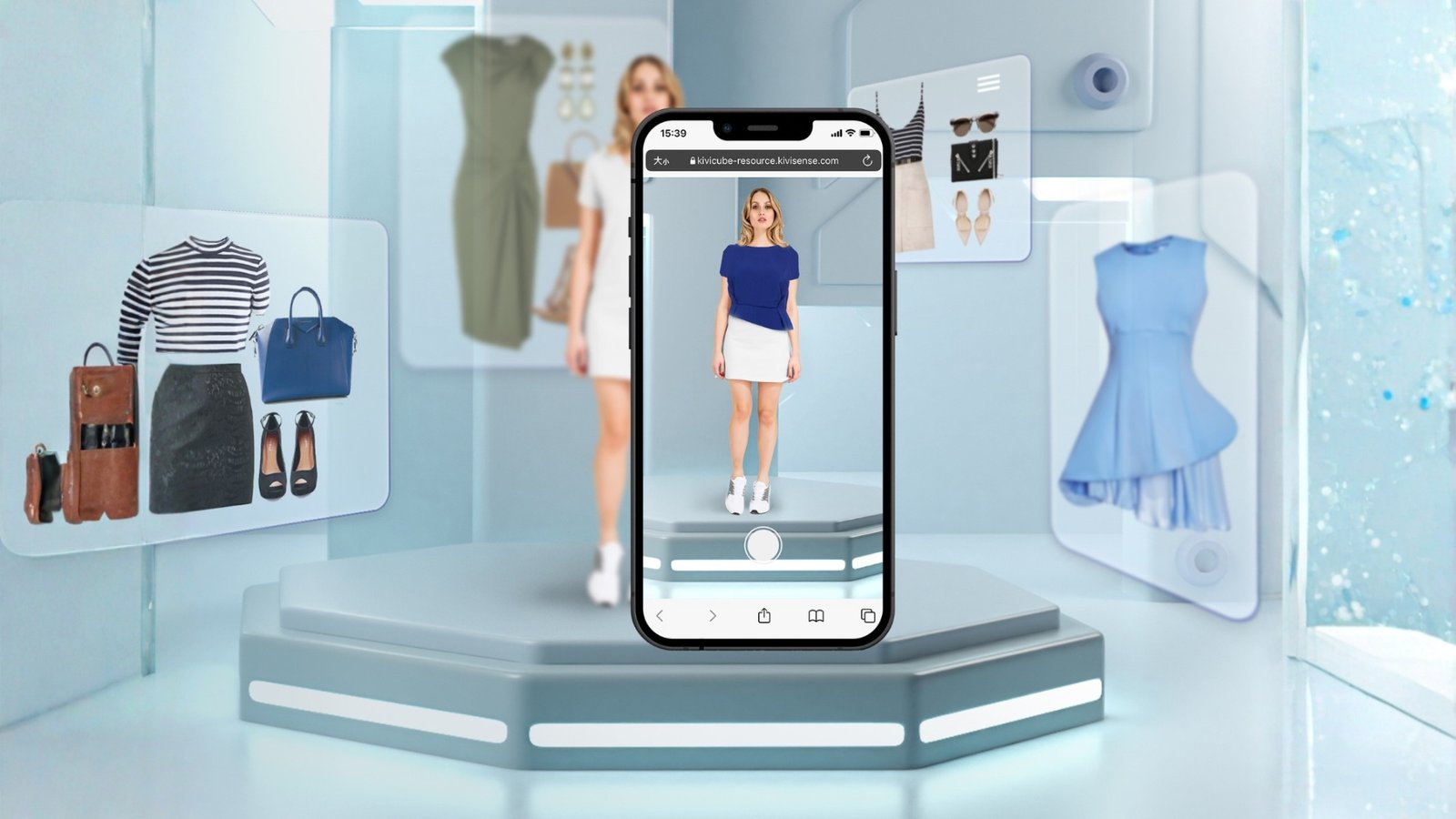
Digital fashion platforms like DRESSX — which offer AI-powered styling, virtual try-ons, and immersive wardrobe exploration — are redefining the consumer experience.
By integrating AR try-ons, 3D garments, and digital identity systems, fashion brands can tailor experiences that are interactive, shared, and deeply personalised — expanding beyond static e-commerce into interactive digital ecosystems.
6. Personalisation and Context-Aware Tech
Consumers increasingly expect experiences tailored to their identity, preferences, and context — from personalised digital stylists to AI-driven fit recommendations. Emerging companies like SpreeAI are advancing virtual try-on with sizing intelligence and outfit guidance, bringing bespoke service into the digital realm.
These advancements hint at a future where shopping is guided by context, relevance, and hyper-specific insight.
7. Beyond Screens: The Role of Physical-Digital Integration
Tech’s impact isn’t limited to online interfaces; it’s reshaping the physical retail experience. Concepts like agile retail — where data and real-time responsiveness shape inventory, design cycles, and delivery — suggest a future where digital insights fuel physical outcomes.
For luxury brands and heritage houses, this might mean new flagship experiences that mirror digital sophistication — blending personalisation, service, and instant gratification.
What This Means for Fashion’s Future
The tech trends emerging in 2026 signal a broader redefinition of fashion’s value proposition — from purely visual consumption to intelligent, connected, and emotionally resonant experiences.
Brands that harness these shifts thoughtfully — balancing AI innovation with human creativity, digital immersion with personal connection, and data optimisation with cultural context — stand to lead the next chapter of fashion evolution.
