
TL;DR
Generative AI is making virtual try-on more realistic and personalized, turning it into a practical retail tool that improves confidence, reduces returns, and enhances digital shopping.
At a Glance
- Generative AI is significantly improving the realism of virtual try-on tools.
- Fashion and beauty brands are using AI to personalize fit, color, and styling.
- Virtual try-on is evolving from novelty to a core retail utility.
- The technology is helping brands reduce returns and improve customer confidence.
From Simulation to Personalisation
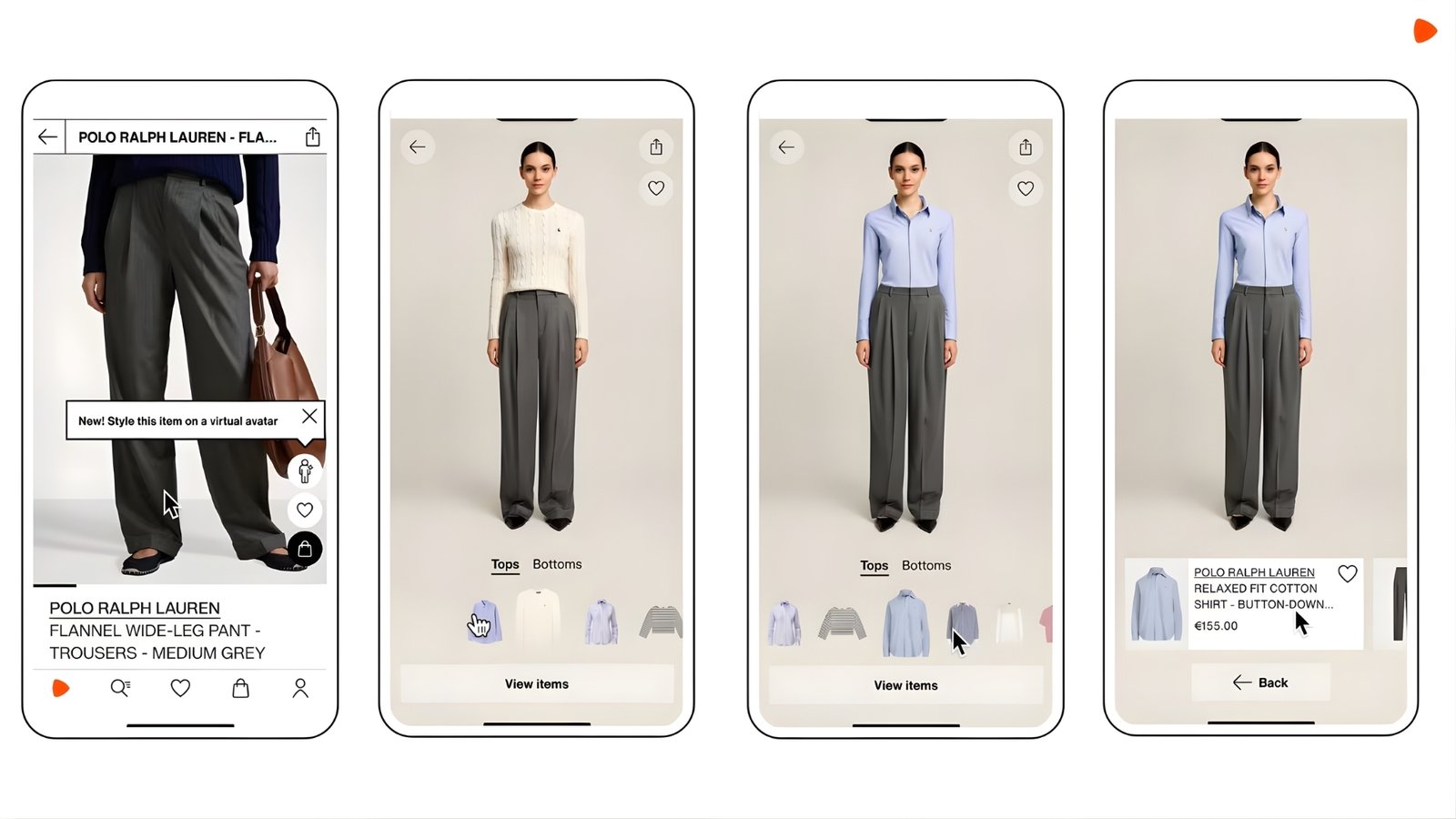
According to Business of Fashion, generative AI allows virtual try-on tools to move beyond static simulations. Instead of placing products onto generic models, AI can generate visuals that adapt to individual body shapes, skin tones, and movement.
This results in:
- more realistic fabric drape
- better colour accuracy
- dynamic representation of fit
- stronger emotional connection to products
The experience feels less like a filter and more like a fitting room.
Why Brands Are Investing Now
Retailers face growing pressure to reduce returns, improve conversion, and meet consumer expectations for digital convenience. Generative AI offers a solution that addresses all three.
Virtual try-on powered by AI helps shoppers make more informed decisions, reducing uncertainty around fit and appearance—two of the biggest barriers to online fashion and beauty purchases.
Beauty and Fashion Lead Adoption
Beauty brands have been early adopters, using AI to simulate makeup shades and skincare effects with increasing accuracy. Fashion brands are now following, particularly in categories where fit and proportion matter most.
As the technology matures, virtual try-on is becoming a bridge between physical retail confidence and digital convenience.
What This Means for Modern Luxury
Luxury brands have traditionally relied on in-store experience to communicate quality and craftsmanship. Generative AI offers a way to extend that confidence online—without compromising brand control.
When executed thoughtfully, virtual try-on can support luxury storytelling by enhancing clarity, personalization, and trust rather than replacing human experience.
What to Watch Next
As generative AI continues to evolve, key developments to watch include:
- broader body and size representation
- integration with clienteling and personal styling
- use in pre-order and made-to-measure models
- deeper links between AI tools and sustainability goals
Virtual try-on is no longer about novelty—it is becoming infrastructure.
Editorial Perspective
Virtual try-on has existed for years, but it rarely felt convincing. Flat overlays, limited body representation, and unrealistic movement kept the technology firmly in the “nice-to-have” category. Generative AI is changing that perception.
By enabling more accurate visualisation and personalization, AI is turning virtual try-on into a meaningful part of the shopping experience—one that aligns with how consumers now expect to engage with fashion and beauty digitally.
