
TL;DR
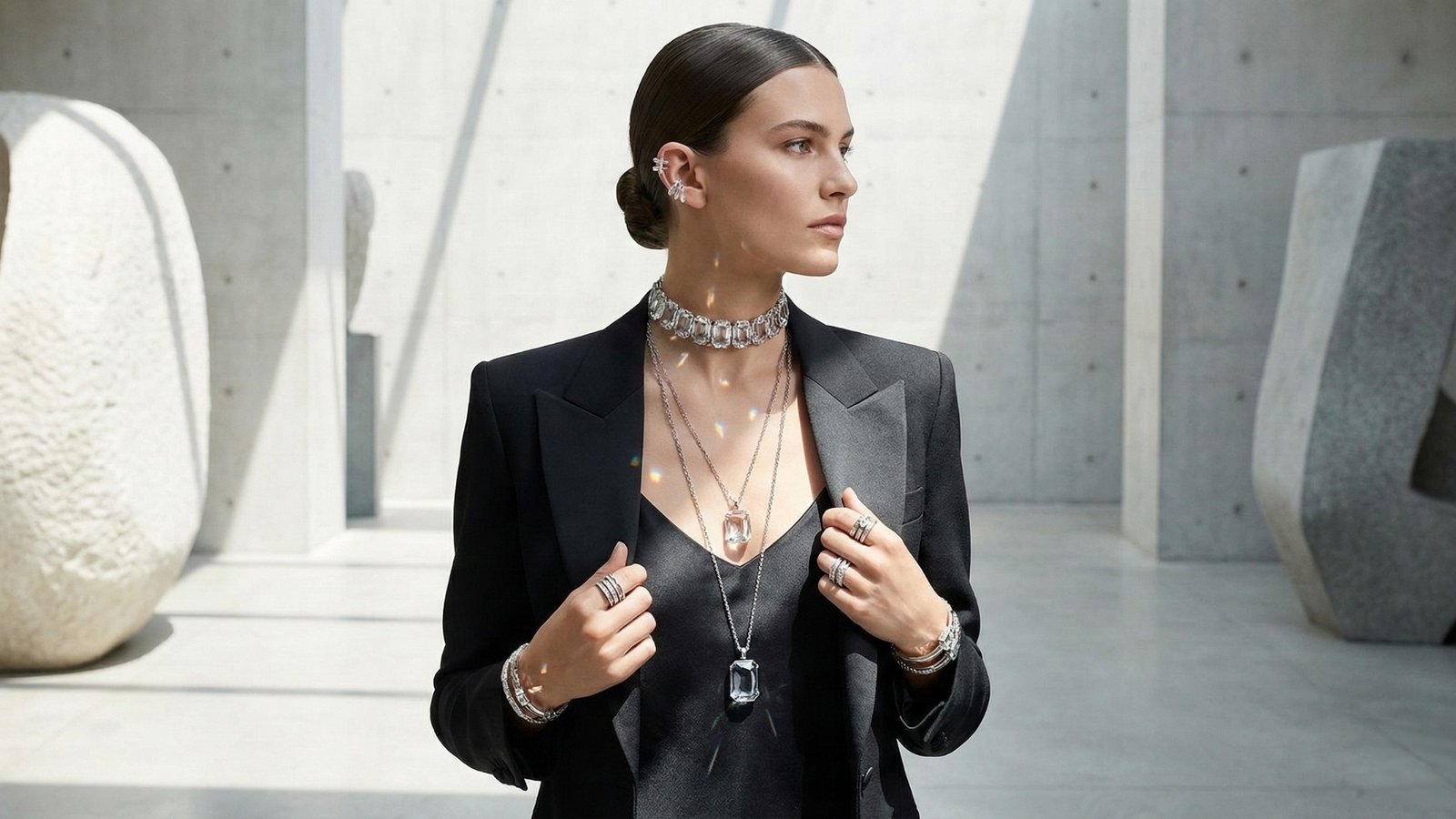
In the State of Fashion 2026 report, Swarovski CEO Alexis Nasard emphasizes the brand’s focus on jewelry growth, cultural relevance, and strategic use of lab-grown diamonds amid broader industry challenges. Swarovski’s approach aligns with category trends that favour expressive, investment-oriented accessories in a cautious luxury market.
At a Glance
- Swarovski’s strategic growth direction is highlighted in The State of Fashion 2026 report by Business of Fashion and McKinsey.
- CEO Alexis Nasard emphasizes the continued momentum of jewelry within the broader fashion industry.
- A key focus area is embracing lab-grown diamonds and design culture to broaden luxury appeal.
- The brand is positioning itself for relevance amid shifting consumer behaviour and a challenging global luxury landscape.
Jewelry Continues to Sparkle
The State of Fashion 2026 report highlights jewelry as one of the few categories showing sustained growth momentum in an otherwise cautious market. Consumer interest in pieces that balance emotional resonance with design authenticity remains strong — even as apparel and footwear face challenges tied to slow global expansion and tariff pressure.
Within that context, Swarovski’s business model — historically centered on crystal and affordable luxury — has begun evolving toward a jewelry-first proposition. Nasard’s comments in the report underscore how Swarovski sees jewelry not simply as decorative but as culturally relevant across markets.
Lab-Grown Diamonds: A Strategic Pivot
One of the more notable strategic shifts discussed in the report is Swarovski’s increasing embrace of lab-grown diamonds. These stones offer a more accessible path into fine jewelry while aligning with sustainability narratives increasingly important to consumers.
While lab-grown diamonds have sparked debate over production energy and perception versus mined stones, they also represent a growing segment that luxury houses are beginning to explore more seriously — especially as buyers seek both value and responsible sourcing.
For Swarovski, leveraging lab-grown diamonds helps bridge crystal-rooted heritage with fine jewelry aspirations — without diluting brand identity.
Cultural Relevance and Design
Central to Swarovski’s strategy is the alignment of product innovation with cultural trends and design relevance. Nasard’s leadership seeks to position the brand not merely as an accessory maker but as a cultural participant — one that resonates with lifestyle values, fashion trends, and personal expression.
This resonates with broader industry themes from the State of Fashion 2026 report, which suggests that brands tapping into culture, experience, and digital engagement stand a better chance of capturing consumer attention as older growth models face renewed pressure.
Brand Positioning Amid Market Pressure
Overall, the luxury industry in 2026 is likely to be marked by continued volatility — influenced by tariffs, geopolitical shifts, and shifts in consumer discretionary spending. Within this evolving terrain, Swarovski’s emphasis on jewelry — supported by design innovation and category diversification — illustrates how heritage brands can adapt without abandoning identity.
Jewelry, viewed through both a cultural and commercial lens, may well become one of the more resilient categories as markets recalibrate and consumers seek pieces that hold emotional and aesthetic value over seasonal fashion goods.
Editorial Perspective
The luxury market in 2026 is being defined not just by legacy brands or heritage value, but by how well houses can adapt to evolving consumer priorities and category growth. Within this context, Swarovski’s approach — blending cultural relevance, materials innovation, and accessibility — signals a nuanced strategy that recognizes jewelry’s expanding role within luxury fashion.
Rather than viewing jewelry as ancillary to apparel or accessories, Swarovski is positioning it as a core growth engine in a landscape where consumers increasingly value everyday luxury, expression, and personal identity.
