
TL;DR
The modern luxury watch landscape is undergoing a transformation. As highlighted by Business of Fashion, mechanical watches must evolve beyond vintage reissues and embrace future-forward design — from high-tech materials to bold aesthetics and open-worked movements. The 21st-century watch must feel innovative, emotional, and unmistakably modern.
At a Glance
- Mechanical watches are undergoing a major evolution in form, function, and cultural identity.
- According to Business of Fashion, watchmakers now face a critical question: what should a modern mechanical watch look like in an era dominated by smartwatches?
- Younger collectors want modernity, innovative materials, and bold aesthetics — not just heritage replicas.
- High-end brands are experimenting with new case shapes, lightweight alloys, vibrant colors, and open-worked movements.
- The challenge: balancing technological relevance with emotional craftsmanship.
Why the Industry Is Rethinking Mechanical Watch Design
The BoF report highlights a fundamental shift: luxury watchmakers can no longer rely solely on archives. Instead, they must define what a distinctly 21st-century watch looks and feels like.
1. Smartwatches Changed Consumer Expectations
With Apple Watch normalizing sleek digital wearables, many new collectors expect:
- lighter weights
- ergonomic comfort
- modern silhouettes
- daily-wear functionality
Mechanical watches now compete not on utility, but emotional and aesthetic value.
2. Younger Buyers Want Future-Facing Design
Gen Z and young millennials gravitate toward bold originality. This includes:
- colored ceramic cases
- open-worked skeleton dials
- experimental shapes
- sporty luxury design
Classic dress watches are still respected, but not culturally dominant among newer buyers.
3. High-Net-Worth Enthusiasts Want Innovation
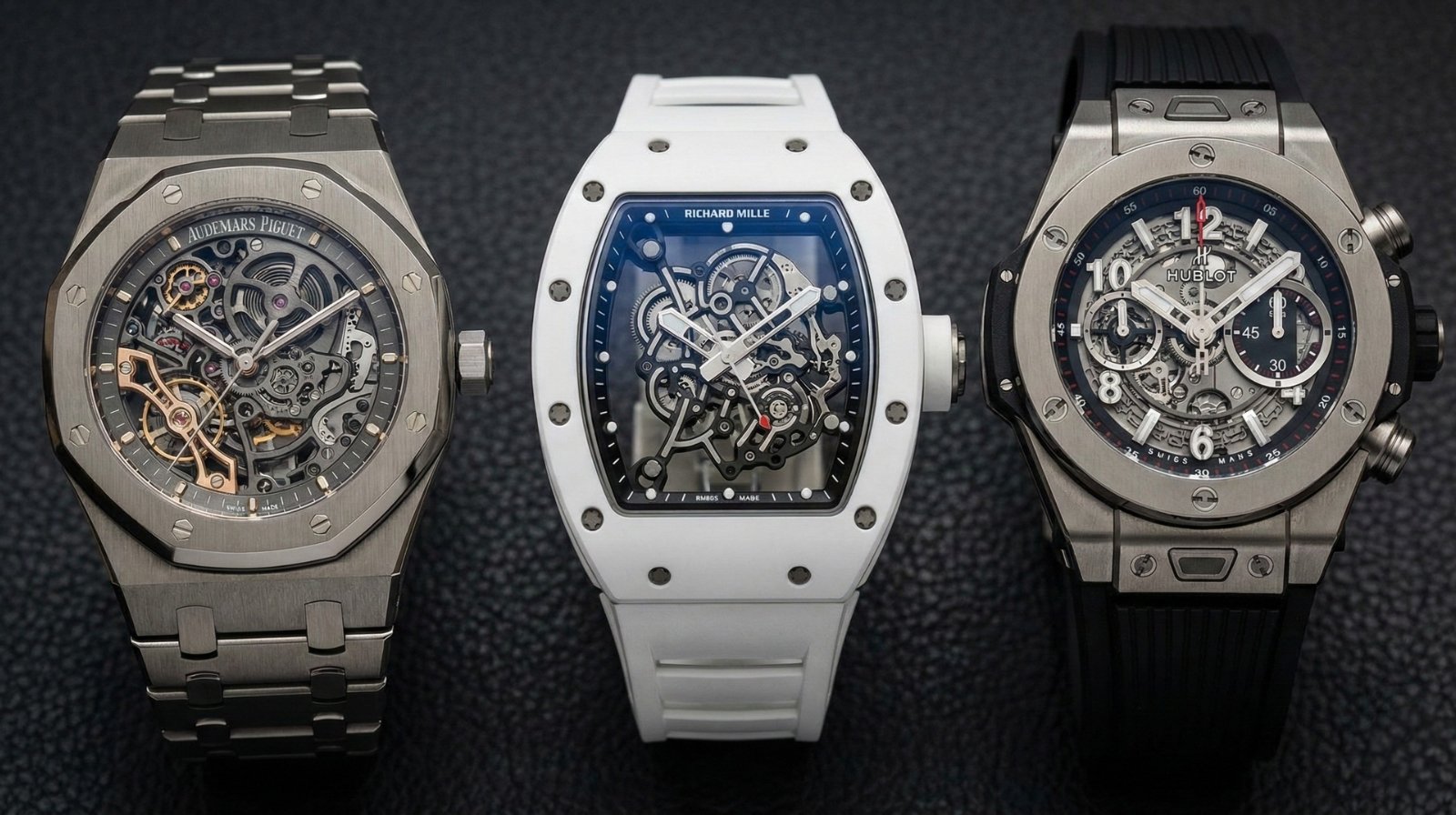
Collectors at the top end of the market show growing interest in watches that push engineering limits — like Richard Mille’s ultra-light cases or Hublot’s fusion materials.
Innovation is now a status marker.
The New Principles of 21st-Century Mechanical Watch Design
Based on BoF’s analysis and emerging design trends, luxury watchmakers are converging toward a modern design philosophy defined by six key ideas:
1. Lightweight, High-Tech Materials
Titanium, carbon composites, ceramic, sapphire cases, and exotic alloys are becoming the new norm.
They create comfort, durability, and futuristic visual impact.
2. Architectural Dials & Open-Worked Movements
Skeletonized movements and transparent dials allow wearers to witness the mechanical artistry — a key selling point for collectors seeking authenticity.
3. Sport-Luxury Aesthetics
The 2020s solidified the rise of sport-luxury hybrids: bolder bezels, integrated bracelets, and geometric cases.
This will define mechanical watches for the next decade.
4. Vibrant Color Palettes
From icy blues to neon greens, monochrome is no longer the default. Brands use color as an identity signature.
5. Case Shapes Beyond the Round Dial
Tonneau, square, octagonal, and asymmetrical shapes are seeing renewed interest.
A modern mechanical watch shouldn’t look like everything that came before.
6. Emotional Craftsmanship Over Utility
Mechanical watches no longer compete on accuracy — they compete on artistry, emotion, tactility, and story.
Brands Leading the Future of Modern Watch Design
Richard Mille
The blueprint for future-focused watchmaking — using carbon composites, radical silhouettes, and high-tech engineering.
Hublot
The “Art of Fusion” brand pioneers material experimentation: magic gold, colored sapphire, and hybrid cases.
Audemars Piguet
Expanding the legacy of the Royal Oak through bold colors, skeleton dials, and next-gen tourbillons.
TAG Heuer
Blending heritage racing DNA with futuristic materials and sporty reimagined chronographs.
Cartier
Reviving iconic shapes (Tank, Santos, Crash) but continuously refreshing structure, wearability, and form.
What Consumers Now Expect from Modern Mechanical Watches
- A watch that feels modern, not retro
- A balance of emotional storytelling and technical mastery
- Comfort for all-day wear
- Unique identity — not just another heritage reissue
- Craftsmanship they can see and feel
- A piece that complements a contemporary luxury wardrobe
Collectors want watches that stand out in the 21st century, not blend into a mid-century archive.
Editorial Perspective
The 21st-century luxury consumer lives in a digital world but desires analog meaning. That contradiction has become the central tension — and opportunity — in modern watchmaking.
A mechanical watch today is less about telling time and more about telling identity. It symbolizes craftsmanship, engineering, and storytelling in a world where everything functions electronically. So the question isn’t whether mechanical watches remain relevant — it’s how they evolve to feel of this era rather than relics of the past.
Modern watch design is shifting away from pure heritage worship. Yes, vintage reissues and classic silhouettes still sell, but the next generation of collectors wants watches that reflect now: bold geometry, unusual materials, and avant-garde cases that look engineered for the future.
This is the new frontier of watchmaking — analog technology with a futuristic soul.
