
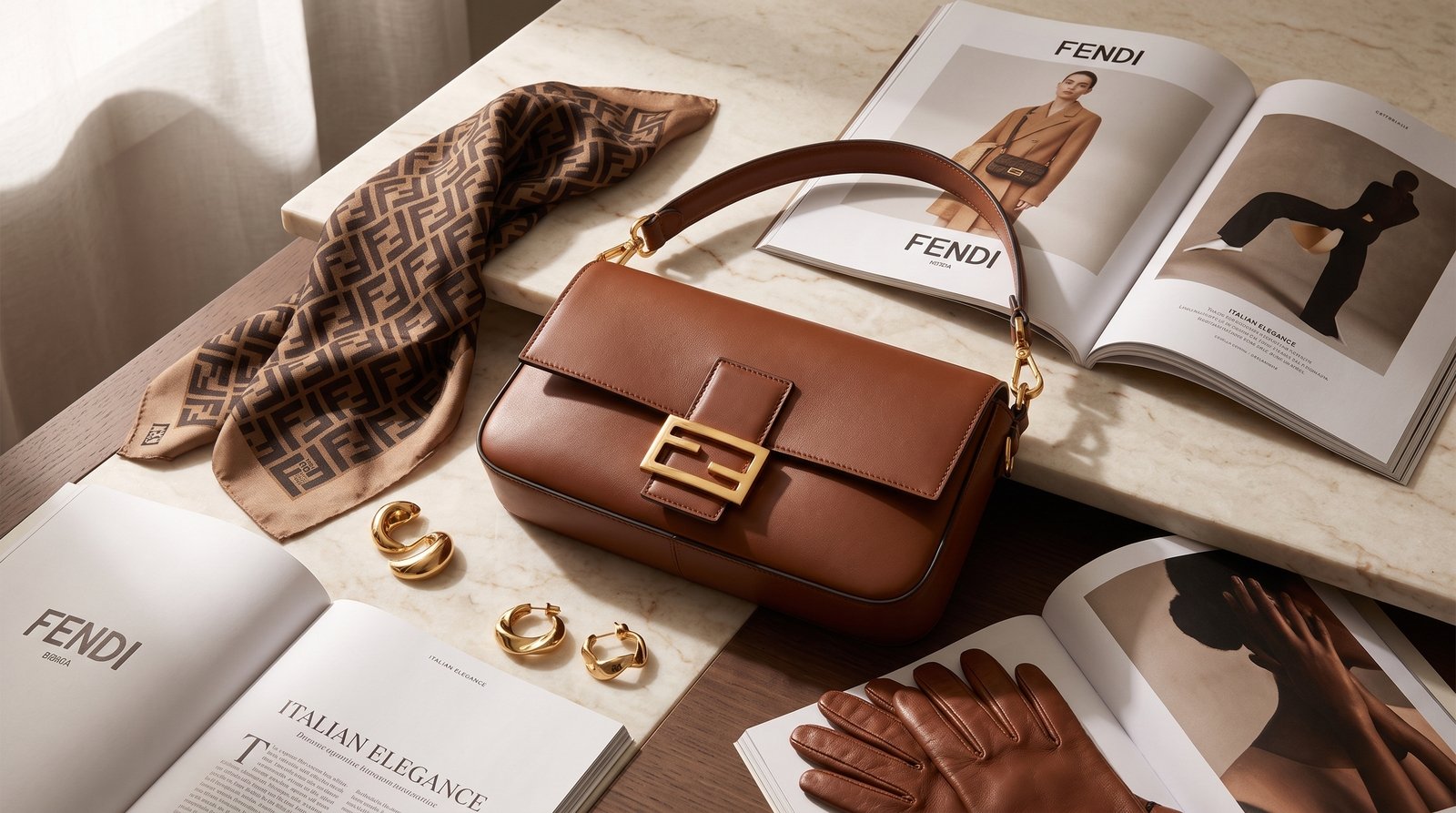
A first Fendi bag should feel like an extension of your wardrobe, not a purchase made solely because a particular style is having a moment.
Fendi has created several instantly recognisable silhouettes, from the compact Baguette to the structured Peekaboo and softer By The Way. Each carries a different personality, level of logo visibility and degree of practicality. The strongest choice depends less on which bag is considered the most famous and more on how you plan to use it.
Start by thinking about your real routine. Do you need a bag that fits a phone, wallet, sunglasses and charger? Do you prefer shoulder bags, top handles or crossbody straps? Are you looking for an everyday piece, a polished work companion or something for evenings and holidays?
The answers will lead you to the right Fendi bag far more effectively than a trend report.
TL;DR
- Choose the silhouette around your lifestyle, not only the bag’s popularity.
- The Baguette is the best first choice for recognisable Fendi personality and day-to-evening versatility.
- The Peekaboo is ideal if you prefer structure, craftsmanship and polished everyday use.
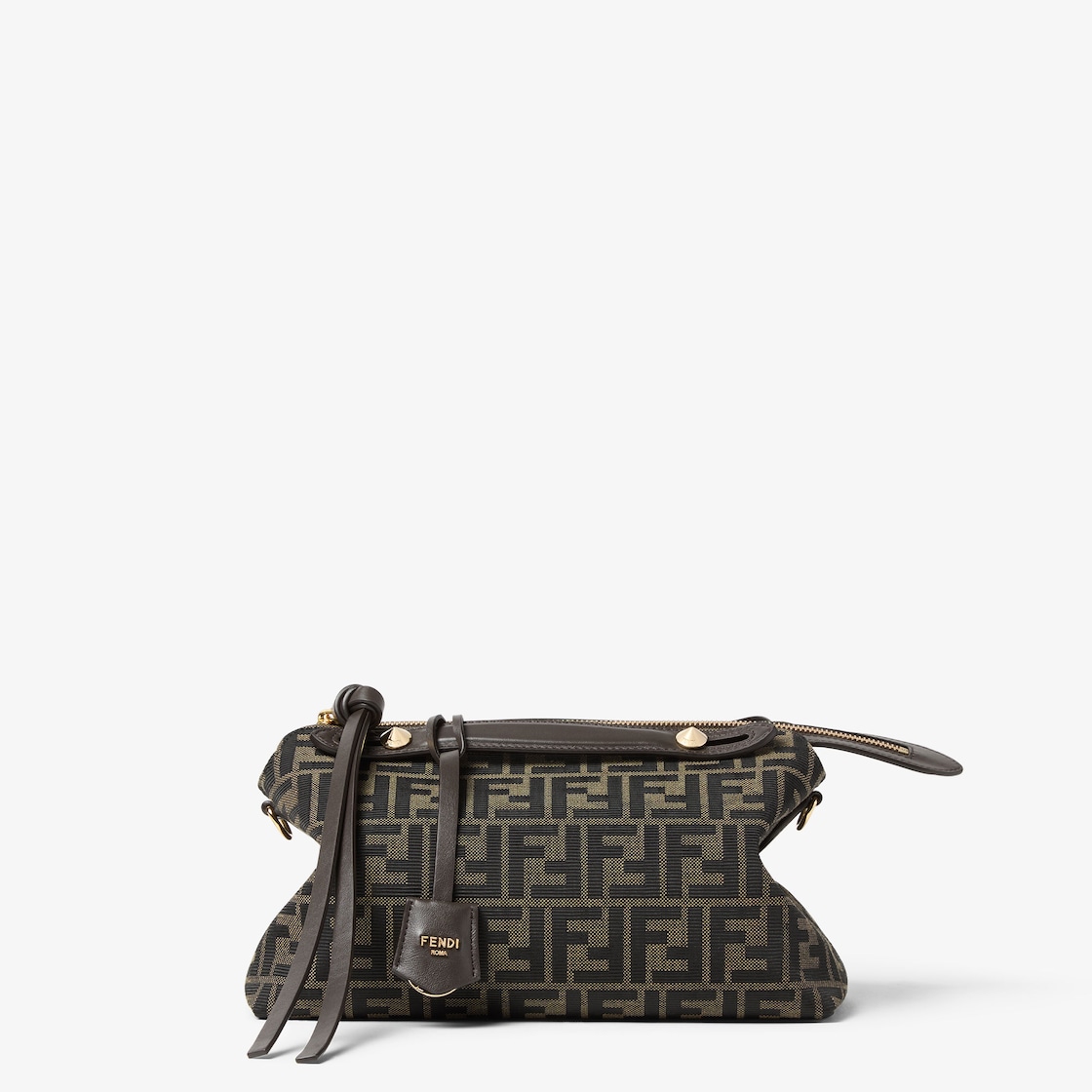
- By The Way suits those who need a more practical zip-top bag for busy days.
- Consider leather, canvas and embellishment based on how much care you are willing to give the bag.
- Try the bag with your daily essentials before buying, especially if choosing a mini or petite size.
Start With Your Actual Day
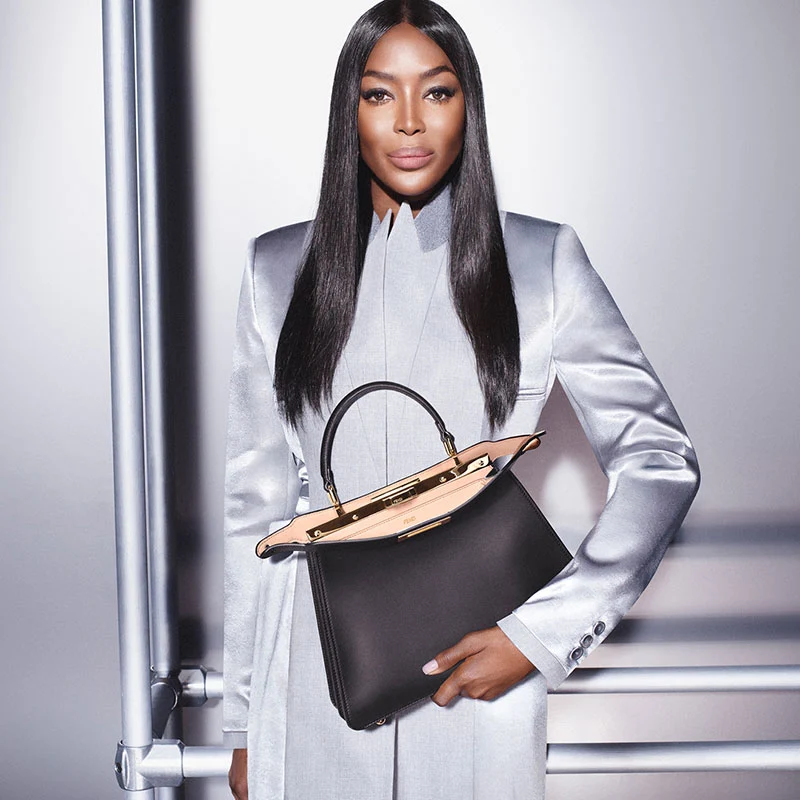
Before deciding between a Baguette, Peekaboo or Fendigraphy, map your week.
Someone who commutes, carries a full wallet and regularly wears tailoring will need something different from someone who mostly uses a bag for dinners, weekends and travel. A beautiful mini bag that cannot hold your daily essentials will not become your most-used purchase, no matter how iconic it looks.
Ask yourself:
- Do you need your bag to fit a large phone, sunglasses, cardholder and keys?
- Will you carry it for several hours at a time?
- Do you need hands-free crossbody wear?
- Does your wardrobe lean more minimal, feminine, casual or logo-forward?
- Do you want one bag that works across day and evening?
A first Fendi bag should solve a real wardrobe need. If your priority is repeat wear, a medium shoulder bag or compact top-handle bag generally offers more flexibility than an ultra-mini silhouette.
Know the Core Fendi Bag Families
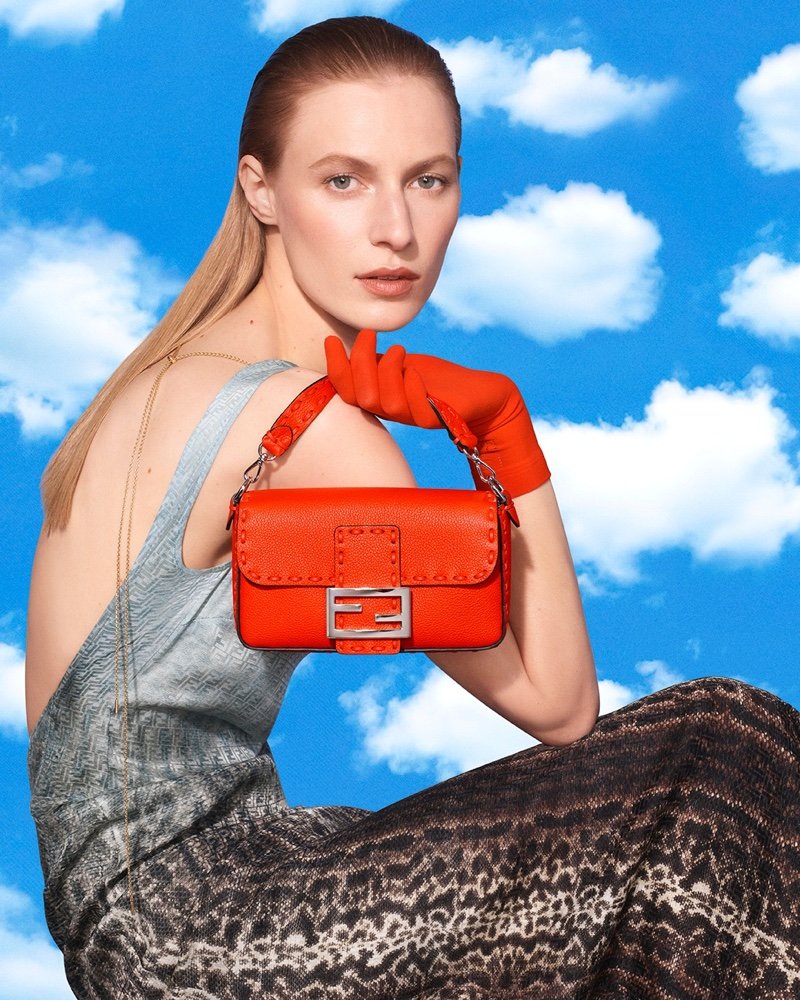
Fendi’s bag range is broad, but four families are particularly useful for a first purchase.
| Bag Family | Best For | Personality | Consider Before Buying |
|---|---|---|---|
| Baguette | Day-to-evening, events, fashion-focused everyday wear | Compact, expressive and instantly recognisable | Interior capacity can be limited in smaller versions |
| Peekaboo ISeeU | Work, travel and polished daily use | Structured, discreet and craftsmanship-led | Heavier and more formal than a Baguette |
| By The Way Soft | Everyday errands, commuting and travel | Relaxed, practical and understated | Less immediately iconic from a distance |
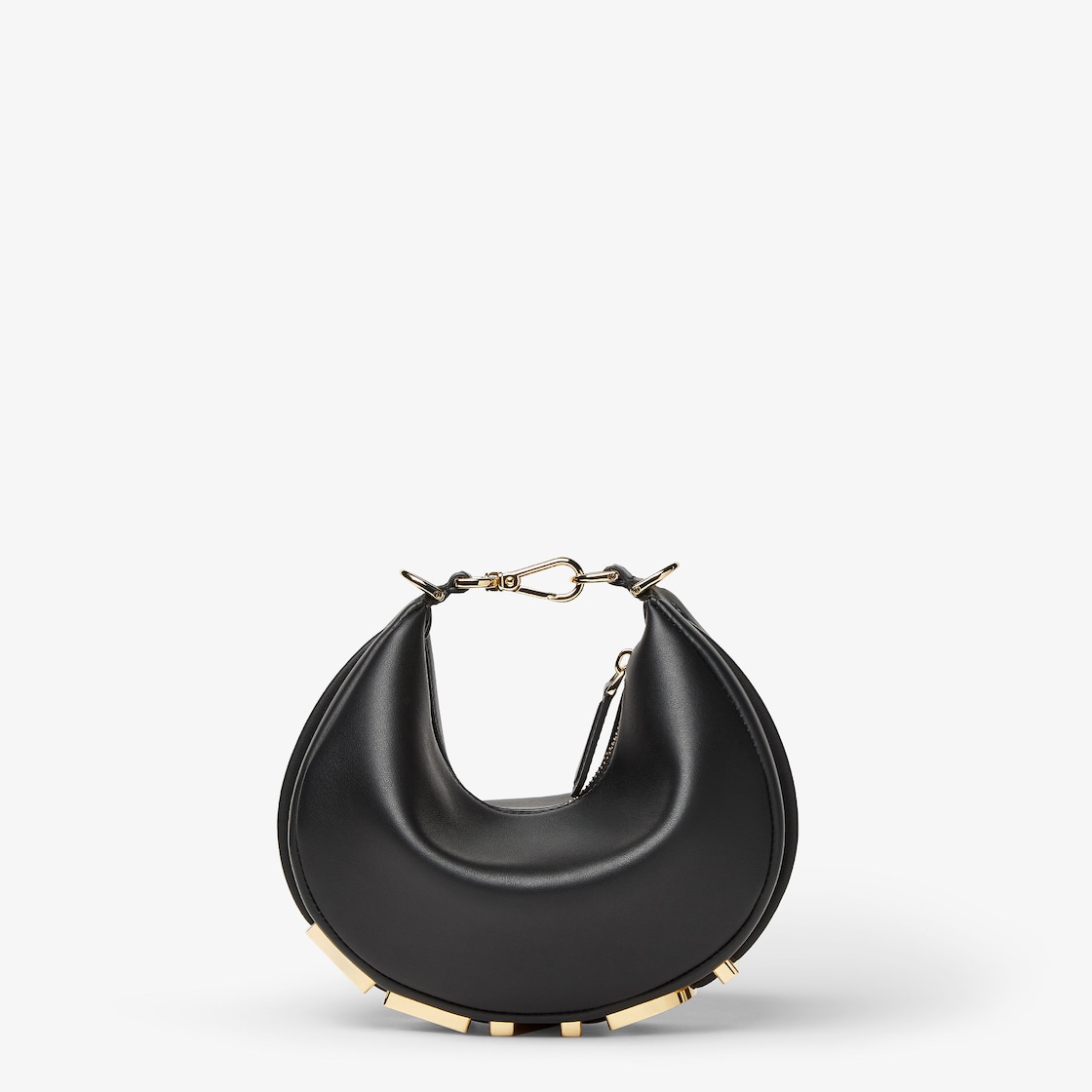
| Fendigraphy | Weekends, dinners and logo-forward styling | Curved, modern and bold | The visible FENDI lettering is a stronger statement |
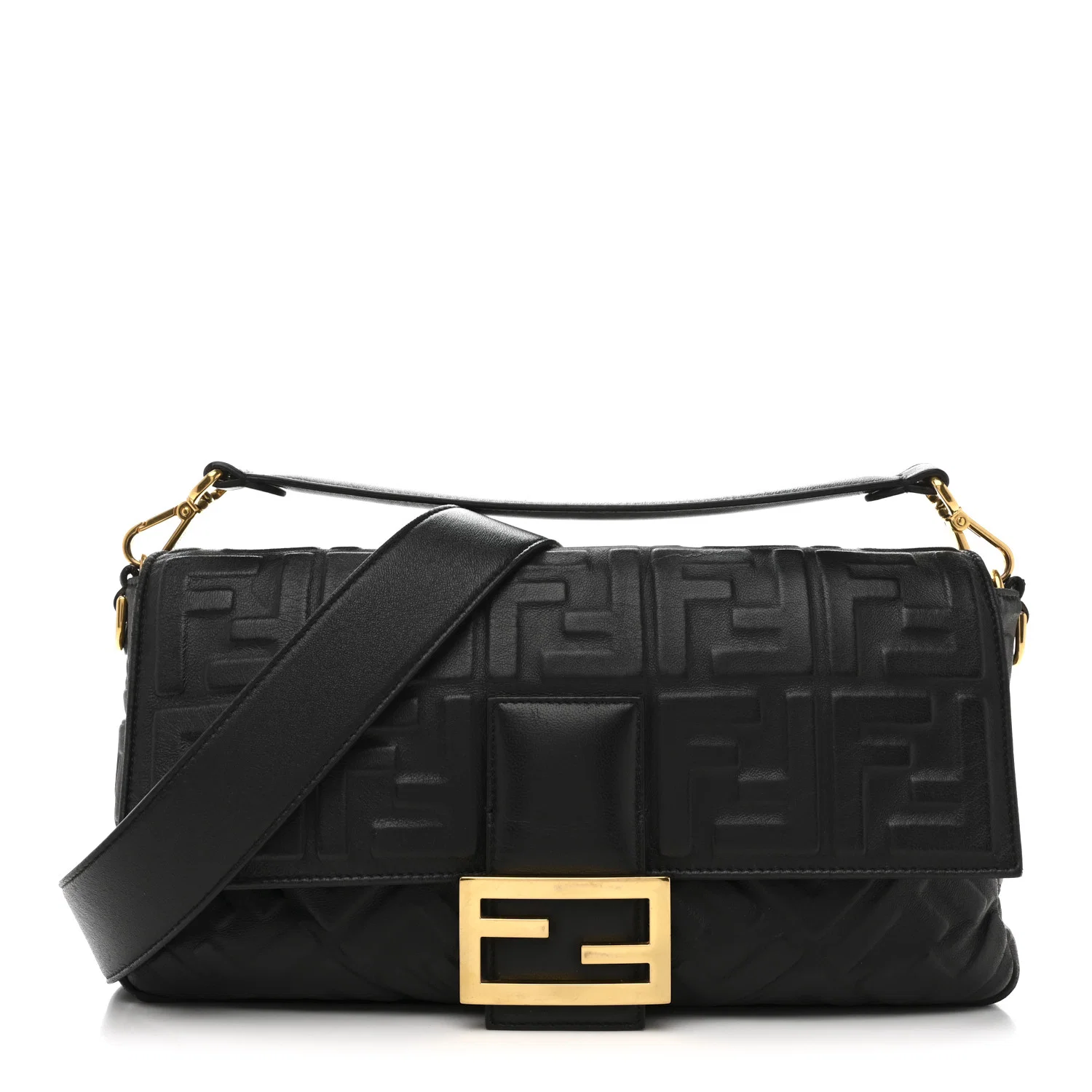
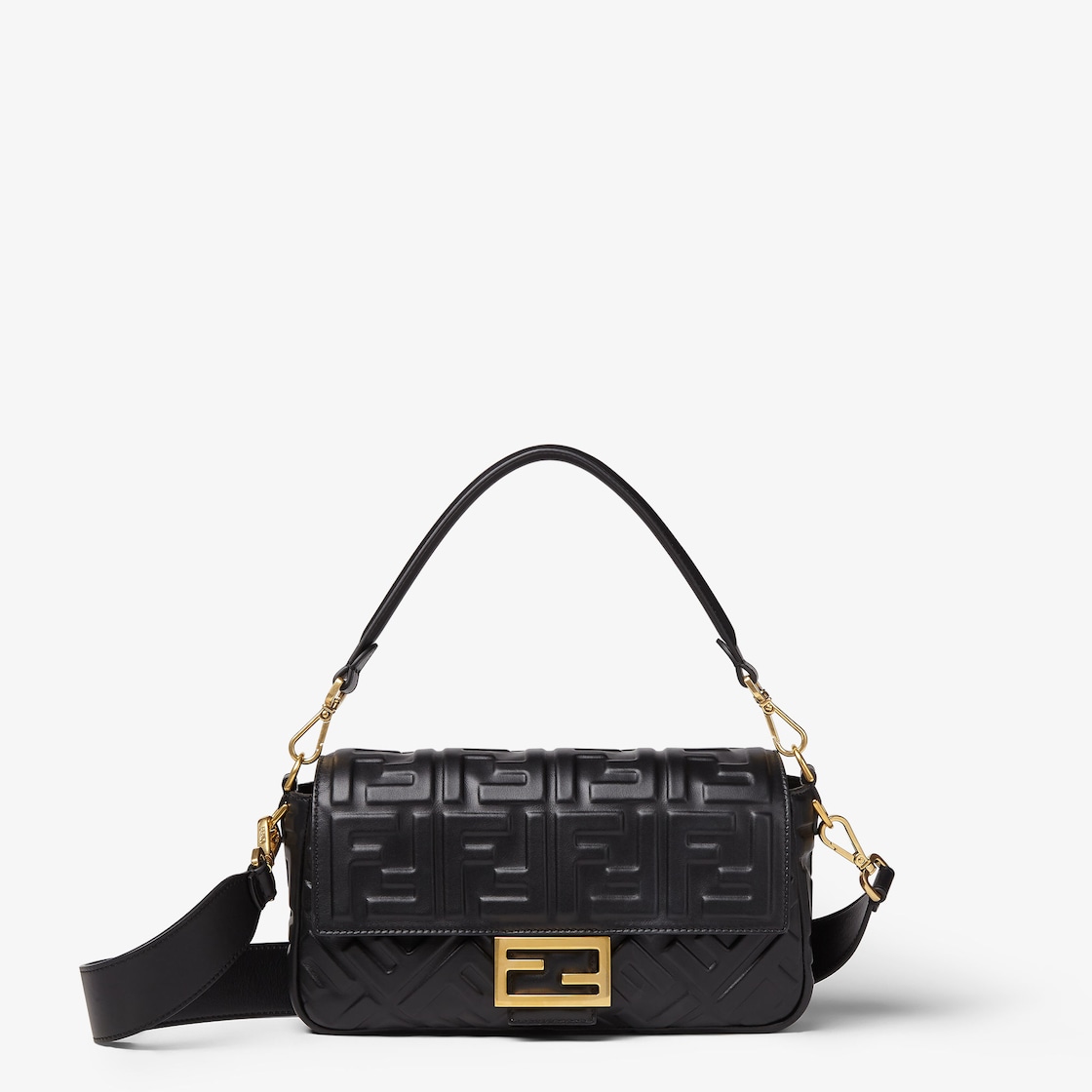
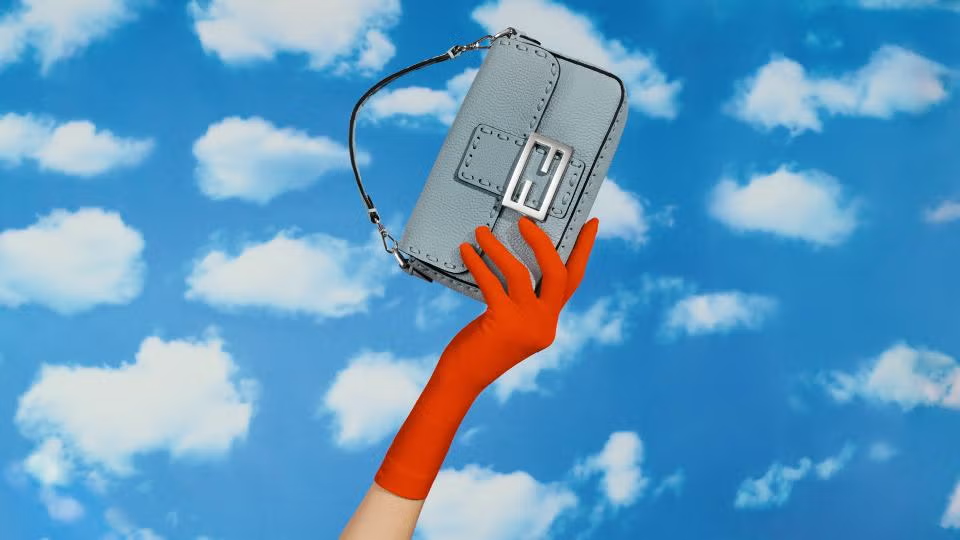
The Baguette remains the most obvious first Fendi bag for many shoppers. Created in 1997, it became one of fashion’s earliest and most enduring “It” bags. Its short under-arm shape, front flap and FF clasp remain recognisable while new materials and straps keep it flexible.
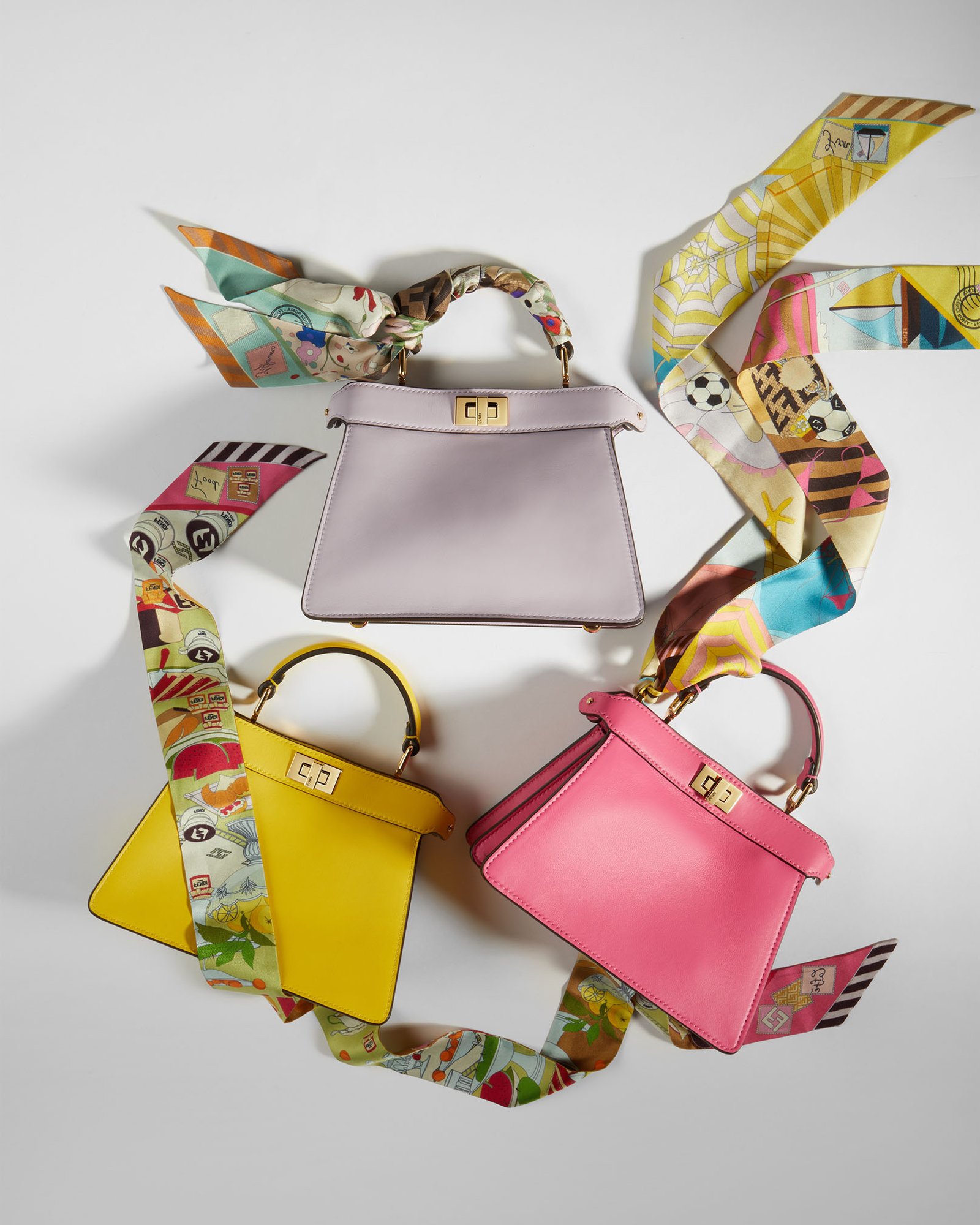
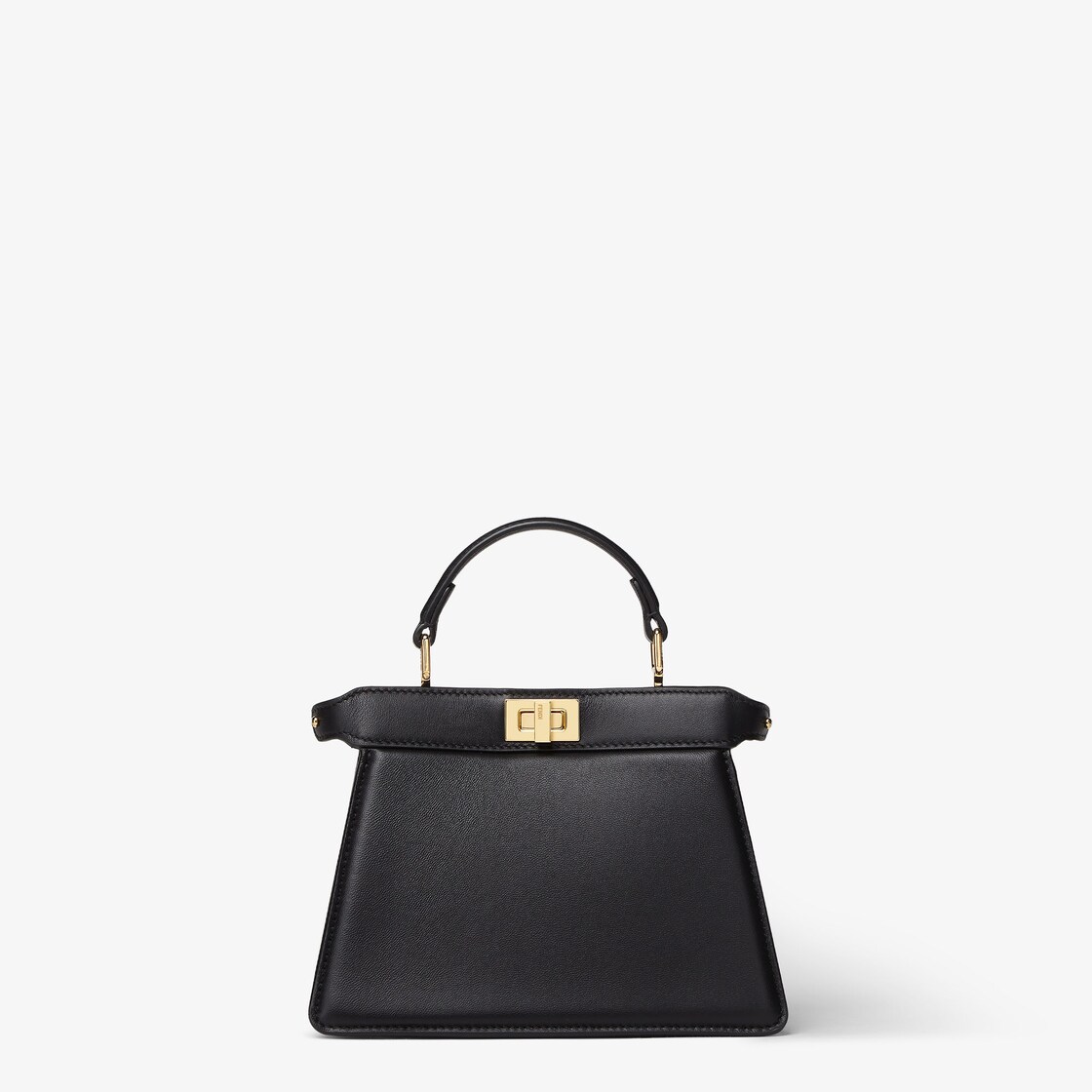
The Peekaboo ISeeU is the quieter alternative. Created in 2009, it is known for its twist locks, divided interior and subtly visible lining. It feels more timeless than trend-led and tends to work beautifully with tailoring, neutral wardrobes and professional settings.
Get the Size Right Before You Fall for the Colour
Size is often the difference between a bag you admire and a bag you use.
A mini bag can be ideal for evenings, holidays and minimal days, but it may require you to carry only a phone, cardholder, keys and lip product. If you regularly use sunglasses, a charger, notebook or larger wallet, move up to a small or medium size.
Fendi’s small Peekaboo ISeeU offers a helpful example of practical compact luxury: the house states that it can hold a 6.7-inch smartphone, large wallet, sunglasses case, keys and headphones. That makes it a more realistic daily bag than many petite top-handle styles.
Before buying, recreate your normal carry:
- Put your phone, wallet, keys and sunglasses together.
- Add the items you carry on a busy day, such as a charger or compact.
- Check whether the bag closes comfortably.
- Consider whether you want room left over rather than a perfectly full interior.
A bag that is slightly larger than your minimum needs is often the wiser first purchase.
Decide How Visible You Want the Fendi Code to Be
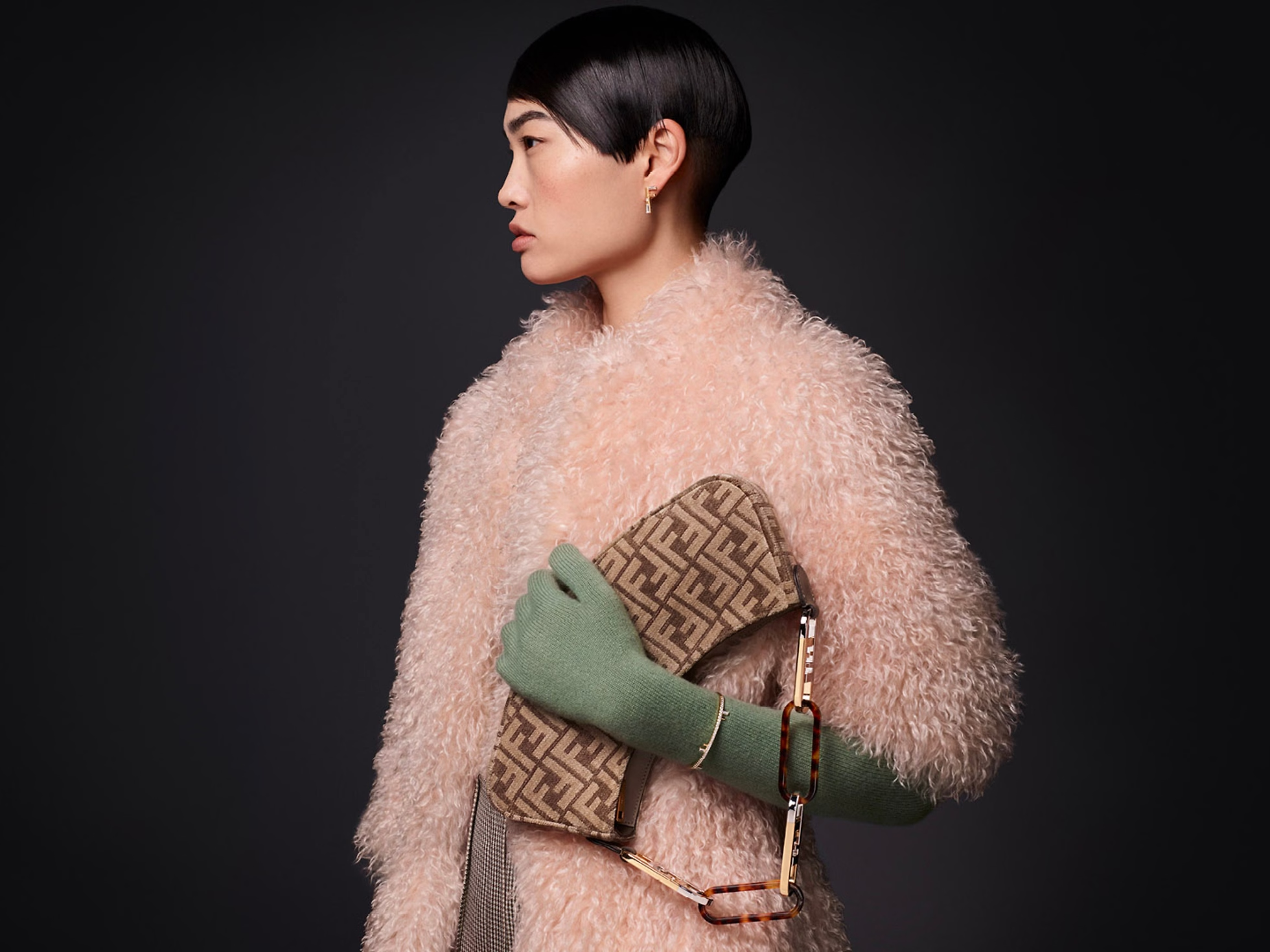
Fendi offers several levels of recognition.
An FF jacquard Baguette immediately announces the house. It works well for someone who enjoys logo heritage, warm brown tones and a slightly vintage mood. Smooth black, brown or neutral leather versions feel more discreet and can blend more easily with an existing wardrobe.
The choice is personal, but it should be intentional.
| If You Prefer… | Consider… |
|---|---|
| Visible heritage and recognisable house codes | FF jacquard Baguette or a logo-forward Fendigraphy |
| Minimal, polished styling | Black or brown leather Peekaboo |
| A balance of personality and versatility | Leather Baguette with classic FF clasp |
| A relaxed daily bag | By The Way Soft in a neutral leather |
| Evening impact | Fendi First or embellished Baguette styles |
For a first Fendi bag, a neutral leather with recognisable hardware is often the safest middle ground. It still feels special but is less likely to clash with future changes in your wardrobe.
Choose Material for Your Real Lifestyle
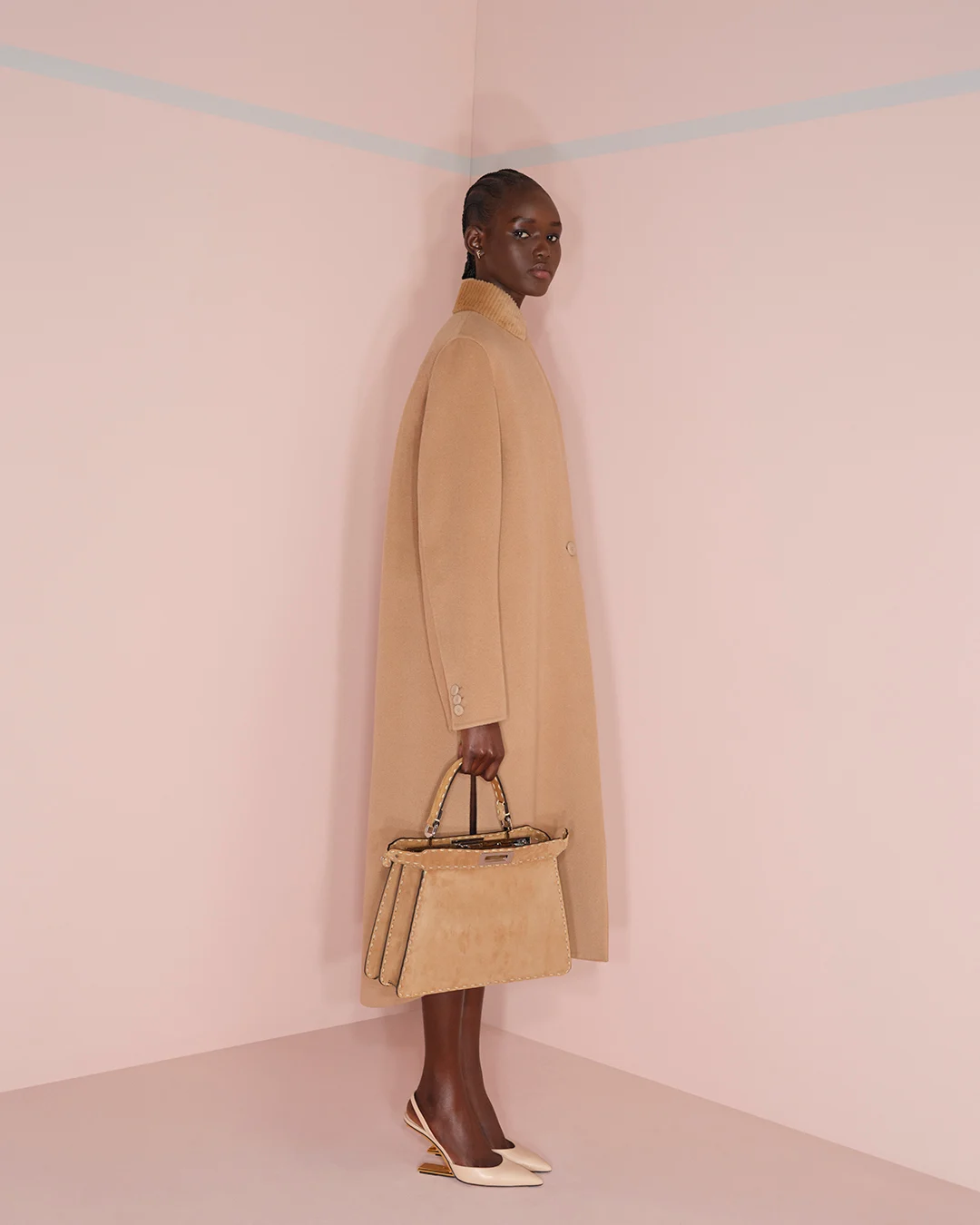
Material changes both the personality and maintenance needs of a Fendi bag.
Smooth calfskin tends to be the most practical choice for a first purchase. It is usually easier to style, relatively resilient and appropriate throughout the year. Nappa leather feels softer and more luxurious, but it can show scratches and pressure marks more easily.
FF canvas or jacquard offers heritage appeal and can feel lighter than a fully leather bag. However, printed fabrics may be less suitable if you prefer a very understated wardrobe. Raffia, embroidery, sequins and special-edition materials are best viewed as occasion pieces unless you already know you will use them often.
For a first bag, consider the following:
- Smooth leather: Best all-round option for daily use.
- Nappa leather: Soft, elevated and elegant, but more delicate.
- FF canvas or jacquard: Strong heritage character and lighter weight.
- Suede: Rich and beautiful, but more sensitive to weather and colour transfer.
- Embellished styles: Memorable for evenings, less practical as an only bag.
Check the Strap, Closure and Hardware
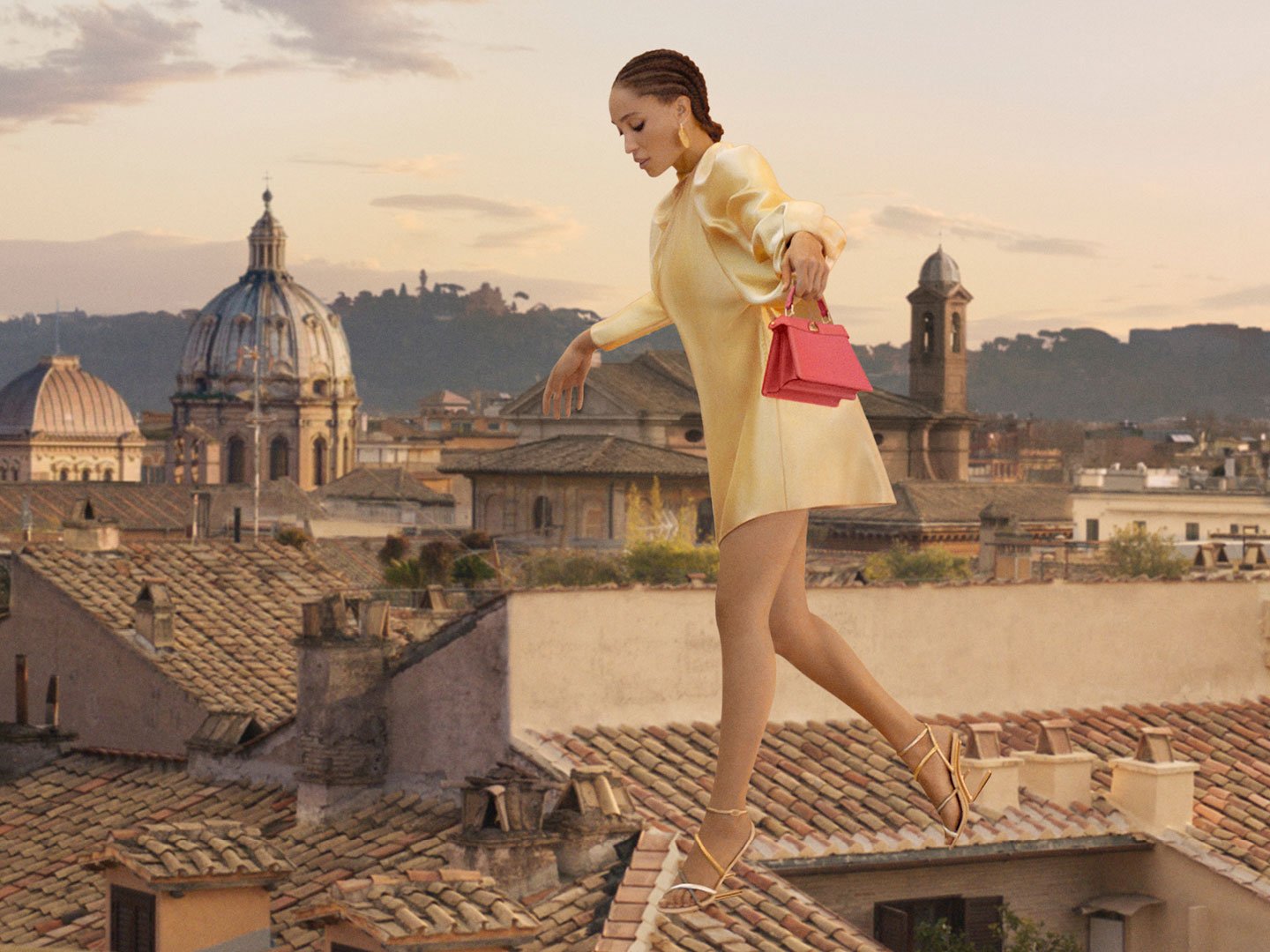
A bag should work while you are standing, walking, travelling and paying at a café—not only when it is posed in front of a mirror.
The Baguette often offers removable handles or straps, making it adaptable for shoulder, handheld and crossbody wear. The Peekaboo combines a top handle with a detachable shoulder strap, which is useful if you want a refined bag without sacrificing practicality.
Check four details in person where possible:
- Does the shoulder strap sit comfortably over your preferred outerwear?
- Is the closure quick enough for everyday use?
- Does the bag remain secure when worn crossbody?
- Is the hardware tone compatible with your jewellery and wardrobe?
The best first Fendi bag usually has at least two ways to carry it. That versatility makes it more useful across workdays, weekends and travel.
Think About Value as Wear, Not a Guarantee
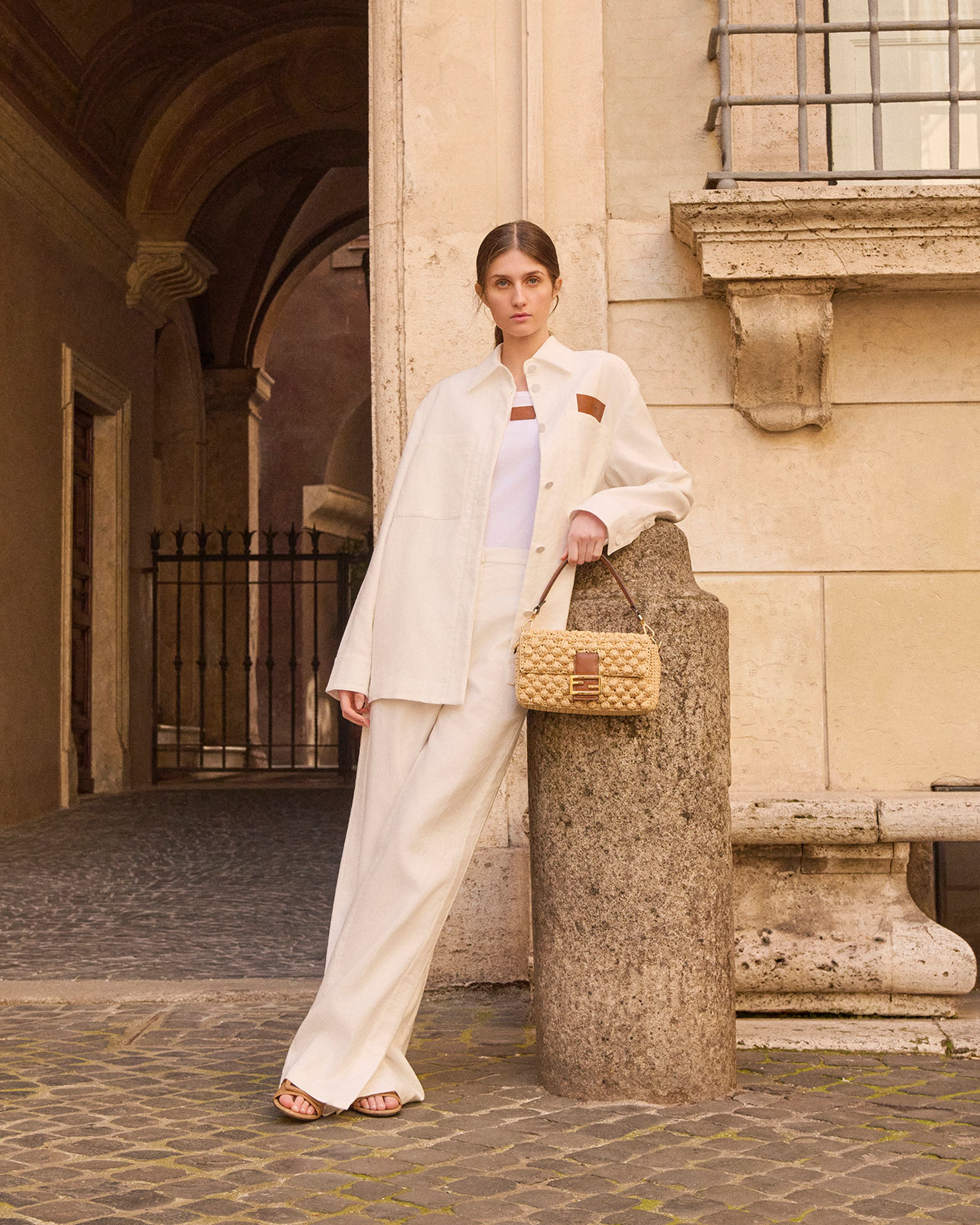
A Fendi Baguette or Peekaboo may have strong cultural recognition, but no luxury bag should be purchased solely on the assumption that it will retain value.
The more useful question is: how often will you reach for it?
A $3,000 bag used twice a week for several years can offer better personal value than a more expensive limited-edition style worn only once or twice. Choose a shape, colour and size you can imagine pairing with at least three outfits you already own.
For most first-time buyers, that means:
- Neutral leather over a highly seasonal colour
- A removable strap over a bag with one carry option
- Small or medium over ultra-mini
- Clean hardware over a heavily embellished finish
- Daily functionality over perceived rarity
Shop the Edit
Prices, colours, sizes and availability may change by market.
Pros and Cons
| Pros | Cons |
|---|---|
| Strong heritage across several iconic bag families | Many styles sit at a high luxury price point |
| Baguette, Peekaboo and By The Way offer distinct lifestyle options | Mini and petite sizes can have limited capacity |
| Available in discreet leather and expressive FF-logo versions | Soft nappa, suede and embellishment require more care |
| Most key designs offer multiple carrying options | Special editions may be harder to style long term |
| Italian craftsmanship and recognisable house hardware | Some structured bags can feel heavier than expected |
Final Verdict
Your first Fendi bag should be chosen through use, not pressure to buy the most famous style.
Choose the Baguette if you want a compact icon with personality and strong day-to-evening versatility. Choose the Peekaboo if your wardrobe is polished, structured and more focused on quiet craftsmanship. Choose the By The Way Soft if practicality matters most, or the Fendigraphy if you want a clearly visible Fendi statement.
For most shoppers, the strongest first purchase is a small or medium leather bag in black, brown, cream or a deep seasonal neutral. It will work across more outfits, survive changing trends and give you the best chance of carrying it often.
The right Fendi bag does not need to be the loudest one in the boutique. It simply needs to feel like the piece your wardrobe has been waiting for.
