
TL;DR
Chanel’s high prices are driven by hand-crafted production, century-old heritage, controlled scarcity, strategic price increases, and unparalleled brand power—not just materials.
Table of Contents
Introduction
Few luxury houses command the same reverence—and price tags—as Chanel. From iconic handbags to haute couture, Chanel’s pricing consistently sparks curiosity and debate.
The reality is that Chanel’s cost reflects far more than materials alone. It is the result of uncompromising craftsmanship, a century of cultural authority, carefully managed scarcity, and one of the most powerful brand identities in modern luxury.
This guide explains the real reasons Chanel is so expensive—and why the brand continues to justify its premium.
1. Craftsmanship That Goes Beyond Standard Luxury
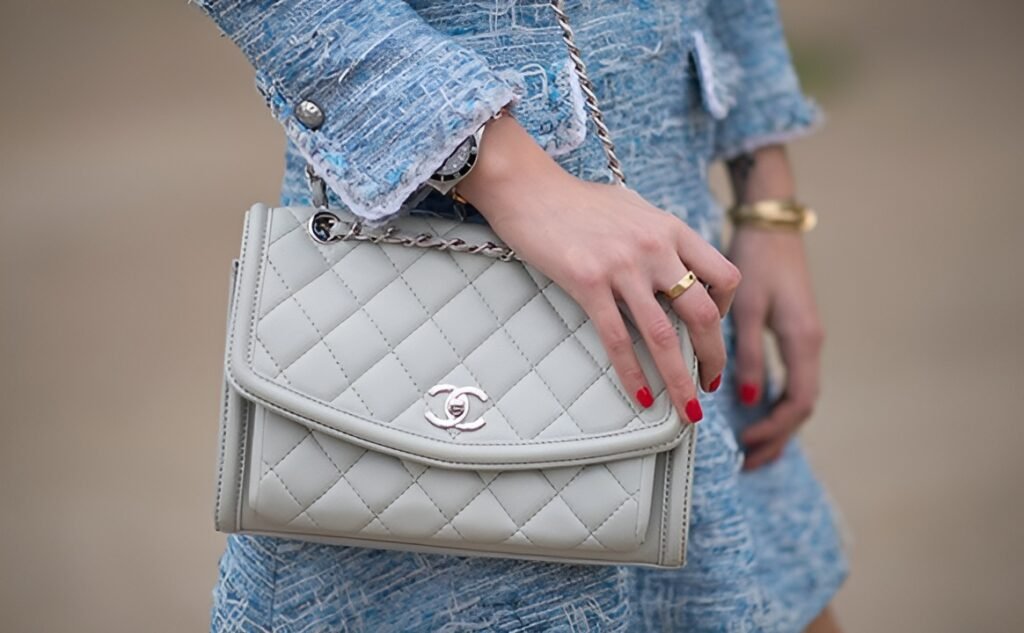
Chanel operates at a level of craftsmanship that resists industrial scaling. Many of its products—particularly handbags, couture, and select ready-to-wear—are hand-assembled by skilled artisans in France and Italy.
What drives the cost:
- meticulous hand-finishing and stitching standards
- specialist ateliers for embroidery, tweed, and leather
- longer production timelines than mass-luxury brands
- rigorous quality control with high rejection thresholds
This labor-intensive approach significantly increases production costs, but ensures durability, consistency, and refinement across generations.
2. Heritage That Creates Cultural Authority
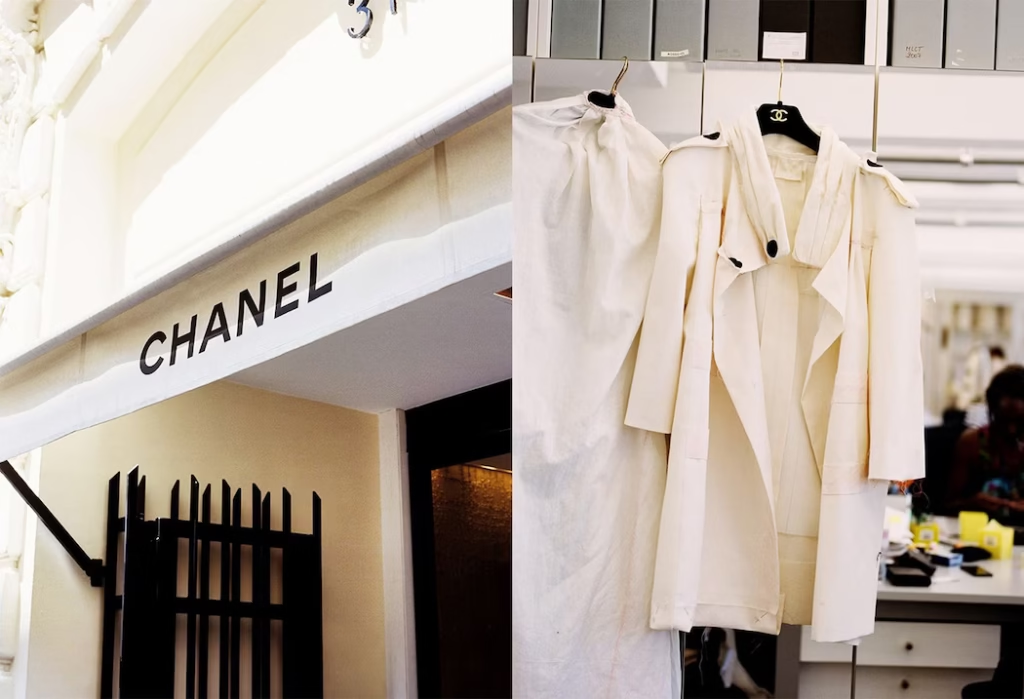
Founded in 1910 by Gabrielle “Coco” Chanel, the house reshaped modern fashion—introducing functional elegance, relaxed tailoring, and timeless silhouettes.
Heritage matters because it:
- anchors Chanel in fashion history, not seasonal trends
- provides credibility that newer luxury brands cannot replicate
- allows the brand to draw from a century of recognizable design codes
When consumers buy Chanel, they are buying into an established cultural legacy—not a passing aesthetic.
3. Scarcity Through Controlled Distribution
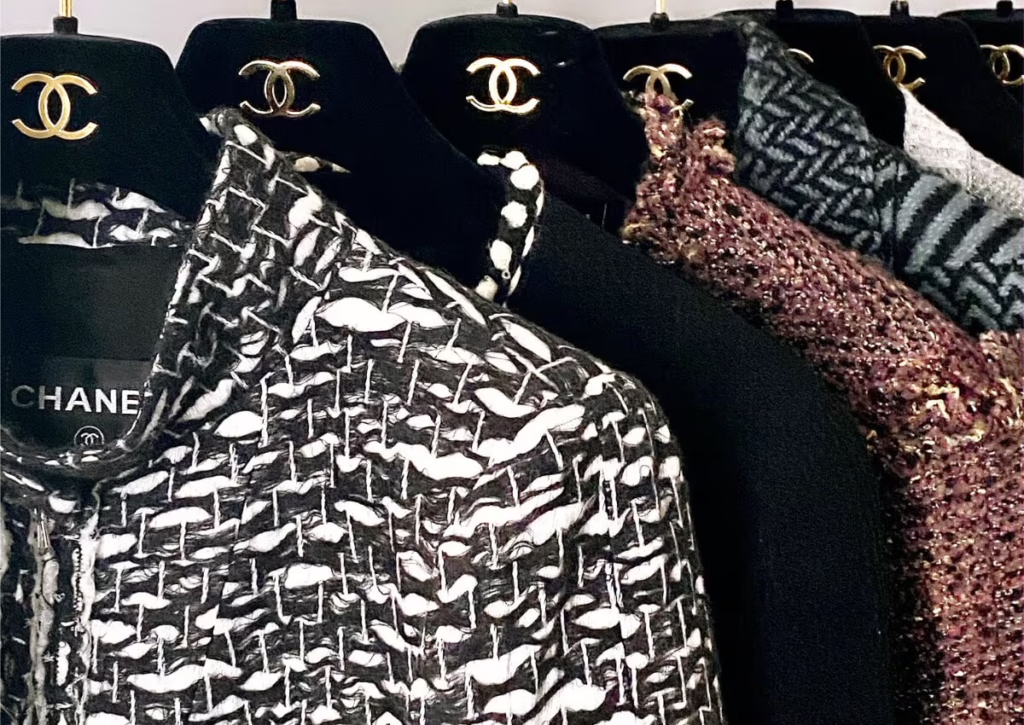
Chanel is privately owned and fiercely independent. Unlike many luxury brands, it tightly controls how products reach consumers.
Key distribution strategies include:
- limited production volumes
- boutique-only access for core handbags
- no seasonal sales or widespread discounting
- selective global availability
This scarcity is structural, not promotional—protecting desirability, pricing power, and long-term brand equity.
4. Strategic Price Increases as Positioning
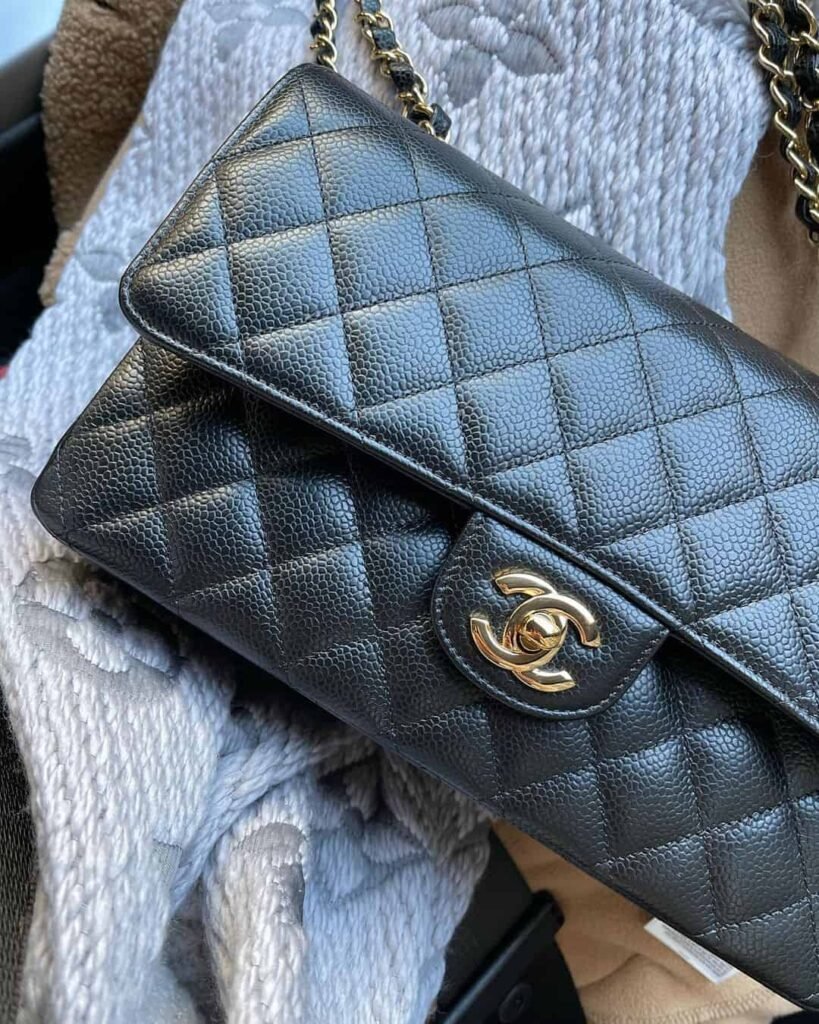
Chanel’s regular price increases are intentional. Over the past decade, the brand has steadily repositioned itself closer to ultra-luxury territory.
Why Chanel raises prices:
- to limit overexposure of iconic models
- to reinforce exclusivity and status
- to absorb rising production and operational costs
- to preserve resale value and long-term perception
In luxury, price is part of the message—and Chanel uses it as a strategic signal.
5. Brand Power That Extends Beyond Product
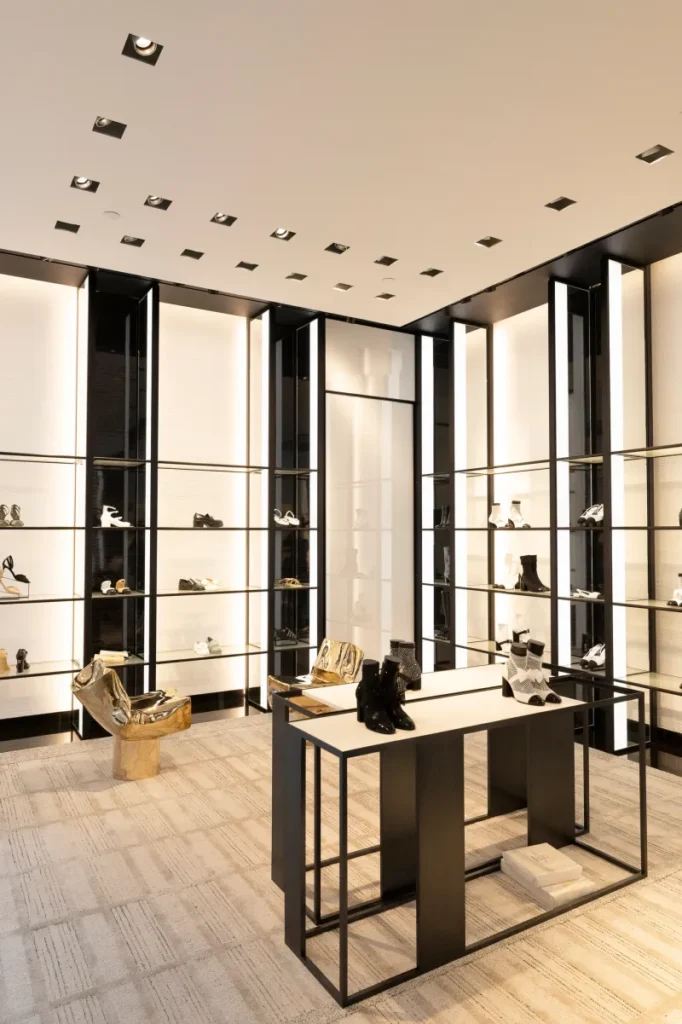
Chanel’s greatest asset is not a handbag—it is brand power. Few names carry the same recognition across fashion, beauty, cinema, and culture.
This power comes from:
- consistent visual codes (tweed, quilting, chain straps)
- tightly controlled storytelling across all categories
- emotional loyalty built over decades
- deep association with art, film, and high society
This cultural capital allows Chanel to command prices that most brands cannot justify.
Is Chanel Worth the Price?
That depends on what the buyer values.
Chanel appeals to those who prioritize:
- craftsmanship over trend cycles
- heritage over novelty
- understated status over overt branding
- long-term desirability rather than instant gratification
For consumers seeking experimentation, accessibility, or frequent change, Chanel may feel excessive. Luxury, by design, is selective.
Shop the Edit: Chanel Icons
Timeless pieces that define Chanel’s luxury positioning.
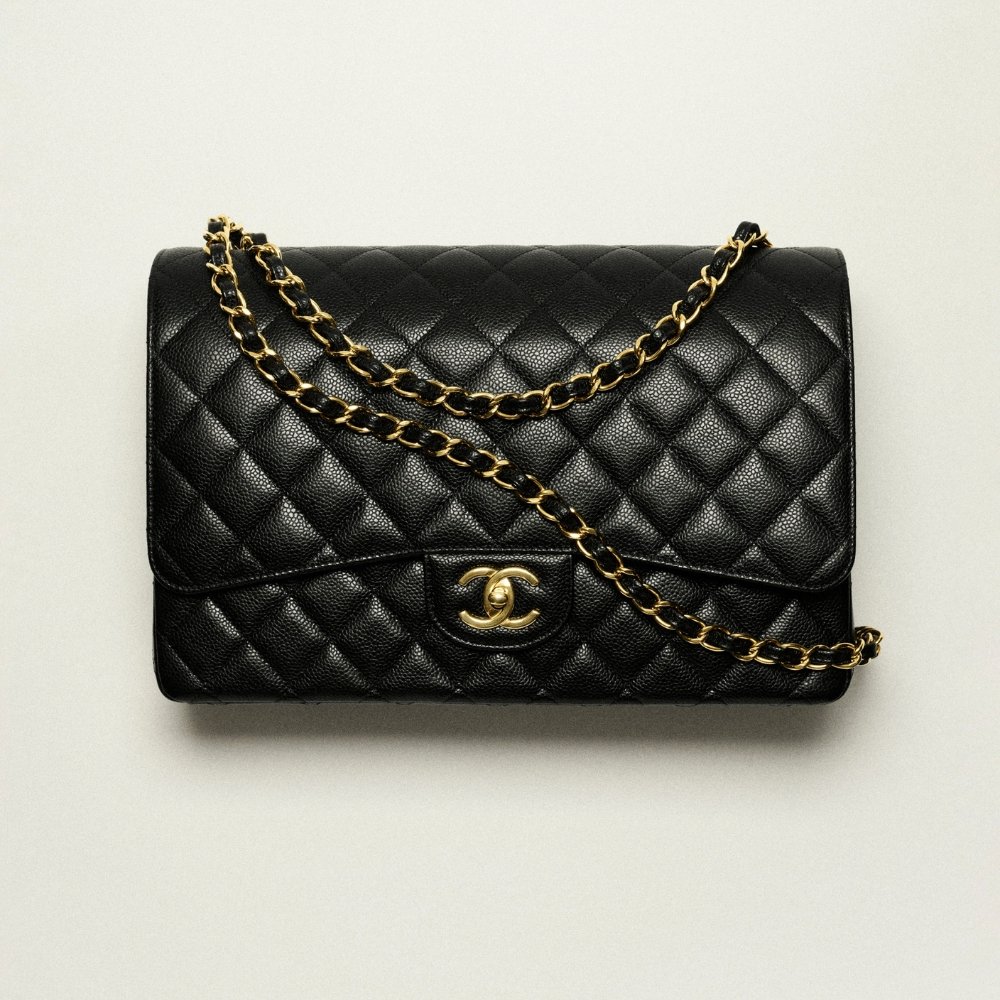
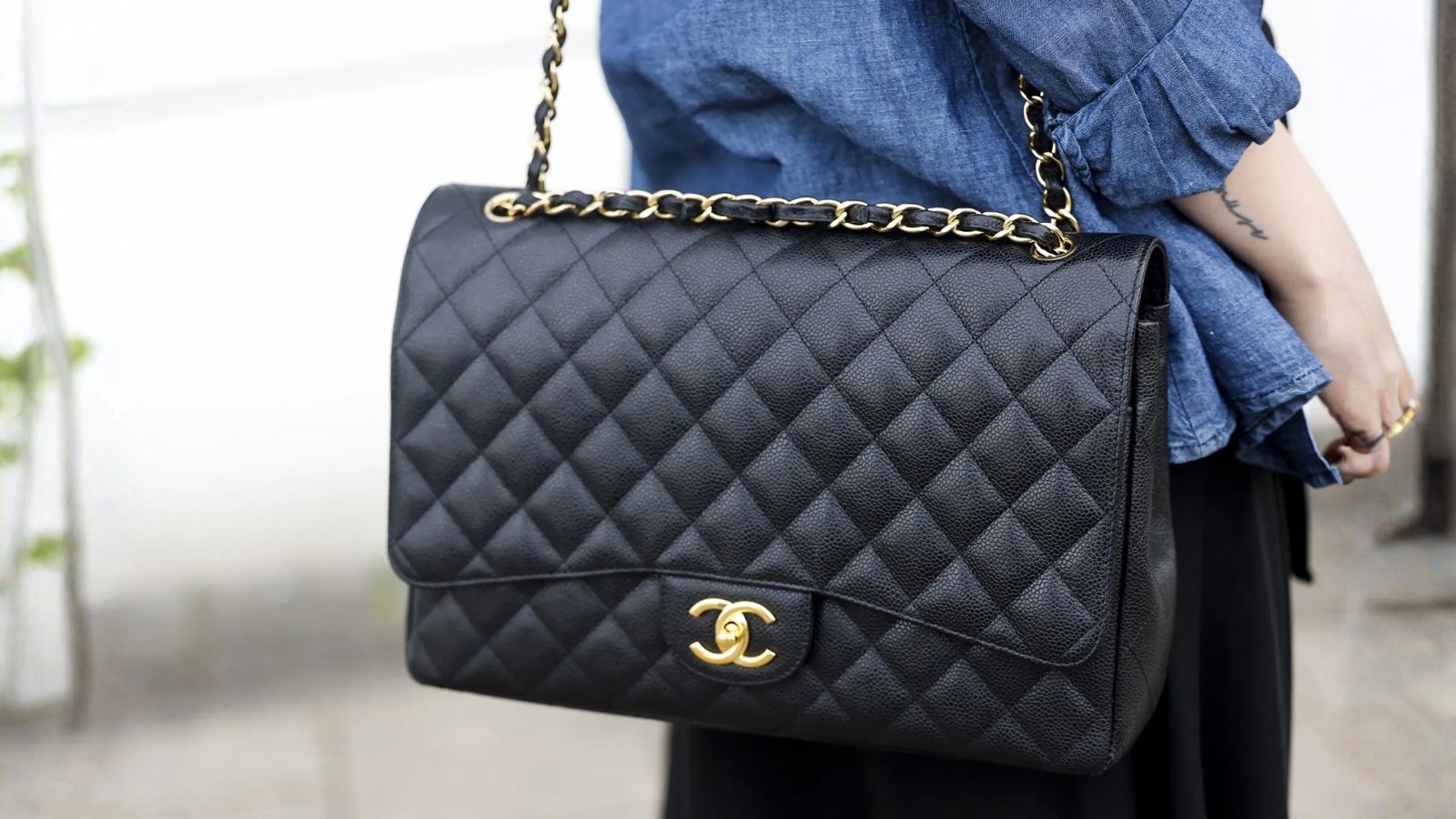
Chanel Classic Flap Bag
The house’s most iconic design, prized for craftsmanship, symbolism, and resale strength.
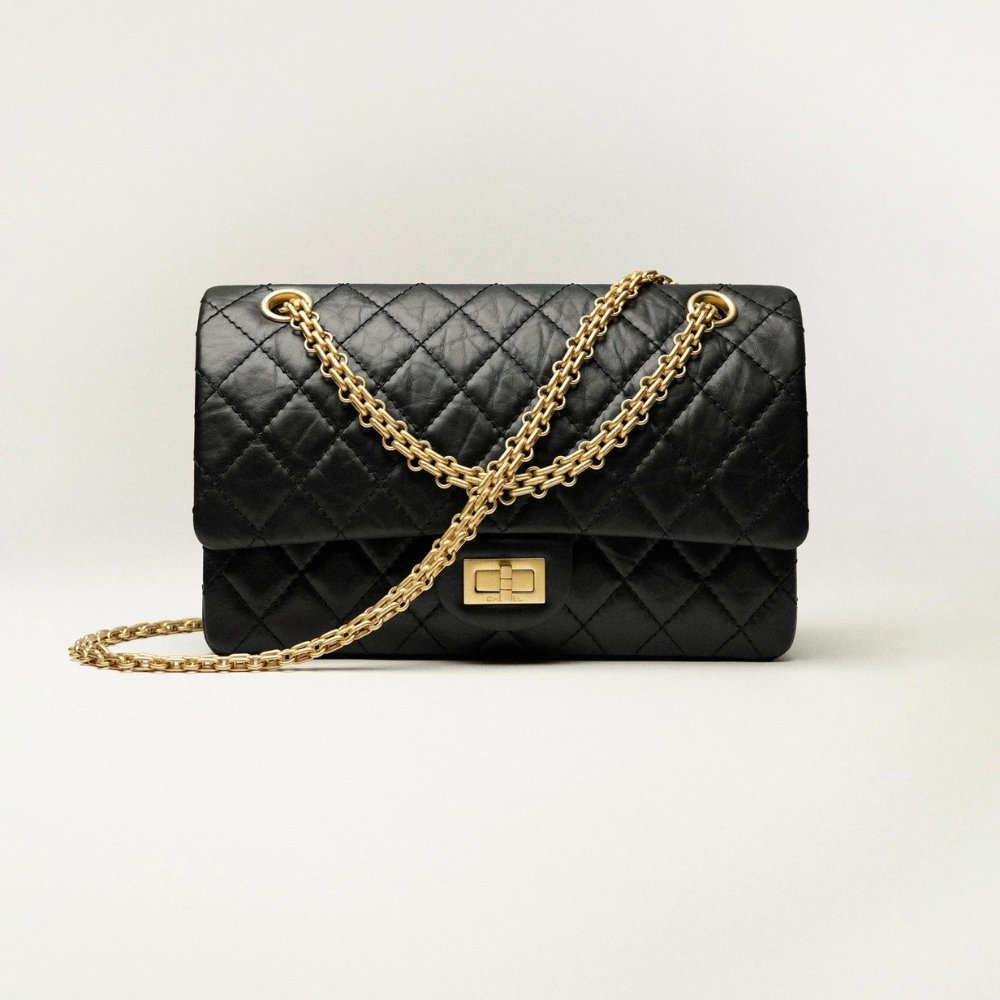
Chanel 2.55 Reissue
A heritage-driven model rooted in Coco Chanel’s original design philosophy.
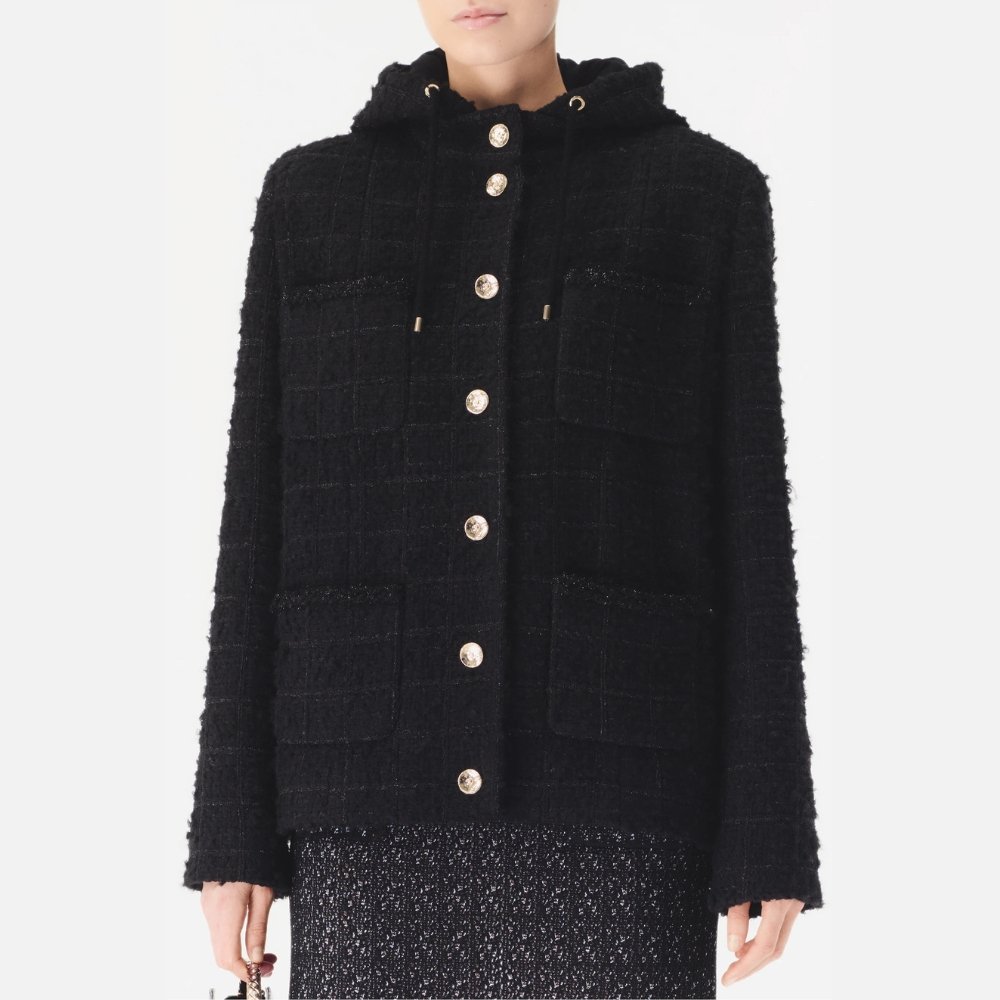
Chanel Tweed Jacket
A fashion emblem that blends comfort, structure, and Parisian elegance.
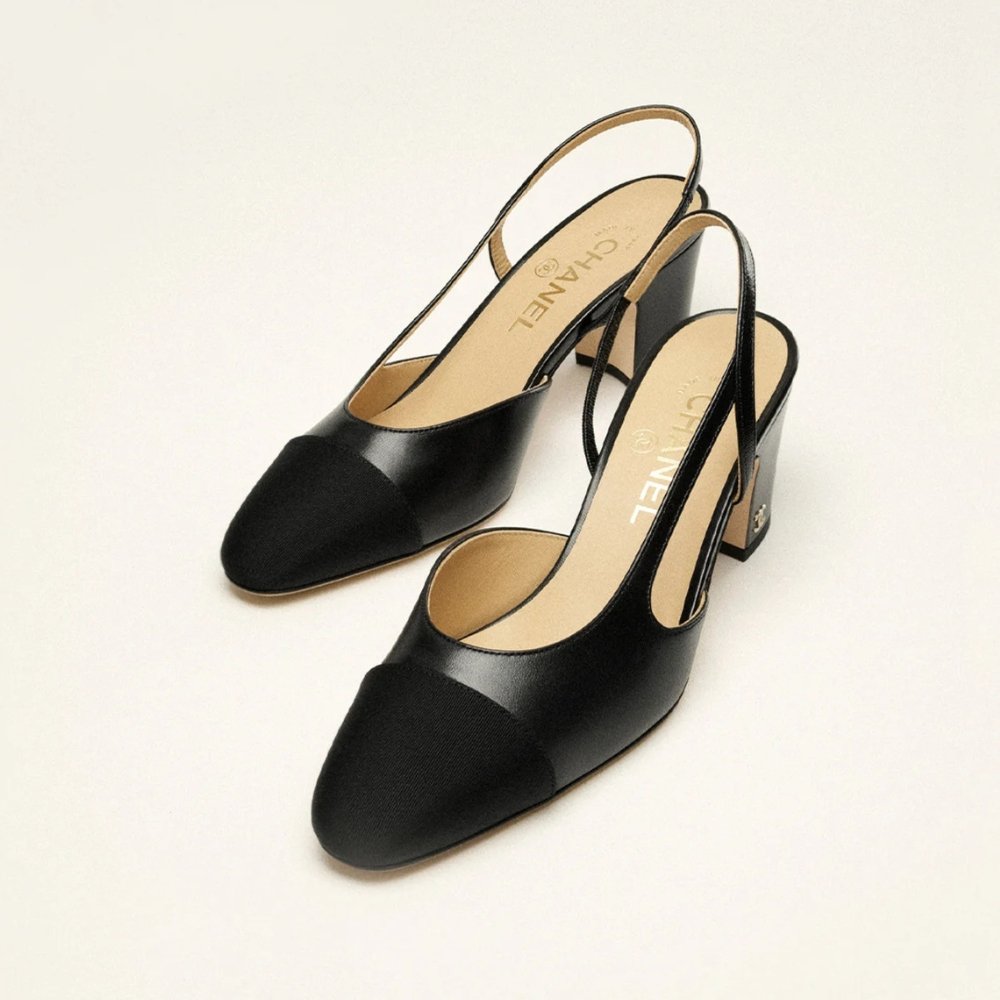
Chanel Slingback Shoes
Minimal, timeless, and instantly recognizable—an everyday Chanel classic.
Final Thoughts
Chanel is expensive because it has deliberately chosen to be. Through exceptional craftsmanship, irreplaceable heritage, controlled scarcity, and unmatched brand power, Chanel sits firmly at the top of modern luxury.
In a fashion industry driven by speed and visibility, Chanel’s restraint—and consistency—remain its greatest luxury.
