
TL;DR
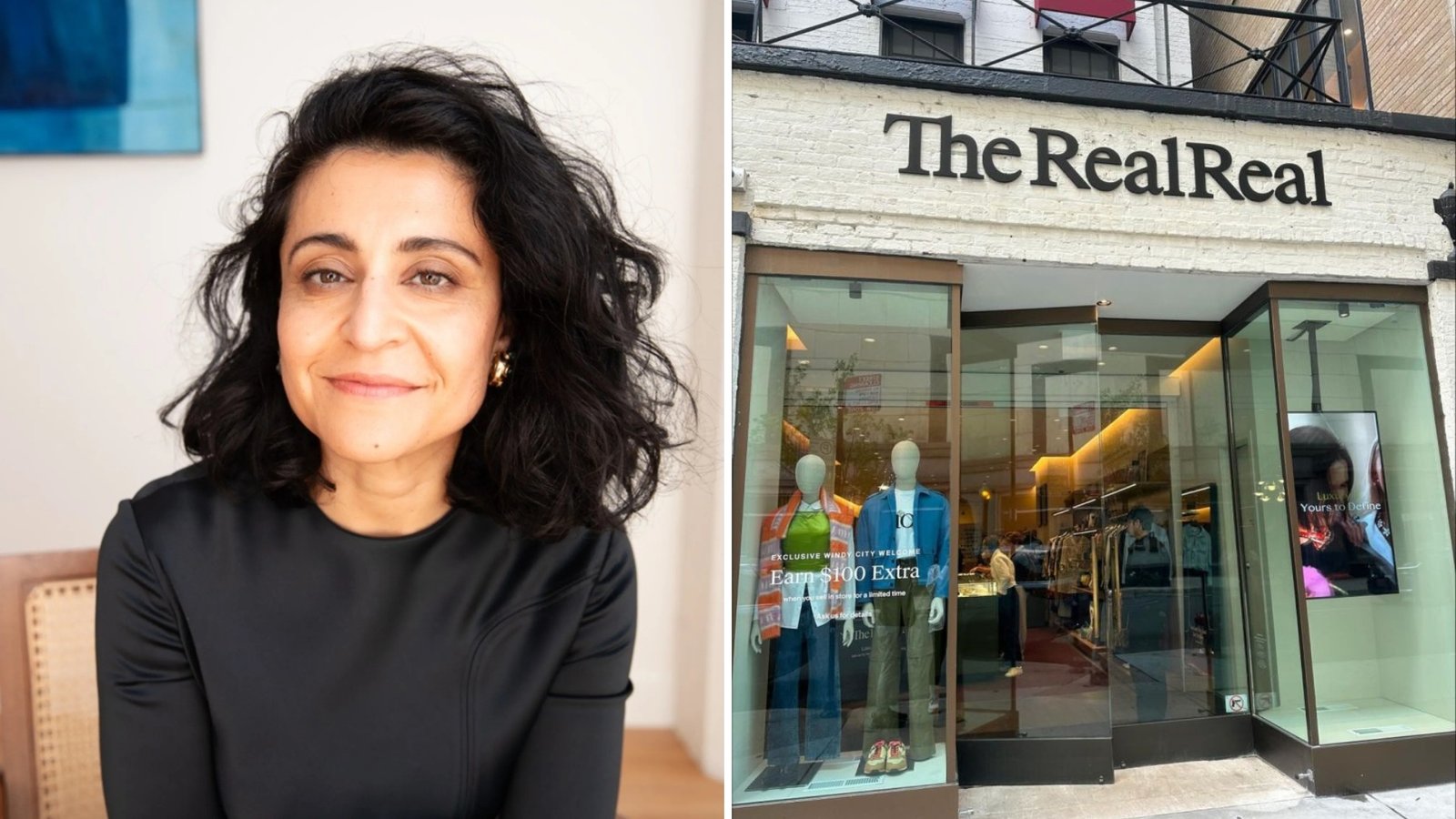
The RealReal’s CEO Rati Sahi Levesque explains how the luxury resale platform is capitalising on rising primary market prices and shifting consumer behaviour in 2026 — establishing resale not only as a sustainable trend but as a core strategic pillar for fashion’s evolving ecosystem.
At a Glance
- The RealReal’s CEO Rati Sahi Levesque discusses the company’s role as the luxury resale market accelerates amid rising costs and shifting consumer behaviour.
- Resale is expanding as consumers seek value alternatives to premium luxury, driven by price sensitivity and cultural shifts.
- The RealReal is strategically enhancing its AI, authentication, and inventory systems to capitalise on growth opportunities.
- Secondary fashion is moving from niche play to mainstream commerce and strategic channel for brands and retailers.
Editorial Perspective
In the evolving landscape of global fashion, 2026 marks a pivotal moment for resale — one where secondhand luxury becomes both a growth engine and consumer reality. According to CEO Rati Sahi Levesque, The RealReal has transitioned from a niche consignment platform to a strategic player responding to consumer value imperatives, elevated pricing in primary markets, and broader industry turbulence.
Her insights — shared as part of The State of Fashion 2026 report — illuminate why resale is no longer peripheral but central to how fashion ecosystems adapt to rising costs and changing shopper expectations.
Why Resale Is Gaining Momentum
Levesque highlights several converging forces that are reshaping consumer behaviour:
* Affordability pressures: As luxury prices climb — due in part to tariffs, inflation, and premium positioning — consumers are increasingly attracted to resale as a value-driven alternative.
* Value perception: More shoppers are asking, “Why not participate in the circular economy first?” before buying new luxury, reflecting a profound shift in purchase logic.
* Cultural relevance: Even traditional luxury buyers are exploring resale, blending cost-sensitivity with quest for unique and authenticated high-end pieces.
This shift has broader implications than simple price competition — it embodies a rethinking of what value means in luxury fashion in 2026.
Strategic Evolution at The RealReal
Under Levesque’s leadership, The RealReal has intensified its focus on operational discipline and strategic optimisation:
* AI integration: The platform is leveraging AI to enhance authentication and streamline supply intake, improving both trust and efficiency across the marketplace.
* Commission efficiencies: Changes to commission structures prioritise higher-value items, supporting stronger profit margins while filtering out less valuable inventory.
* Global expansion efforts: Strengthening international reach and diversifying consignor networks help the business scale beyond traditional markets.
These moves align resale operations with the demands of a more competitive, data-driven global fashion system.
Resale as Strategic Growth — Beyond Sustainability
While resale has long been tied to sustainability narratives, Levesque frames its growth as strategic commercial relevance:
- Resale absorbs demand displaced from new luxury due to rising price points.
- Brands and retailers increasingly view secondhand channels as extensions of their market footprint, not just peripheral experiments.
- Consumer preference for unique and authenticated pieces underscores resale’s cultural traction, particularly among younger, value-oriented cohorts.
This reflects a broader fashion ecosystem shift: resale is no longer reactionary — it is proactive, profitable, and strategic.
What This Means for Fashion Brands
The acceleration of the resale market in 2026 carries several clear implications for established fashion houses and emerging brands:
- Resale as demand indicator: Secondary market performance signals consumer affinity and long-term product desirability.
- Complementary strategy: Brands can integrate resale programmes to capture displaced demand and strengthen customer relationships.
- Relevance through authenticity: Platforms with robust authentication systems help protect brand integrity while expanding reach.
Levesque’s perspective suggests that resale is reshaping the value chain, forcing fashion companies to consider circular commerce as both a strategic opportunity and competitive category.
