

TL;DR
The Ray-Ban Meta Smart Glasses successfully blend classic eyewear design with modern smart features like camera, audio, and AI. They are genuinely useful in specific scenarios—especially for content capture and hands-free interaction—but still fall short of replacing your phone. Worth it for early adopters and lifestyle users, but not essential for everyone.
Table of Contents
Introduction
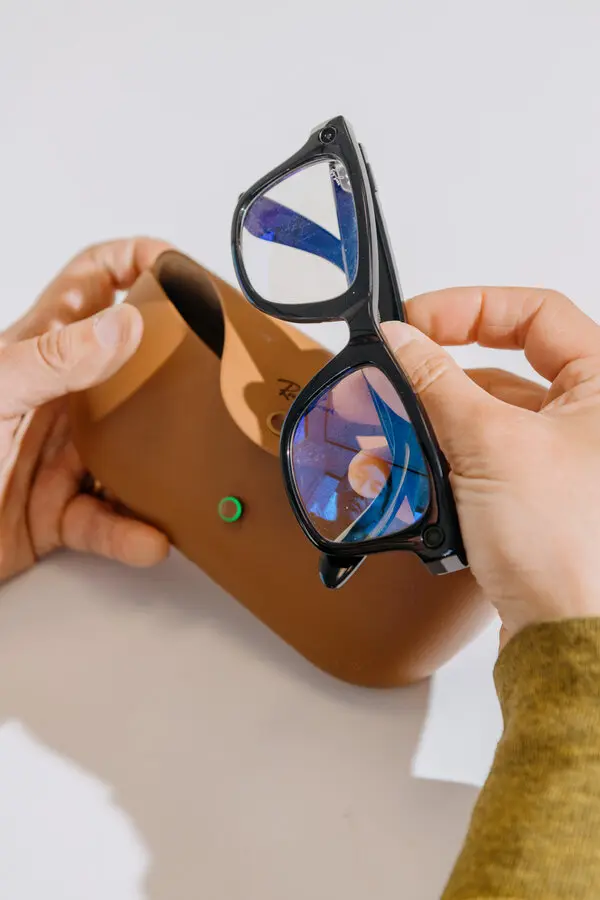
Smart glasses have long promised a future where technology seamlessly integrates into daily life. Yet for years, that promise has remained largely unfulfilled—either too futuristic, too bulky, or simply impractical.
The Ray-Ban Meta Smart Glasses aim to change that.
By combining the iconic design language of Ray-Ban with Meta’s technology ecosystem, these glasses position themselves not as experimental gadgets, but as wearable lifestyle products. They look like regular sunglasses—but quietly embed cameras, speakers, microphones, and AI capabilities.
That raises a critical question:
Are these truly useful everyday tools—or just another tech novelty?
This review breaks down the reality.
Design & Aesthetic: Where Fashion Wins First
The biggest success of the Ray-Ban Meta Smart Glasses is simple:
They look like normal glasses.
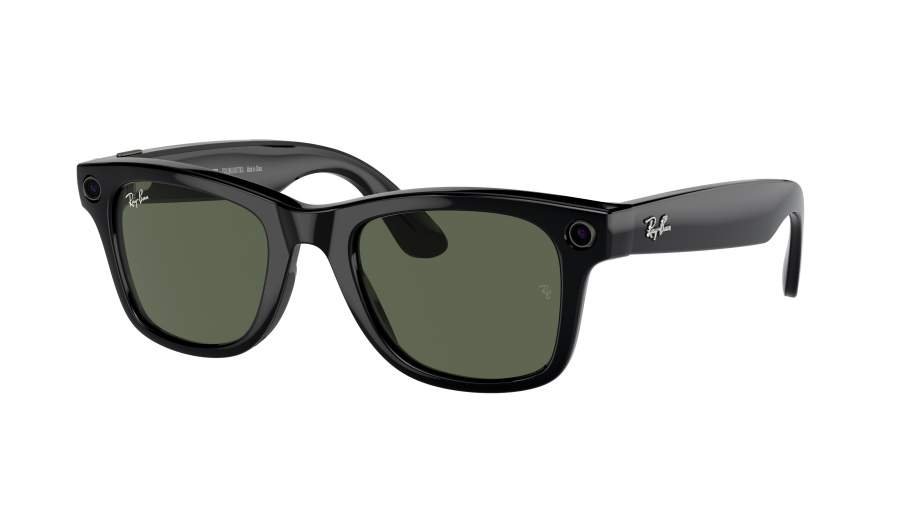
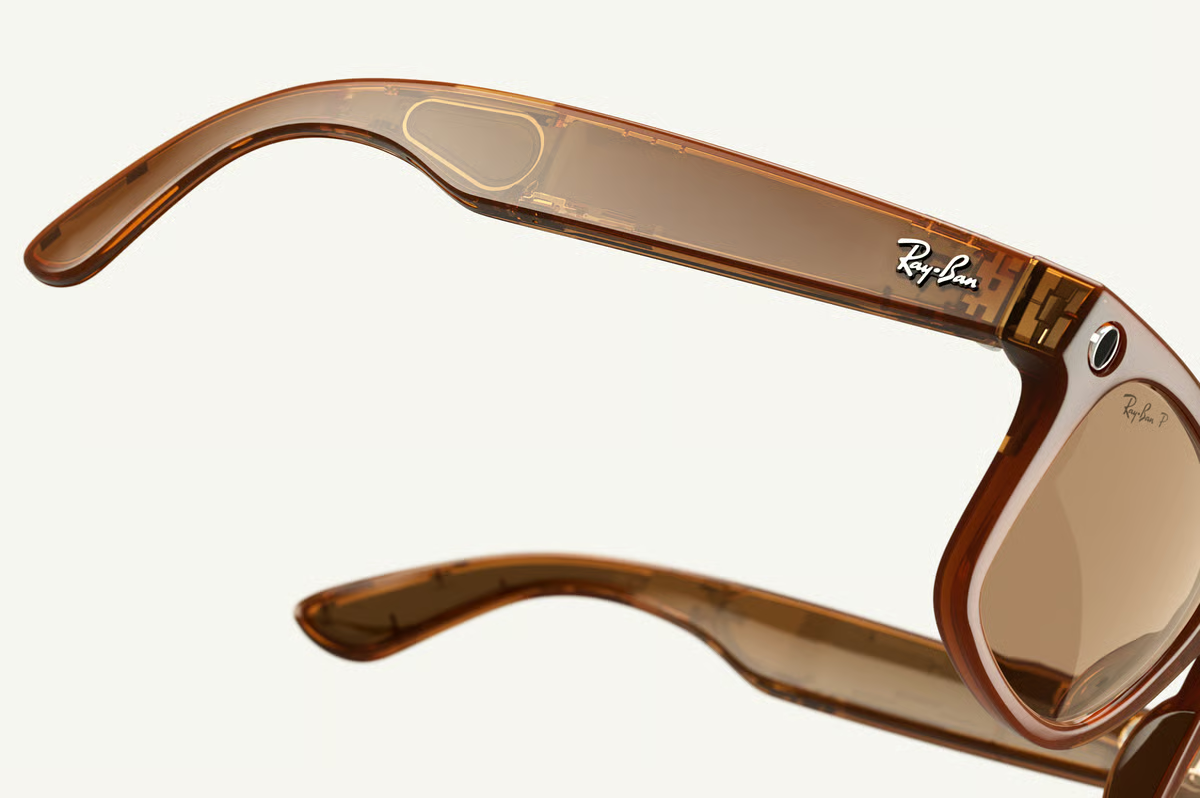
Available in classic Ray-Ban silhouettes such as Wayfarer and Headliner, the design feels familiar, wearable, and socially acceptable—something earlier smart glasses failed to achieve.
Key Design Highlights:
- Iconic Ray-Ban frame shapes
- Slightly thicker temples (to house tech)
- Subtle camera lens on the front
- Minimal visible branding
Unlike previous generations of wearable tech, these do not scream “gadget.” Instead, they blend into everyday style.
This is crucial—because if smart glasses don’t look good, they don’t get worn.
Build Quality & Hardware Integration
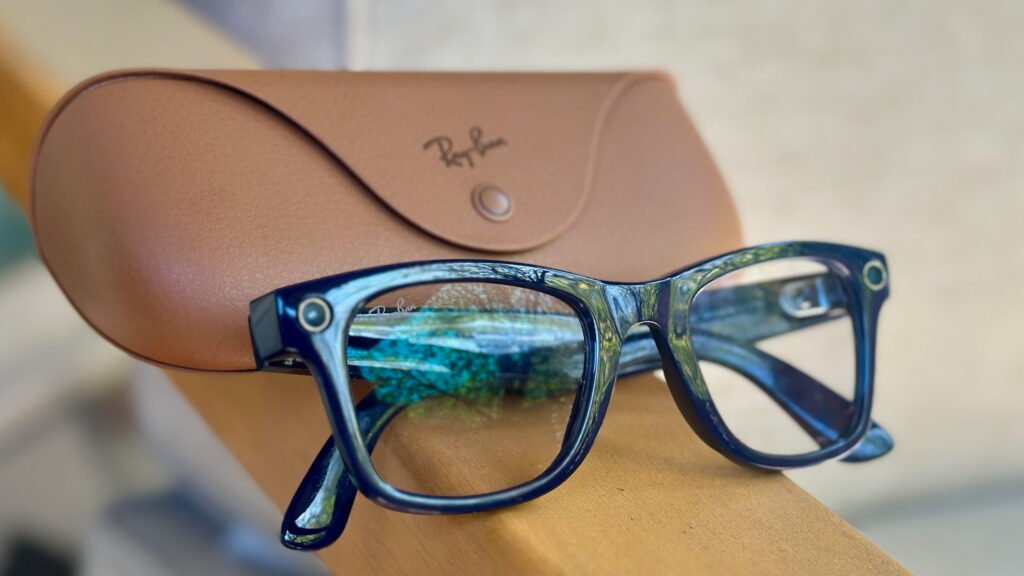
The Ray-Ban Meta Smart Glasses’ hardware integration is impressively seamless.
Key Components:
- Dual front-facing cameras
- Open-ear speakers embedded in arms
- Microphones for voice commands
- Touch controls on the temple
Despite packing multiple components, the glasses remain relatively balanced in weight.
The charging case also deserves attention—it acts like a wireless charging dock, extending battery life on the go.
This level of integration is what elevates the product from novelty to serious consumer tech.
Camera Performance: Useful or Overhyped?
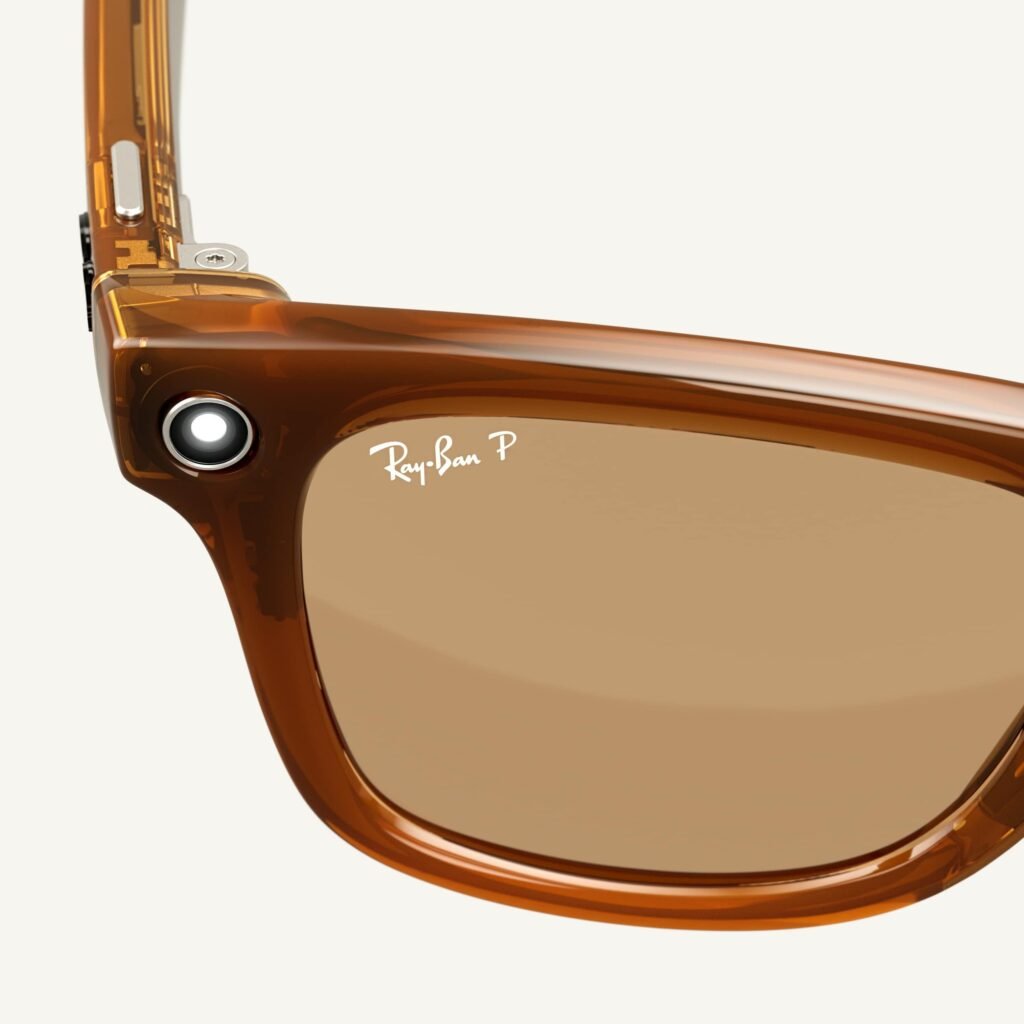
The Ray-Ban Meta Smart Glasses’ built-in camera is one of the headline features.
What It Does Well:
- Hands-free photo and video capture
- Natural POV (point-of-view) perspective
- Quick access via button or voice
This makes it ideal for:
- Travel moments
- Social media content
- Everyday documentation
Limitations:
- Quality is good—but not smartphone level
- Low-light performance is average
- Limited creative control
The camera is not designed to replace your phone. Instead, it offers convenience over perfection.
Audio Experience: Surprisingly Strong
Audio is where the Ray-Ban Meta Smart Glasses quietly excel.
Features:
- Open-ear speakers
- Music playback
- Phone calls
- Voice assistant integration
Performance:
- Clear sound in quiet environments
- Minimal sound leakage at moderate volume
- Convenient for quick calls or podcasts
Compared to traditional earbuds, the experience is less immersive—but more socially aware and convenient.
AI & Smart Features: The Real Differentiator
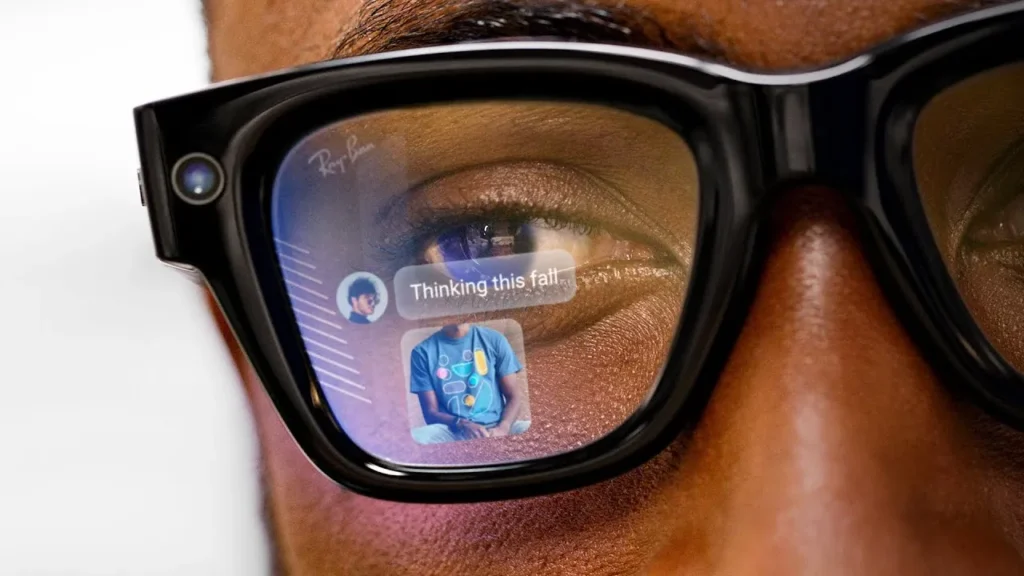
The inclusion of AI features is what pushes this product beyond simple smart glasses.
Capabilities:
- Voice commands (“Hey Meta…”)
- Real-time assistance
- Information queries
- Basic contextual awareness
This allows users to interact with technology without reaching for their phone.
However, current limitations remain:
- AI responses are not always fast
- Context awareness is still developing
- Functionality depends on ecosystem integration
The potential is strong—but execution is still evolving.
Wearability & Daily Use

In real-world use, the Ray-Ban Meta Smart Glasses perform best in specific scenarios.
Where They Shine:
- Traveling
- Walking or commuting
- Social content creation
- Hands-free communication
Where They Fall Short:
- All-day battery limitations
- Not ideal for long recording sessions
- Still requires phone for full functionality
They enhance daily life—but do not replace existing devices.
Battery Life & Practicality
Battery life is one of the key trade-offs.
- Several hours of mixed usage
- Shorter when using camera heavily
- Charging case extends usability
This makes them suitable for casual, intermittent use—not continuous operation.
Styling Versatility

Unlike most tech products, the Ray-Ban Meta Smart Glasses integrate naturally into fashion.
Works Best With:
- Casual outfits
- Travel styling
- Minimalist wardrobes
Because they look like traditional sunglasses, they adapt easily across different looks—making them one of the few fashion-first tech accessories.
Value & Positioning
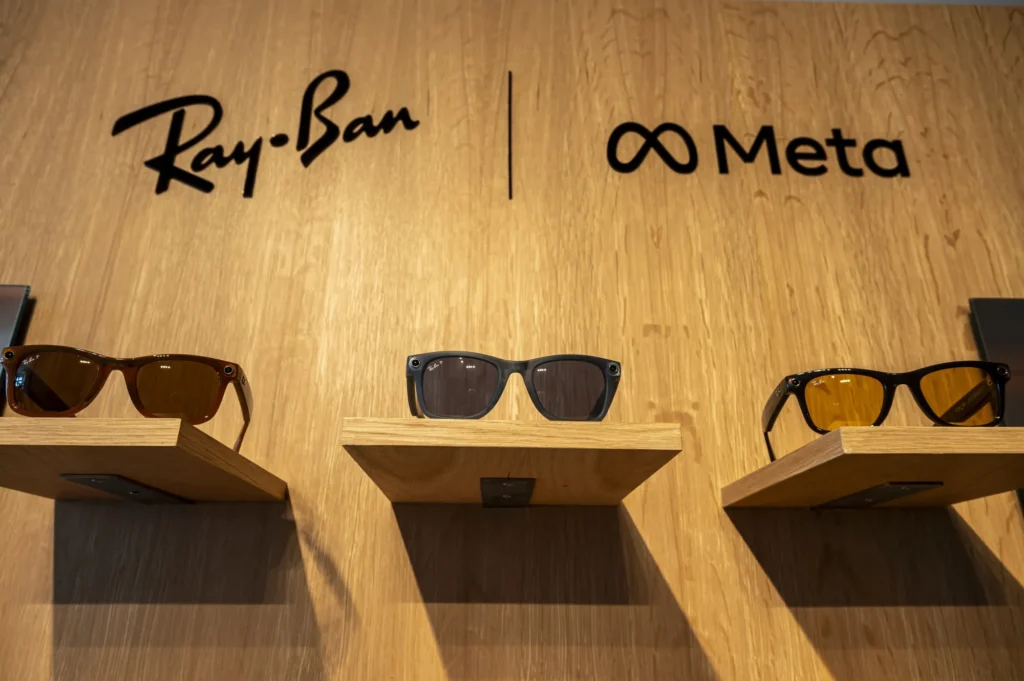
Pricing Position:
- Premium compared to regular sunglasses
- Affordable compared to advanced AR devices
Value Perspective:
- Combines eyewear + audio + camera + AI
- Offers convenience rather than necessity
This is not essential technology—it is lifestyle enhancement.
Shop The Edit
Editor’s Picks:
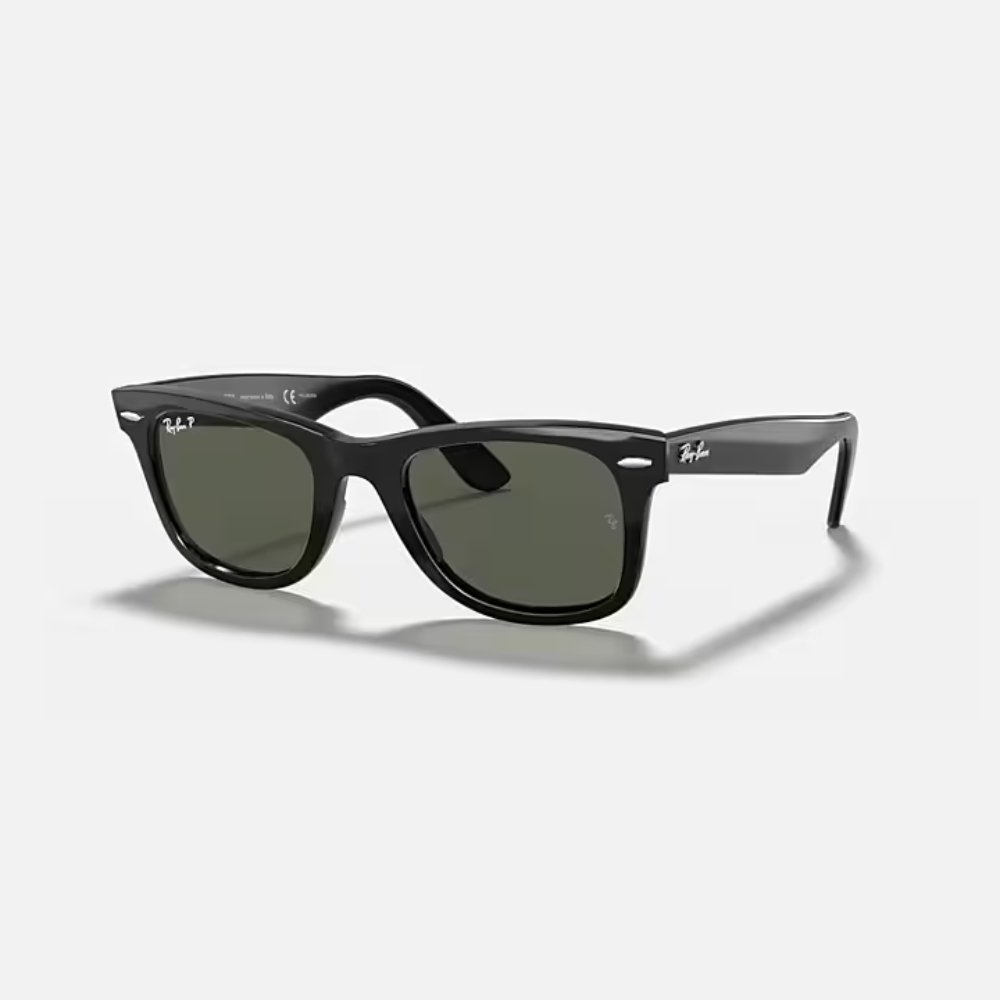
Wayfarer Black
Most classic and versatile
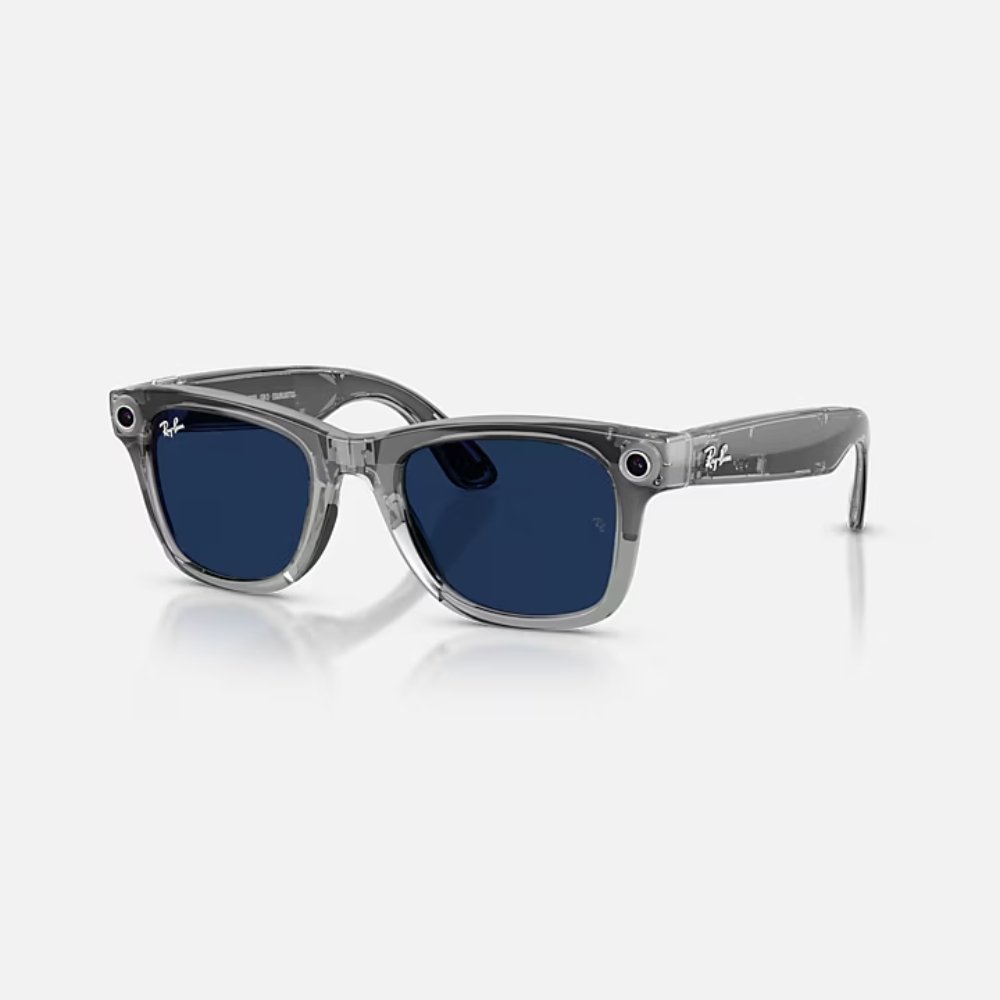
Transparent Frame
More tech-forward aesthetic
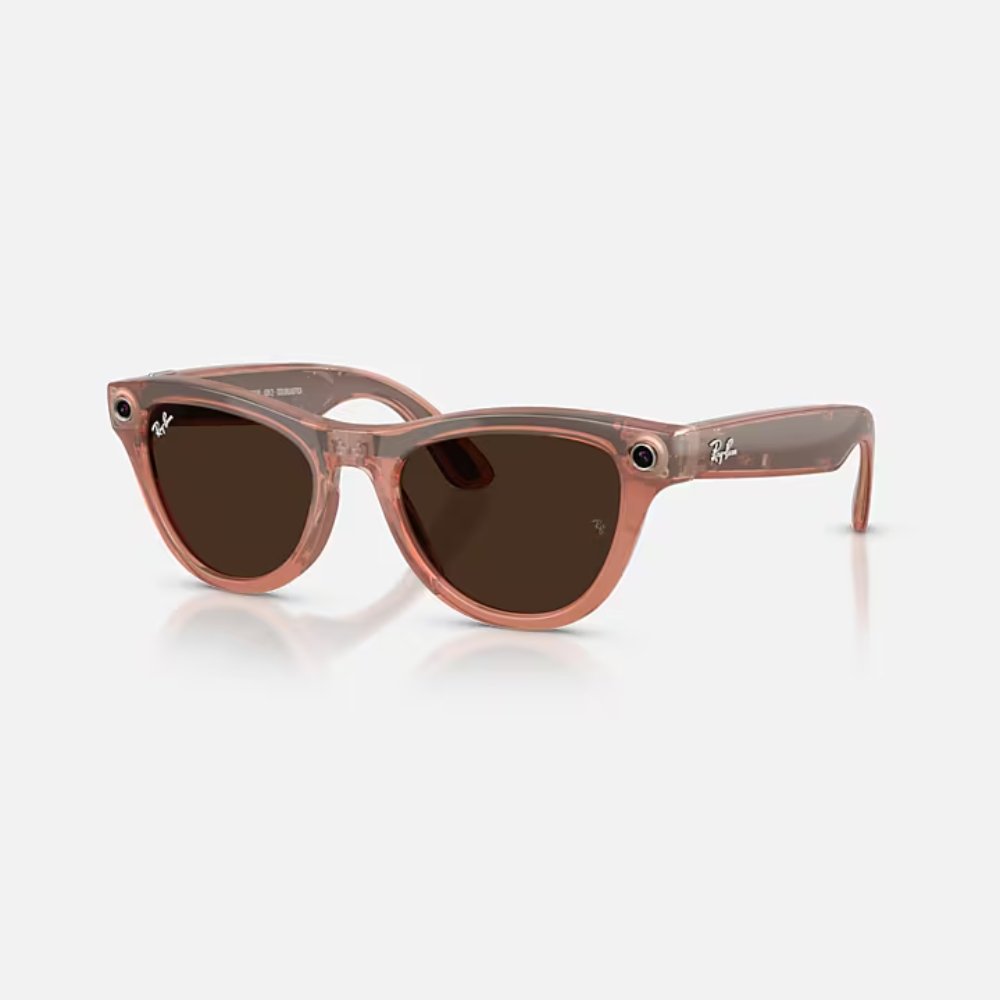
Polarized Lens Version
Best for outdoor use
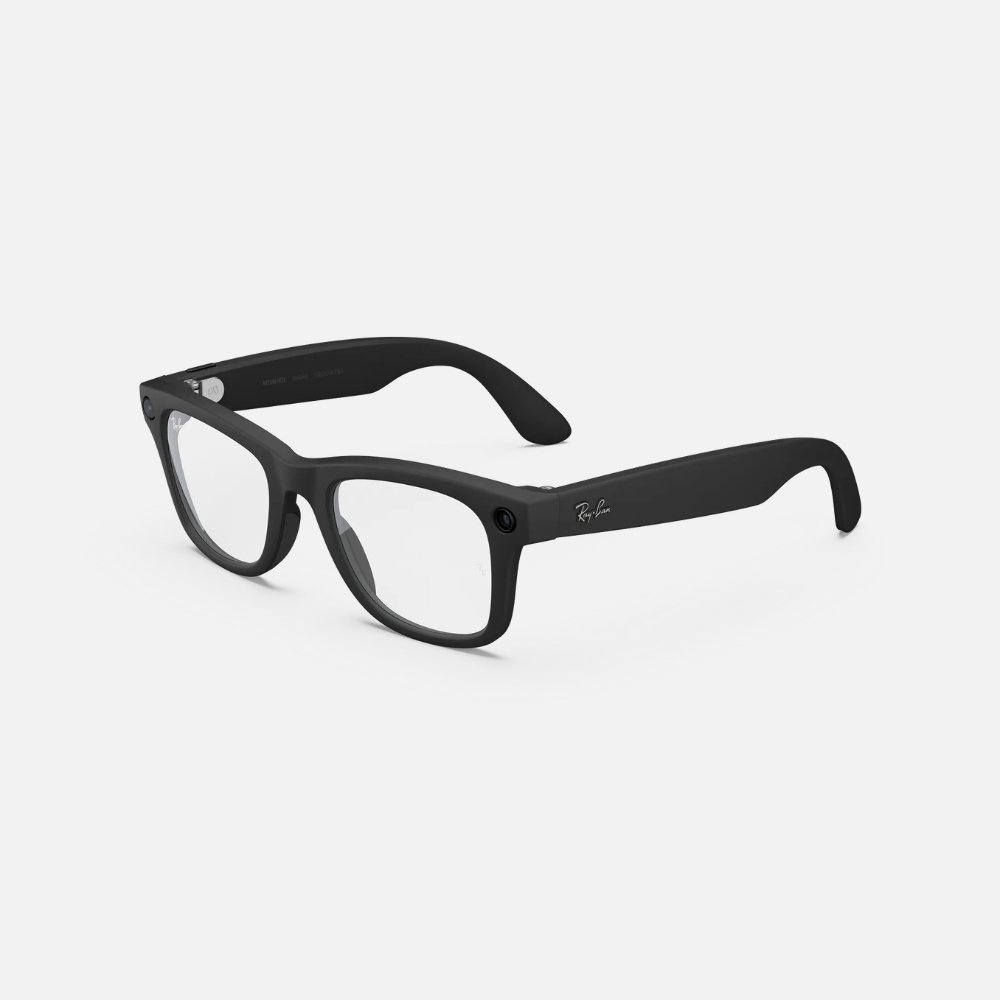
Clear Lens Version
Suitable for daily wear indoors
Pros & Cons
| Pros | Cons |
|---|---|
| Stylish, wearable design | Camera not phone-level |
| Hands-free convenience | Battery life limited |
| Strong audio performance | AI still evolving |
| Seamless tech integration | Not essential device |
Final Verdict: Smart Feature or Gimmick?

The Ray-Ban Meta Smart Glasses sit in an interesting space.
They are not a gimmick—but they are not yet essential.
They succeed in:
- Making smart glasses wearable
- Delivering real, usable features
- Bridging fashion and technology
But they still depend on:
- Your lifestyle
- Your use cases
- Your willingness to adopt new behavior
Final Answer:
They are a smart feature for the right user—especially content creators, travelers, and early adopters.
For everyone else, they remain an interesting but optional upgrade.
They don’t replace your phone.
They extend it—quietly, and sometimes impressively.
