Tuesday, July 21, 2026
Home Ray-Ban — Brand Profile
Ray-Ban

Ray-Ban

Website: ray-ban.com
Founded: 1936–1937, United States
Founder: Originally developed by Bausch & Lomb
Owned By: EssilorLuxottica
Known For: Aviator, Wayfarer, Clubmaster, Ray-Ban Meta
Category Focus: Sunglasses, eyeglasses, smart eyewear

Ray-Ban is one of the world’s most iconic eyewear brands, renowned for its legendary sunglasses, aviation heritage, and lasting influence on fashion, film, music, and popular culture. Originally created in 1936 by Bausch & Lomb, the brand evolved from military eyewear innovation into a global symbol of style and self-expression.

Known for blending technical performance, timeless design, and cultural relevance, Ray-Ban built a distinct identity around frames that transcend generations. From pilots and Hollywood actors to musicians and contemporary fashion icons, Ray-Ban has remained one of the most recognizable names in eyewear.

Today, Ray-Ban remains a cornerstone brand within EssilorLuxottica, balancing heritage design with innovation through products ranging from classic sunglasses to AI-powered smart glasses.

Iconic Ray-Ban Products

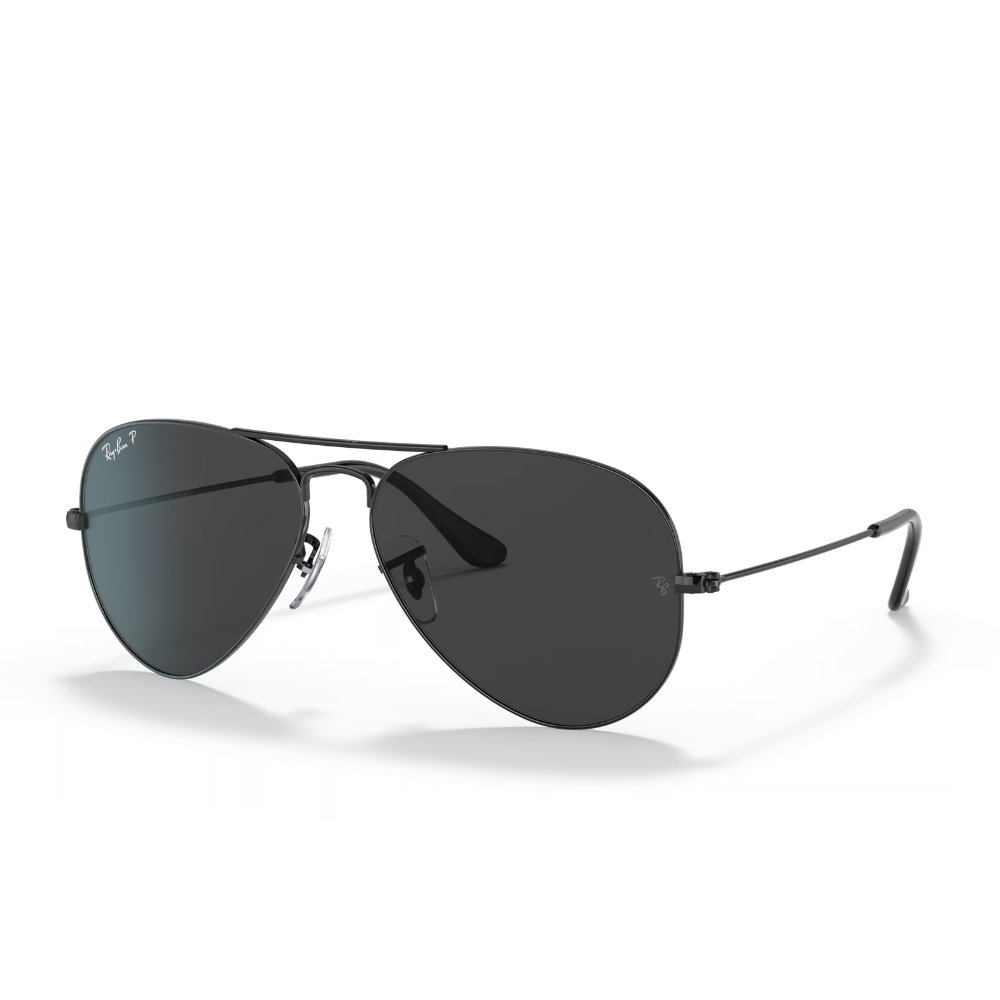
Ray-Ban Aviator

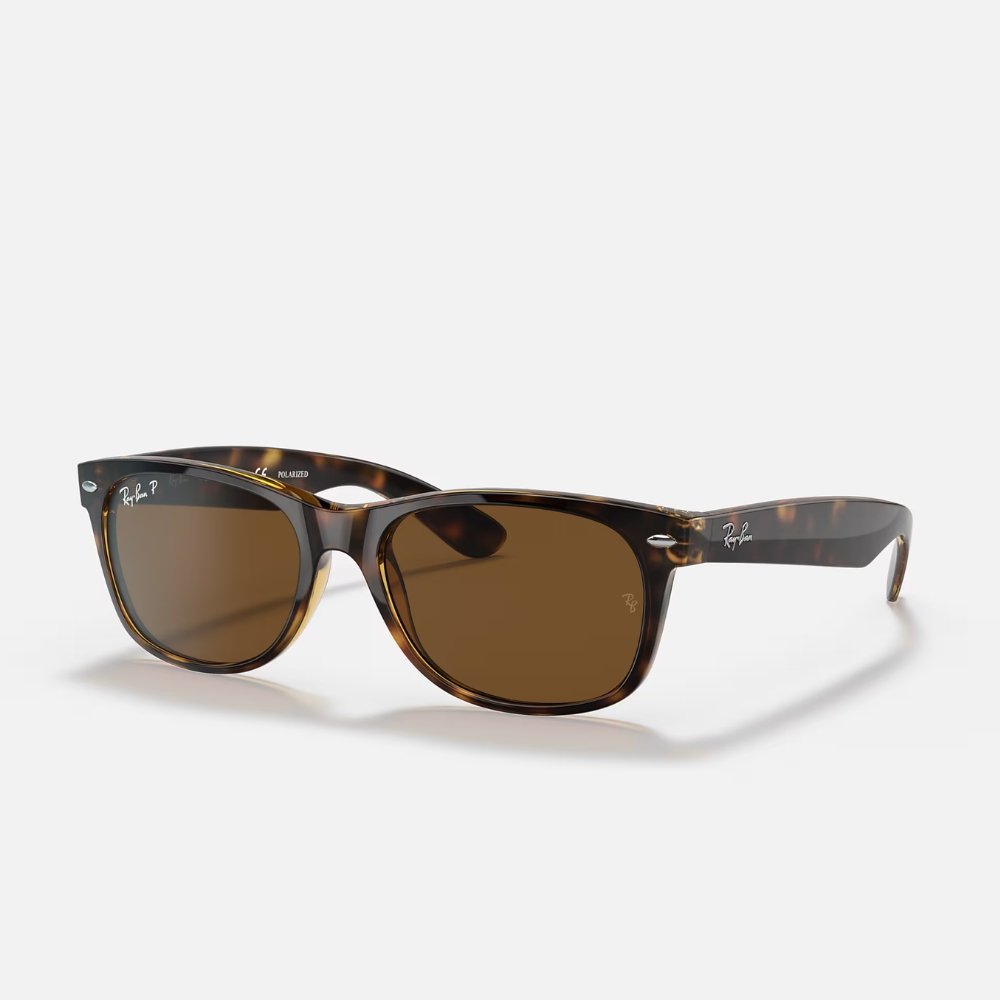
Ray-Ban Wayfarer

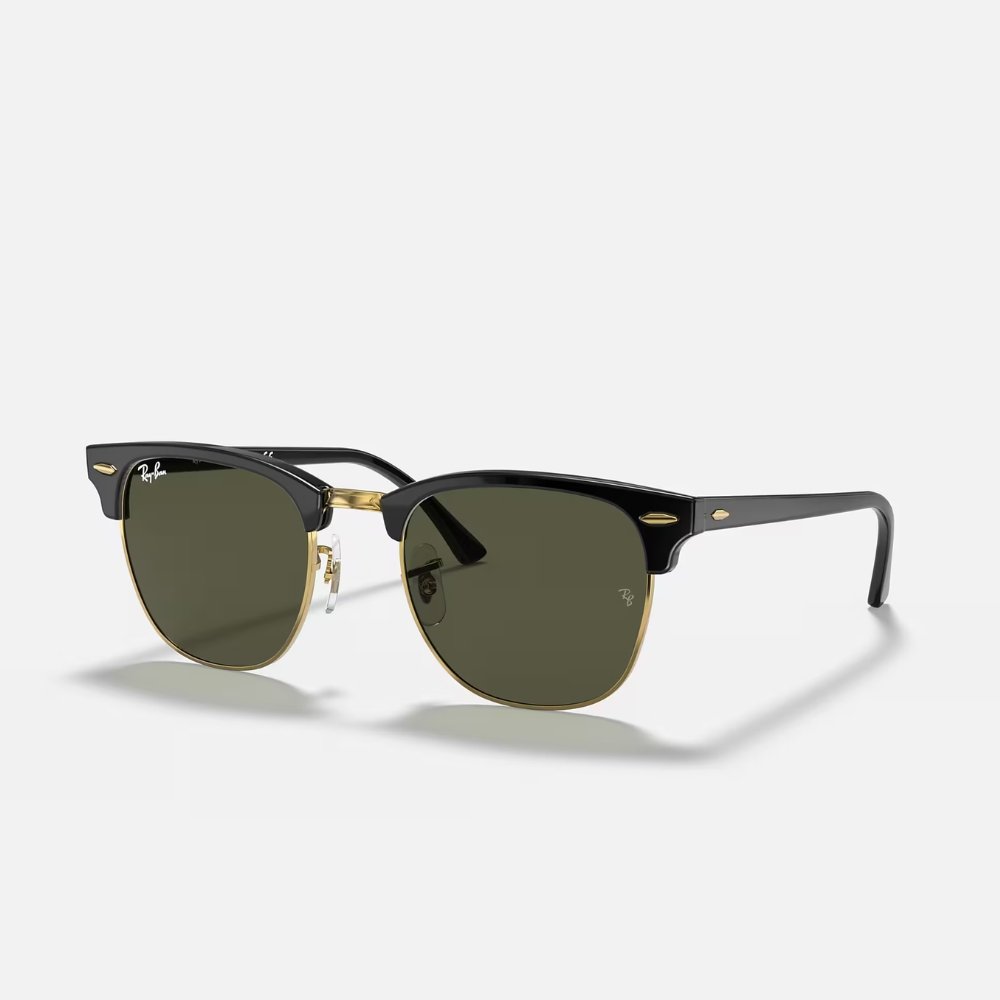
Ray-Ban Clubmaster

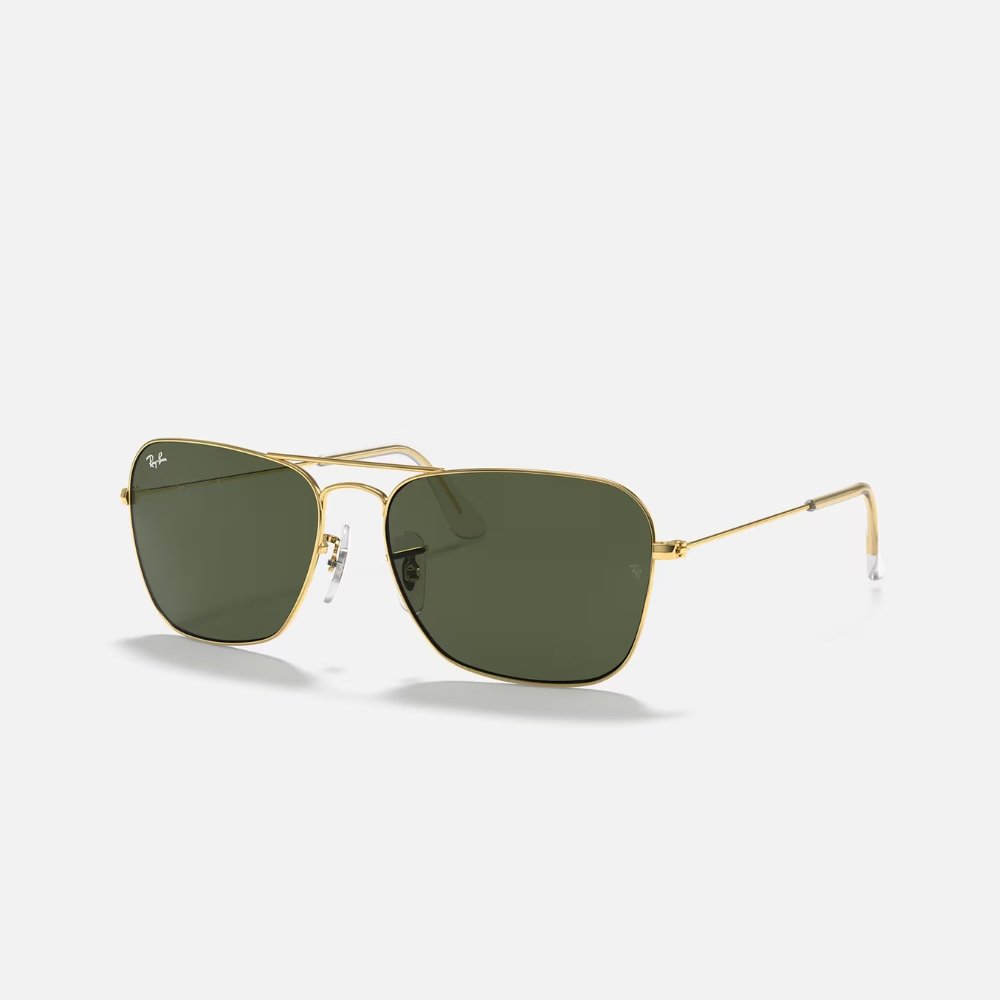
Ray-Ban Caravan

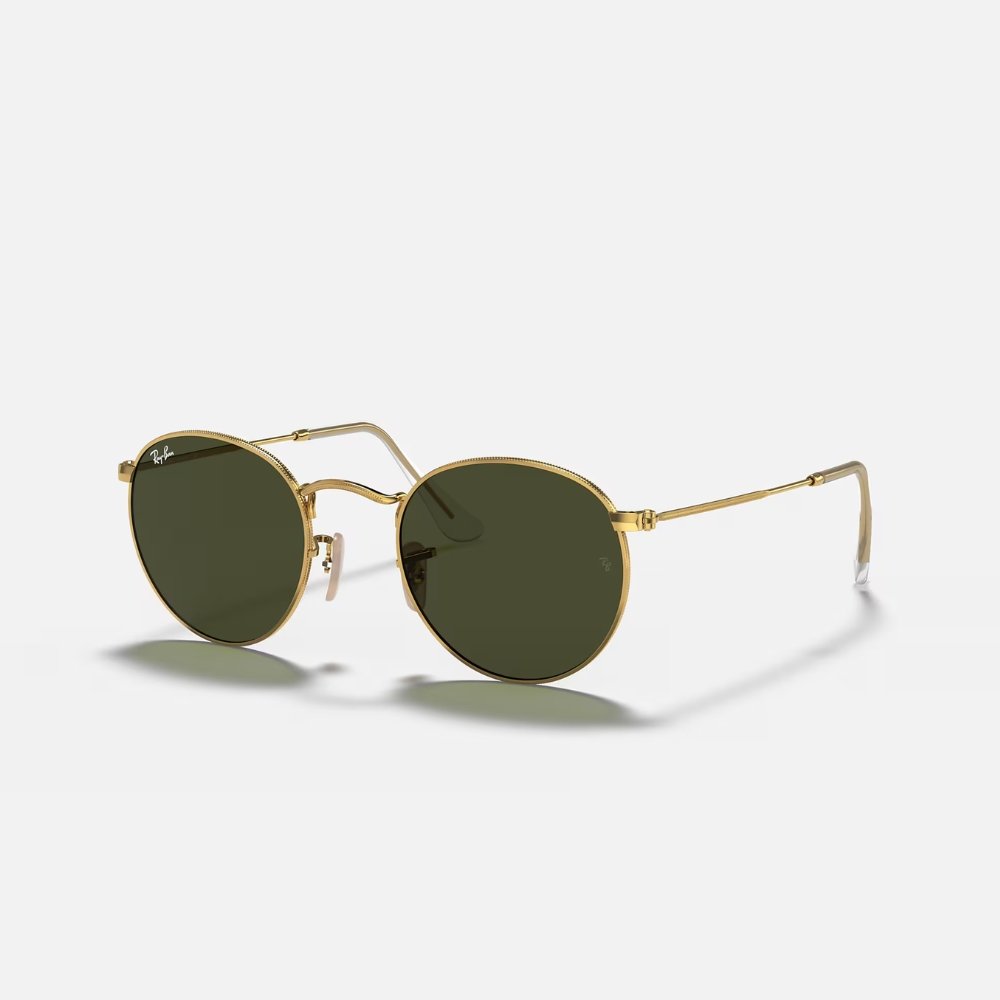
Ray-Ban Round Metal

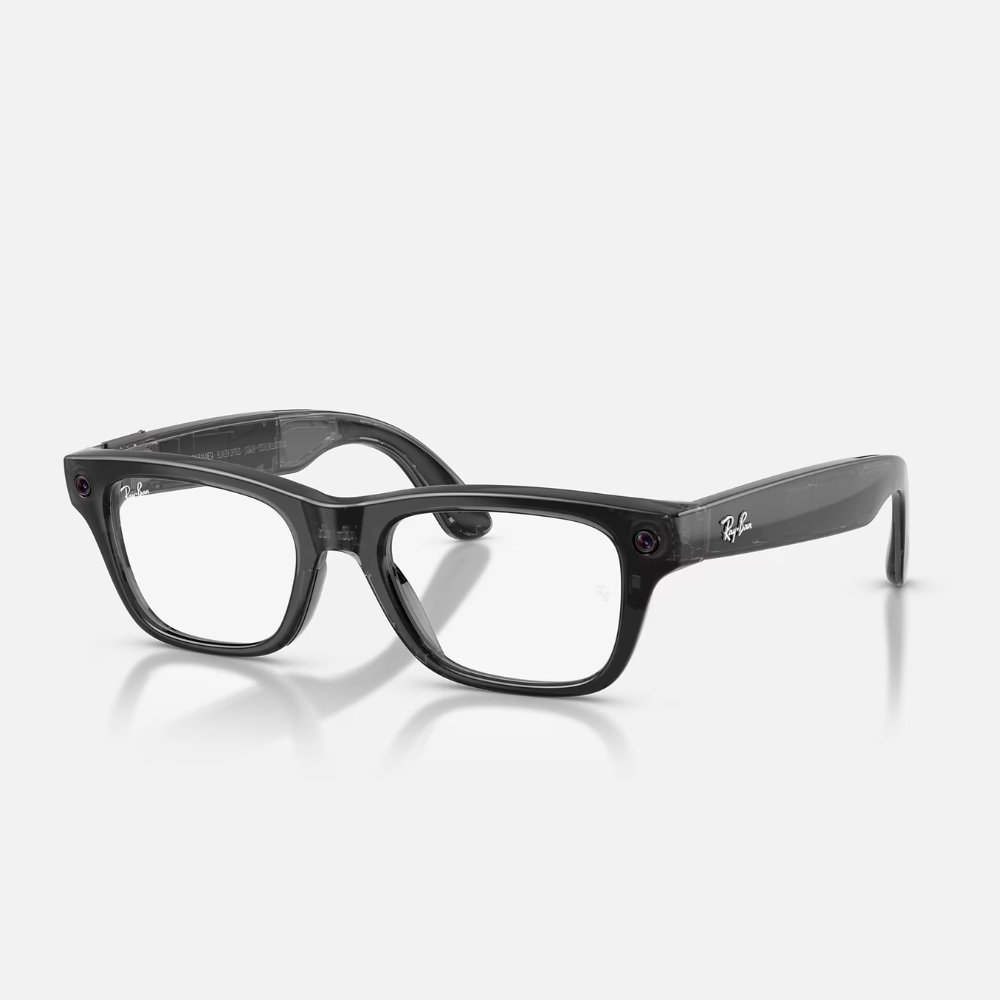
Ray-Ban Meta Smart Glasses

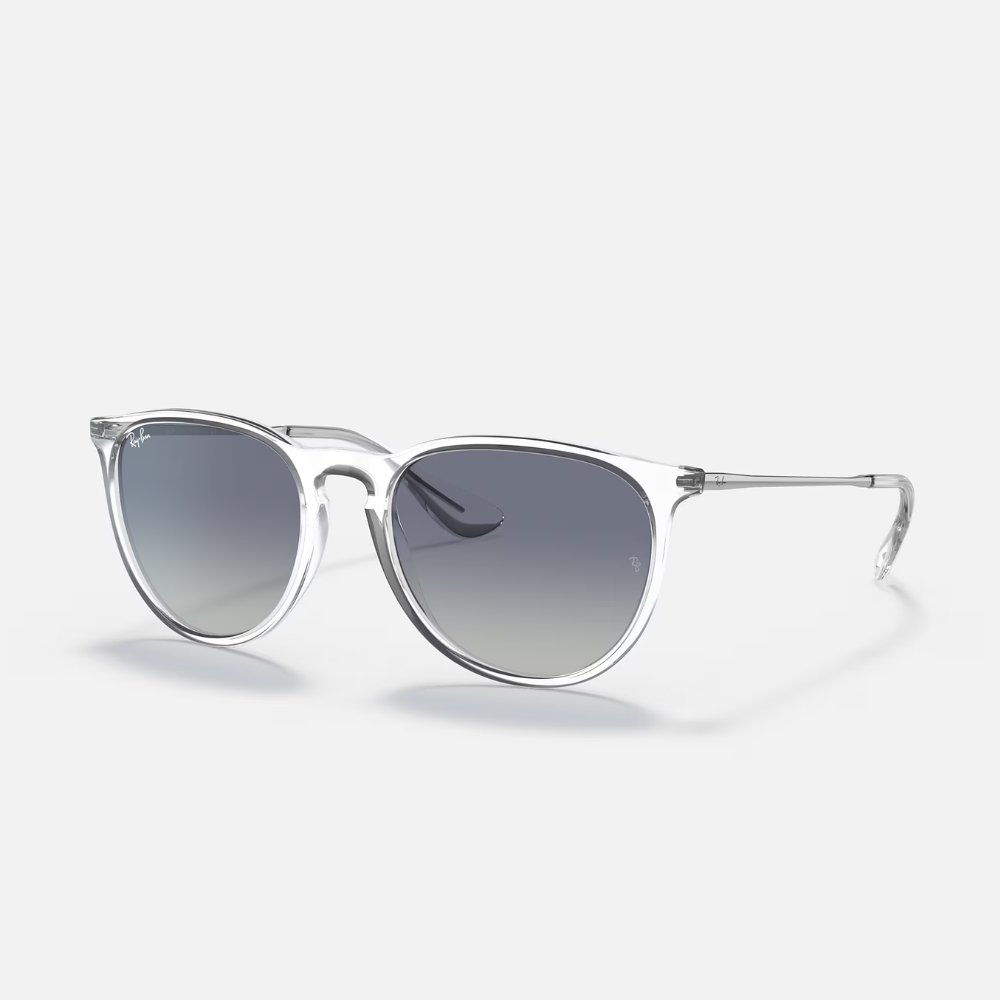
Ray-Ban Erika

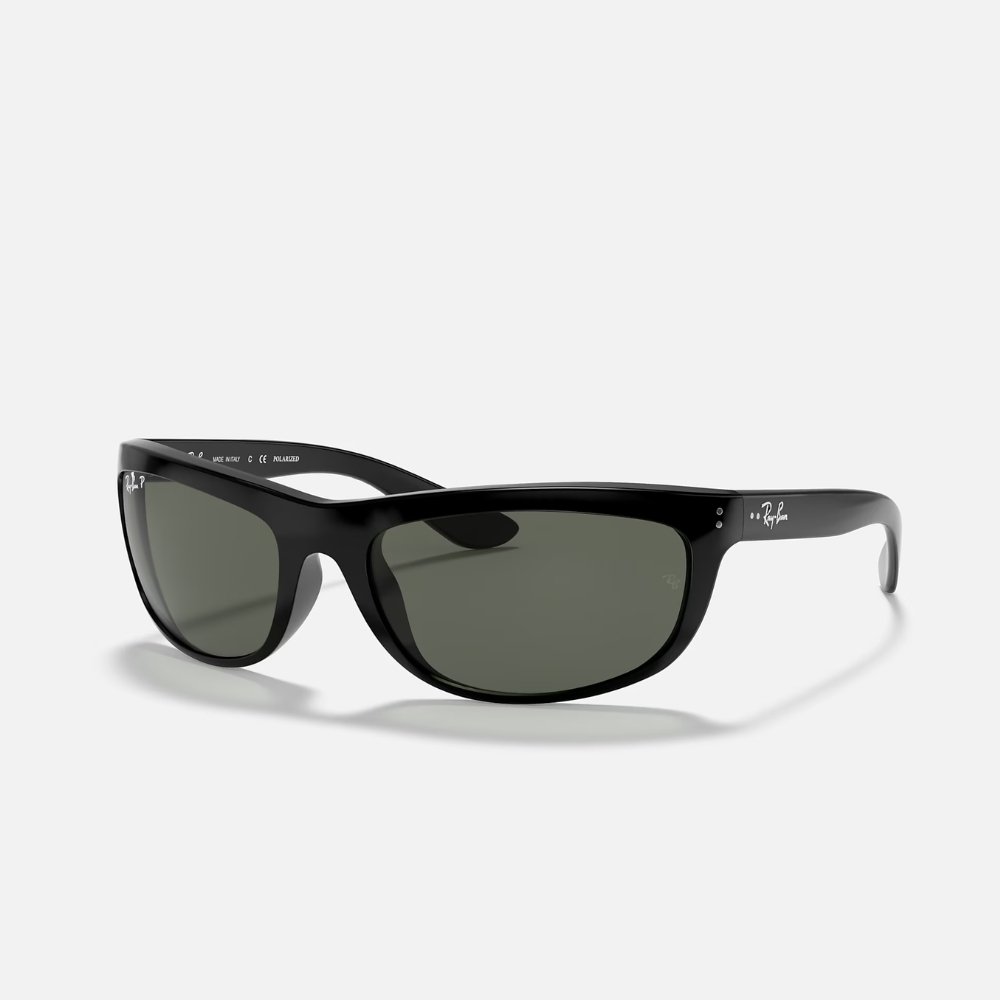
Ray-Ban Balorama

Ray-Ban History & Heritage

Ray-Ban’s story began in the late 1920s when U.S. Army Air Corps Colonel John A. Macready sought eyewear that could protect pilots from intense sunlight and glare at high altitudes. Working with Bausch & Lomb, the company developed anti-glare aviation sunglasses that eventually became the foundation of Ray-Ban.

The first prototype appeared in 1936, followed by the launch of the Aviator in 1937. Designed for military pilots, the sunglasses combined lightweight frames with lenses engineered to reduce glare while improving visual clarity.

Over the following decades, Ray-Ban expanded beyond aviation and became deeply embedded in film, music, celebrity culture, and fashion.

Key milestones:
• 1936: First anti-glare pilot sunglasses developed by Bausch & Lomb
• 1937: Official launch of Ray-Ban Aviator sunglasses
• 1952: Introduction of the Wayfarer model
• 1957: Launch of the Caravan collection
• 1980s: Clubmaster becomes one of the decade’s best-selling eyewear styles
• 1999: Luxottica acquires Ray-Ban from Bausch & Lomb for approximately $640 million
• 2021: Launch of Ray-Ban Stories smart glasses in partnership with Meta
• 2025: A$AP Rocky becomes Ray-Ban’s first-ever Creative Director
• 2025: Expansion of next-generation Ray-Ban Meta smart eyewear ecosystem

Ray-Ban played a defining role in transforming sunglasses from protective equipment into one of fashion’s most enduring cultural accessories.

“Few brands have influenced visual culture as deeply as Ray-Ban. From military aviation to Hollywood, music, fashion, and now wearable technology, Ray-Ban continues to define what iconic eyewear looks like.”

Why Ray-Ban Matters Today

Ray-Ban matters because it transformed functional eyewear into a global cultural symbol.

Its influence can be seen across:
• The evolution of sunglasses design
• The intersection of fashion and functionality
• The rise of celebrity-driven eyewear culture
• The fusion of heritage products with wearable technology

By combining technical innovation, timeless design, and cultural relevance, Ray-Ban continues to shape the future of eyewear worldwide.

Ray-Ban vs Other Luxury Houses

Ray-Ban vs Persol

Ray-Ban vs Oakley

Ray-Ban vs Gentle Monster

Ray-Ban vs Moscot

Other Brands