
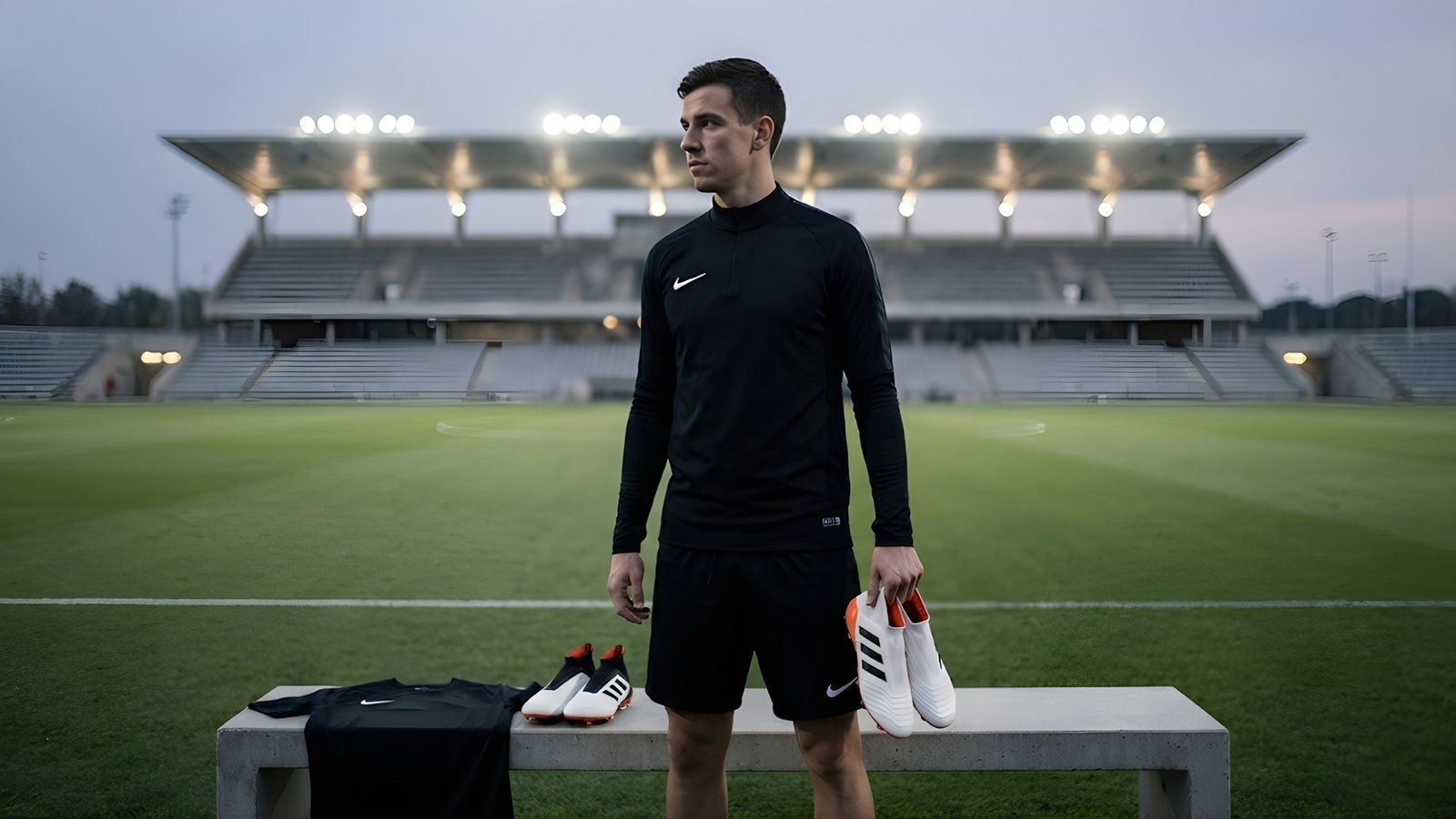
TL;DR
Nike and adidas are using the 2026 FIFA World Cup as a major growth engine, intensifying their rivalry across performance, lifestyle, and global cultural influence.
At a Glance
- Nike and adidas are competing aggressively to capture World Cup-driven sales growth.
- The 2026 FIFA World Cup in North America is a strategic moment for both brands.
- Nike is leveraging home-market momentum and lifestyle crossover.
- adidas is doubling down on football heritage and official tournament assets.
- The battle extends beyond performance into culture, fashion, and brand dominance.
The World Cup as a Commercial Catalyst
According to FashionNetwork, both Nike and adidas are positioning the FIFA World Cup as a central driver of sales growth, particularly as the 2026 edition will be hosted across the United States, Canada, and Mexico.
Retailers are already increasing commitments, with World Cup-related product volumes expected to significantly exceed those of the 2022 tournament. Analysts estimate that football-linked demand could unlock billions in incremental revenue across kits, footwear, and lifestyle collections.
Nike Bets on Home Advantage and Lifestyle Reach
For Nike, the upcoming World Cup carries a clear geographic advantage. North America represents the brand’s largest revenue base, and the tournament places Nike at the centre of global attention on home turf.
Under new leadership, Nike is pushing innovation-led football products alongside a broader lifestyle narrative—positioning football not just as a sport, but as a cultural aesthetic. Football silhouettes, retro-inspired designs, and streetwear-adjacent collections are designed to appeal far beyond traditional fans.
This strategy reflects Nike’s belief that modern consumers buy into identity and lifestyle, not just athletic performance.
adidas Leans Into Heritage and Authority
While Nike expands laterally, adidas is reinforcing its core strength: football credibility. As the official supplier of the World Cup match ball, adidas enjoys unparalleled visibility at the heart of the tournament.
The brand continues to balance technical performance with cultural relevance, using its Originals line and archival designs to bridge sport and fashion. For adidas, the World Cup is a reaffirmation of legacy—a reminder that football remains its most authentic and powerful platform.
Leadership estimates suggest the tournament could contribute close to €1 billion in incremental sales, underscoring its commercial importance.
Competition Beyond the Big Two
Nike and adidas are not alone in chasing World Cup momentum. Brands such as Puma, New Balance, and even Skechers are expanding their football presence through athlete endorsements and national team partnerships.
The result is a crowded, high-stakes landscape where visibility, storytelling, and execution will determine which brands convert global attention into lasting consumer loyalty.
Why This Matters to Fashion and Luxury
The Nike–adidas rivalry highlights a broader shift in fashion: performance brands now operate within the same cultural space as luxury and lifestyle labels. The World Cup functions as both a sporting event and a global fashion moment—where silhouettes, colourways, and narratives travel instantly across markets.
For luxury-adjacent consumers, football is no longer niche. It is a cultural language, and brands that speak it fluently gain relevance far beyond the pitch.
What Comes Next
As the countdown to 2026 accelerates, the real test will not be sales alone, but brand resonance. Nike’s lifestyle-led expansion and adidas’s heritage-driven authority represent two distinct philosophies—both aiming to define what football culture looks like in the next decade.
The World Cup may crown a champion on the field, but off it, the battle for cultural dominance is already underway.
Editorial Perspective
Major global sporting events have long been commercial opportunities—but the World Cup has evolved into something far bigger. For Nike and adidas, the 2026 tournament is not just about match-day performance. It is about cultural relevance, lifestyle credibility, and long-term brand positioning.
As sport increasingly overlaps with fashion, the World Cup has become one of the most powerful platforms for shaping consumer perception at a global scale.
