
TL;DR
Luxury brands in 2026 are pivoting into wellness — including health, longevity, mindfulness, and experiential luxury — as consumers define wellbeing as the new frontier of value, prompting strategic extensions that span spa experiences, beauty-wellness convergence, and lifestyle ecosystems.
At a Glance
- Wellness is emerging as a core luxury growth pillar as consumer spending increasingly prioritizes health, longevity, fitness, and emotional wellbeing.
- Luxury houses are exploring wellness extensions — from branded spas and longevity services to lifestyle and beauty integrations.
- Younger cohorts, especially Gen Z and Millennials, treat wellbeing as a new form of luxury, blending wellness, sartorial identity, and lifestyle choice.
- Experts describe wellbeing as a transformational shift in luxury value, beyond material goods to life enhancement, resilience and fulfilment.
Editorial Perspective
For decades, luxury brands have thrived on aspirational products — from haute couture to rare handbags. But in 2026, the luxury equation increasingly includes wellbeing itself as a defining value proposition. According to analysis from Business of Fashion, wellness isn’t an adjacent afterthought — it’s a strategic opportunity that intersects with beauty, lifestyle, and premium services, and taps into fundamental shifts in how consumers allocate their discretionary spending.
As wealthy and aspirational consumers alike prioritize experiences and healthspan over purely material signals of status, luxury brands are experimenting with offerings that enhance physical vitality, mental balance, and emotional fulfilment as core facets of modern luxury identity.
Why Wellness Matters for Luxury in 2026
1. Health and Prosperity Reframe Value
The rise of wellness as a spending priority reflects a broader cultural turn: health is the new wealth. Brands such as Gucci and other powerhouses are exploring luxury health and wellness markets, responding to high-net-worth consumers who spend heavily on wellbeing services, fitness, and preventative health rather than just clothes and accessories.
Longevity — living not just longer, but healthier — has become a central pursuit for affluent consumers. Intelligence firms position wellbeing as transformational luxury: experiences and products that enhance life quality rather than simply showcase status.
2. Gen Z and the Wellbeing as Identity
According Gabrielle Shaw, younger consumers are redefining luxury around self-care and wellbeing as cultural currency. For them, wellness is not merely fitness or spa visits — it is an expression of identity, lifestyle, and self-expression.
This cohort prioritizes emotional and physical balance, mindfulness, and health-infused style — shaping categories from clean beauty to premium athleisure — and prompting luxury brands to rethink how they engage these consumers authentically.
3. New Wellness-Driven Brand Extensions
Several luxury houses and adjacent players are capitalizing on wellbeing trends by integrating wellness services and experiences into their portfolio:
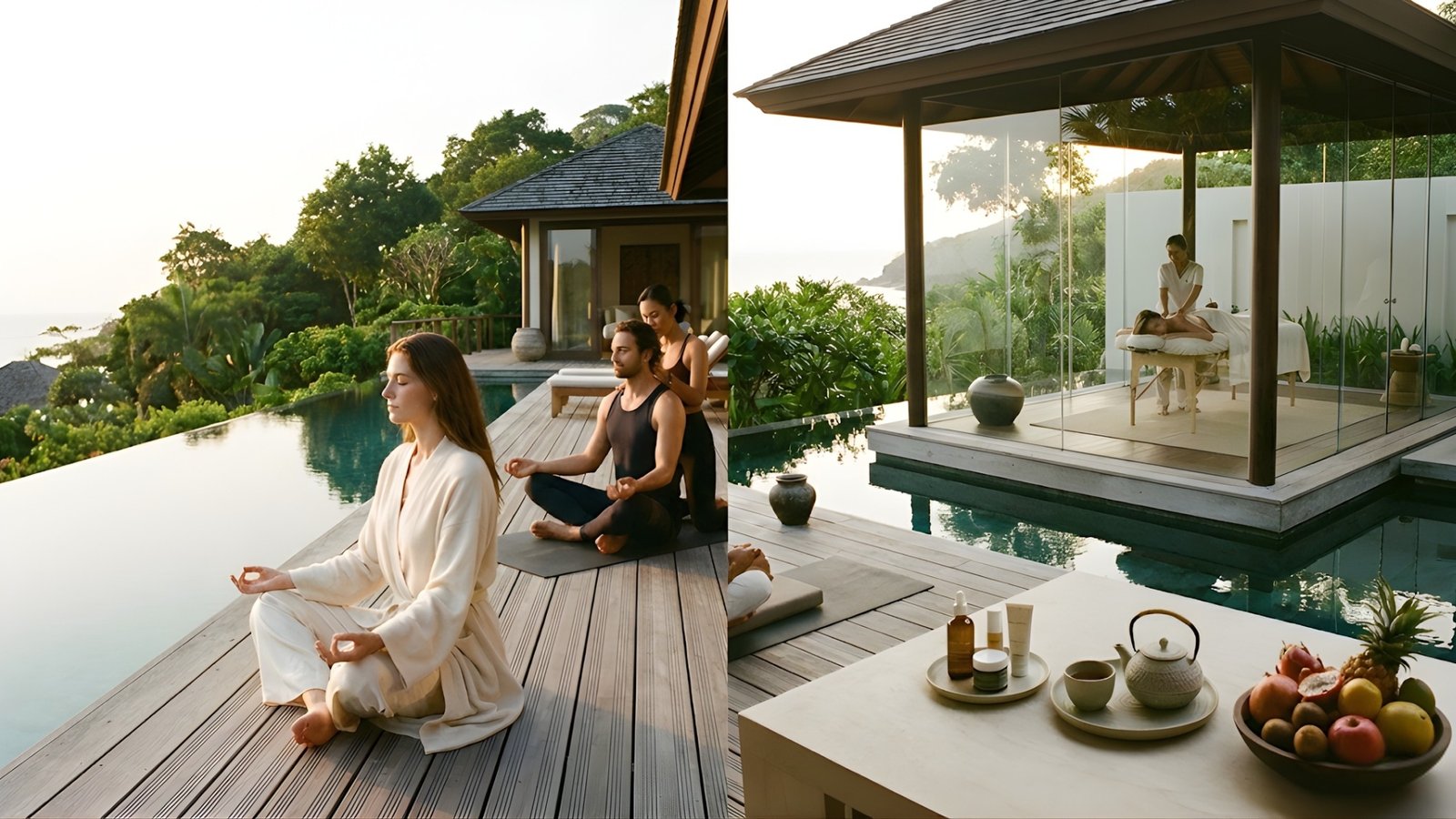
- Branded wellness retreats, spas, and longevity programmes conceptualized by major fashion-luxury conglomerates.
- Beauty lines with wellness-centric efficacy claims — active ingredients that promise physiological benefits alongside aesthetic results.
- Fashion and lifestyle brands incorporating wellness into their narratives and products.
This shift is reinforced by data showing the blurring boundaries between beauty and wellness, where active health benefits increasingly influence product development and consumer expectations.
4. Holistic Brand Ecosystems and “Third Spaces”
Luxury brands are experimenting with third spaces — environments where customers experience the brand beyond traditional retail. These may include:
- wellness lounges and flagship spas
- hybrid beauty-fitness-retail hubs
- immersive lifestyle salons
Such spaces allow brands to embed themselves in consumers’ daily rhythms, creating emotional connection and deeper loyalty that extends beyond seasonal collections, as McKinsey report.
What It Means for Luxury Strategy
In 2026, brands that integrate wellbeing with their core narrative — rather than treating it as a marketing add-on — will lead the next generation of luxury growth. Winning strategies include:
- Authentic alignment with wellness values that resonate with how consumers define wellbeing.
- Partnerships across categories — from beauty and fitness to hospitality — that expand the brand’s ecosystem of experience.
- Holistic offerings that connect physical, emotional, and aesthetic luxury — forming new modalities of desirability.
Wellness in 2026 is less a fad and more a redefinition of what luxury means: not just what you own, but how you feel, age, move, and thrive through it.
