
TL;DR
Logomania didn’t disappear — it transformed. In 2026, logos aren’t just about status; they are cultural signals of identity, community, and niche affiliation, evolving alongside luxury trends like quiet sophistication and expressive brand storytelling.
At a Glance
- Logomania — once defined by conspicuous monograms — has shifted into nuanced cultural and identity signals.
- Consumers continue to value logos, but their meanings have diversified, moving beyond plain status badges to markers of niche affinity, community, and personal expression.
- Gen Z and younger cohorts are blending logos with micro-culture storytelling and niche branding in fashion.
- The trend persists even alongside minimalism and quiet luxury, indicating logos remain central to identity and belonging in modern fashion.
Editorial Perspective
In fashion’s continuous cycle between minimalism and maximalism, logomania hasn’t truly faded — it has simply evolved into more sophisticated cultural language. According to Business of Fashion, the instinct for logos remains strong in 2026, but it manifests in ways that reflect individual identity, community affiliation, and niche storytelling, rather than purely loud status signaling.
This evolution demonstrates how brand language adapts to consumer priorities — from overt luxury display to meaningful expression and cultural belonging.
From Overt Status to Cultural Signal
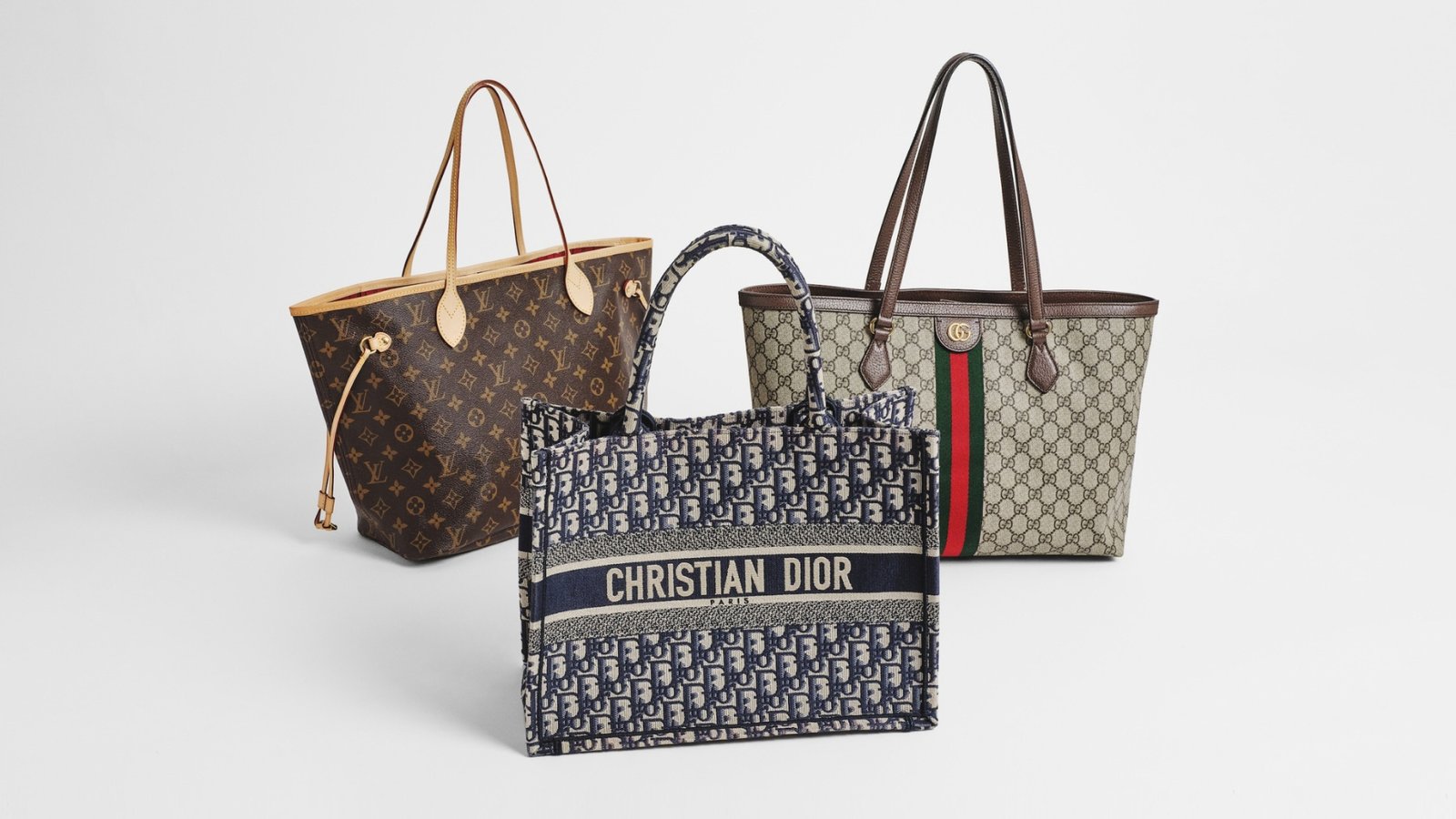
At its peak in the late 1990s and 2000s, logomania was often about visible wealth and position — think large monograms across bags, shirts, and belts. Today, however, the trend has shifted. Instead of just signaling “I can afford this,” logos increasingly communicate identity, community membership, and cultural nuance.
Consumers today may embrace niche merch, micro-brand logos, and hybrid branding elements that reflect tastes, affiliations, and subcultural connections rather than broad, generic status.
Gen Z and Logos as Identity Markers
Younger consumers, especially Gen Z, approach logos differently than prior generations. For them:
- A logo can signify subcultural affinity rather than economic status.
- Brand symbols are integrated with community narratives — from music fandoms and online creator worlds to niche fashion communities.
- Logos on hats, shirts, and accessories are expressive rather than purely hierarchical.
This shift reflects a broader cultural emphasis on belonging and shared values, with logos serving as visual shorthand for cultural identity and taste.
Logos Coexisting With Minimalism and Quiet Luxury
Interestingly, the evolution of logomania unfolds alongside another major aesthetic trend: quiet luxury — where overt branding is often toned down. Despite the rise of understated fashion, logos have not disappeared; they have adapted.
Rather than bold monograms plastered across garments, logos now appear with purpose — sometimes subtle, sometimes niche, but often with a clear story or cultural anchor.
This dual existence — understated luxury on one end and expressive signage on the other — highlights how logos have diversified as cultural tools in the fashion communicator’s toolkit.
Why Logomania Still Matters in 2026
Logos endure not because they inherently signal wealth, but because they encode narrative:
- They act as identity markers, showing what you stand for or who you identify with.
- They help cultivate community, from streetwear tribes to niche fandoms.
- They offer brands a way to tell rich cultural stories that resonate beyond price tags.
- They integrate with digital culture and social media as symbols of shared language.
In a world where consumers seek connection, authenticity, and belonging, the logo remains a central fashion element — not as a relic, but as a dynamic cultural signifier.
