
TL;DR
Lockheed Martin’s rise as a streetwear reference highlights fashion’s fascination with military aesthetics, but growing cultural sensitivity and ethical scrutiny now cast doubt on the trend’s future.
At a Glance
- Lockheed Martin became an unlikely fashion reference through logo-driven streetwear.
- The trend reflected fashion’s long-standing fascination with military and industrial aesthetics.
- Cultural curiosity and irony fueled early demand.
- The future of defense-linked branding in fashion now appears increasingly uncertain.
How Defense Aesthetics Entered Streetwear
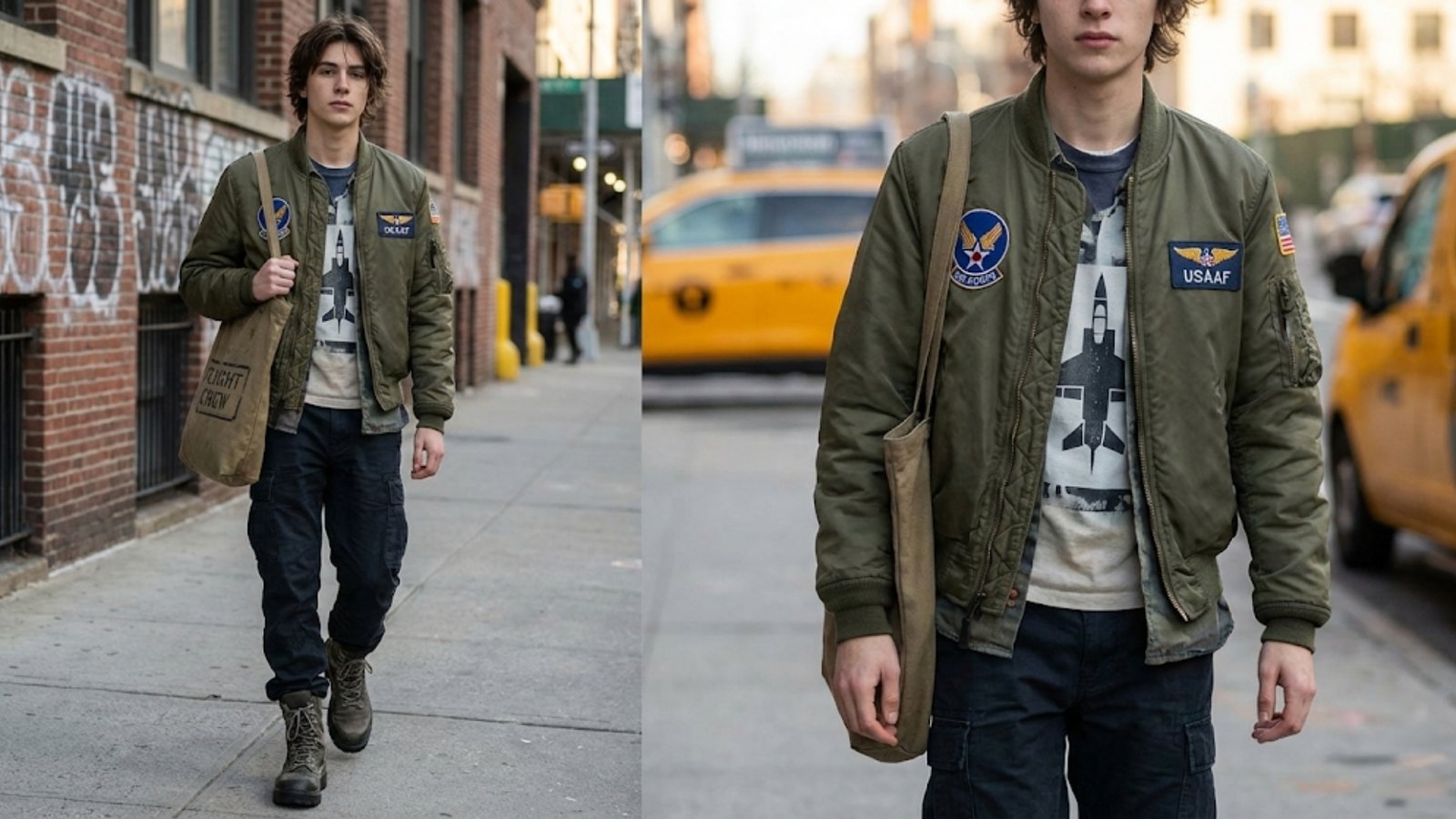
According to Business of Fashion, Lockheed Martin’s presence in streetwear didn’t begin with runway ambitions, but with logo fascination and irony-driven appeal. Aviation insignias, technical typography, and utilitarian symbolism resonated with consumers drawn to industrial aesthetics and post-ironic fashion.
The appeal aligned with broader trends:
- military surplus references
- utilitarian silhouettes
- industrial branding as visual identity
- irony as cultural currency
Streetwear’s ability to elevate unexpected logos turned defense branding into a conversation piece.
From Irony to Visibility
What began as niche experimentation quickly gained visibility through social media, fashion forums, and limited releases. The appeal was less about endorsement and more about aesthetic abstraction — removing logos from their original context and reframing them as cultural symbols.
However, as the imagery became more visible, so did the associations behind it.
Why the Trend Faces Resistance
The article notes that increased scrutiny around defense, geopolitics, and global conflict has complicated the use of military-industrial branding in fashion. What once felt ironic or subversive now risks being interpreted as insensitive or tone-deaf.
For many consumers, the question has shifted from “Is it cool?” to “What does it represent?”
This shift mirrors broader changes in fashion:
- greater emphasis on brand values
- heightened awareness of political symbolism
- declining tolerance for aesthetic-only provocation
What This Means for Streetwear Culture
Streetwear has long thrived on provocation, remixing symbols of power and authority. But the Lockheed Martin moment suggests there may be limits to this strategy in a more conscious cultural environment.
Future iterations of utilitarian or industrial fashion may lean toward abstraction — referencing function and form without explicit association to real-world institutions.
A Turning Point for Industrial Branding
The uncertain future of Lockheed Martin streetwear reflects a broader recalibration within fashion. As consumers demand meaning alongside design, brands and designers are being forced to think more carefully about symbolism, context, and responsibility.
Industrial aesthetics may endure — but stripped of explicit references that carry heavier cultural weight.
Editorial Perspective
Fashion has always borrowed from power structures — from uniforms and workwear to symbols of authority and industry. The rise of Lockheed Martin streetwear marked one of the most unexpected extensions of this pattern: a defense contractor becoming a fashion reference point.
But in a cultural climate increasingly shaped by ethics, transparency, and social awareness, the novelty of military-industrial branding may be reaching its limits.
