
TL;DR
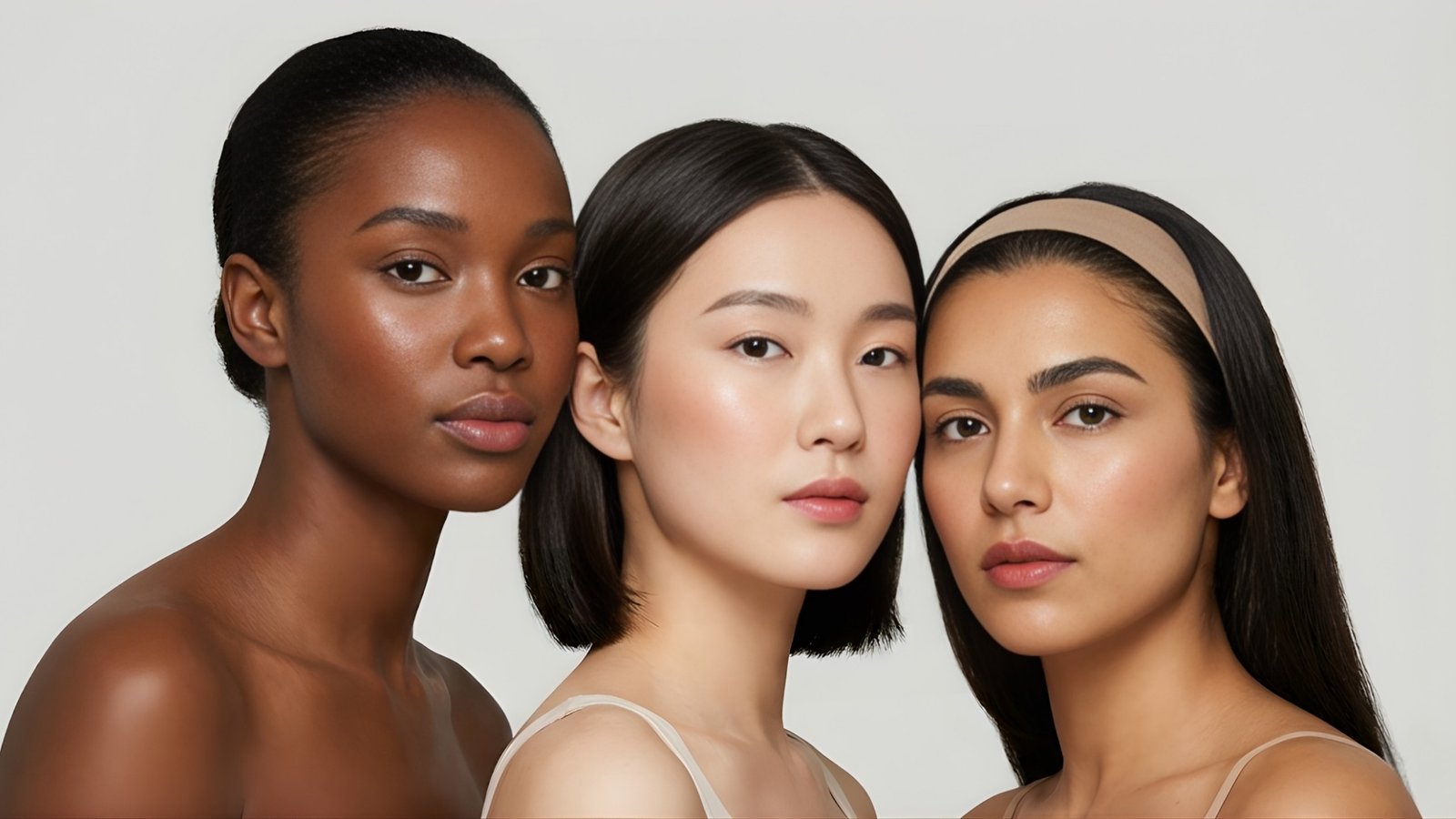
K-beauty is being pushed to evolve as Black and Brown consumers demand products, representation, and formulations that reflect global diversity. The rise of “K-Brown” highlights a turning point for the industry’s future.
At a Glance
- K-beauty is facing growing pressure to serve Black and Brown consumers more meaningfully.
- A new movement, often referred to as “K-Brown”, is challenging narrow beauty standards.
- Global expansion has made inclusivity a business necessity, not a niche concern.
- Brands are beginning to rethink shade ranges, formulation, and representation.
The Rise of “K-Brown” Beauty
According to Business of Fashion, the emergence of “K-Brown” reflects growing awareness among consumers and founders who want K-beauty to reflect a wider spectrum of skin tones. The term signals both critique and opportunity — acknowledging that K-beauty’s innovation has not always translated across diverse complexions.
For global consumers, the issue goes beyond shade ranges. It includes ingredient suitability, education around melanin-rich skin, and authentic representation in campaigns.
Why the Industry Is Being Forced to Change
K-beauty’s success outside Korea — particularly in the United States, Europe, and Southeast Asia — has reshaped expectations. Brands now serve customers with vastly different skin needs, climates, and cultural references.
Key pressures driving change include:
- global retail partnerships
- social media visibility and critique
- consumer demand for representation
- competition from inclusive global beauty brands
Ignoring these factors risks limiting long-term growth.
Representation Beyond Marketing
While some brands have begun featuring more diverse faces in campaigns, the article notes that representation without product adaptation rings hollow. True inclusivity requires changes at the formulation and development level.
This includes:
- expanding complexion products beyond light shades
- testing skincare on diverse skin types
- addressing hyperpigmentation and sensitivity common in melanin-rich skin
- investing in education and community engagement
Without these shifts, inclusivity remains surface-level.
A Cultural Shift Within K-Beauty
The conversation around K-Brown beauty also reflects broader cultural change within South Korea’s beauty industry. Younger consumers, global creators, and multicultural audiences are increasingly vocal about representation and access.
As beauty becomes more global and digital, rigid standards are harder to maintain — and more costly to defend.
What This Means for the Global Beauty Market
For K-beauty, inclusivity represents both a challenge and a growth opportunity. Brands that adapt early may unlock new consumer bases and reinforce credibility in competitive global markets.
Those that resist risk being perceived as out of touch — especially as luxury and premium beauty increasingly emphasize values alongside performance.
Editorial Perspective
For years, K-beauty has shaped global skincare and beauty trends, admired for its innovation, ritual-driven routines, and aspirational aesthetics. Yet its global influence has also highlighted a critical limitation: an industry built around narrow ideas of skin tone and beauty.
As K-beauty brands expand beyond East Asia, inclusivity is no longer optional. The conversation around Black and Brown skin is forcing a long-overdue reassessment of how beauty is defined, marketed, and formulated.
