
TL;DR
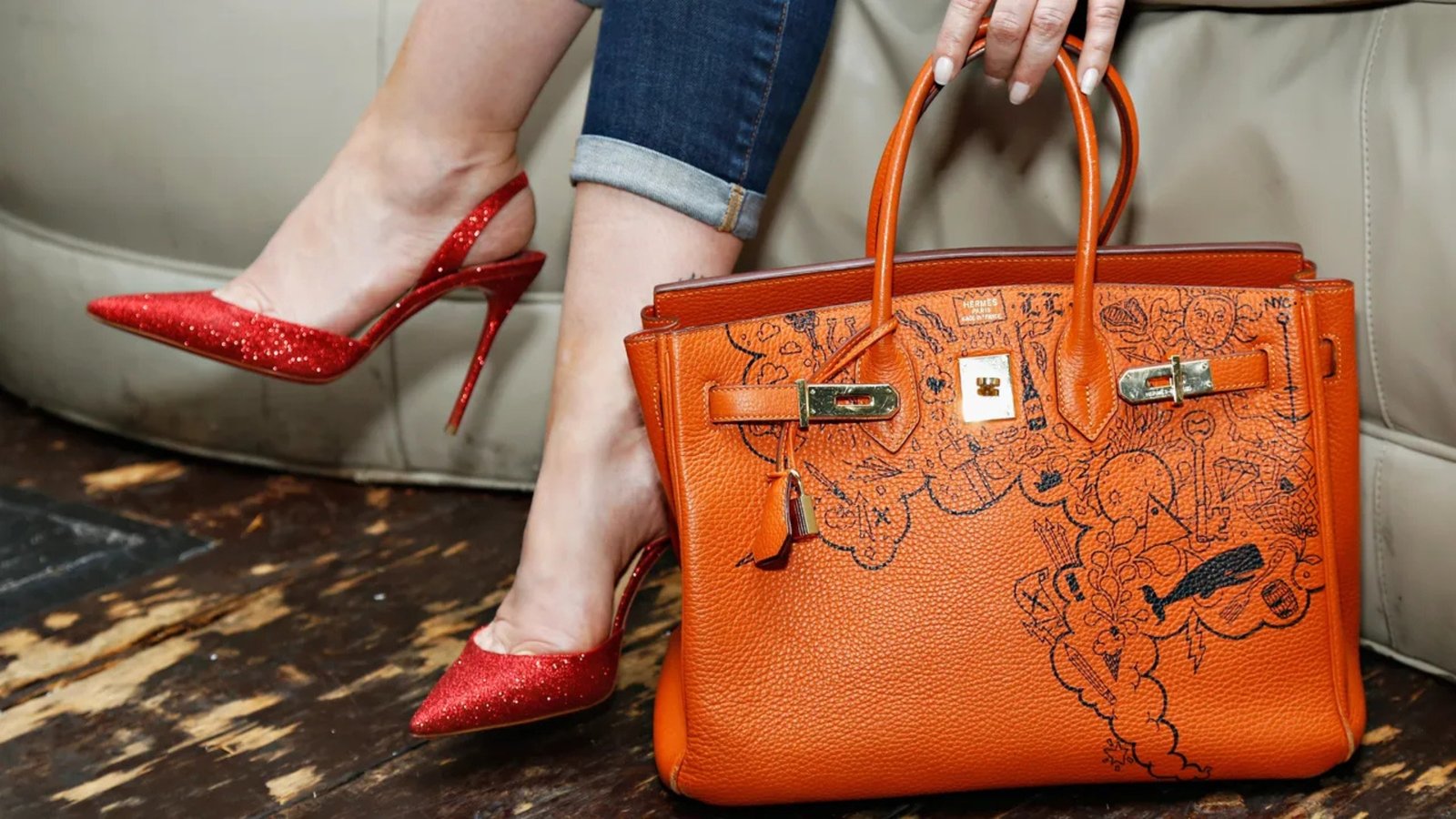
The Hermès Birkin justifies its price through unmatched craftsmanship, controlled scarcity, and exceptional resale strength. It is not merely a handbag—it is a luxury asset with cultural permanence. However, its exclusivity and hand-carry-only design make it a considered purchase rather than a purely practical one.
Table of Contents
Introduction

Few objects in fashion command the reverence of the Birkin, produced by Hermès. Originally conceived in 1984 after a chance encounter between actress Jane Birkin and Hermès executive Jean-Louis Dumas, the Birkin evolved into the most coveted handbag in the world.
Unlike other luxury icons, the Birkin is not simply expensive—it is difficult to obtain. Boutique access, purchase history, and allocation systems all contribute to its mystique.
But beyond mythology and waitlists, the essential question remains:
Is the Hermès Birkin genuinely worth the price?
To answer this, we examine three pillars: craftsmanship, scarcity strategy, and resale performance.
Craftsmanship: The Benchmark of Leather Artistry
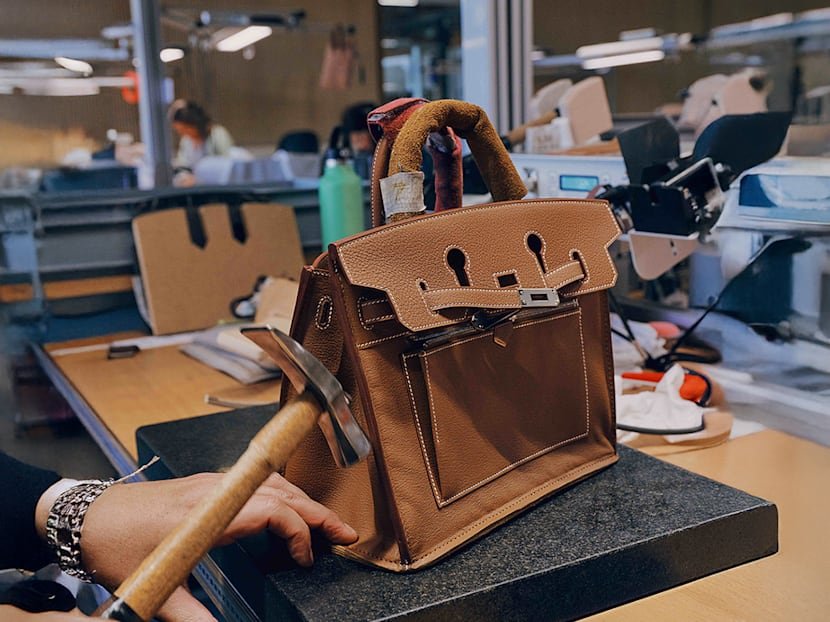
Each Birkin is handcrafted by a single artisan trained in Hermès’ saddle-stitching techniques. The process can take between 18–25 hours per bag, depending on leather and hardware complexity.
Craftsmanship highlights:
- Hand-stitched using the traditional saddle stitch
- Premium leathers (Togo, Epsom, Clemence, Box)
- Solid hardware plated in gold or palladium
- Structured yet supple construction
The saddle stitch, unlike machine stitching, ensures durability even if one thread breaks. Edges are hand-painted, and each bag is stamped with an artisan code—subtle but significant markers of authenticity.
In purely technical terms, the Birkin sets the standard for luxury leatherwork.
Leather & Durability: Built to Age Gracefully
Leather choice dramatically influences wear experience:
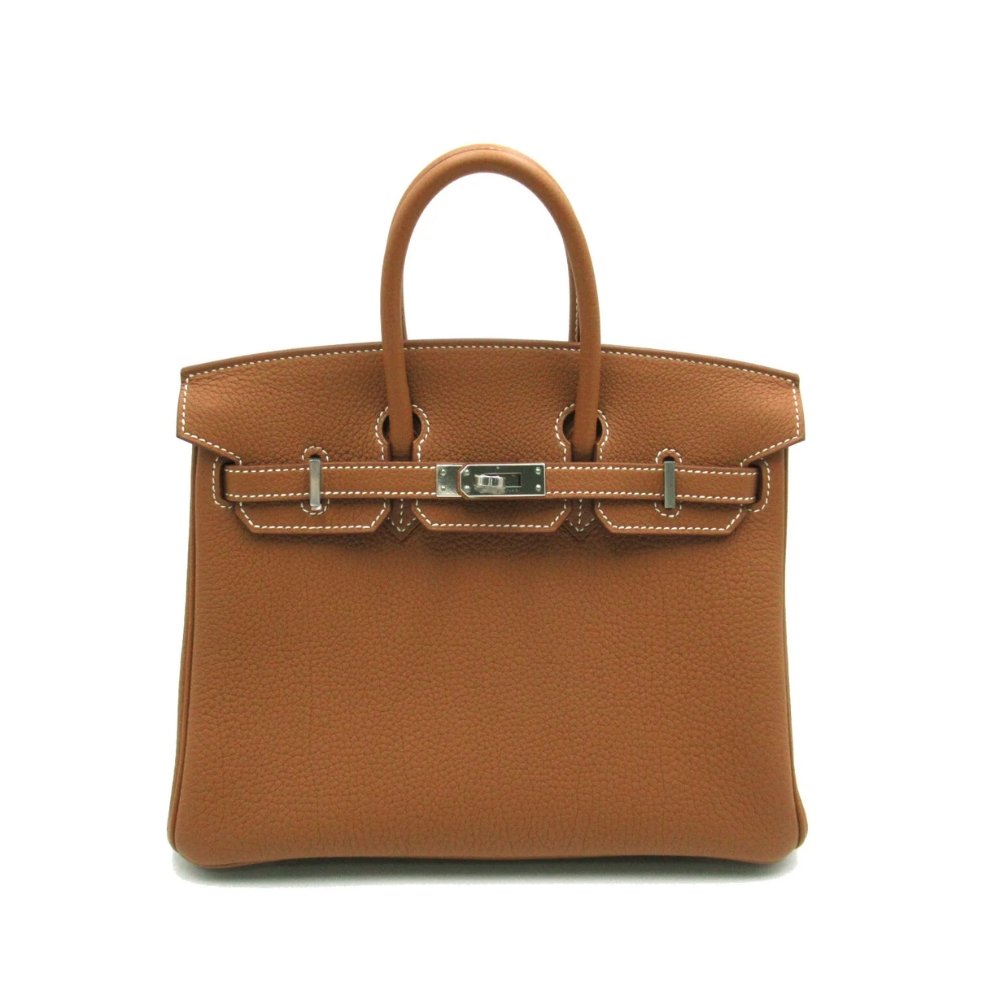
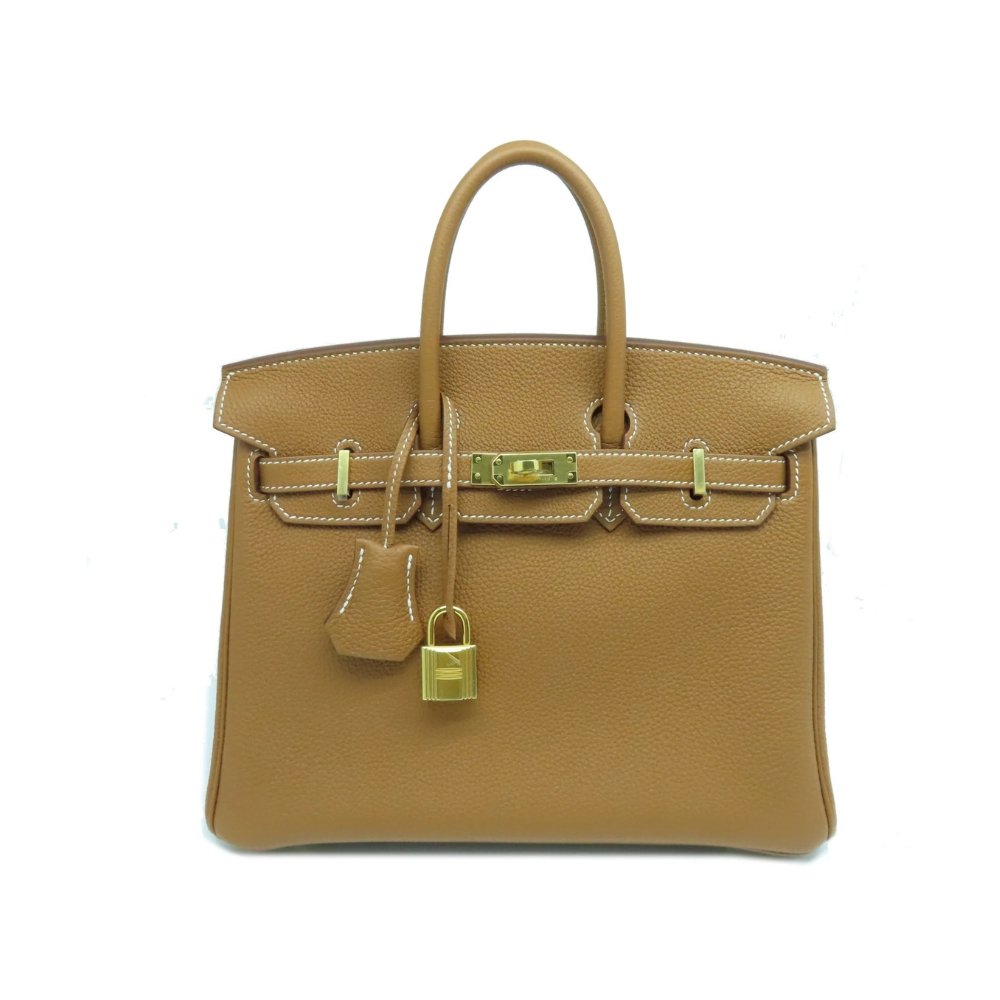
Togo
Durable, slightly textured, holds shape well
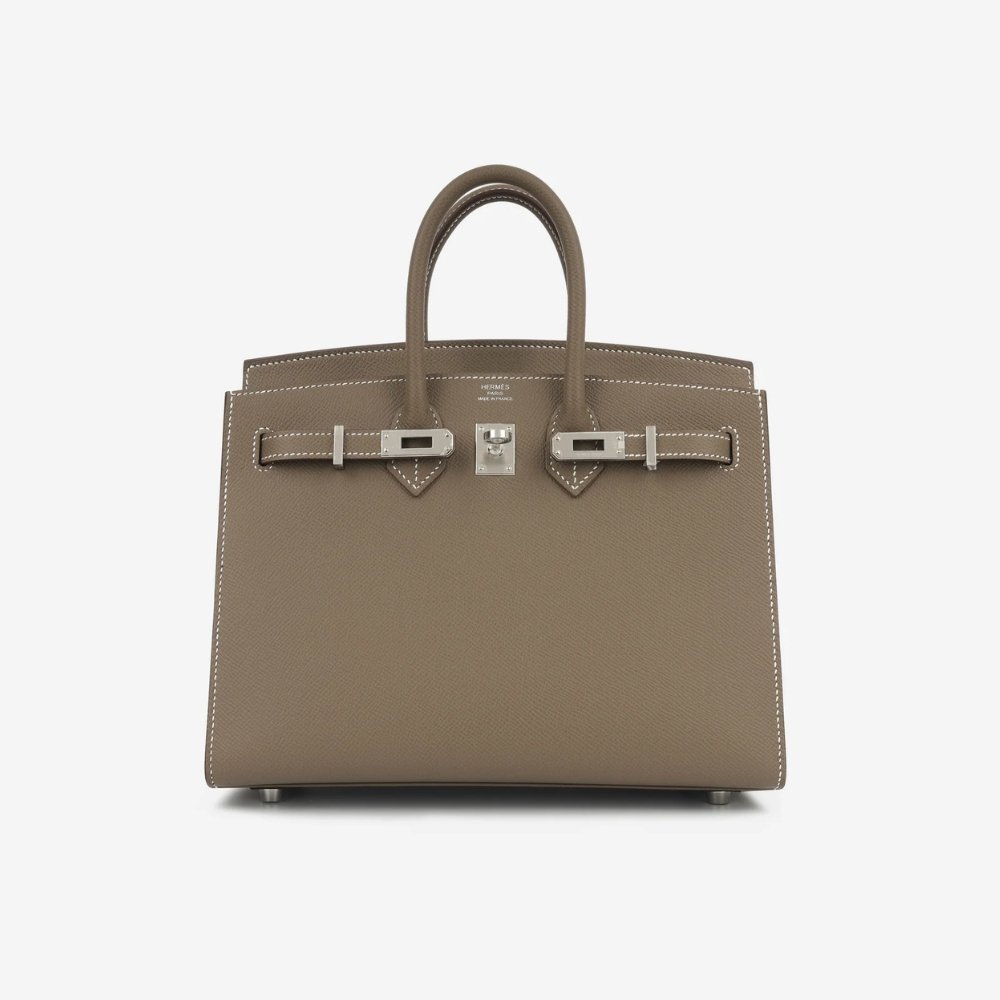
Epsom
Lightweight, structured, scratch-resistant
Clemence
Lightweight, structured, scratch-resistant
Togo and Epsom remain the most practical for daily use. The Birkin’s reinforced base and firm handles allow it to maintain structure over years—provided it is stored correctly.
Unlike coated canvas or lambskin bags, Birkin leather ages into a richer, deeper tone, often enhancing character rather than diminishing value.
Scarcity Strategy: The Engine of Exclusivity
Hermès does not openly display Birkin inventory online. Allocation typically requires relationship-building with sales associates and purchase history.
This controlled scarcity achieves three outcomes:
- Preserves brand prestige
- Limits oversaturation
- Supports strong secondary market demand
The Birkin’s price is influenced not just by materials—but by access. Scarcity is not accidental; it is strategic.
Wearability: Prestige vs Practicality
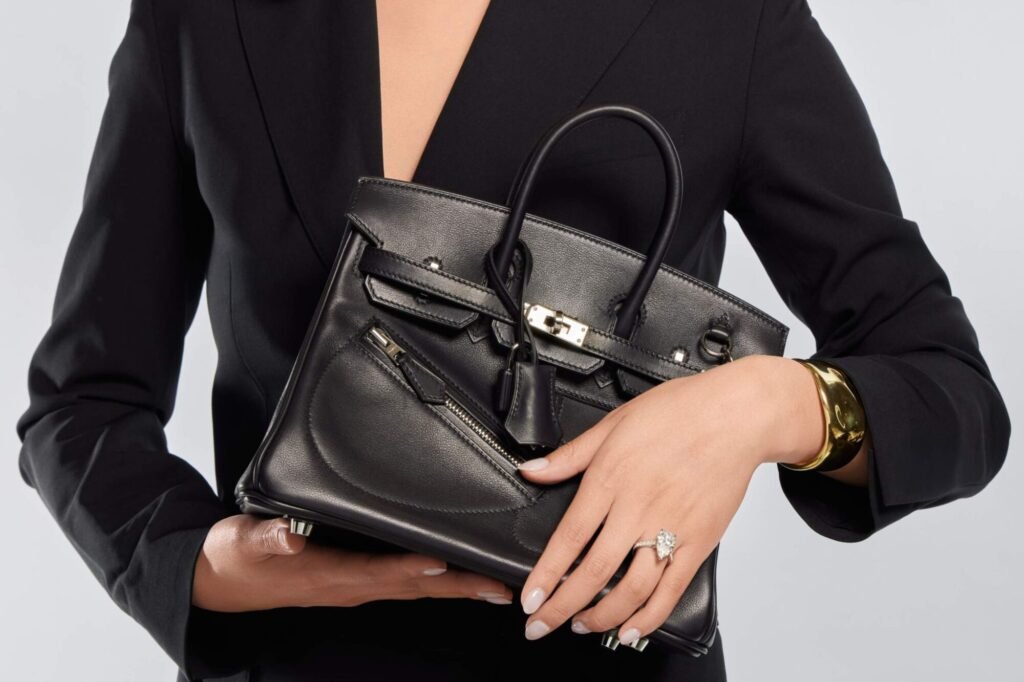
The Birkin is primarily hand-carried. There is no shoulder strap.
Strengths:
- Structured elegance
- Spacious interior
- Timeless silhouette
Limitations:
- Heavier than many luxury bags
- Hand-carry may not suit modern commuting
- Open-top design requires attention to security
In sizes 25 and 30, the Birkin is manageable for daily wear. Larger sizes lean more toward travel or statement use.
Resale Value: One of the Strongest in Luxury
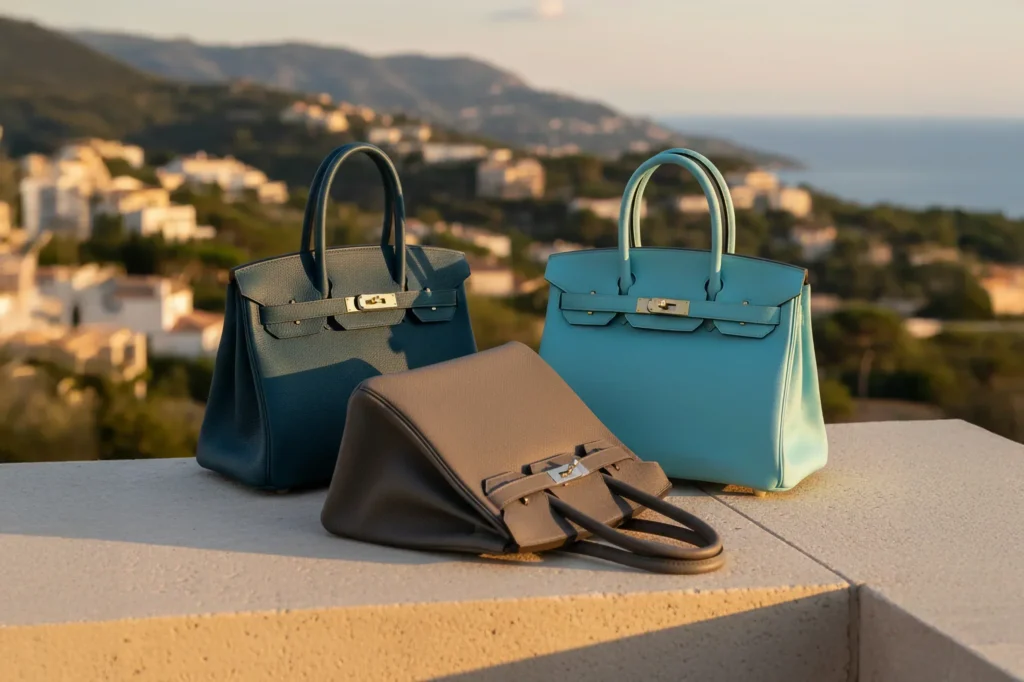
From an investment perspective, the Birkin is exceptional.
Why it holds value:
- Limited production
- Global demand across generations
- Consistent retail price increases
- Strong auction performance
Classic combinations—Togo leather, neutral colors, gold hardware—maintain the strongest liquidity.
While not guaranteed to appreciate annually, Birkins have historically retained or exceeded retail value in the secondary market, especially in excellent condition.
Pricing Logic: What Are You Paying For?

The Birkin’s pricing reflects:
- Handcrafted production
- Elite artisan training
- Controlled distribution
- Brand equity at the highest level
Objectively, you can find other leather bags at lower cost. But none combine craftsmanship, scarcity, and resale strength at the Birkin’s level.
You are paying for artistry—and access.
Shop The Edit
Editor’s Picks (Most Desirable Configurations):
Birkin 25 – Togo, Gold Hardware
Compact and highly sought-after
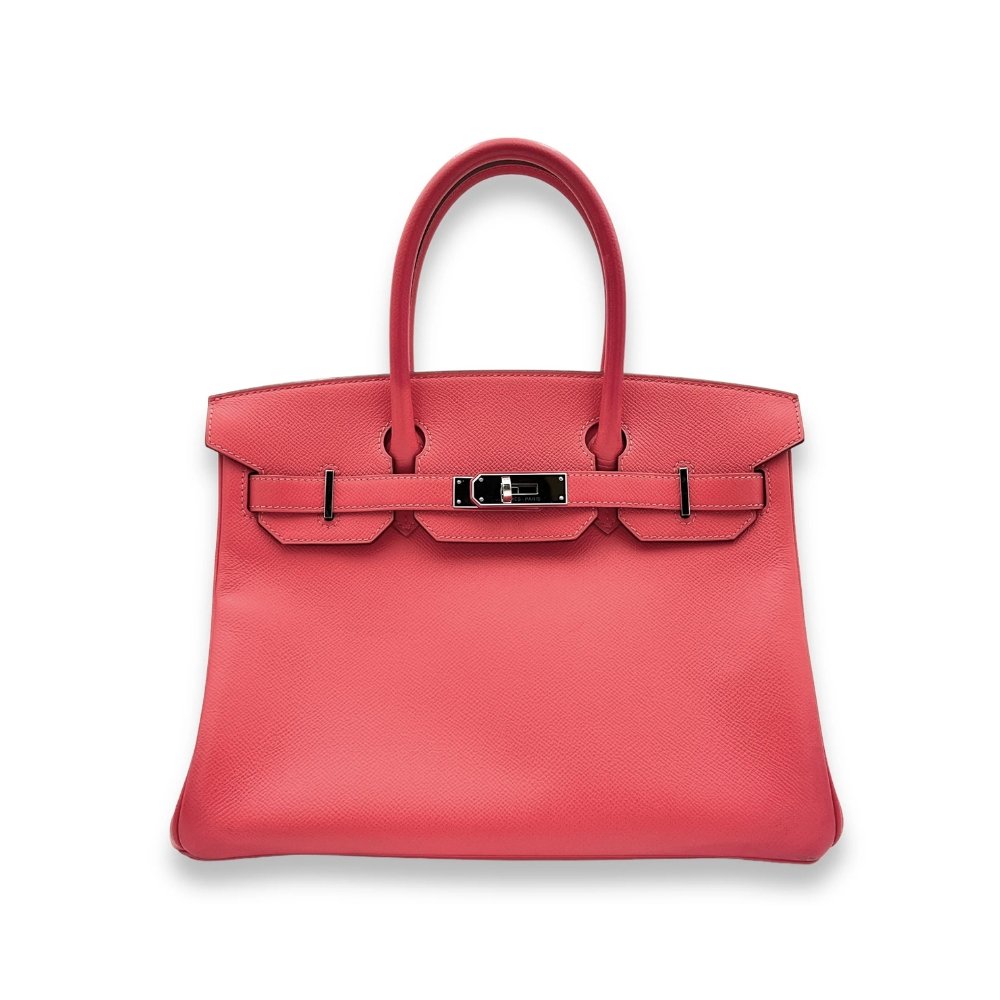
Birkin 30 – Epsom, Palladium Hardware
Structured and versatile
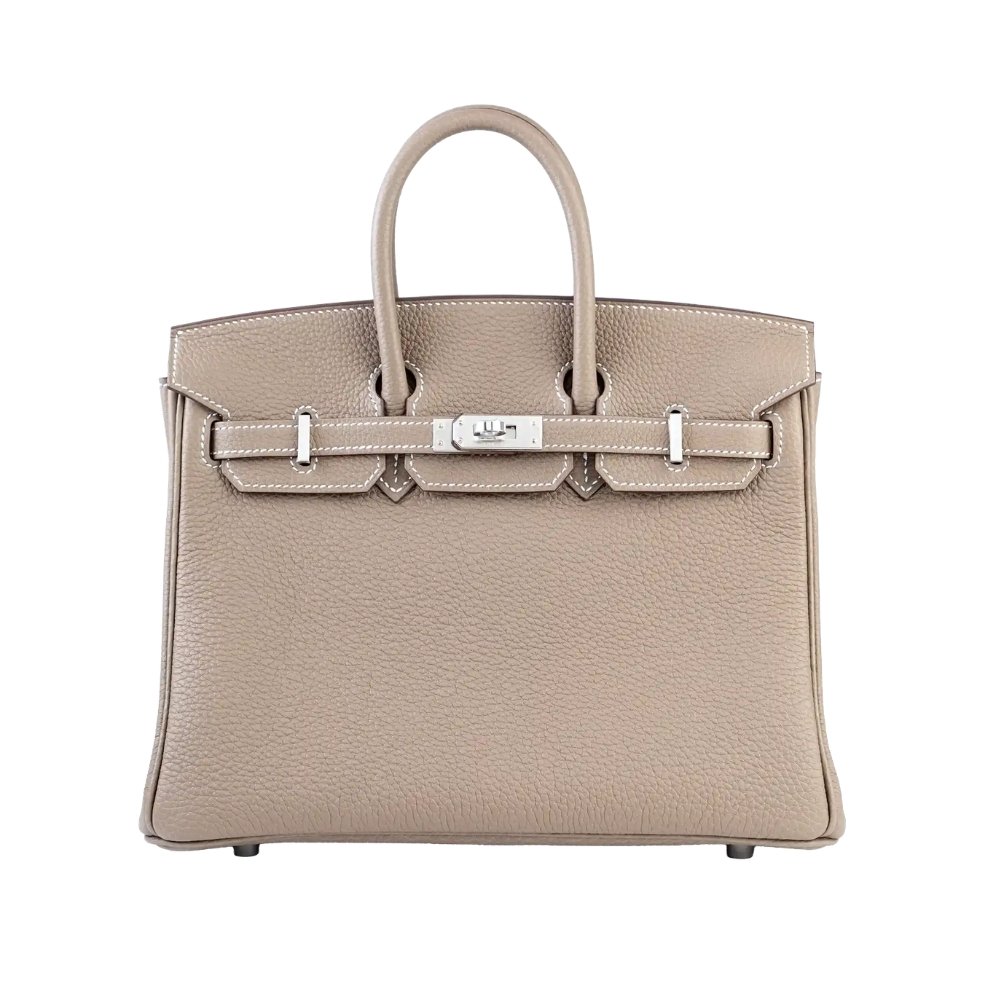
Neutral Shades (Gold, Etoupe, Black)
Strongest resale appeal
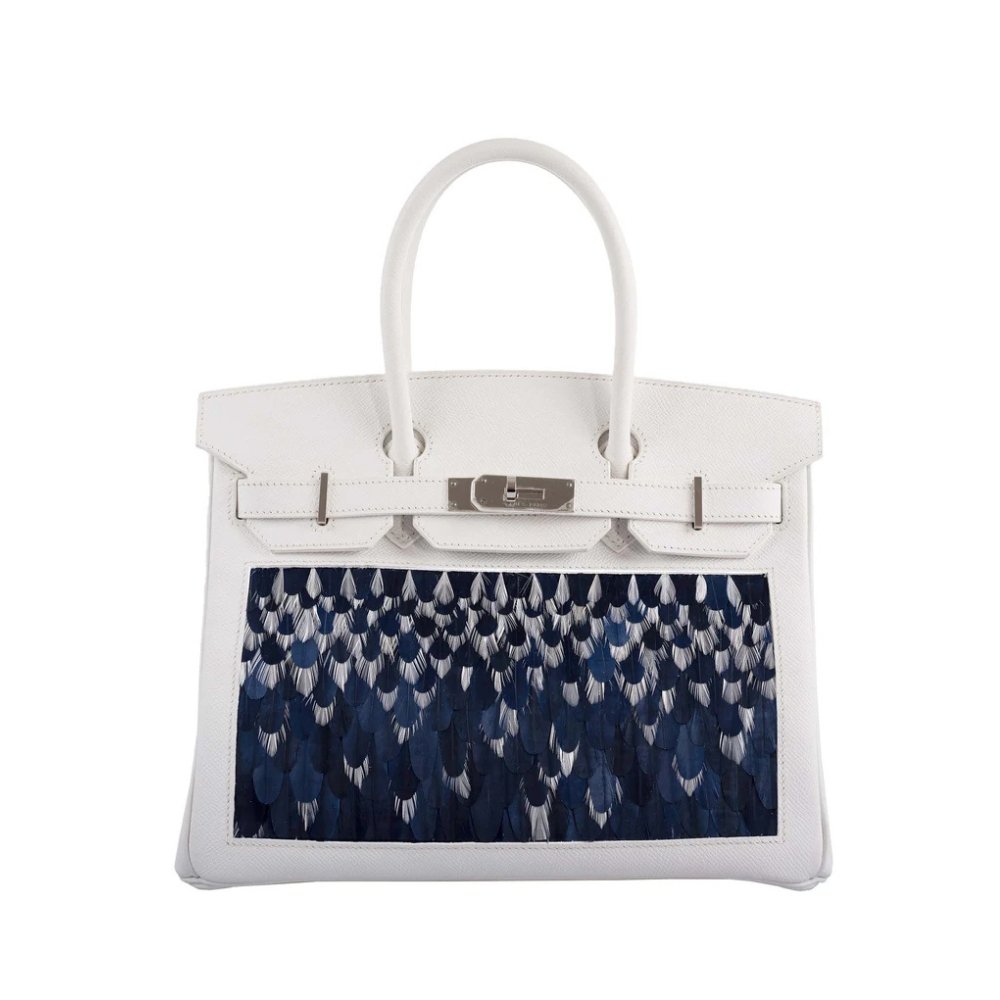
Vintage Birkins (Pre-2010)
Heavier leather, collector interest
Pros & Cons
| Pros | Cons |
|---|---|
| Exceptional craftsmanship | Extremely high price |
| Strong resale and liquidity | Difficult boutique access |
| Timeless, heritage design | Hand-carry only |
| Scarcity supports value | Heavy compared to modern bags |
Final Verdict: Is the Hermès Birkin Worth the Price?
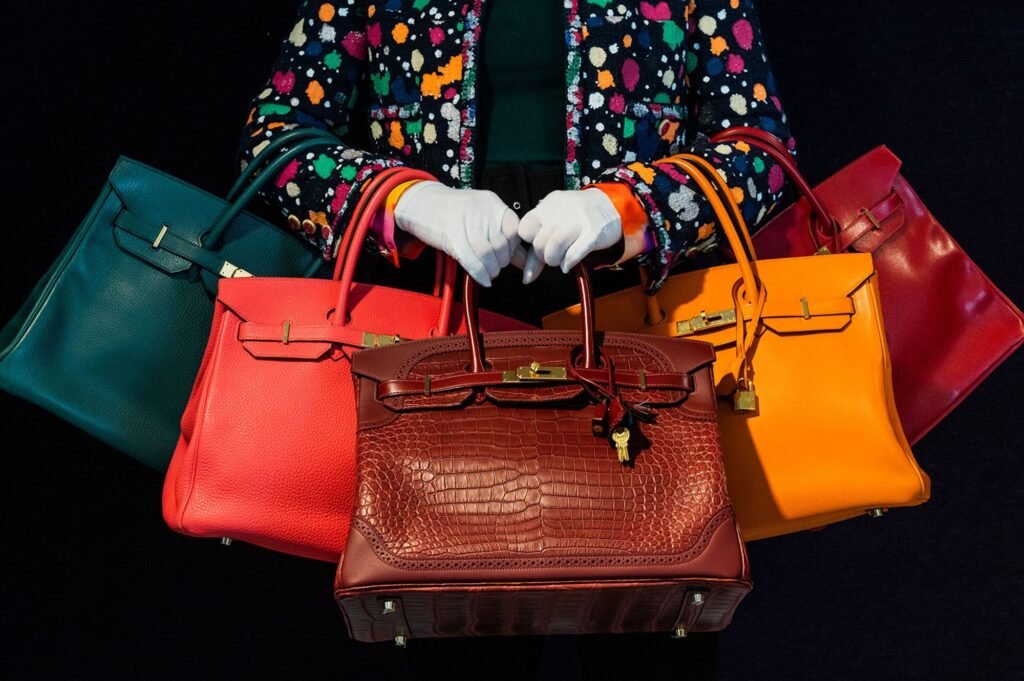
Yes—for buyers who value craftsmanship, exclusivity, and long-term value stability.
The Hermès Birkin is not merely expensive—it is intentionally scarce and meticulously crafted. It performs uniquely well across the pillars that define ultra-luxury: artisanal quality, controlled supply, and market resilience.
It is not the most convenient handbag.
It is not the most accessible.
But in the world of luxury, it remains one of the few objects that genuinely justifies its legend.
