
TL;DR
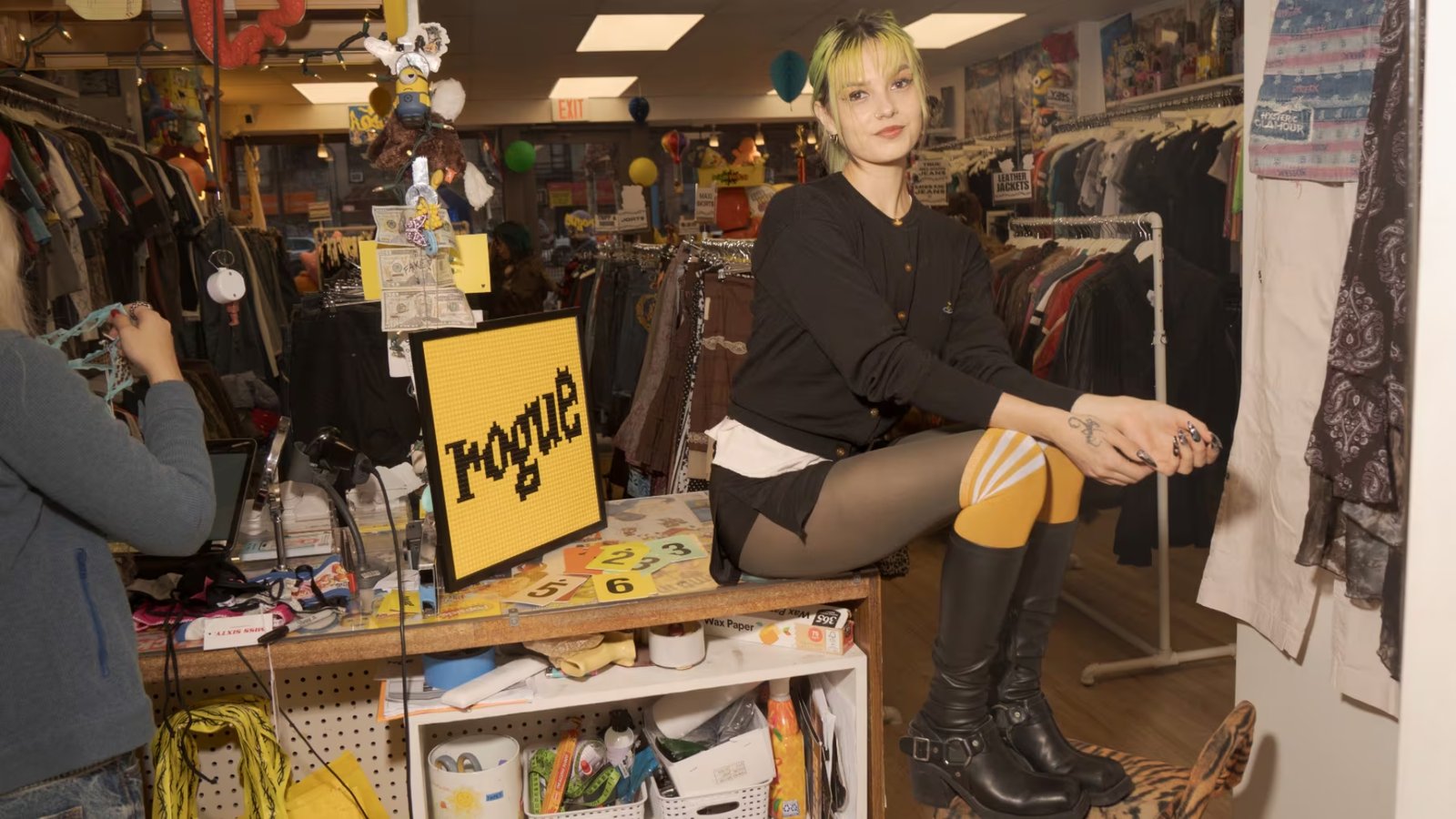
Gen-Z TikTok creator Emma Rogue is building a Y2K vintage retail and cultural hub that blends physical retail with content creation and community engagement — exemplifying how fashion experiences are evolving in 2026.
At a Glance
- A Gen-Z TikTok creator named Emma Rogue has built a thriving Y2K vintage fashion hub, blending content creation with physical retail.
- Rogue’s model uses her three NYC storefronts not just as shops, but as content and community spaces that attract a younger audience.
- The rise of Y2K fashion reflects broader Gen-Z cultural nostalgia and social-media-driven trend cycles.
- Her approach showcases how retail and media increasingly overlap in youth-led fashion economies.
Editorial Perspective
A new chapter in retail is unfolding where content, community and commerce intersect — especially among Generation Z. As younger consumers gravitate toward styles that connect emotionally and culturally, figures like Emma Rogue are rewriting the script on how fashion is marketed, experienced and consumed. The revival of Y2K vintage fashion — a trend rooted in early 2000s aesthetics and nostalgia — has not only created demand for throwback pieces but has catalysed a new kind of retail ecosystem owned by a generation that lives online and shops IRL.
From TikTok to Retail Hub
According BoF, what makes Rogue’s story noteworthy is her ability to translate social media influence into real-world retail traction. Starting as a TikTok creator focused on fashion content, she has expanded into a multi-location retail brand that functions as both a shopping destination and a cultural hub.
Unlike traditional vintage shops that rely on curated inventory alone, Rogue’s spaces are designed to be dynamic social environments — they host content creation, in-store events, and moments that are broadcast back to thousands of online followers. This strategy turns every visit into a story, an experience, and a piece of shareable content that feeds the brand’s momentum.
Y2K Nostalgia Meets Gen-Z Cultural Expression
The rise of Y2K vintage is part of a broader cultural movement. Gen-Z consumers have embraced styles from the late 1990s and early 2000s — including low-rise jeans, baby tees, brand-heavy pieces, dynamic colors, and nostalgic textures — as a form of aesthetic self-expression.
This revival is not simply about nostalgia; it’s about identity, community and reclaiming culture through style. For many young people, retro pieces embody a sense of distinction and personality that contrasts with generic mass fashion — turning Y2K fashion into both a social marker and a cultural lingua franca among peers.
A Model for Next-Gen Retail
Rogue’s approach illustrates a new paradigm in retail where:
- Physical stores act as media stages, amplifying brand narratives that extend far beyond product display.
- Social media and in-store culture feed into one another, creating a loop of engagement that fuels both online visibility and foot traffic.
- Community building is central to growth, not just marketing. Spaces become hubs where fashion, creativity and identity converge.
This blend of commerce and culture marks a departure from passive retail experiences and signals a shift toward interactive brand ecosystems driven by cultural relevance.
What This Means for Fashion and Retail in 2026
The success of creators like Rogue underscores several emerging truths:
- Gen-Z shoppers value authenticity and cultural resonance over traditional brand heritage or status cues.
- Retail spaces must offer experiences, not just transactions — especially for younger audiences who see fashion as a social language.
- Content strategy and commerce are inseparable in modern fashion businesses, with creators powering both discovery and demand.
In this evolving landscape, brands that embrace community-centric, content-forward, and culturally fluent models will be better positioned to capture both attention and loyalty.
