
TL;DR
At the 2026 Golden Globes, fragrance brands are quietly elevating their presence by sponsoring beauty professionals and embedding scent into red carpet narratives — turning perfume into a cultural accessory and strategic marketing tool.
At a Glance
- Fragrance brands are increasing their cultural footprint at the 2026 Golden Globes, turning scent into a red carpet accessory with subtle sponsorship of celebrity beauty professionals and backstage activations.
- The trend traces back to a visible presence at the 2025 Golden Globes, where brands like Phlur first sparked this approach.
- Established houses such as Parfums de Marly and Inito Parfums Privé continued this strategy for the 2026 awards season.
- Fragrance is emerging as more than a finishing touch — it’s now woven into beauty programming and celebrity image narratives at major cultural events.
Editorial Perspective
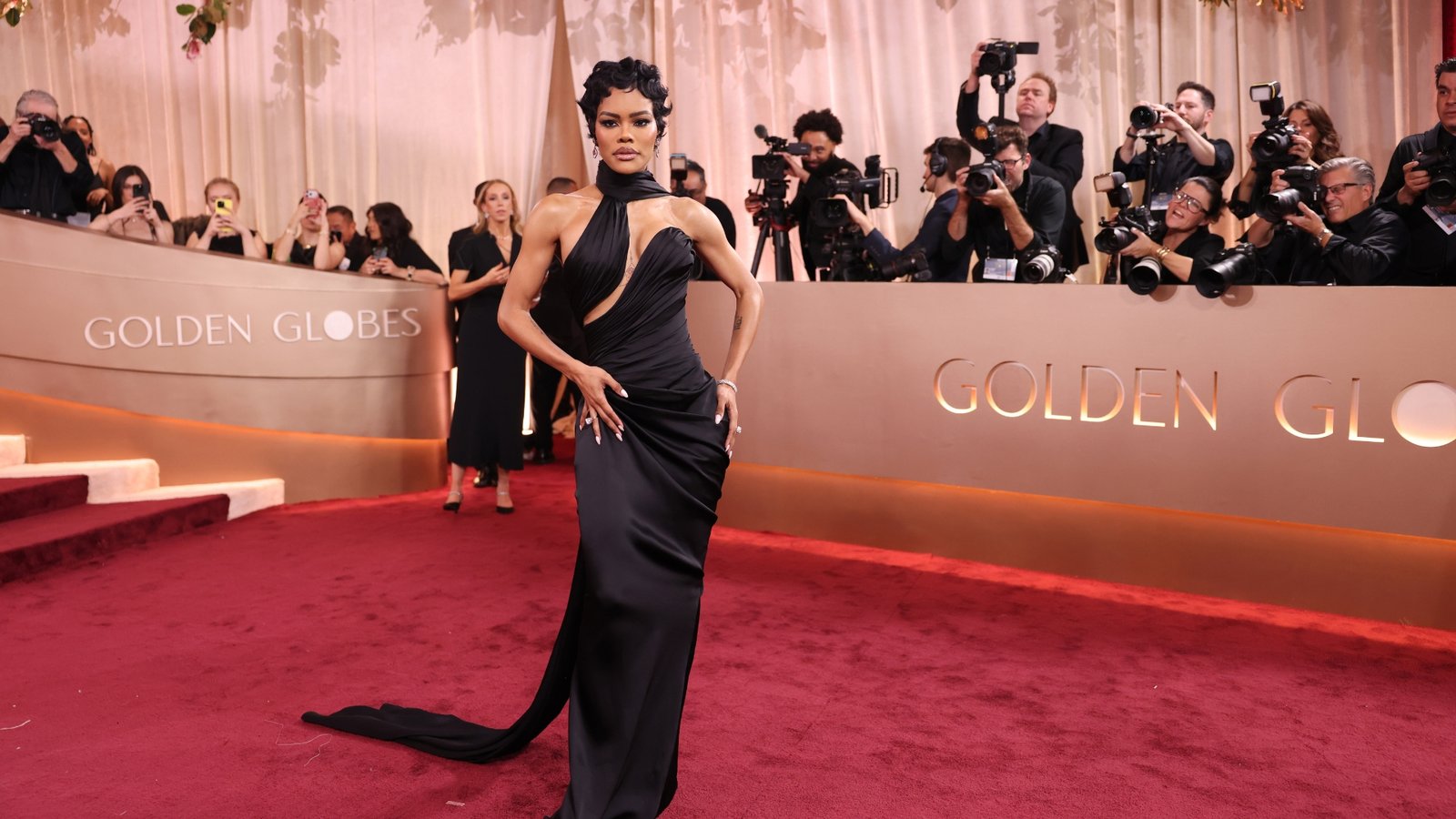
A perfume bottle used to sparkle quietly on a vanity or in a boutique — but in 2026, scent is increasingly part of luxe event culture itself. At the Golden Globes, where fashion, film, and beauty converge under global spotlight, fragrance houses are staking a claim on visibility not through loud logos, but by aligning with celebrity beauty teams, red carpet makeup artists, and curated scent moments.
This trend reflects a deeper shift in how luxury fragrance is marketed: less as a product and more as personal expression, cultural dialogue, and lifestyle accessory at premier social stages.
The Strategy Behind Scent at Stars Events
Perfume brands have traditionally relied on advertising and retail presence to drive desirability. But at live events like the Golden Globes, fragrance sponsorship may be invisible yet impactful — mirrored in the way artists, stylists, and beauty professionals elevate fragrances as part of a celebrity’s presentation or backstage ritual.
In 2025, Phlur ignited this approach at the Golden Globes, and for 2026, heritage and niche houses like Parfums de Marly and Inito Parfums Privé have continued similar efforts. Their involvement includes supporting beauty professionals whose choice of scent or hair fragrance can subtly influence broader awareness without overt branding.
Rather than traditional product placement, these strategies treat fragrance as a cultural accessory — a sensory detail that complements fashion, makeup, and celebrity identity.
Why Fragrance Matters in 2026 Red Carpet Culture
The 2026 awards season — led by events like the Golden Globes — is setting early trend lines for how fashion and beauty will interact with wider culture this year. In this moment:
- Fragrance becomes narrative — scent stories add depth to red carpet imagery and celebrity branding.
- Subtle sponsorships align with experiential luxury — behind-the-scenes beauty experts champion scent as part of holistic celebrity outfitting.
- Perfume’s cultural currency grows — driven by broader industry data showing fragrance’s resonance with younger consumers as a form of identity expression.
CEW note that perfumes and luxury scents surged past makeup and skincare in category growth in 2025, buoyed by consumer willingness to adopt scent as central to personal style rather than ancillary finishing touch.
What This Means for Luxury Beauty Brands
For fragrance houses, red carpet integration represents both brand storytelling and strategic positioning in a crowded beauty landscape:
- Red carpet moments complement traditional advertising with immersive cultural relevance.
- Partnerships with beauty professionals allow brands to embed scent into celebrity personas without overt branding.
- As fragrance becomes part of cultural conversations at high-visibility events, luxury scent houses can tap new audiences beyond typical beauty channels.
In a world where personal identity and sensory storytelling increasingly drive consumer decisions, winning the scent narrative at cultural touchpoints may be as valuable as traditional display campaigns.
