
TL;DR
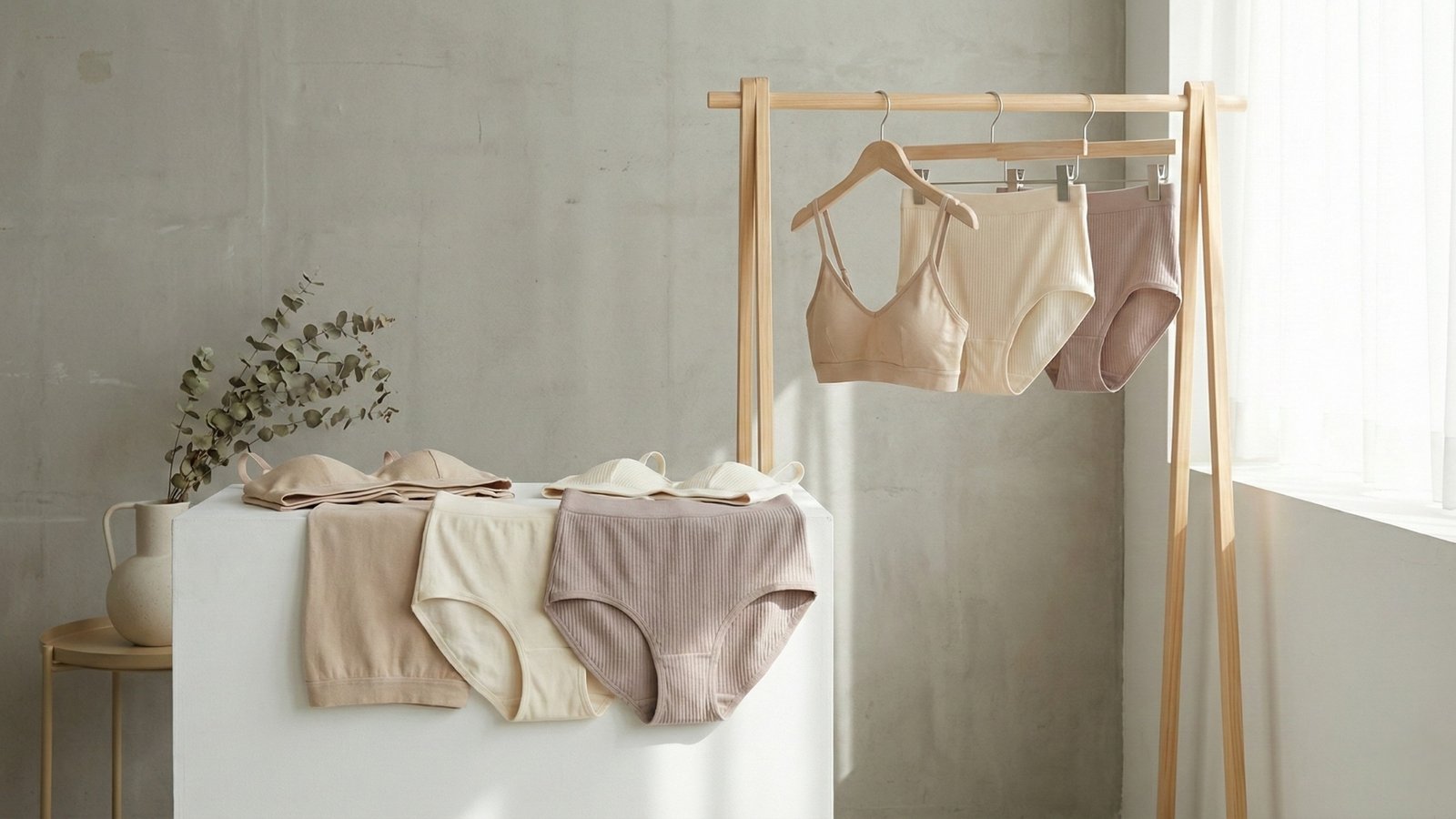
EDN has launched a new line of women’s bralettes and underwear designed to be plastic-free, according to WWD. The collection highlights a growing shift toward sustainability in the intimates market, proving that eco-conscious design now extends to even the most essential layers of fashion.
At a Glance
- Intimates brand EDN has launched a new line of women’s bralettes and underwear designed to be plastic-free, according to WWD.
- The collection focuses on sustainability, comfort, and material innovation, avoiding synthetic plastics commonly used in intimates.
- EDN’s approach responds to growing consumer demand for environmentally responsible fashion, even in traditionally overlooked categories like underwear.
- The move highlights how sustainability is reshaping not just outerwear and accessories, but the most intimate layers of fashion.
- This launch positions EDN as part of a broader shift toward transparency, longevity, and eco-conscious design in the intimates sector.
Why Anti-Plastic Intimates Matter
The fashion industry’s reliance on plastic-based fibers—especially in stretch garments—has long been a sustainability challenge. EDN’s launch underscores why change is necessary.
Key sustainability issues in traditional intimates:
- heavy use of synthetic elastics and poly-based fabrics
- microplastic shedding during washing
- short product lifecycles leading to waste
- lack of transparency around materials
By removing plastic components where possible, EDN aims to reduce environmental impact without compromising comfort or wearability.
Design Meets Responsibility
According to WWD, EDN’s new collection balances sustainability with design—an important factor for modern consumers who no longer accept “eco” as a compromise on aesthetics.
Collection highlights include:
- soft, breathable natural materials
- minimalist silhouettes suited for daily wear
- neutral color palettes for versatility
- comfort-driven construction without excessive synthetics
The result is an understated, refined aesthetic that aligns with today’s preference for quiet, thoughtful design.
A Growing Shift in the Intimates Market
EDN’s launch arrives amid a broader transformation in the intimates industry. Consumers are demanding:
- transparency around materials
- ethical manufacturing practices
- longer-lasting basics
- reduced environmental impact
Brands that fail to address these concerns risk losing relevance—particularly among younger, sustainability-aware shoppers.
This signals a future where underwear is no longer disposable, but considered an investment in both comfort and values.
What This Means for Sustainable Fashion
EDN’s anti-plastic initiative reflects a larger movement across fashion:
- sustainability expanding beyond outerwear
- innovation in material science
- a push for accountability in everyday essentials
- eco-consciousness becoming a baseline expectation
As sustainability matures, brands are being judged not just by their hero products, but by how responsibly they design even the smallest items.
What to Watch Next
As EDN’s collection reaches consumers, several factors will determine its broader impact:
- performance and durability over time
- consumer adoption of plastic-free intimates
- scalability of sustainable materials
- influence on larger intimates and fashion brands
If successful, EDN’s approach could inspire industry-wide changes in how intimates are designed and produced.
Editorial Perspective
Sustainability conversations in fashion often focus on coats, denim, or handbags—but intimates are rarely part of the spotlight. EDN’s anti-plastic bralette and underwear collection challenges that oversight.
Underwear is one of the most frequently purchased and worn categories in fashion, yet it often relies heavily on synthetic fibers that contribute to microplastic pollution. By addressing this gap, EDN isn’t just offering a new product—it’s questioning an industry norm.
This move reflects a deeper evolution in consumer values: sustainability is no longer optional, and it must extend to every layer of the wardrobe.
