
TL;DR
Some fashion and luxury brands are preferring Pinterest over Instagram in 2026 because Pinterest’s discovery mechanisms, long-lived content, and search-oriented user behaviour better support sustained engagement and purchase intent than the fast-moving, fleeting feed model of Instagram.
At a Glance
- Pinterest is increasingly preferred by brands for search-driven discovery and long-term content visibility, offering a different value-chain than Instagram.
- Unlike Instagram’s feed-and-story tempo, Pins can continue to attract views and traffic for months or years after posting, enhancing return on content investment.
- Pinterest’s model functions more like a visual search engine, where consumers actively plan purchases and discover products — making it compelling for e-commerce conversion.
- Brands with inspiration-led content, including fashion and luxury labels, find Pinterest useful for turning discovery into measurable traffic and sales, particularly for lifestyle-aligned audiences.
Editorial Perspective
In 2026, social media marketing strategies are fragmenting beyond single-platform dominance. While Instagram remains a powerful visual engagement engine — especially for storytelling and real-time cultural dialogue — Pinterest is carving out a unique role as a discovery-driven marketplace where consumers search with intent and content retains value far longer than typical social feeds.
According The Kara Report, this shift reflects how modern consumers move from inspiration to purchase: rather than scrolling endlessly for entertainment, many are using platforms like Pinterest to explore future plans, gather ideas and bookmark content that reflects their tastes and intentions — often tied to key life moments and luxury purchases.
Pinterest vs. Instagram: Different Marketing Roles
1. Intent-Driven Discovery
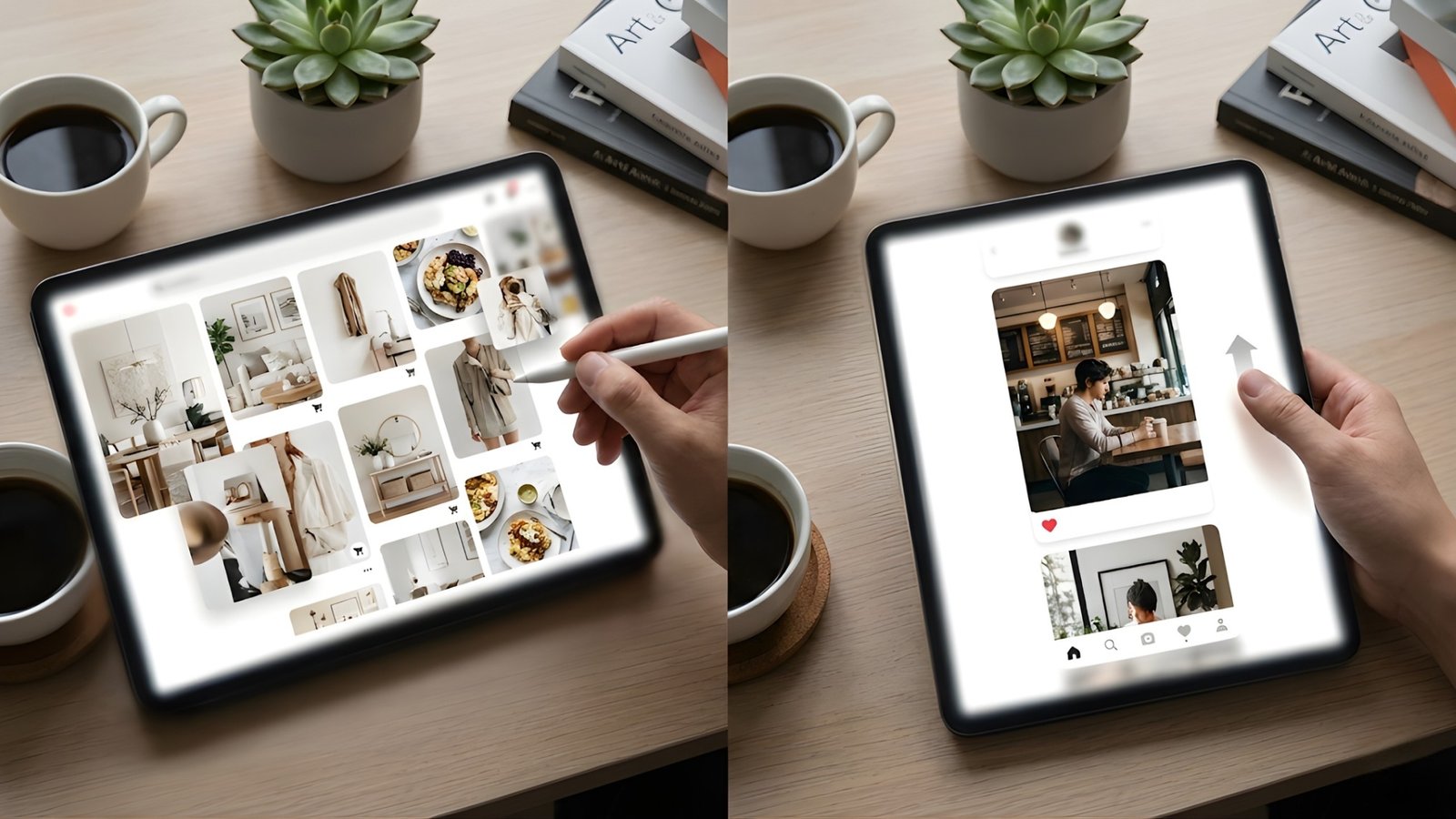
Pinterest functions less like a traditional social feed and more like a visual search engine, where users embark on discovery journeys that directly correlate with future buying decisions. Pins remain visible and searchable over time, unlike ephemeral posts or stories.
This means content optimized for keywords and aesthetics can continuously surface to users who are actively planning outfits, weddings, travel, home décor, seasonal wardrobes or gift ideas — enduring far beyond the hours or days typical on Instagram.
2. Evergreen Content and Long-Term Traffic
On Instagram, content is tightly tied to the now — trending moments, influencer posts and algorithmic feeds that reward recency. In contrast:
- Pinterest posts (“Pins”) can generate traffic and engagement months or even years after they’re published, giving brands long-term SEO-like value.
- Pinterest’s architecture — boards, keyword-rich descriptions and search suggestions — helps content stay findable rather than fleeting.
For luxury and fashion brands that create highly visual, trend-forward but timeless content — from mood boards and runway retrospectives to curated product galleries — this evergreen visibility can translate into sustained awareness and referral revenue across the purchase funnel.
3. Transactional Mindset
Pinterest users often arrive with future-oriented intent — they aren’t just browsing, they’re planning. Whether it’s a wedding look, a holiday wardrobe or design inspiration, people use Pinterest with a purpose that frequently spans weeks or months, making the platform especially valuable for brands selling aspirational products and lifestyle stories.
This contrasts with Instagram’s in-the-moment feeds geared to engagement metrics (likes, short videos, influencer impressions) but less directly tied to purchase planning and discovery over time.
4. Demographic Alignment
Pinterest’s user base — which historically skews toward consumers actively seeking ideas and planning purchases — aligns with fashion and lifestyle brands looking to capture intentional discovery rather than fleeting attention spikes.
For luxury segments, where brand storytelling and emotional inspiration dovetail with long purchase cycles, Pinterest enhances the opportunity to shape that journey from moodboard to checkout.
What This Means for Fashion & Luxury in 2026
The trend toward Pinterest isn’t a wholesale replacement for Instagram — far from it — but rather indicates a diversification of brand media strategy:
- Instagram excels at cultural resonance, community engagement, and trend moments — ideal for heritage drops, celebrity partnerships and social storytelling.
- Pinterest excels at discovery, evergreen inspiration and conversion pathways — ideal for brands that want their content to continue earning engagement and traffic long after publishing.
- Smart marketers are increasingly using both platforms in tandem: Instagram for brand heat and Pinterest for brand depth.
Understanding these differences helps brands allocate creative and ad spend more strategically — matching the right visual message with context-specific consumer intent.
