
TL;DR
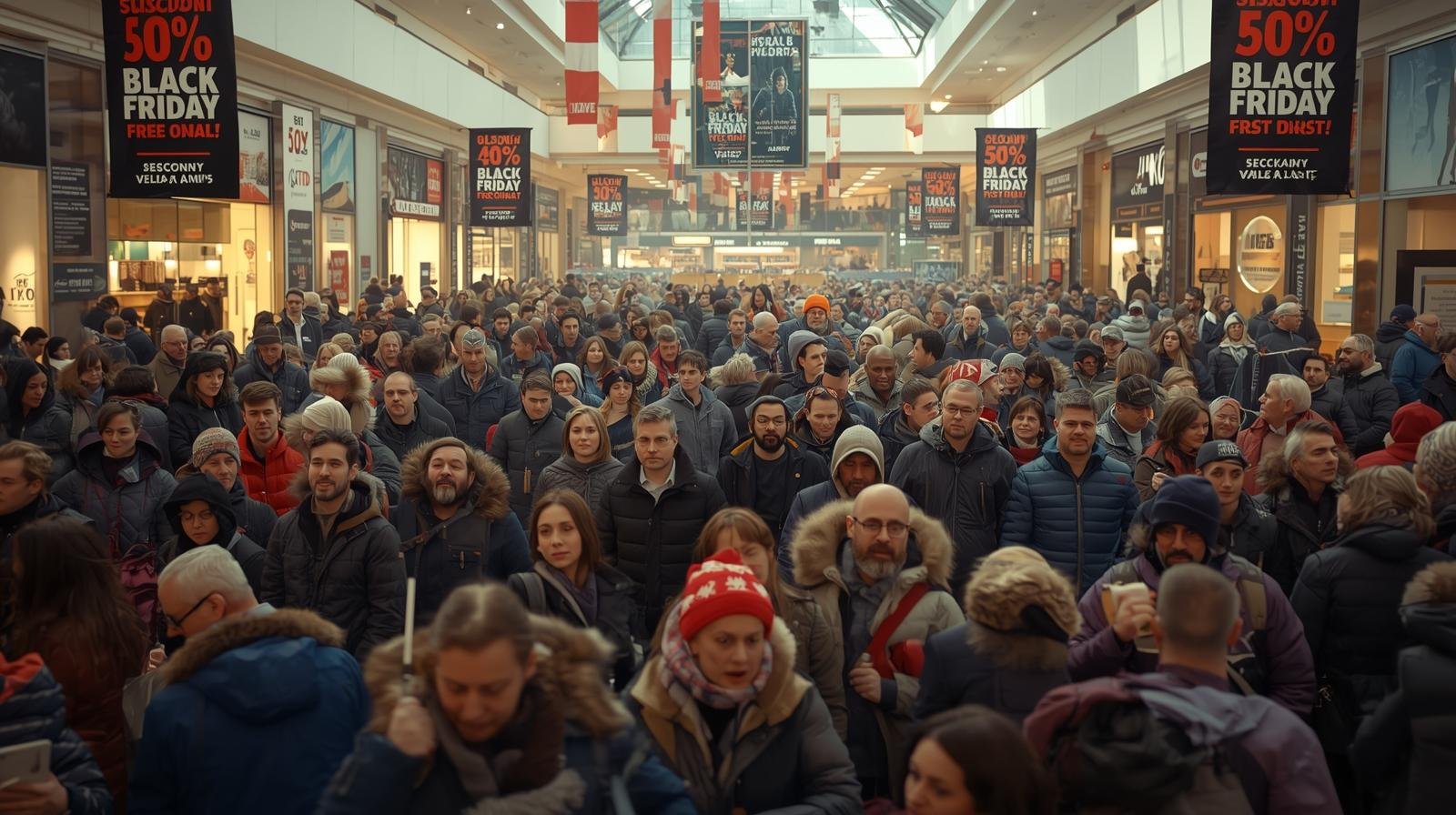
Black Friday 2025 brings record crowds but reduced spending per person. Cautious shoppers are still buying — but selectively — pushing brands to balance value, quality, and targeted promotions. Retail success now relies on strategy, not sheer discount volume.
At a Glance
- This year’s Black Friday arrives amid economic uncertainty — consumer sentiment is low even as foot traffic surges. (Reuters)
- A widely-cited survey projects that average spending per shopper will drop from roughly $650 in 2024 to about $622 in 2025 — a 4% decrease. (Business of Fashion)
- Meanwhile, large crowds are expected at stores — but many will shop cautiously, seeking quality at value rather than mass buying. (Independent)
- The result: a paradox — record shopper turnout, yet lower per-capita spending. Retailers and brands must adapt to a season where discounting, value perception, and selective spending drive success rather than impulse buys.
Why Black Friday 2025 Feels Different
Economic Mood Is Sombre
Despite all the marketing hype, many consumers are entering the holiday shopping season more cautious than ever. Inflation, tariffs, and a soft labor market have squeezed household budgets. Consumer confidence has dropped significantly, influencing the decision to spend — but profits from necessities remain high.
This insecurity doesn’t mean people aren’t shopping — rather, they’re being selective. That’s why spending per person is forecasted to dip even as store-traffic rises.
A Widening Wealth Divide Shapes Behaviour
Retailers are reporting a widening gap: those with means continue to buy high-quality, premium items, while mid-income and budget-conscious shoppers pull back. The result is a dual-speed holiday season — value-seekers hunt for deals, while affluent buyers continue investing in luxury pieces.
Deals Are More Targeted, Not Generous
Unlike the dramatic markdowns of the past decade, Black Friday 2025 offers more selective and curated pricing strategies. Retailers are choosing strategic bundles or limited markdowns rather than steep, sweeping discounts — adjusting to a more cautious consumer base.
What This Means for Retailers & Luxury Brands
- Discounting must be strategic. Mass markdowns risk weakening brand identity. Instead, curated price cuts or exclusive offers keep margins healthy and prestige intact.
- Clear value messaging wins. Transparency about materials, craftsmanship, durability, and price integrity resonates strongly in a cautious climate.
- Omnichannel flexibility is crucial. Consumers increasingly split their shopping across online, mobile, and physical stores — seamless transitions are essential.
- Audience segmentation drives conversions. Understanding high-spenders vs. bargain-hunters allows brands to tailor promotional strategies efficiently.
For the Consumer: How to Shop Smart This Black Friday
- Prioritize value, not volume. Choose items that last — leather accessories, quality basics, premium winterwear.
- Research before buying. Compare prices, track historical discounts, avoid panic-purchase traps.
- Time your purchases. With promotions staggered across weeks, not all early deals are best deals.
- Balance needs with wants. Buy practical essentials, but allow room for a meaningful, well-chosen style upgrade.
Editorial Perspective
Black Friday’s paradox this year highlights a deeper shift in consumer psychology: people still enjoy the ritual of shopping, but they’re no longer buying mindlessly. This signals a new era where value, quality, and intentional spending matter more than the thrill of a discount.
For retailers—especially luxury brands—the winners will be those who embrace transparency, resist race-to-the-bottom pricing, and focus on long-term loyalty over short-term volume. Black Friday is no longer about the loudest doorbuster; it’s about the smartest proposition.
For consumers, this landscape encourages a healthier relationship with holiday shopping: buying what truly adds value, investing in pieces that last, and approaching promotions with clarity instead of impulse. The chaos of Black Friday may still fill the malls, but the mindset behind each purchase is evolving — and that evolution is worth watching.
