Thursday, October 22, 2026
Home Omega — Brand Profile

Omega

• Website: omegawatches.com
• Founded: 1848, La Chaux-de-Fonds, Switzerland.
• Founder: Louis Brandt
• Owned By: Swatch Group
• Known For: Speedmaster Moonwatch, Seamaster, Constellation, Olympic timekeeping, Co-Axial escapement
• Category Focus: Luxury watches, chronographs, diving watches, dress watches, watch accessories

Omega is one of Switzerland's most influential watchmakers, renowned for precision, technical innovation, and its connections to sport and space exploration. Founded in 1848 by Louis Brandt, the company developed from a small watchmaking workshop into a global brand whose timepieces have accompanied athletes, divers, and astronauts.

Known for combining practical performance with enduring design, Omega has created some of watchmaking's most recognizable collections. Signatures—including the Speedmaster Moonwatch, Seamaster, Constellation, and Co-Axial escapement—reflect its long pursuit of accurate and reliable timekeeping.

Today, Omega is part of Swatch Group, continuing to develop Swiss mechanical watches under President and Chief Executive Officer Raynald Aeschlimann.

Iconic Omega Products

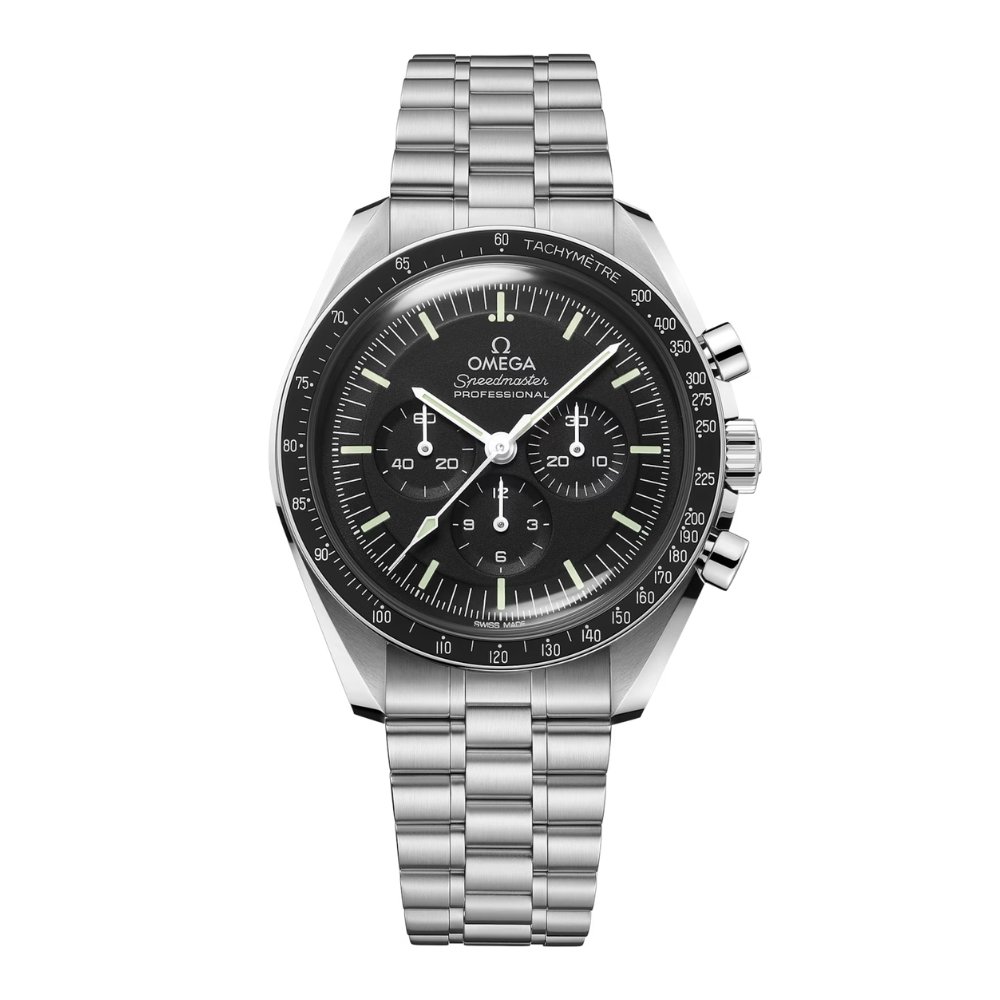
Omega Speedmaster Moonwatch

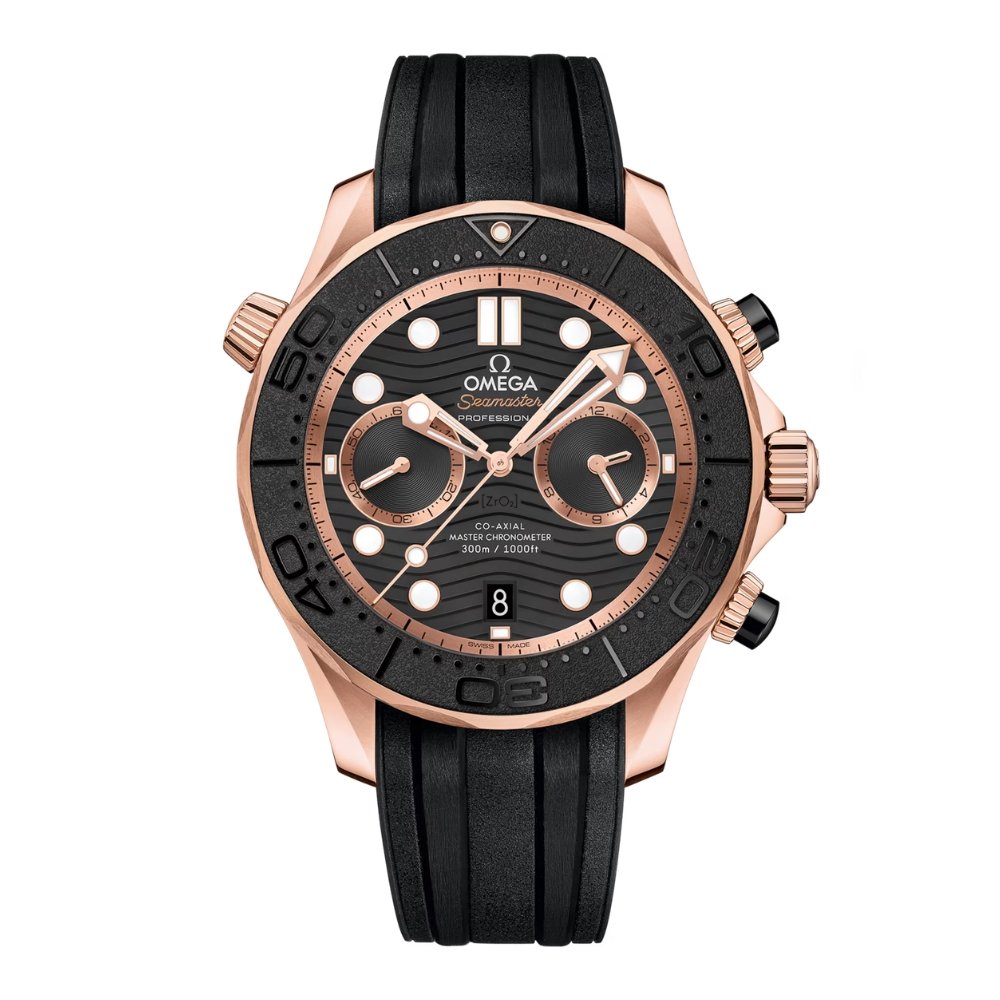
Omega Seamaster Diver 300M

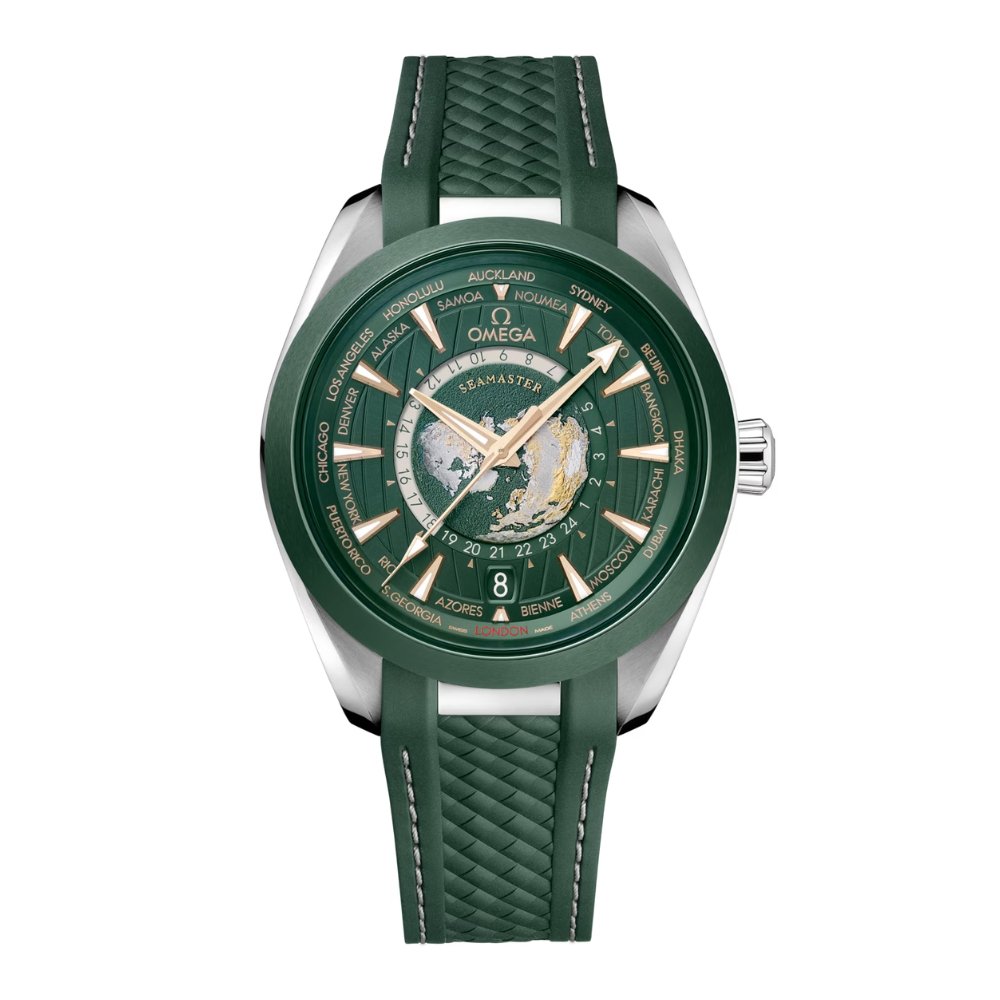
Omega Seamaster Aqua Terra

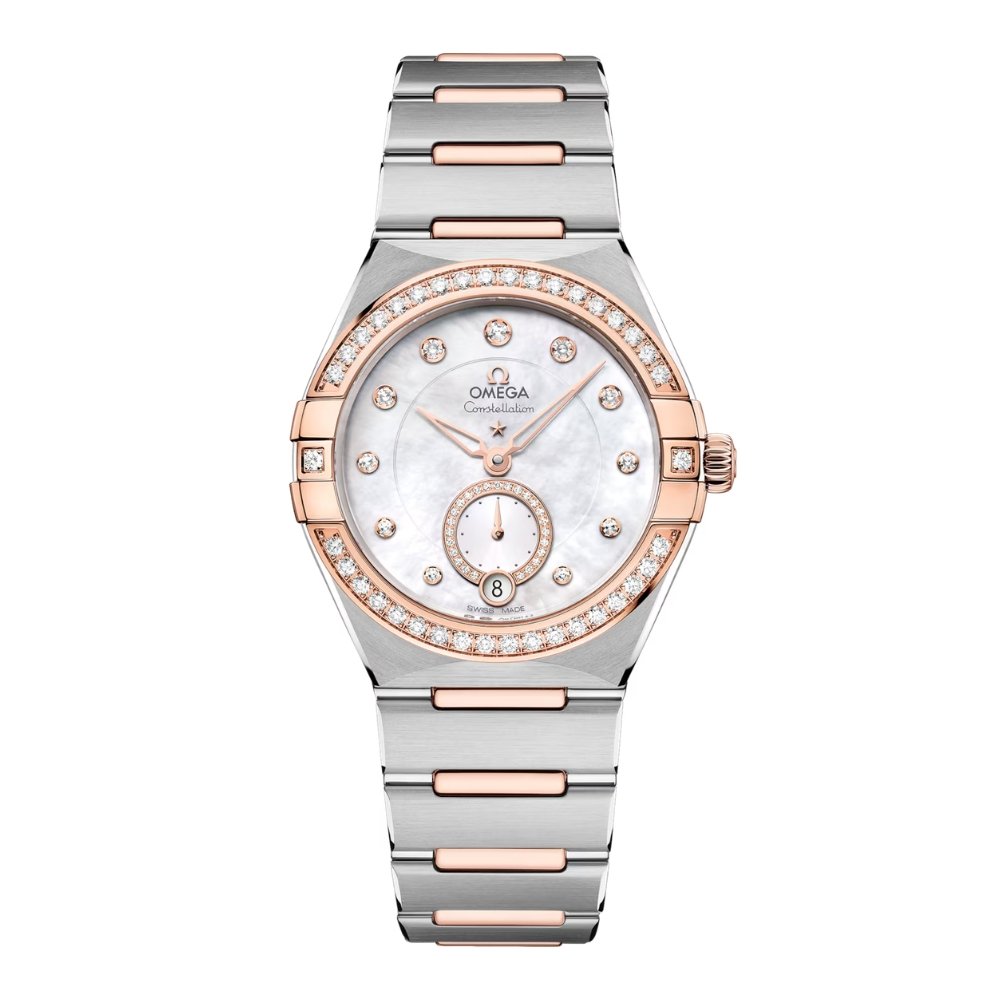
Omega Constellation

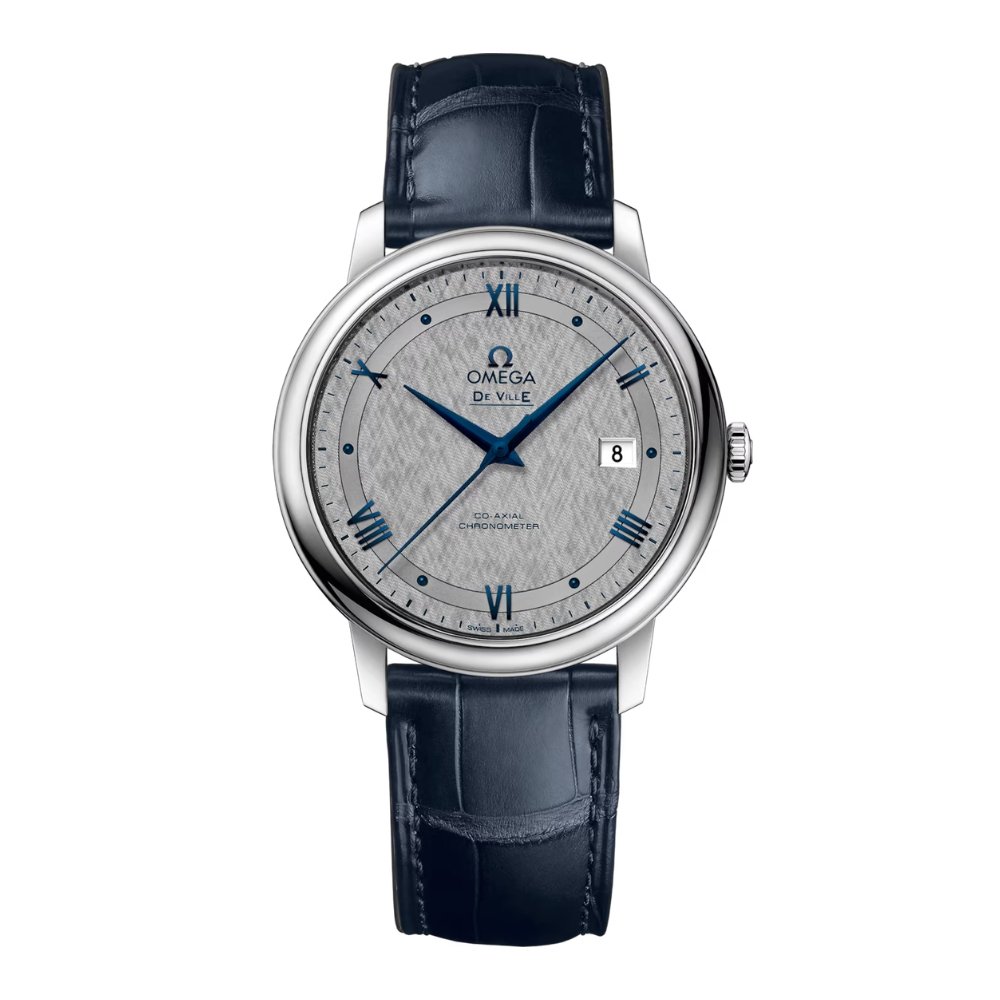
Omega De Ville Prestige

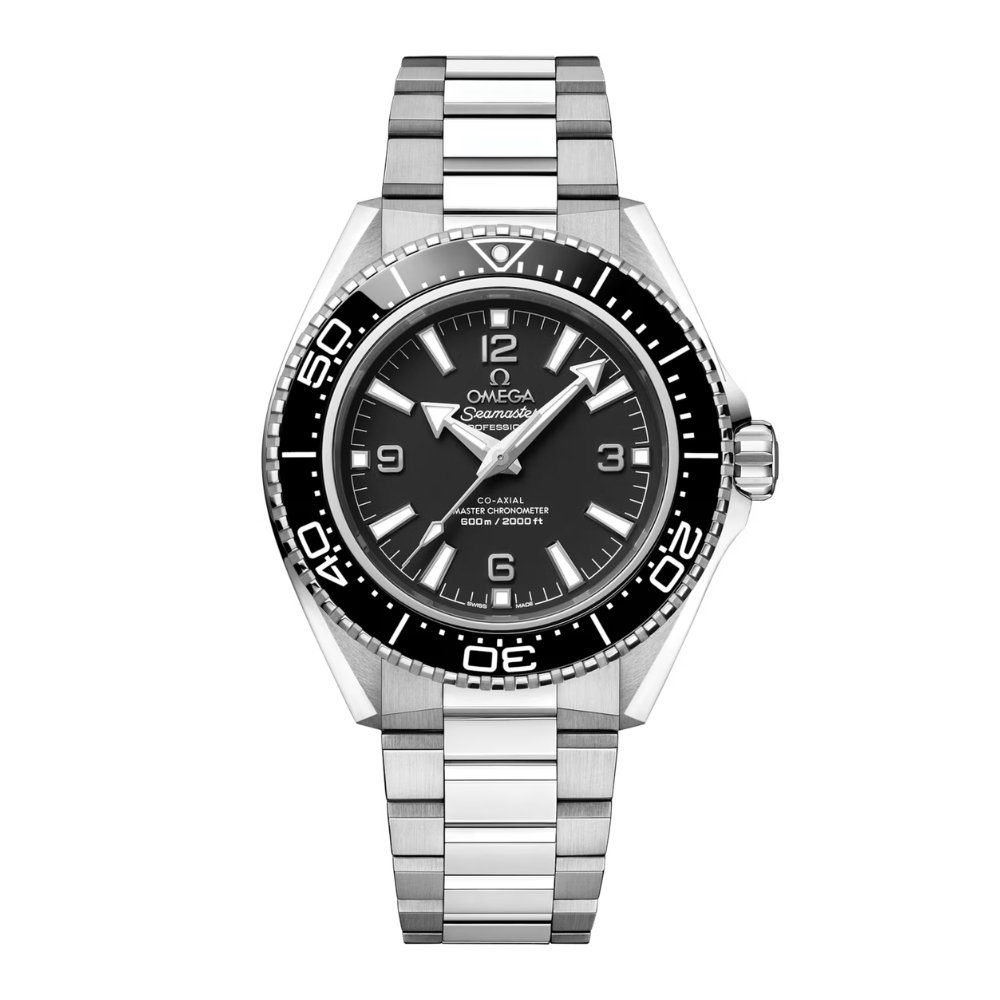
Omega Planet Ocean

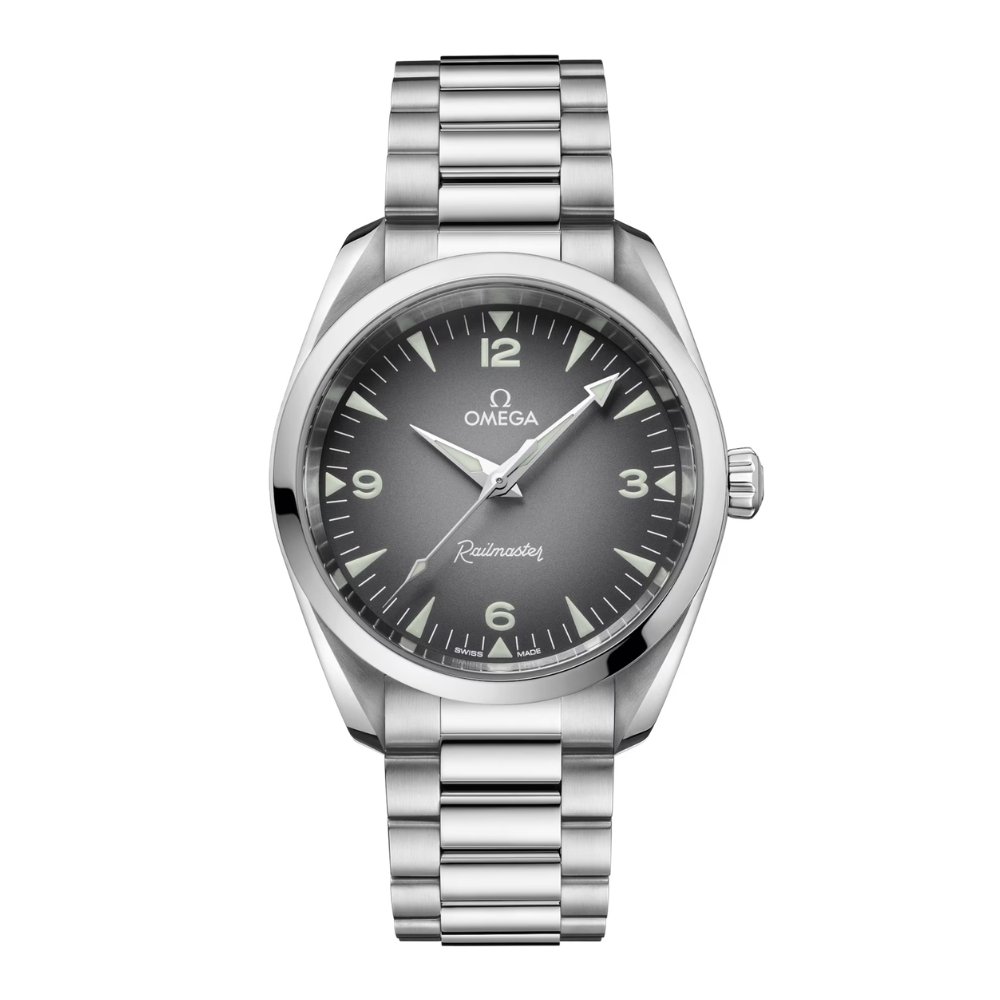
Omega Railmaster

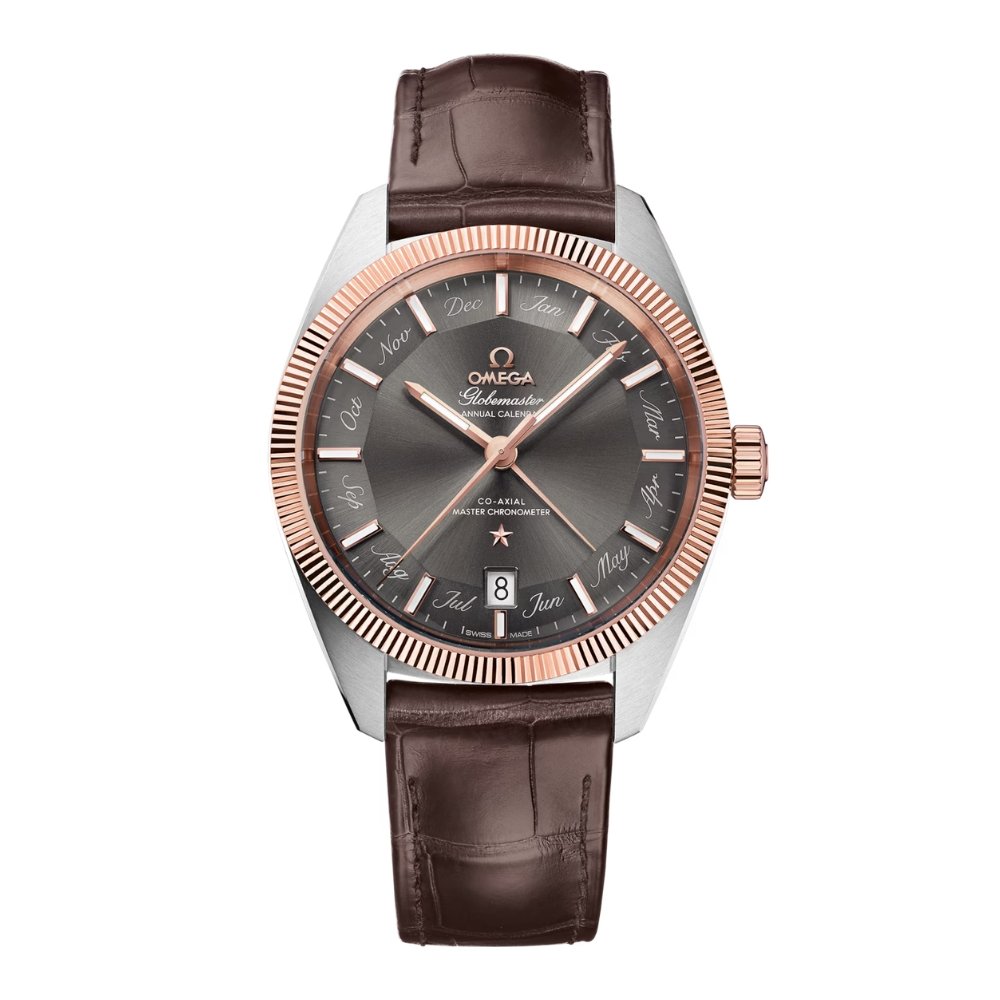
Omega Globemaster

Omega History & Heritage

Omega's story began in 1848, when Louis Brandt started assembling precision pocket watches in La Chaux-de-Fonds, Switzerland. The introduction of the Omega calibre in 1894 gave the company the name it would later adopt and established its reputation for reliable, efficient watch production.

During the twentieth century, Omega expanded from precision watchmaking into professional instruments. Its role as an Olympic timekeeper, the development of the Seamaster and Speedmaster collections, and NASA's selection of the Speedmaster for crewed missions placed the brand at the center of sport and exploration.

Today, Omega continues to build on that heritage through mechanical innovation, modern materials, and independent standards for watch precision and performance.

Key milestones:
• 1848: Louis Brandt establishes his watchmaking workshop in La Chaux-de-Fonds, Switzerland.
• 1894: The Omega calibre is introduced and later gives the company its name.
• 1932: Omega becomes the official timekeeper of the Olympic Games for the first time.
• 1948: Omega introduces the Centenary, its first chronometer-certified automatic wristwatch.
• 1952: The Constellation becomes Omega's first series-produced chronometer collection.
• 1957: Omega introduces the Speedmaster, Seamaster 300, and Railmaster professional watches.
• 1965: NASA qualifies the Speedmaster for all crewed space missions.
• 1969: An Omega Speedmaster is worn on the Moon during Apollo 11.
• 1999: Omega introduces the Co-Axial escapement in a production watch.
• 2015: Omega introduces Master Chronometer certification, testing precision and magnetic resistance.

Omega transformed precise timekeeping into a lasting connection between Swiss watchmaking, professional performance, and human exploration.

“Omega’s legacy is built on watches made for consequential moments. Its strength lies in combining precise engineering with designs that remain relevant long after those moments pass.”

Why Omega Matters Today

Omega matters because it has connected technical watchmaking with some of the most widely recognized achievements in sport and exploration.

Its influence can be seen across:
• The development of professional chronographs
• The evolution of diving watches
• The precision demands of Olympic timekeeping
• The role of wristwatches in space exploration

By combining Swiss engineering, functional design, and continued innovation, Omega remains a defining name in luxury watchmaking.

Omega vs Other Luxury Houses

Omega vs Longines

Omega vs Breitling

Other Brands