
At a Glance
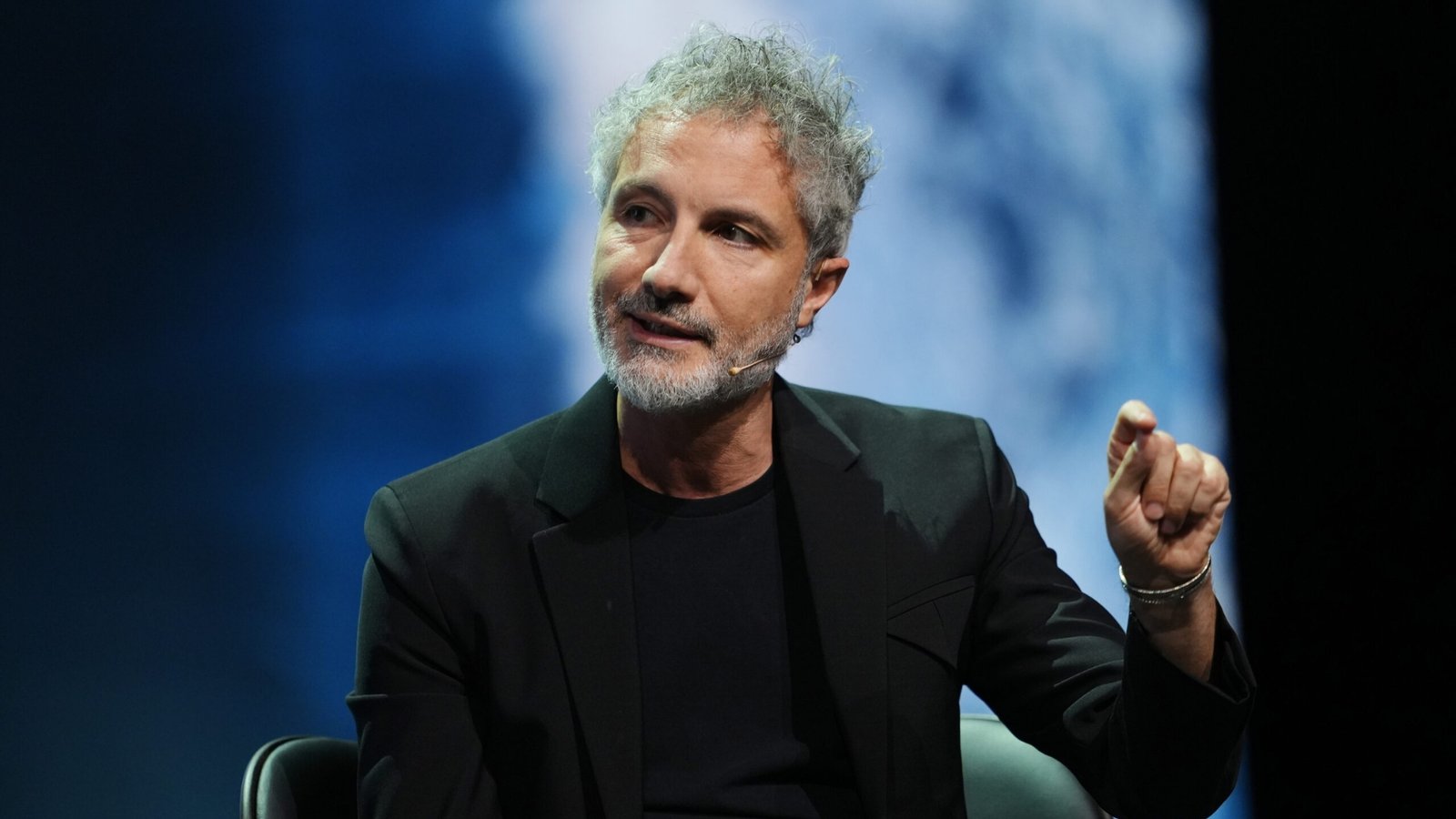
- Bartolomeo “Leo” Rongone, CEO of Bottega Veneta, will exit the brand on March 31, 2026, to take up the position of CEO of Moncler, effective April 1, 2026.
- Moncler CEO Remo Ruffini will step down from his CEO duties but remain executive chairman, maintaining oversight of creative direction and strategy while Rongone leads operational management.
- Rongone has led Bottega Veneta since 2019, guiding the brand through key transitions and growth periods under Kering’s ownership.
- Kering has launched a search for a new CEO to replace Rongone at Bottega Veneta, while Moncler aims to use the leadership shift as part of a strategic evolution as it pursues broader growth.
Editorial Perspective
In early 2026, major shifts in luxury leadership are underlining how brands are prioritising operational agility, global strategy and growth continuity amidst a more complex market landscape. The move of Bartolomeo Rongone — widely recognised for his balanced approach to heritage and modernisation at Bottega Veneta — to Moncler’s top executive role is emblematic of these strategic recalibrations.
This transition also reflects broader luxury sector dynamics: houses are increasingly seeking seasoned, brand-savvy executives with cross-brand experience to navigate shifting consumer demand, digital evolution, and global expansion strategies.
Rongone’s Journey: Bottega Veneta to Moncler
Rongone’s tenure at Bottega Veneta (part of French luxury group Kering) began in 2019, as he steered the Italian house through creative director changes and elevated its market position while preserving its craftsmanship ethos. During his leadership, the brand maintained growth momentum and reinforced its global footprint in leather goods, ready-to-wear and lifestyle categories.
His departure coincides with a period of positive momentum for Bottega — even as the industry at large faces mixed signals — and positions Rongone to bring his strategic experience to Moncler, a brand known for its luxury outerwear and growing lifestyle cachet.
According BoF, on April 1, 2026, he will step into the CEO role at Moncler, taking over from Remo Ruffini, who will transition into an executive chairman role focused on creative and long-term strategy while continuing to shape the brand’s identity.
Why This Matters for Luxury Management
1. Leadership as Strategy
Executive moves like this underscore how luxury houses are treating leadership appointments as strategic assets — not merely administrative changes. The right CEO can signal vision continuity, operational discipline, and board confidence, all of which matter in volatile markets.
2. Growth Amid Macro Pressure
With global luxury sales facing slower growth compared with previous years, brands are investing in executive structures that balance heritage branding with agile business execution — a profile Rongone exemplifies.
3. Succession Planning
Ruffini’s transition to executive chairman aligns with broader trends in luxury where founder or long-serving CEOs shift into governance and creative oversight roles, enabling a new operational leader to focus on business performance while preserving brand culture.
What’s Next for Bottega Veneta
Kering — owner of Bottega Veneta — confirmed that the search for Rongone’s successor is underway, with the current leadership team fully committed to maintaining the brand’s momentum.
This transition presents both a challenge and an opportunity: Bottega Veneta must sustain its commercial progress and creative relevance as it prepares for a new chapter under fresh leadership — even as it continues partnering with creative director Louise Trotter and expanding its global footprint.
