

Tokyo does not reveal itself through a single historic centre. Its neighbourhoods feel like destinations in their own right, connected by a railway network that makes enormous distances look deceptively simple on a map.
This guide to 1 day in Tokyo for first timers chooses three contrasting experiences: Asakusa’s temple district, Meiji Jingu’s wooded approaches and Shibuya’s contemporary street life.
The route includes one substantial cross-city transfer, then keeps the afternoon within neighbouring western districts. It assumes a full sightseeing day, with luggage stored and airport transfers arranged separately. Begin early, choose meals close to your route and leave additional attractions for a return visit.

TL;DR
| Category | LxryNow Take |
|---|---|
| Best For | First visits with one full day |
| Morning Focus | Senso-ji and the streets of Asakusa |
| Afternoon Focus | Meiji Jingu, Harajuku and Omotesando |
| Evening Focus | Shibuya Crossing and dinner |
| Best Optional Upgrade | A reserved observation-deck visit |
| Main Drawbacks | Long transfer, substantial walking and busy stations |
| Overall Verdict | A varied introduction built around three distinct areas |
LxryNow Recommendation: Enjoy Asakusa properly, reach Meiji Jingu before its seasonal closing time and finish in Shibuya without adding another district after dinner.
Your Tokyo One-Day Itinerary

| Approximate Time | Plan |
|---|---|
| 8:00–8:45 a.m. | Breakfast in or near Asakusa |
| 9:00–11:00 a.m. | Senso-ji, Nakamise and surrounding streets |
| 11:15 a.m.–12:15 p.m. | Early lunch in Asakusa |
| 12:15–1:30 p.m. | Rail journey and arrival around Harajuku |
| 1:30–2:30 p.m. | Meiji Jingu |
| 2:45–3:45 p.m. | Harajuku or Omotesando |
| From 4:00 p.m. | Shibuya Crossing and nearby streets |
| Late afternoon | Optional reserved skyline viewpoint |
| Around 6:30 p.m. | Dinner in Shibuya |
These are planning estimates. Station navigation, queues and walking into shrine grounds all take time. If the morning runs late, shorten the shopping section rather than pushing Meiji Jingu towards closing.
8:00 a.m.: Start With Breakfast in Asakusa
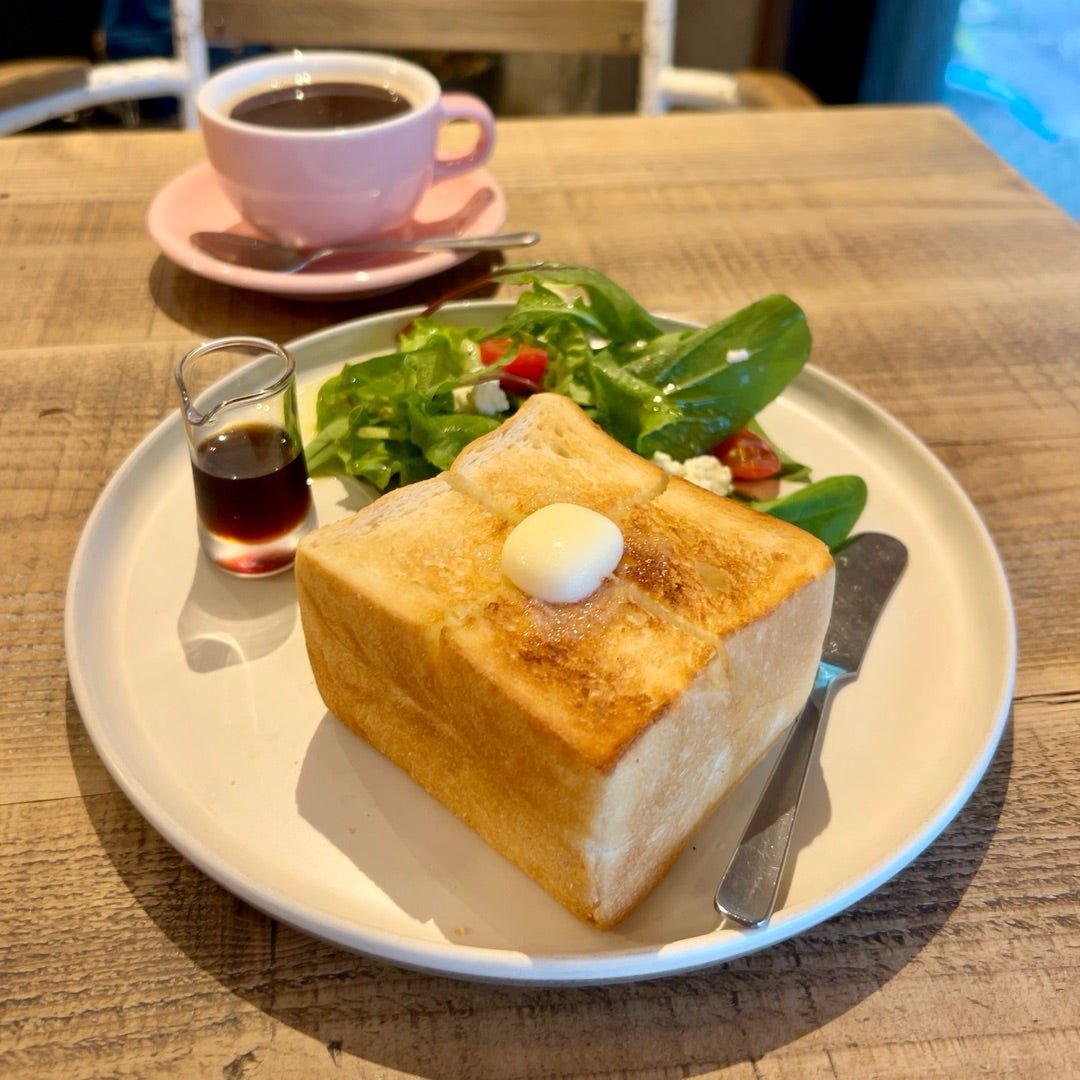
Choose breakfast according to opening hours and convenience. A café offering toast, eggs and coffee can be as useful as a traditional Japanese breakfast when you have a structured morning ahead.
If your accommodation serves an early breakfast, eat there and travel directly to Asakusa.
Avoid arriving with the expectation that every bakery, restaurant and shopping street will already be busy. Individual businesses open at different times.
9:00 a.m.: Discover Senso-ji and Nakamise
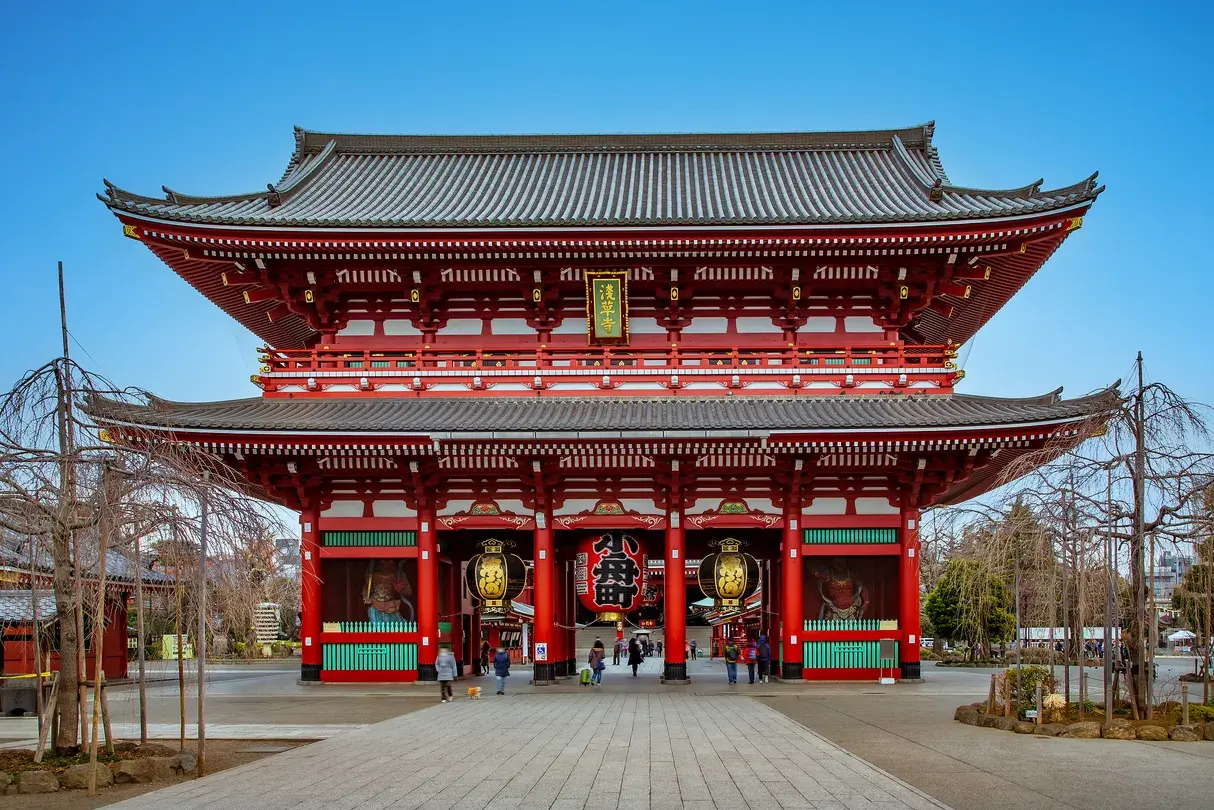
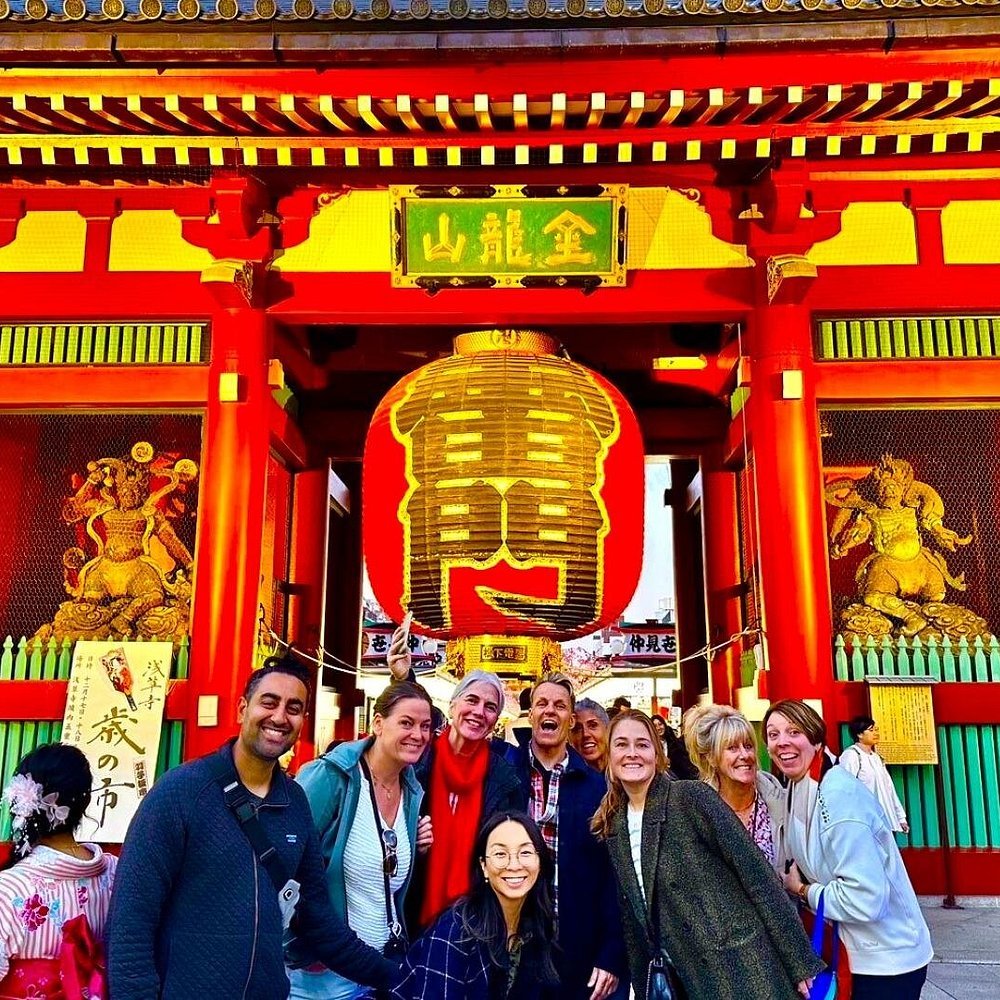
Begin at Kaminarimon, then continue through the approach towards Senso-ji. The lanterns, gates and temple precinct provide an immediate introduction to a different side of Tokyo from its modern business districts.
Visit the main precinct before making shopping your focus. The temple’s official information distinguishes main-hall opening hours from access to the surrounding area, so check arrangements for your date.
Nakamise adds shops and snacks to the route, although opening times vary by business. A later morning visit can feel very different from an early arrival.
Explore a few parallel streets afterwards. They offer breathing room when the principal approach becomes crowded.
Treat Senso-ji as an active place of worship and follow local photography instructions.
11:15 a.m.: Enjoy Lunch Before Crossing the City

Eat in Asakusa before leaving, choosing a restaurant whose lunch service fits your timing.
Tempura, soba, a rice bowl or a simple set meal can make a satisfying introduction without requiring a lengthy tasting menu. Check the menu and ordering process before joining a queue.
A bowl that appears vegetarian may contain fish-based stock. Travellers with dietary requirements should confirm ingredients directly, using written Japanese information where helpful.
Give lunch a full hour if possible. A long restaurant wait should prompt a nearby alternative rather than the loss of your afternoon shrine visit.
12:15 p.m.: Travel From Asakusa to Harajuku
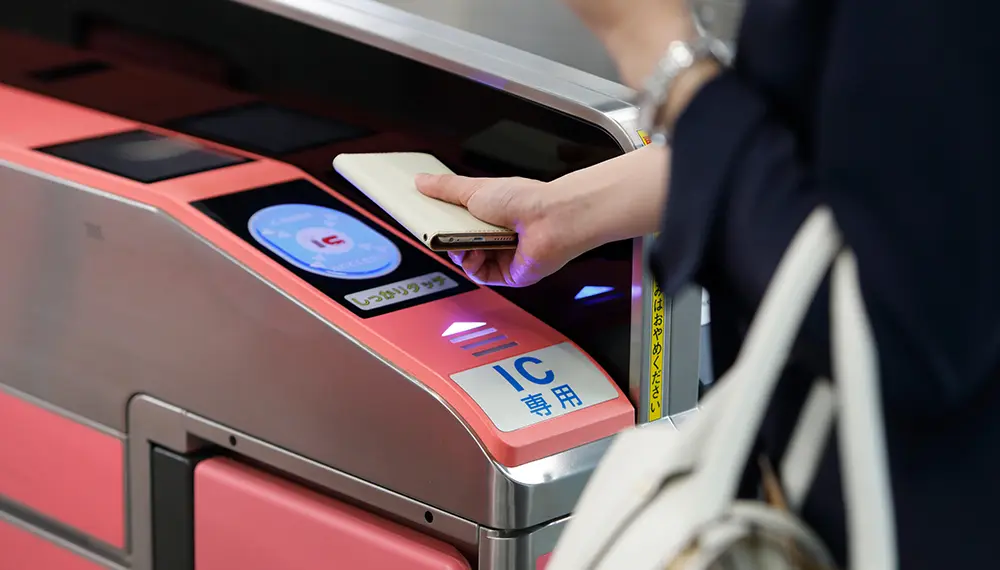
Allow around an hour or more for the complete journey, including walking to the station, changing trains if required and finding the correct exit.
Use a current route planner for Harajuku or Meiji-jingumae, according to your chosen approach. Different Asakusa stations serve different operators and are not interchangeable entrances to one compact building.
Check the platform, direction and exit before moving. A few deliberate minutes can prevent a much longer walk at the other end.
This transfer is the reason the itinerary does not add Tsukiji or Ginza at lunchtime. Tokyo’s rail network is extensive, but repeated district changes still consume a first visit.
1:30 p.m.: Walk Through Meiji Jingu’s Forest

Follow the wooded approach towards the shrine, allowing time for the walk beyond the entrance.
Meiji Jingu is a Shinto shrine, giving the day a different religious and architectural setting from the Buddhist temple visited in Asakusa.
General shrine access is free. The official schedule changes by month, with substantially earlier closing in winter; do not assume you can arrive near dusk and enter.
Keep the main shrine visit ahead of shopping in Harajuku. The nearby streets remain useful later, while the shrine’s closing time creates a firmer constraint.
2:45 p.m.: Explore Harajuku and Omotesando
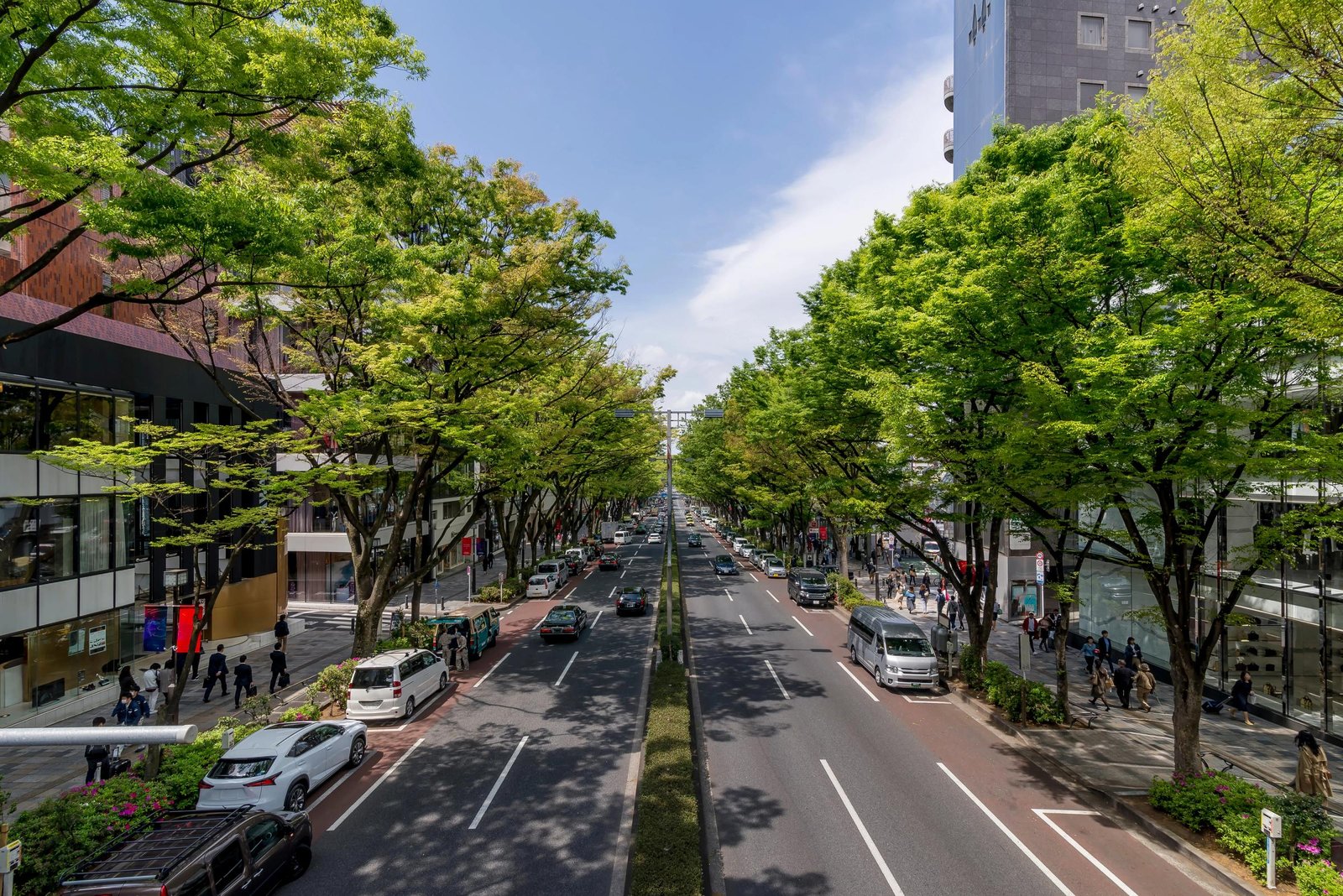
After leaving the shrine, choose the atmosphere that appeals most.
Takeshita Street suits visitors curious about youth fashion, snack shops and a tightly packed commercial scene. It can be very crowded, so a short look may be enough.
Omotesando offers a different experience through its avenue, architecture and adjoining streets. A café stop or selective browsing fits comfortably here.
Do not feel obliged to cover both areas thoroughly. They sit close together geographically, but investigating every side street would become an afternoon of its own.
This is the section to shorten if your earlier stops overrun.
4:00 p.m.: Experience Shibuya at Street Level
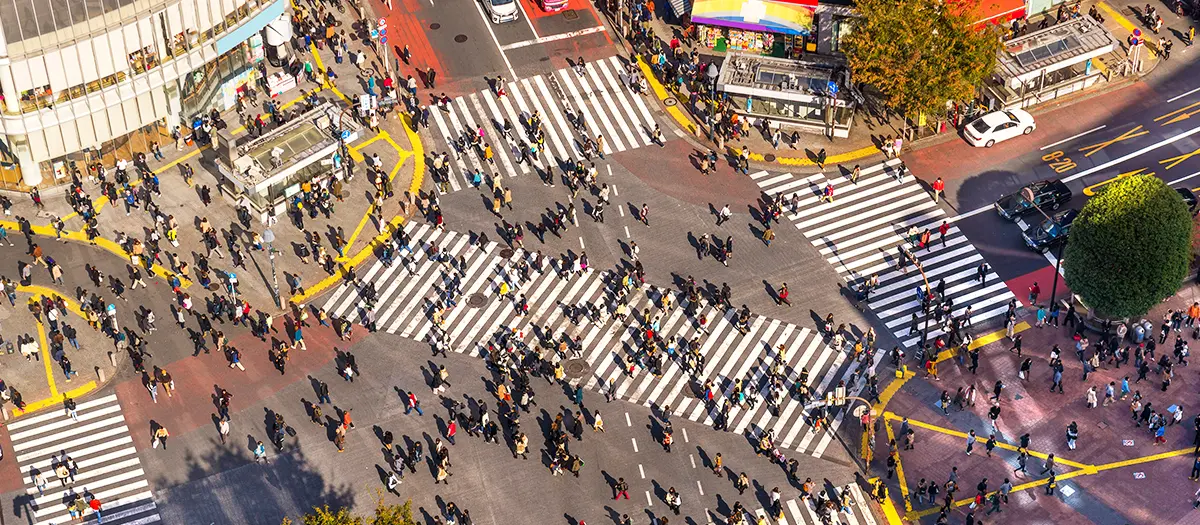
Travel towards Shibuya by a suitable train route, or walk if your energy and starting position make it sensible.
The scramble crossing provides the familiar first impression: screens, moving crowds and streets branching away in several directions.
Cross with the signal and continue moving rather than stopping in the road for photographs. Follow any crowd-management arrangements in place.
The Hachiko statue is another nearby reference point, but the surrounding space can become busy.
Spend time beyond the intersection. Shops, side streets and places to sit make Shibuya an experience rather than a single photograph.
Late Afternoon: Consider a Skyline View
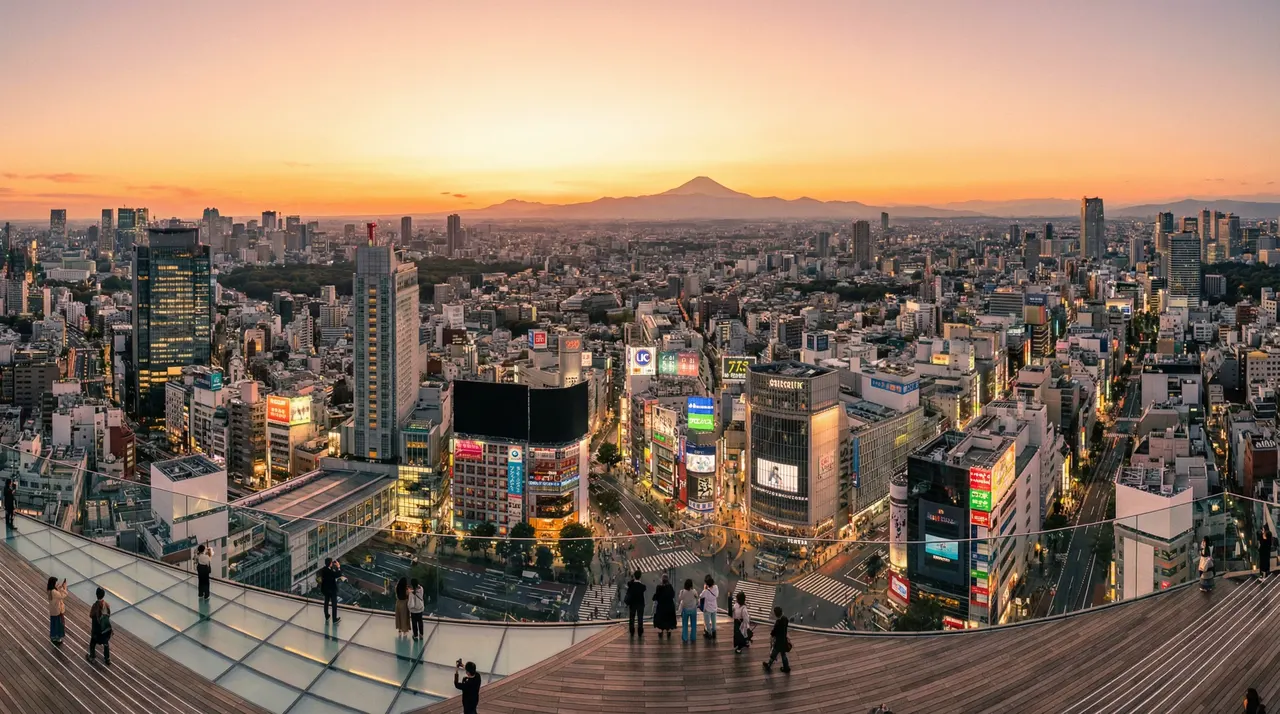
An observation deck is a worthwhile optional addition if seeing Tokyo from above matters to you.
Shibuya Sky is geographically convenient to this route, but check availability, entry instructions and the current arrangements for outdoor areas before booking.
Reserve according to the light you want. Sunset shifts significantly through the year, and a late-afternoon appointment will not deliver the same conditions in every season.
Leave time for entry procedures and the visit itself. A short break between the crossing and dinner is not automatically enough for a substantial paid attraction.
If tickets are unavailable or visibility is disappointing, enjoy Shibuya at street level.
6:30 p.m.: Make Dinner Part of the Tokyo Experience

Choose dinner close to your final sightseeing area.
Ramen, sushi, grilled dishes or an izakaya meal offer different ways to end the day. Decide whether you want a quick, comforting meal or a reservation that becomes the evening’s main experience.
For a particular restaurant, confirm its booking process and cancellation terms. Famous names are not the only route to an enjoyable dinner.
An izakaya may have a cover charge or serve a small appetiser as part of its seating arrangements. Ask if the pricing is unclear.
Keep the journey back to your accommodation in mind if you plan to stay late.
What Should You Leave for Another Day?
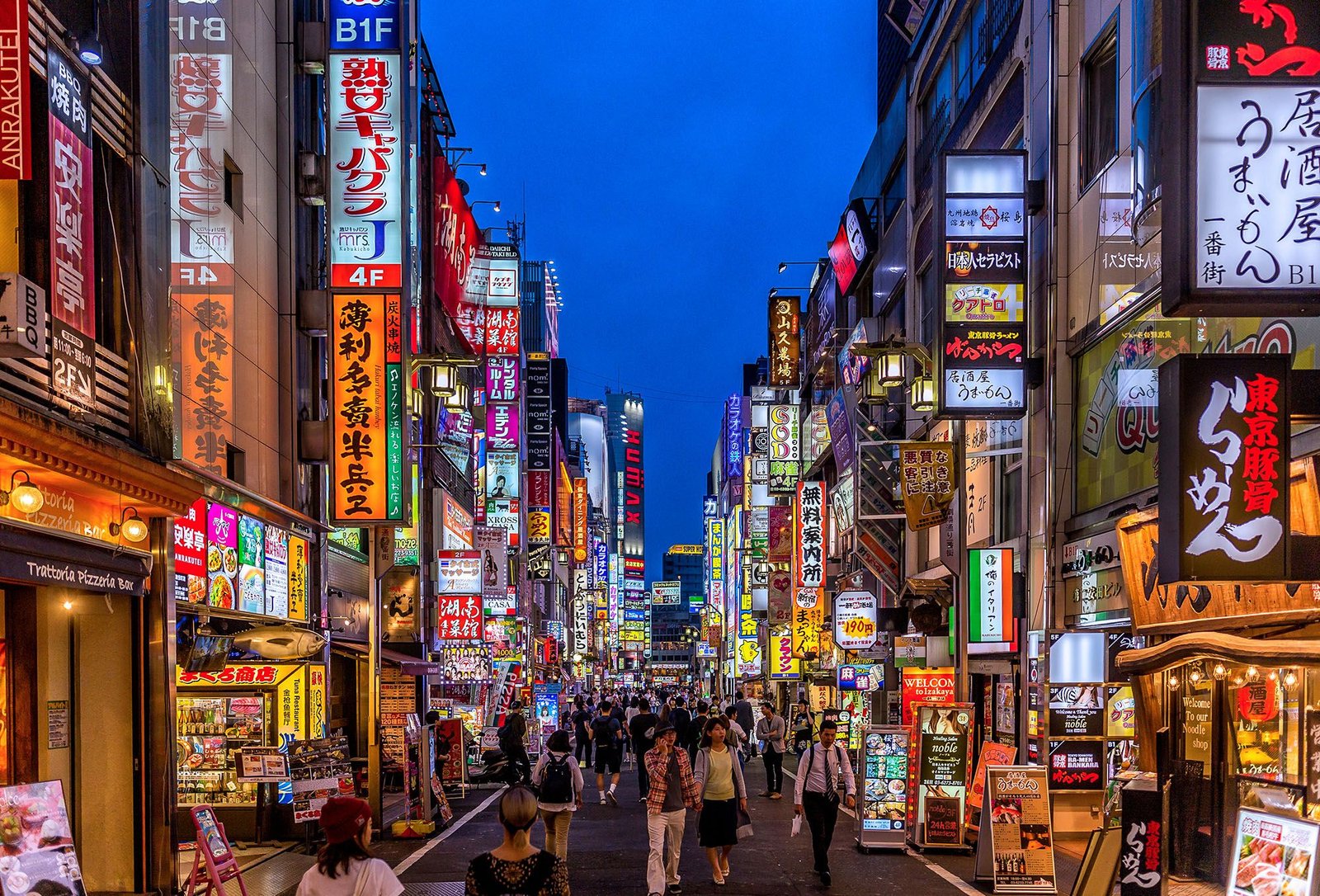
Shinjuku, Ginza, Akihabara and Tsukiji can each change the character of a Tokyo day.
Add one because it reflects your interests, then remove another section. For example, an electronics-focused visitor might replace the western afternoon with Akihabara, while a shopping-focused visitor could build a different route around Ginza.
A Mount Fuji excursion, a theme park or a substantial museum visit needs a separate plan.
If your available day includes an airport journey, shorten this itinerary further. Two neighbourhoods and a good meal can provide a stronger experience than racing through three with a departure deadline.
Temple and Shrine Etiquette for First Timers

Buddhist temples and Shinto shrines have different traditions. Observe posted guidance and follow the instructions of staff rather than copying every gesture you see.
Keep voices low around worship areas and respect photography restrictions. A wedding or religious ceremony is not an invitation to approach participants for close-up pictures.
Wear comfortable clothing suitable for a religious visit and follow any requirements posted at the site.
When buying food around sightseeing streets, use the designated eating space or follow the shop’s instructions. Keep entrances and busy walking routes clear.
Getting Around Tokyo Without Station Fatigue

Suica and PASMO can be used across Tokyo Metro and JR East services, but a stored-value card is different from a pass granting unlimited travel.
Check which operators a sightseeing or subway pass covers before assuming it applies to the entire day.
| Decision | Practical Approach |
|---|---|
| Choosing a route | Compare transfers and final walking distance |
| Entering a station | Confirm the operator and correct entrance |
| Changing trains | Follow line names, colours and platform directions |
| Leaving a station | Check the exit closest to your destination |
| Travelling with mobility needs | Verify lifts and the complete walking approach |
Allow passengers to leave before boarding and keep calls and conversations considerate.
A taxi can save effort for a specific transfer, but it is not automatically faster across the city.
Weather, Comfort and Booking Decisions

In hot weather, use shaded breaks and avoid treating every neighbourhood connection as a walk.
In steady rain, shorten shopping streets and consider an indoor experience nearby. Moving to a distant attraction simply to escape the weather can consume much of the remaining day.
Your principal spending choices are meals, local transport, guiding and any observation deck. The temple and shrine provide substantial experiences without needing a costly sightseeing bundle.
Keep some Japanese yen available and confirm payment methods for smaller businesses.
Independent Visit or a Guided Day Tour?
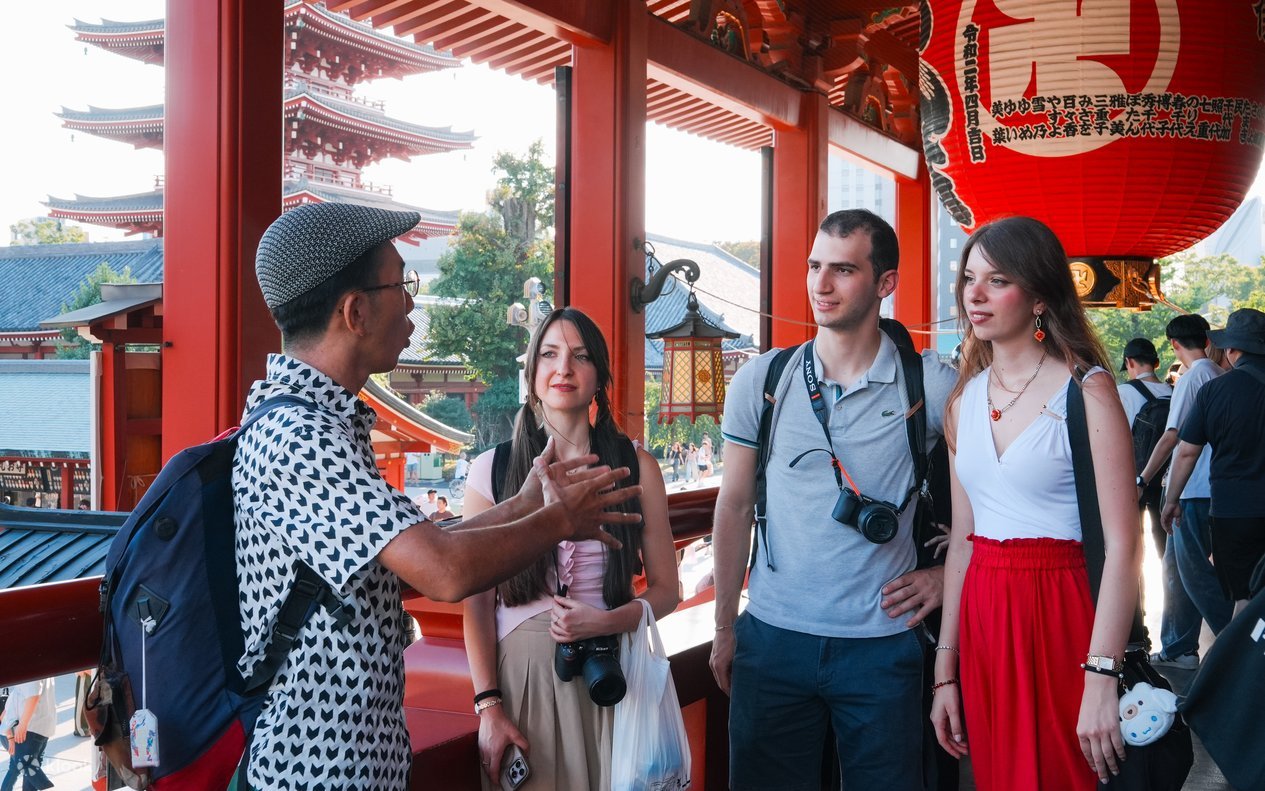
Independent travel suits visitors who enjoy controlling their pace and choosing meals as they go.
A guided day tour can make transfers easier and provide context at the religious sites. Compare how many stops are included and how much time remains at each one.
A private car offers another level of comfort, but an English-speaking driver is not necessarily a separate guide who accompanies every interior visit.
For private city drives, dining experiences and cultural additions, explore our guide to luxury things to do in Tokyo.
Book the Experience: Tokyo in One Day Tours
These four Viator options offer full-day sightseeing or custom experiences with a full-day duration available. Their routes may differ substantially from this article.
Tokyo in One Day: Highlights by Subway and on Foot
Explore several districts with a guided group

Private Tokyo Highlights With a Local Host
Personalise the route; select a full-day duration
Tokyo Full-Day Highlights With a Licensed Guide
Build a selective route around cultural and photogenic stops
Private Tokyo Day Tour With an English-Speaking Driver
Coordinate sightseeing with private transport
Check the selected duration, meeting point, admissions, transport expenses, meals and pickup coverage. Walking tours may charge transport separately, and a private guided experience does not automatically include a vehicle.
Pros and Cons
| Pros | Cons |
|---|---|
| Combines temple, shrine and contemporary streets | Requires a substantial cross-city transfer |
| Gives Asakusa meaningful time | Busy stations add navigation effort |
| Places Meiji Jingu before evening | Crowds can slow the shopping sections |
| Finishes near restaurants and nightlife | Observation decks require extra planning |
| Offers flexible paid additions | Limited room for other districts |
Final Verdict

The best 1 day in Tokyo for first timers links Asakusa’s temple streets, Meiji Jingu’s forest and Shibuya’s energy without trying to reproduce an entire week of sightseeing.
Allow proper transfer time, enjoy a seated lunch and keep the evening in one area.
LxryNow Verdict: A varied first encounter with Tokyo, strongest when you choose a few districts and give each one room to register.
