
TL;DR
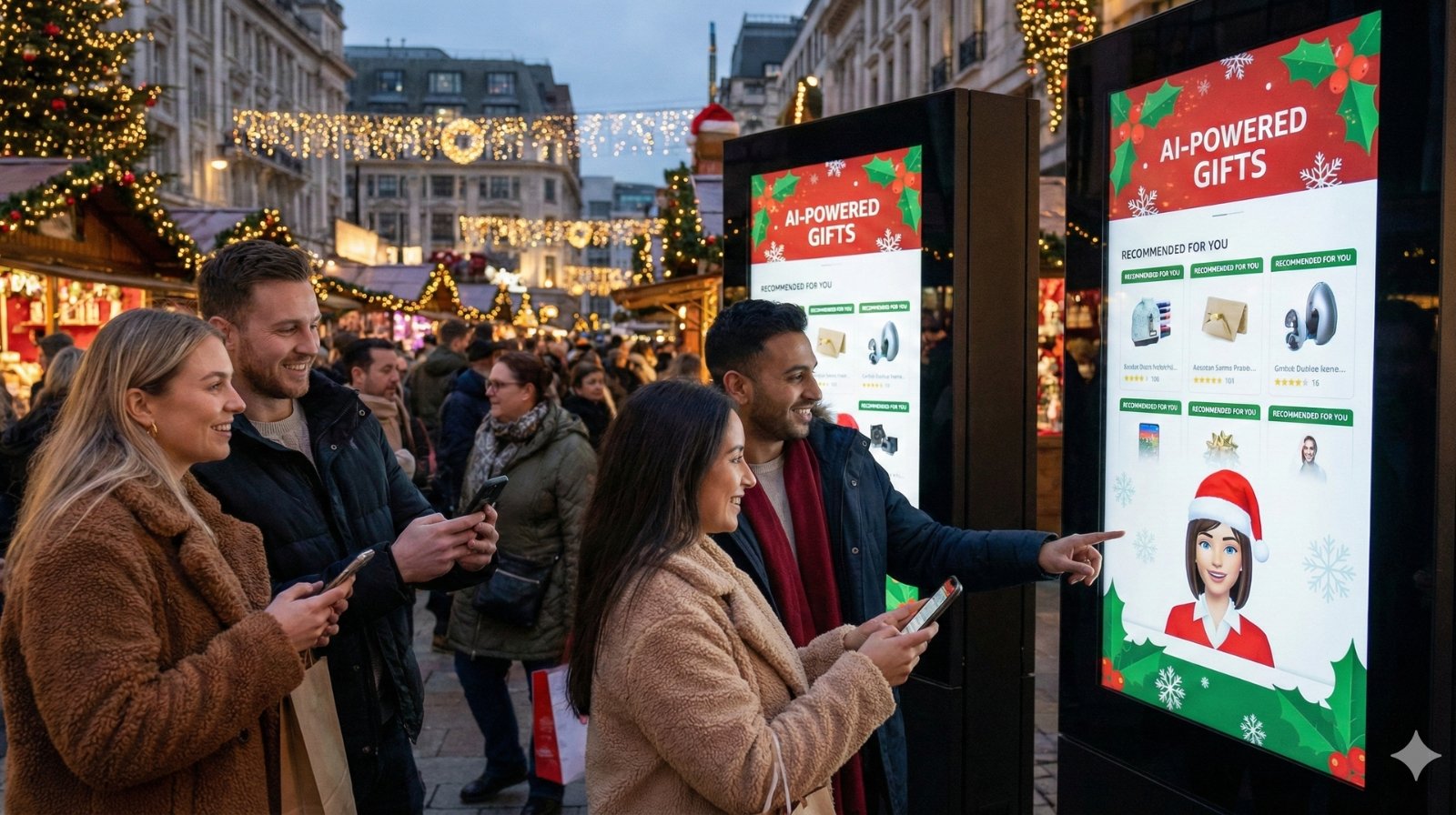
AI is redefining holiday shopping — making it more personalized, faster, and operationally efficient. Retailers who embrace AI tools gain a competitive advantage through optimized pricing, tailored recommendations, and smarter forecasting.
Insights from Business of Fashion and McKinsey prove that the future of holiday shopping will be even more algorithm-driven.
At a Glance
- AI is now central to how consumers browse, compare prices, receive promotions, and make purchasing decisions during peak holiday season.
- Retailers use AI tools to forecast demand, personalize marketing, and optimize discounts in real time.
- Consumers increasingly rely on AI-assisted tools like smart recommendations, automated deal finders, and predictive search.
- According to McKinsey, AI-powered personalization can lift retailer revenue by up to 15%, making it one of the most important growth levers for holiday campaigns.
- As AI adoption accelerates, brands risk losing relevance if they fail to integrate modern tech into the shopping experience.
AI’s Influence Starts Before Shoppers Even Click ‘Buy’
1. Hyper-Personalized Product Discovery
Consumers no longer browse endless pages. AI curates:
- Recommended items
- Style-matched edits
- Personalized gift guides
- Automated “complete the look” suggestions
Retailers report higher engagement when AI determines product ranking or layout.
2. Predictive Search That Understands Intent
Search bars now guess shopper intent before the query finishes. That means:
- “black boots” becomes “black winter boots under $300, size 43”
- “gift for him” becomes curated luxury picks with best discounts
Consumers are guided faster and more accurately toward what they want.
AI-Optimized Pricing Is Changing Holiday Promotions
One of AI’s most impactful roles is dynamic pricing — adjusting promotions based on demand, inventory, and shopper behavior.
According to Business of Fashion, retailers now use AI systems to:
- Predict when an item should go on sale
- Auto-adjust discounts to protect margins
- Prevent overstock issues
- Offer personalized discount codes
This means two shoppers may see different promotions depending on their loyalty history, browsing behavior, and likelihood to purchase.
Behind the Scenes: AI Is Quietly Powering Retail Operations
1. Demand Forecasting
AI analyzes historical sales, weather patterns, and search trends to predict demand weeks ahead.
This helps retailers manage stock for:
- Best-selling winter coats
- Limited-edition holiday drops
- Highly giftable accessories
2. Smarter Inventory Distribution
Stores receive stock based on predicted local demand, reducing waste and maximizing sell-through — a critical factor in holiday profitability.
3. Customer Service Automation
AI assistants now handle:
- Gift recommendations
- Shipping updates
- Return assistance
- Product questions
This frees human staff to handle more complex inquiries during peak rush periods.
Consumers Are Leaning Into AI — Even If They Don’t Realize It
A Statista consumer survey shows that:
- 62% of shoppers prefer personalized recommendations
- 48% trust AI-driven price comparison tools
- 70% expect retailers to offer faster, more tailored shopping journeys
Even shoppers skeptical about “AI” often embrace tools that make shopping easier, faster, and more intuitive.
Is AI Making Holiday Shopping Better — Or Just More Addictive?
There is a growing debate:
Pros
- Faster product discovery
- More relevant recommendations
- Fairer pricing transparency
- Better stock availability
Concerns
- Hyper-personalization may pressure overspending
- Algorithmic bias could limit product visibility
- Personal data usage raises privacy questions
Retailers must strike a balance between convenience and ethical use of AI-driven insights.
Editorial Perspective
Consumers may think they’re shopping the same way they did last year, but AI is now layered into nearly every part of the holiday retail experience. The shift is subtle — deliberate, even — but extremely powerful.
This season, AI is the invisible engine:
guiding what shoppers see, when they see it, and at what price.
According to Business of Fashion, AI has moved beyond flashy demos and is now embedded in retailer operations: merchandising, logistics, marketing, and customer conversion.
Meanwhile, a report by McKinsey & Company highlights that retailers using advanced personalization outperform competitors significantly, especially during periods of high seasonal demand.
We’re not entering the AI-driven shopping era — we’re already in it.
