
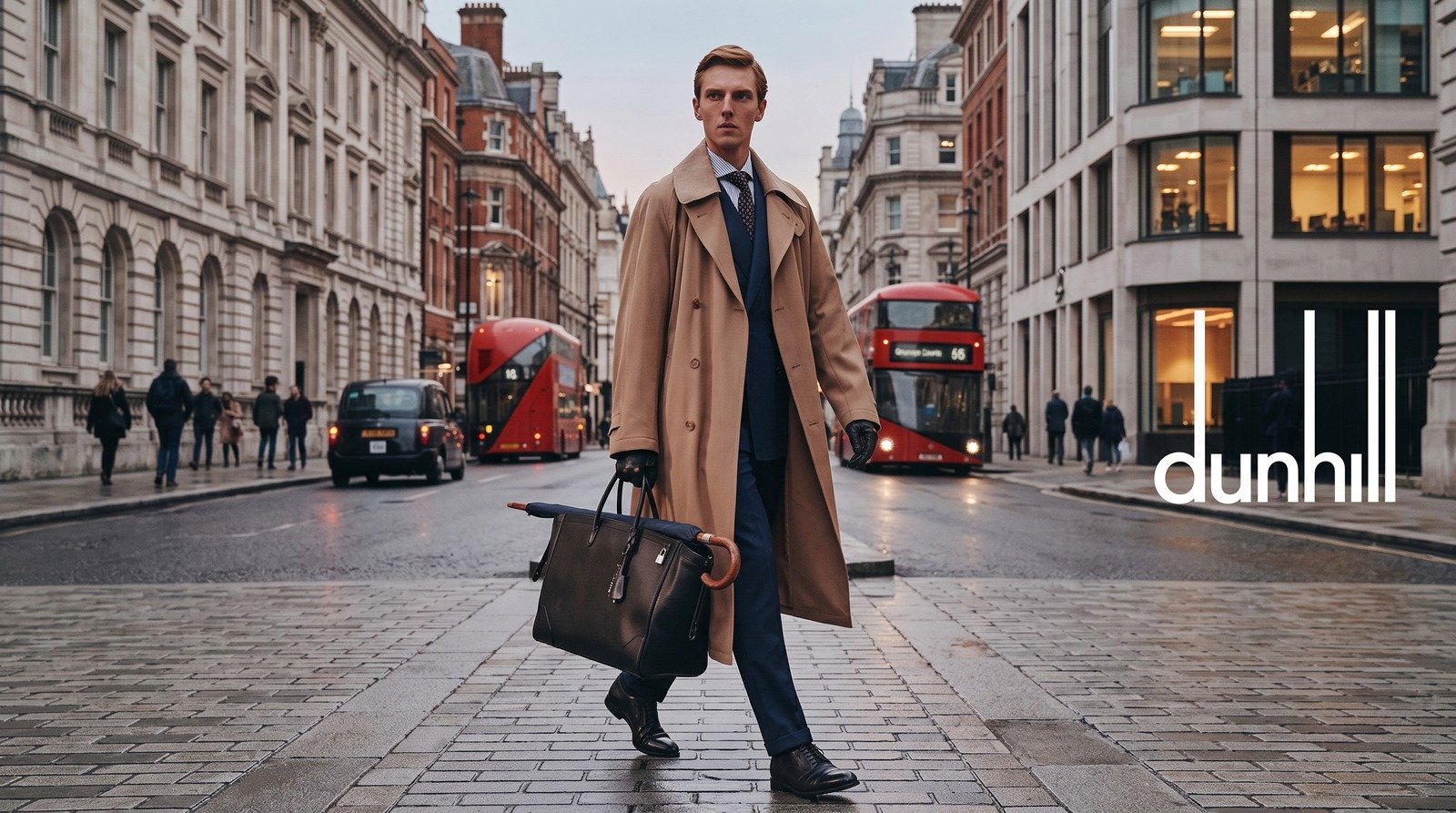
Dunhill leather goods are rarely designed to command attention from across a room. Their appeal is quieter: carefully selected leather, controlled proportions, purposeful compartments and hardware that reveals the house’s motoring history.
That restraint distinguishes Dunhill from luxury houses built around conspicuous monograms. A briefcase such as the Alfred or a wallet from the Cadogan collection communicates quality through material and construction rather than decoration.
The house’s leather heritage reaches back to 1893, when Alfred Dunhill inherited his family’s saddlery business. As travel moved from horseback to the motorcar, he adapted the skills associated with harnesses, trunks and equestrian equipment to a new generation of driving accessories.
Dunhill’s best contemporary pieces continue that progression. They combine traditional saddlery references with practical features for laptops, documents and international travel. The result is leatherware that feels historic without becoming nostalgic.
TL;DR
- Dunhill began with saddlery and harness making before adapting its expertise to early motoring.
- Its strongest bags use full-grain, grained or patinated calfskin designed to age attractively.
- The construction is disciplined, with reinforced handles, controlled stitching and carefully formed gussets.
- Hardware frequently references archival lighters, automotive instruments and traditional attaché cases.
- Branding is generally discreet, making the leather and silhouette the primary visual statements.
- Collections such as Alfred, Century, 1893 Harness and Cadogan serve different levels of formality.
- Dunhill is most compelling for buyers who value refined function, British character and subtle luxury.
The Leather Heritage Began With Saddlery
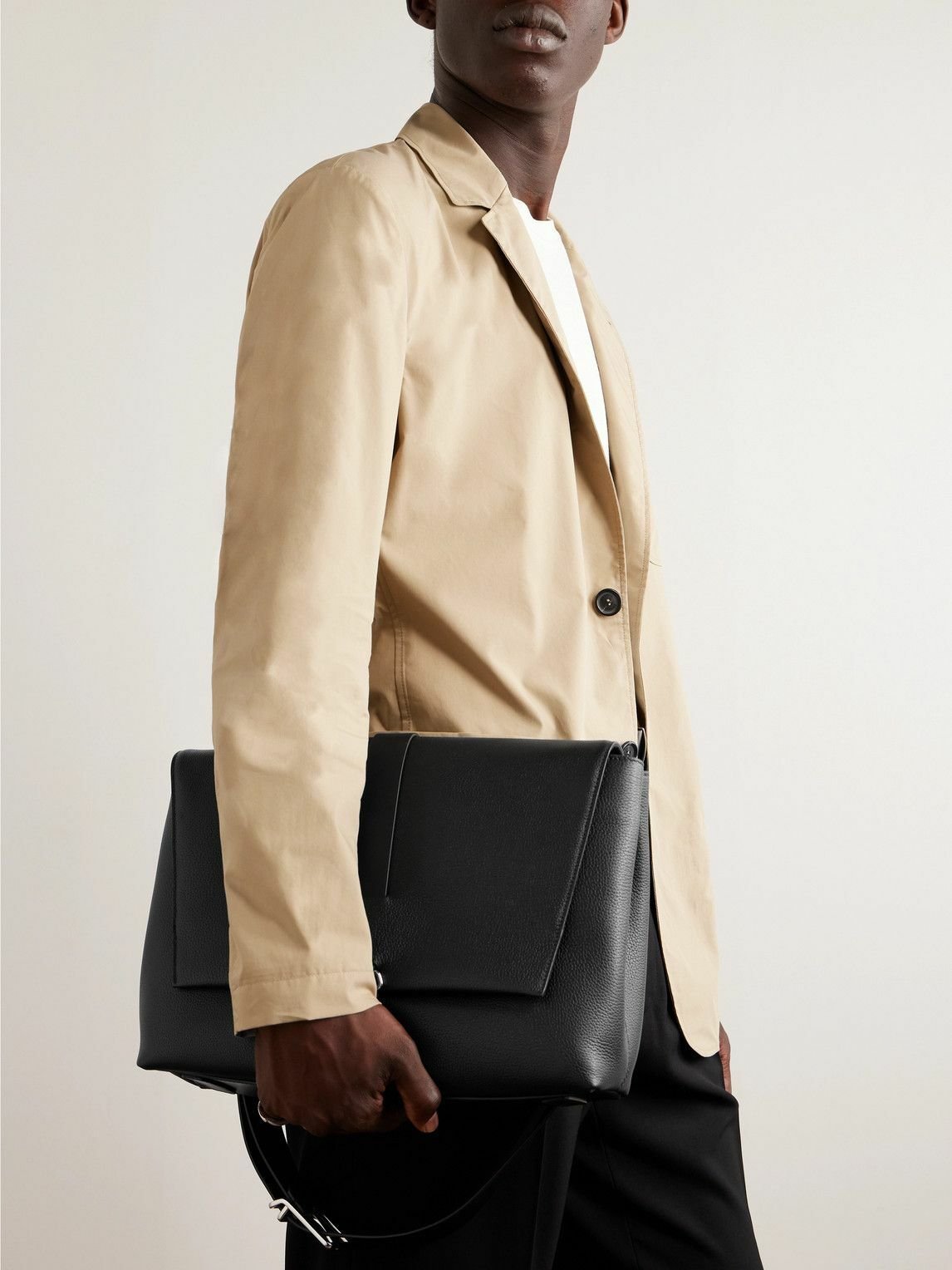
Dunhill originated in saddlery and harness making, a background that continues to influence how the house approaches leather. Saddlery requires more than attractive material. Leather must withstand tension, movement, handling and exposure while retaining its structure.
When Alfred Dunhill redirected the family business towards motorists at the end of the nineteenth century, that knowledge found a new application. The company began developing practical objects for drivers and travellers, transferring the discipline of equestrian leatherwork into cases, trunks and accessories suited to the automobile.
Dunhill describes its current bag lineage as beginning in 1893, when Alfred reimagined saddlery craftsmanship for a new era of travel. That transition is fundamental to the brand: its leather goods were conceived as equipment before they became luxury fashion. (Dunhill Leather Heritage)
This background explains several recurring details:
- Handles designed to distribute weight comfortably
- Strong gussets that allow a case to open without losing its shape
- Reinforced stress points and controlled stitching
- Hardware intended to be operated repeatedly
- Interiors organised around travel and professional use
- Leather selected with ageing and durability in mind
A Dunhill bag is therefore best understood as a refined working object. Its value lies partly in how elegantly it performs a practical task.
Motoring Heritage Shapes the Design

Dunhill’s motoring identity is not limited to advertising imagery. It can be read directly in the structure of its bags.
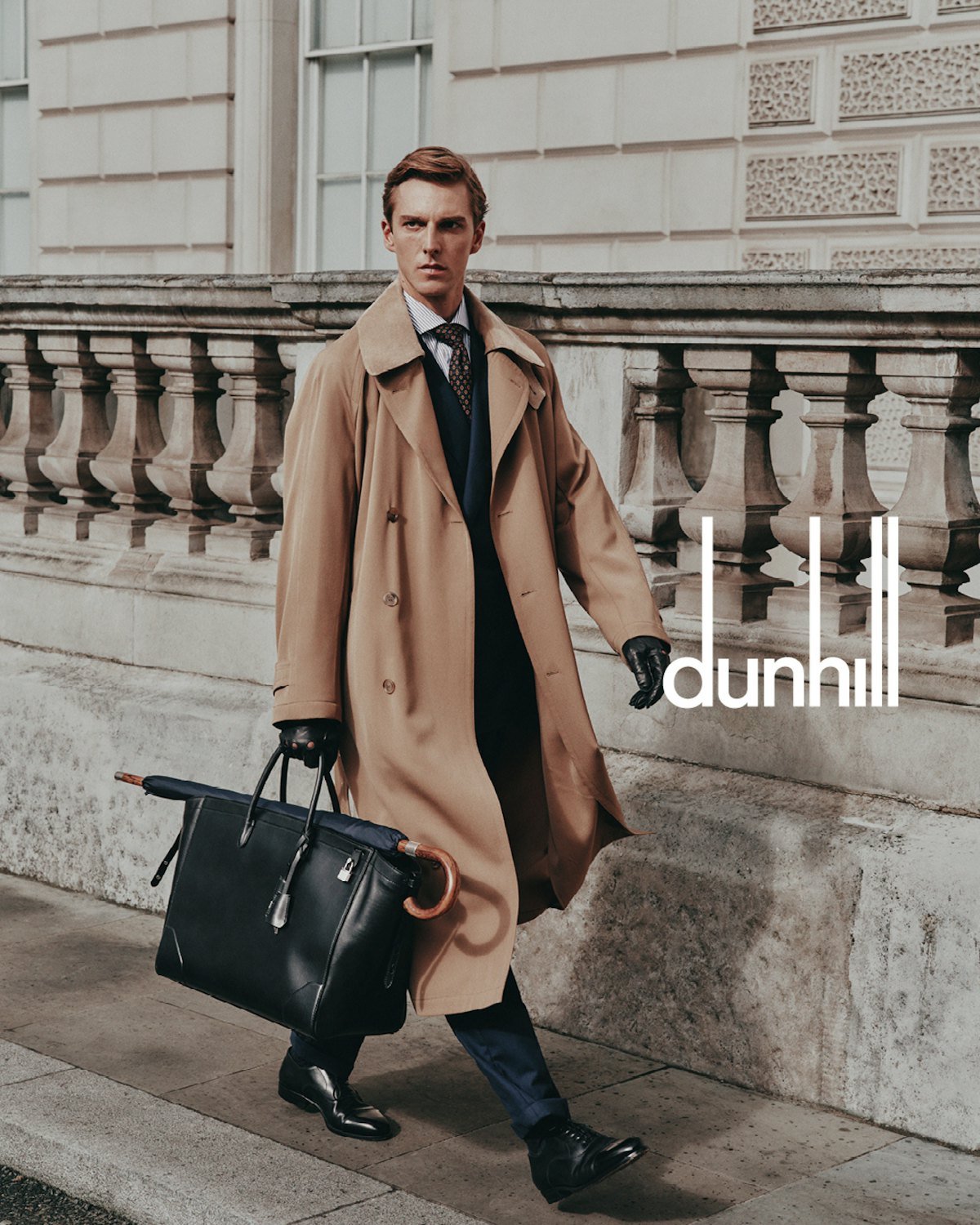
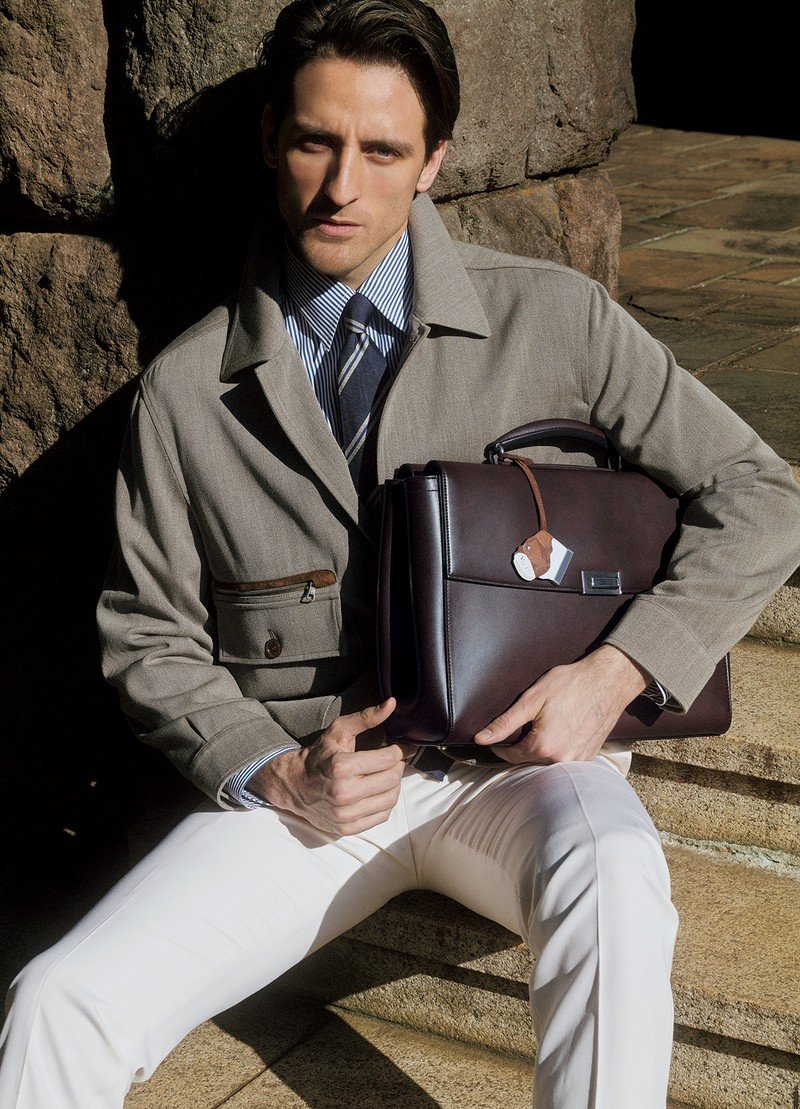
The Alfred collection is the clearest contemporary expression. Its double-curved gussets recall early automotive luggage, while its handle draws from archival attaché and doctor’s cases. The shape feels aerodynamic without becoming overtly futuristic.
The collection’s signature lock is inspired by the engineered form of Dunhill’s 1924 Unique lighter. This connection matters because it treats hardware as a piece of industrial design rather than a decorative logo. The lock has a mechanical presence that suits the structured leather surrounding it. (The Alfred Collection)
These references create a distinct visual vocabulary:
| Historical Reference | Contemporary Expression |
|---|---|
| Saddlery and harnesses | Strong handles, reinforced stitching and durable leather |
| Early automotive trunks | Curved gussets and structured case construction |
| Driver’s equipment | Accessible closures and organised interiors |
| Archival attaché cases | Formal top handles and disciplined proportions |
| Dunhill lighters | Precision-finished locks and metal components |
| Grand touring | Bags designed to move between work and travel |
The result avoids the obviousness of car-shaped bags or novelty motifs. Motoring is expressed through engineering, movement and material strength.
The Leather Is Chosen to Develop Character
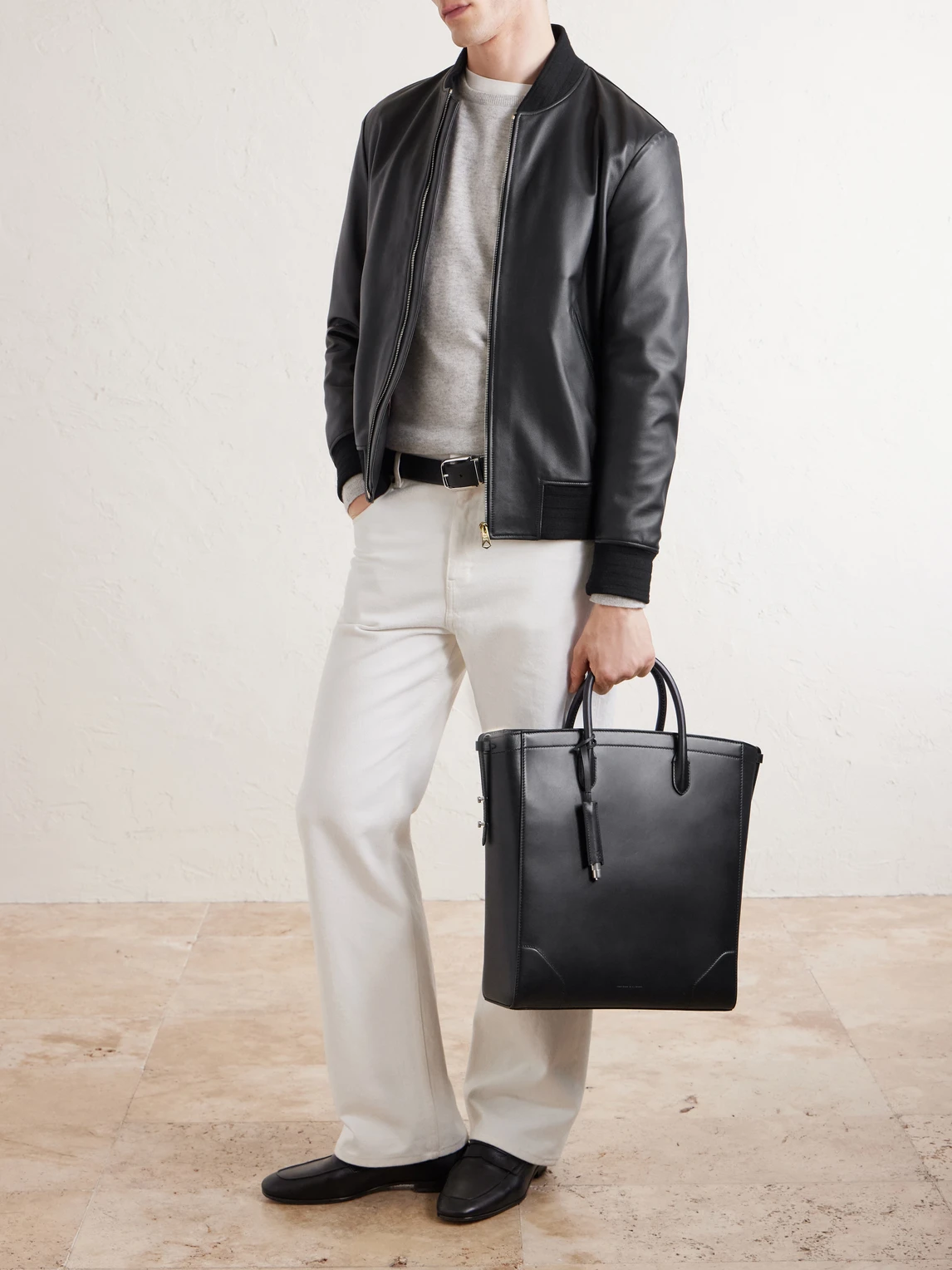
Material selection is one of the strongest reasons to consider Dunhill leather goods.
The house works with several treatments because different products need different characteristics. Full-grain calf leather gives work bags durability and visible natural character. Grained leather is more forgiving of everyday marks, while smooth patinated calfskin creates a richer, more formal effect.
Patina Calf, used prominently in the Alfred collection, has a smooth, supple surface and considerable colour depth. A hand-applied tint creates subtle variations across the leather rather than a perfectly uniform finish. Those variations make brown, burgundy and whiskey-coloured pieces look particularly dimensional.
The intended result is not permanent newness. Good leather should record handling without immediately appearing neglected. Corners soften, frequently touched areas become glossier and tonal variations deepen.
This is where Dunhill’s restraint becomes valuable. With fewer printed motifs competing for attention, the surface of the leather becomes central to the design.
| Leather Type | Character | Practical Consideration |
|---|---|---|
| Patina calf | Smooth, rich and subtly two-tone | Can show scratches, but should age expressively |
| Full-grain calf | Natural, durable and substantial | Best for frequently used work and travel bags |
| Grained calf | Textured and relatively resilient | More forgiving of minor marks |
| Nappa calf | Soft, supple and luxurious | More vulnerable to pressure and abrasion |
| Leather with canvas | Lighter and more relaxed | Suitable for travel and less formal daily use |
The best choice depends on whether you want a pristine business accessory or a bag that becomes more personal through use.
Construction Gives the Bags Their Authority
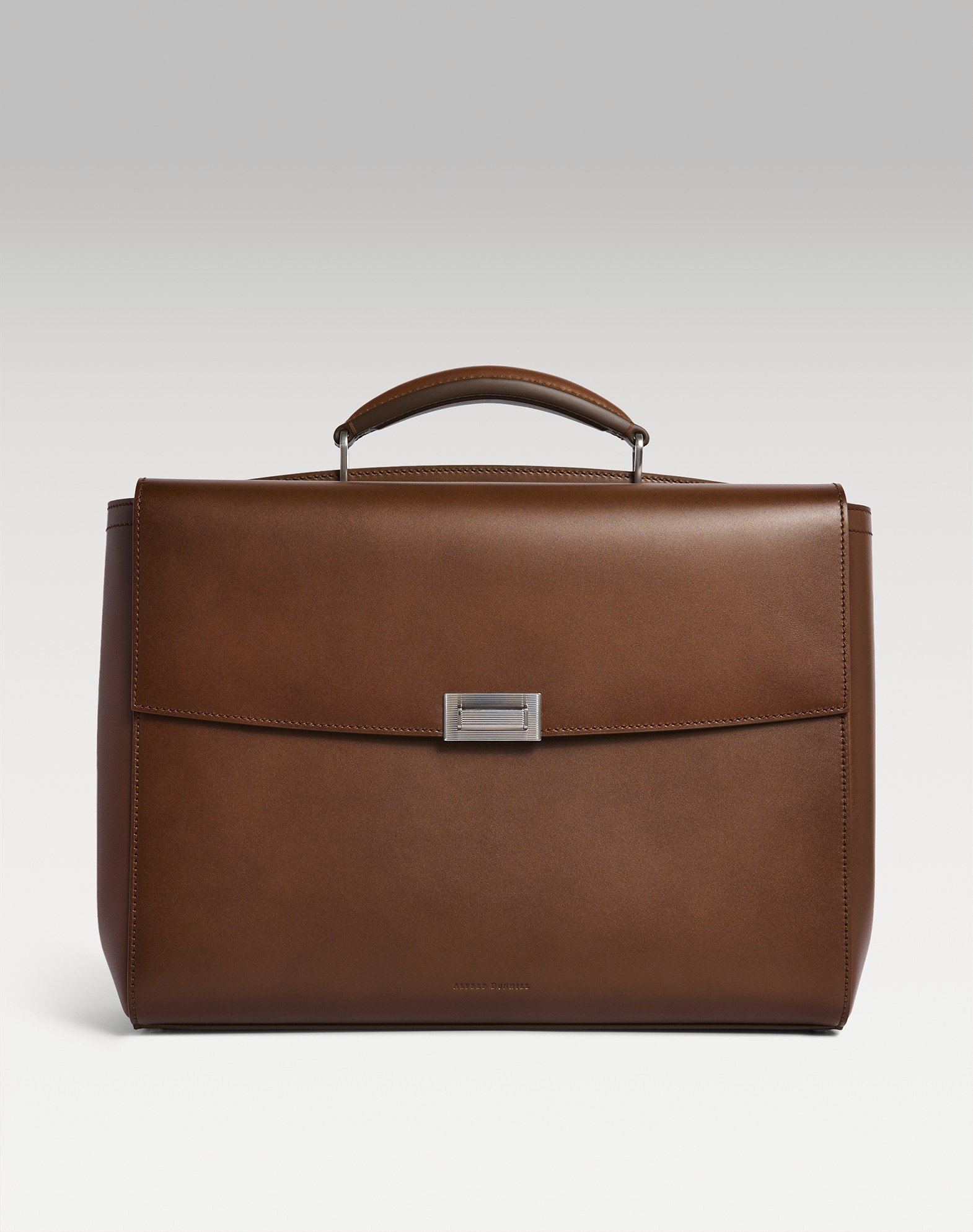
Exceptional leather alone cannot rescue poor construction. The material must be cut, supported and joined in a way that preserves both appearance and function.
Dunhill’s structured cases demonstrate this clearly. Their panels are shaped to remain orderly, while the gussets provide capacity without making the bag look inflated. Handles are substantial enough for daily carrying but proportioned so they do not overwhelm the body.
On Alfred bags, hand-applied saddlery stitching connects the contemporary design directly to the house’s original craft. Certain handles are handmade in Dunhill’s London atelier, while other construction is carried out by specialist workshops in Italy and Switzerland.
The quality is most apparent in small transitions:
- The way the handle meets the body
- Alignment between panels and gussets
- Stitch length around curves
- Finishing along exposed edges
- Resistance and movement of the lock
- How evenly the bag stands when placed down
These details rarely create instant visual drama. Instead, they determine whether a bag continues to feel precise after years of opening, closing, carrying and setting it down.
Hardware Functions as the House Signature
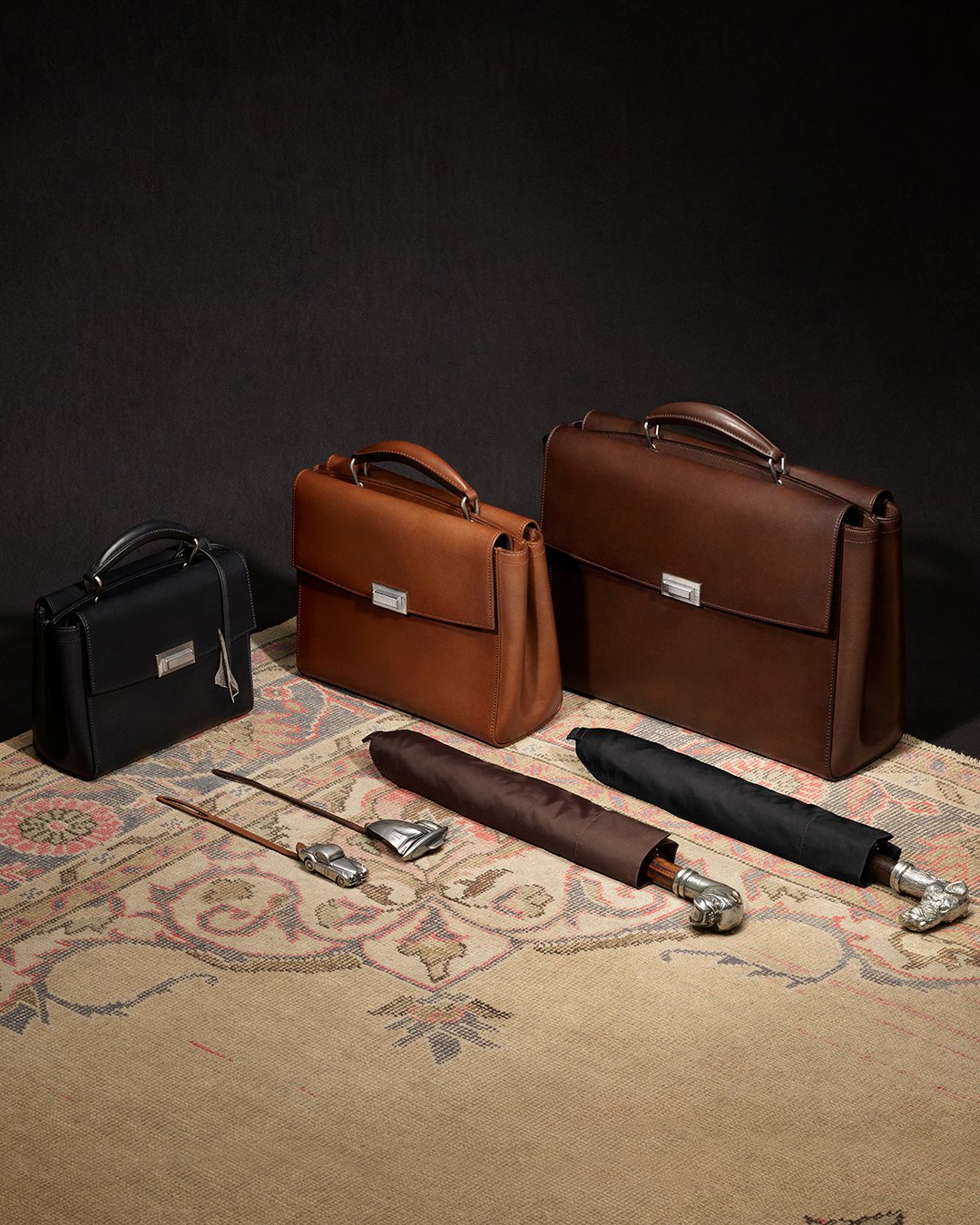
Dunhill’s hardware often carries more brand identity than its logo.
Locks, zip pulls, handle attachments and palladium-toned fittings are shaped with the clarity of small mechanical components. The relationship with Dunhill’s lighters is particularly important: both categories require objects that feel satisfying when held and operated.
This tactile quality separates meaningful hardware from decoration. A good closure should offer measured resistance, align cleanly and remain intuitive. It should feel engineered for the bag rather than selected from a generic catalogue.
Different collections use hardware in different ways. Alfred makes its central lock an unmistakable focal point. The 1893 Harness series takes a more utilitarian approach with vintage palladium-plated fittings, while Cadogan wallets often restrict metal detailing entirely and use silver-foil or blind-embossed branding instead.
That variation allows Dunhill to remain recognisable without placing the same emblem across every product.
Each Collection Has a Distinct Purpose
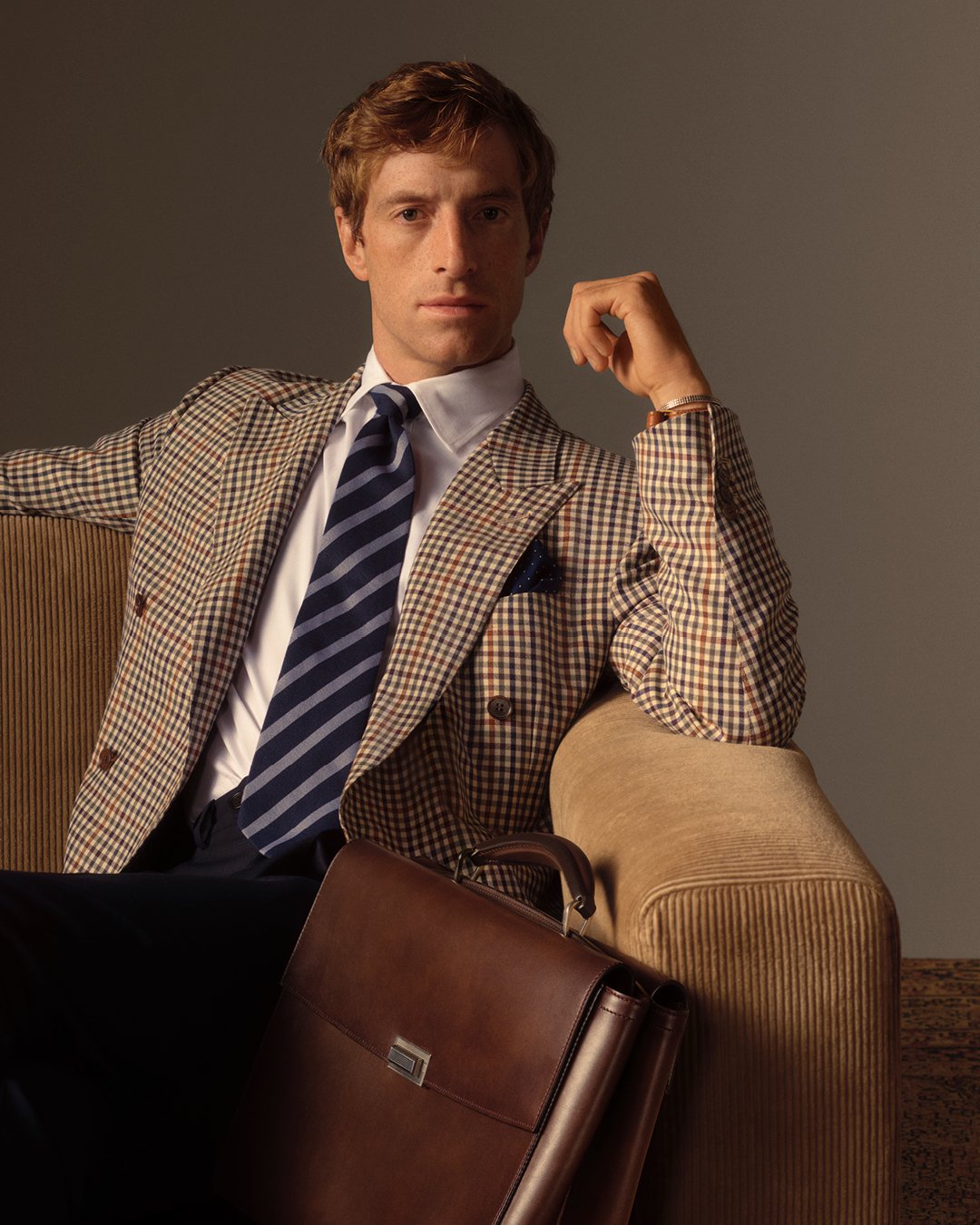
Dunhill does not treat every leather accessory as a variation of the same bag. Its core families serve different wardrobes and working habits.
| Collection | Defining Character | Best For |
|---|---|---|
| Alfred | Patinated calf, sculpted gussets and lighter-inspired lock | A statement briefcase with formal presence |
| Century | Refined travel references and streamlined shapes | Polished totes and contemporary business use |
| 1893 Harness | Full-grain leather and utilitarian hardware | Daily commuting and hands-free functionality |
| Cadogan | Fine printed leather and minimal branding | Wallets, cardholders and discreet office accessories |
| Bourdon | Classic document cases with structured proportions | Traditional professional wardrobes |
| Heritage | Archival references and elevated construction | Collectors and buyers drawn to house history |
The Alfred offers the richest expression of Dunhill’s current leather identity, but it is not automatically the most practical choice. Its substantial handle, shaped body and distinctive lock make it best for someone who wants the bag to contribute visibly to an outfit.
A 1893 Harness document case is easier for daily commuting. It can include a detachable shoulder strap, trolley sleeve and padded laptop compartment while maintaining a polished exterior. Dunhill’s current Single Document Case uses full-grain calf leather and vintage palladium-plated hardware and is made in Italy. (1893 Harness Single Document Case)
Cadogan is the logical entry point for smaller accessories. Its restrained wallets deliver the material quality without requiring the investment or maintenance of a full-size bag.
Understatement Makes the Designs More Versatile

Dunhill leather goods are especially convincing when worn with tailoring, knitwear and refined outerwear because they do not depend on seasonal graphics.
Most pieces use black, ink blue, oxblood or nuanced brown. Branding is often blind embossed or applied discreetly in silver foil. Recognition comes through the silhouette and hardware rather than a repeating monogram.
This creates several advantages:
- The bags work in conservative professional environments.
- They coordinate easily with black, brown or burgundy shoes.
- Minimal branding reduces the risk of rapid visual dating.
- The leather can develop character without disrupting a printed surface.
- Formal pieces can still be worn with denim, suede or casual outerwear.
Understatement does not mean anonymity. An Alfred bag remains distinctive because of its handle, curved profile and lock. It simply reveals that identity gradually.
Function Remains Central
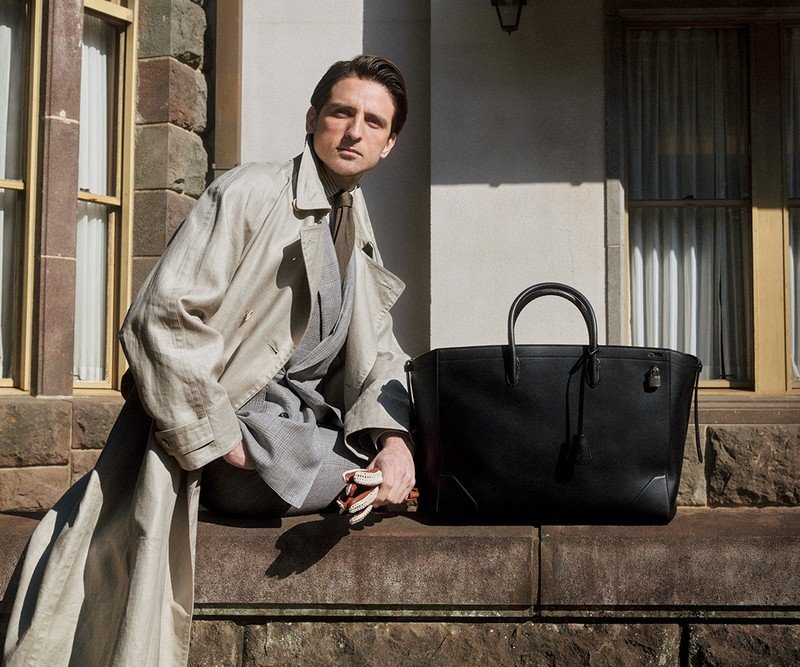
The house’s origins in travel equipment still matter because Dunhill bags are expected to work.
Document cases frequently include padded laptop compartments, internal zip pockets and detachable straps. Travel pieces may add trolley sleeves, generous openings and reinforced handles. Totes provide less formal access while retaining an orderly shape.
Before buying, examine the product as equipment:
- Confirm that your laptop fits inside the padded compartment.
- Check the empty weight before adding daily items.
- Test whether the top handle remains comfortable when the bag is full.
- Inspect how easily the closure can be used with one hand.
- Decide whether you need a detachable shoulder strap.
- Consider whether an open tote or secure document case suits your commute.
- Make sure the hardware tone works with your watch and jewellery.
A beautiful briefcase becomes frustrating if it cannot accommodate a charger, headphones and documents without distortion. Practical compatibility is part of luxury.
How to Choose the Right Dunhill Leather Piece
Begin with the way you actually dress and travel.
Choose a black grained document case if you need a resilient professional bag that will remain discreet. Consider brown Patina Calf if you want the leather to be more expressive and are comfortable with visible ageing.
The Alfred works best for formal tailoring and buyers drawn to craftsmanship as a design statement. Century totes feel more relaxed, while 1893 Harness pieces are often better suited to commuting. Cadogan wallets offer a smaller and more accessible introduction to the house.
| Your Priority | Consider |
|---|---|
| Formal business presence | Alfred 40 or a structured Bourdon document case |
| Daily commuting | 1893 Harness Single Document Case |
| Relaxed professional style | Century leather tote |
| Travel practicality | Leather holdall with trolley-compatible features |
| Small first purchase | Cadogan wallet or cardholder |
| Visible patina | Brown or whiskey Patina Calf |
| Lower-maintenance surface | Black grained calf leather |
For an everyday bag, darker grained leather is usually the safest choice. For a piece intended to become more personal over time, patinated brown calfskin provides greater tonal character.
Shop the Edit

Alfred 40 Patina Calf Briefcase
The fullest expression of Dunhill’s motoring-inspired leather craftsmanship
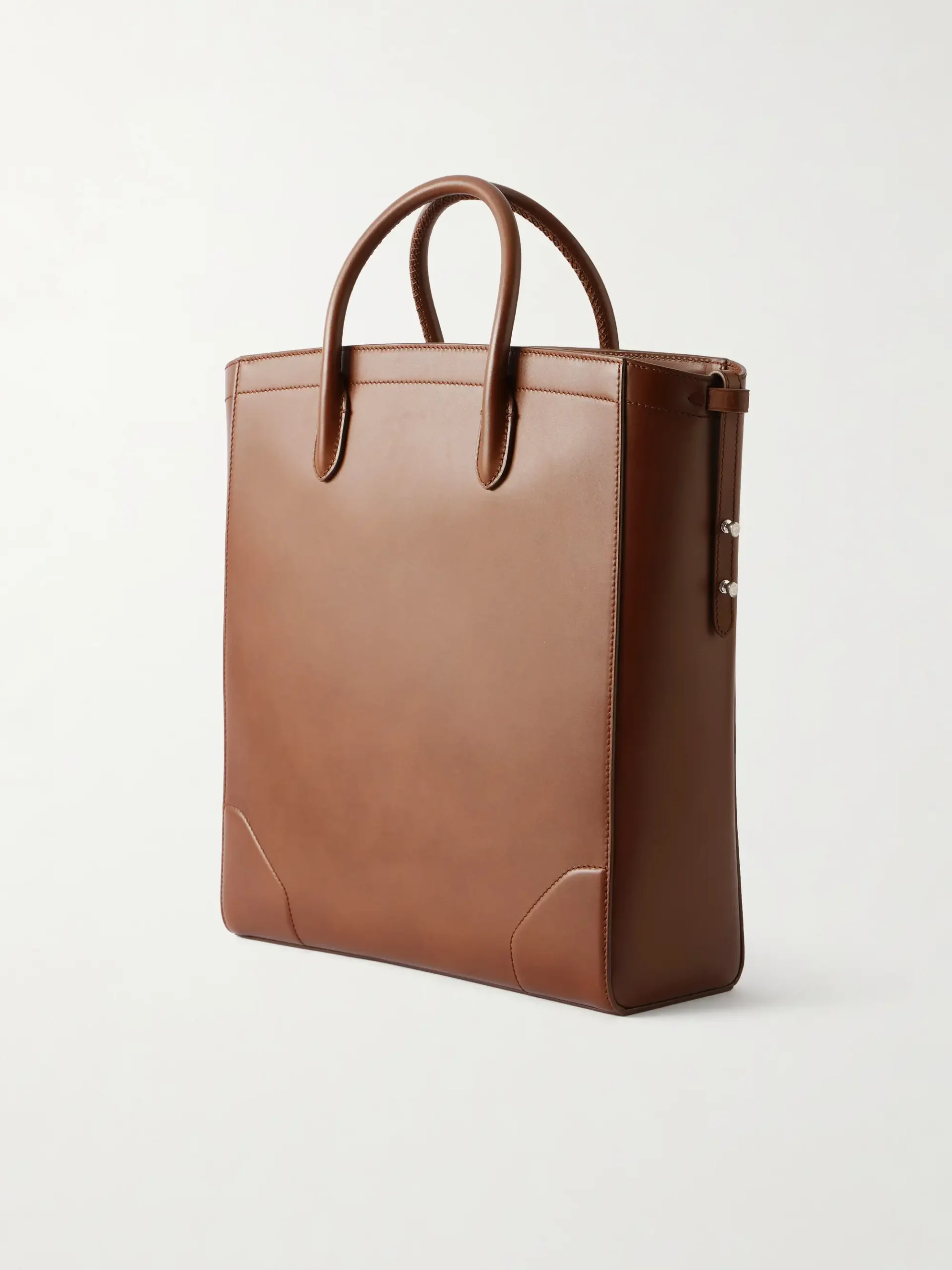
Century 33 Patina Leather Tote
A softer alternative to the traditional structured briefcase
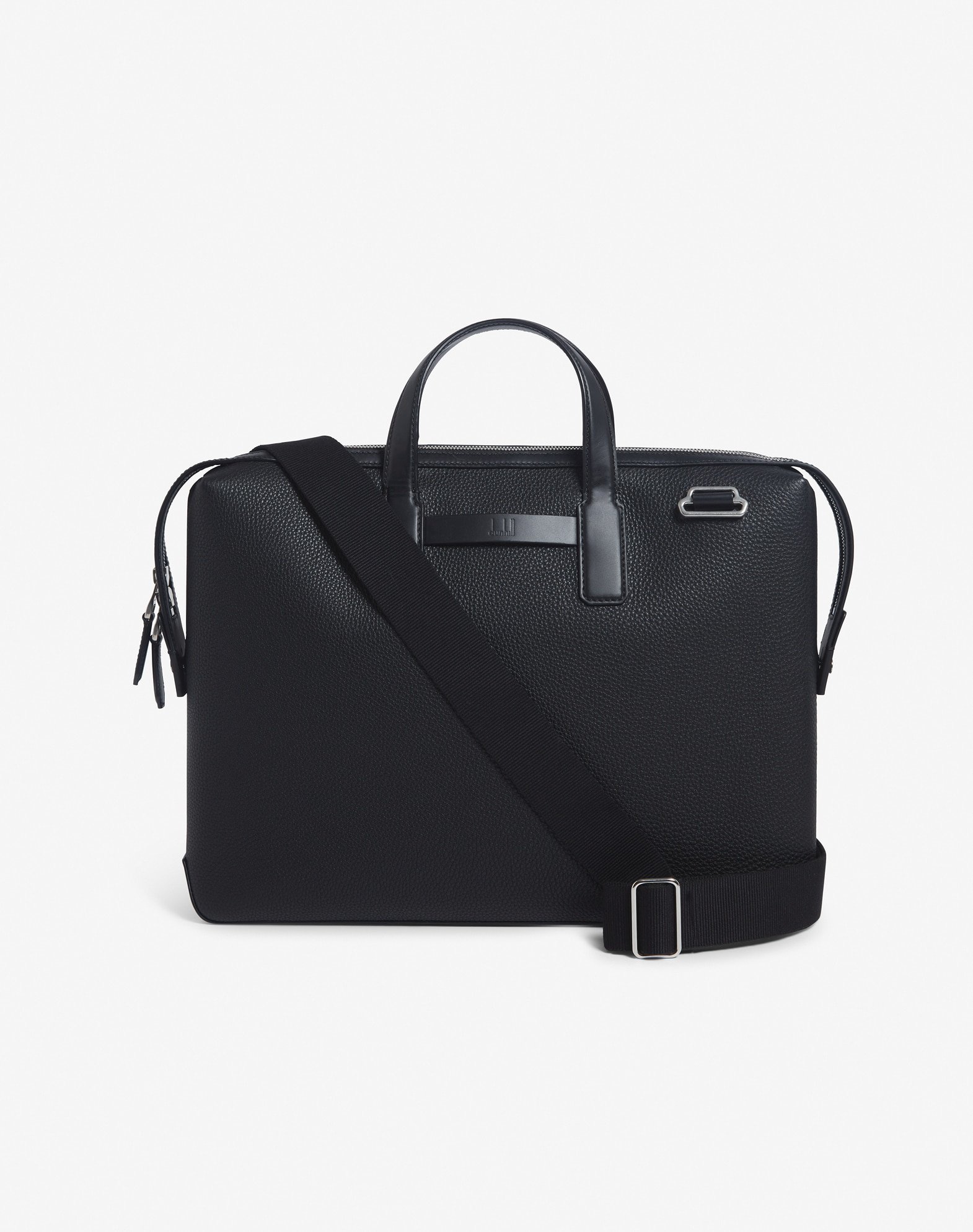
1893 Harness Single Document Case
Commuting, laptop storage and frequent business travel
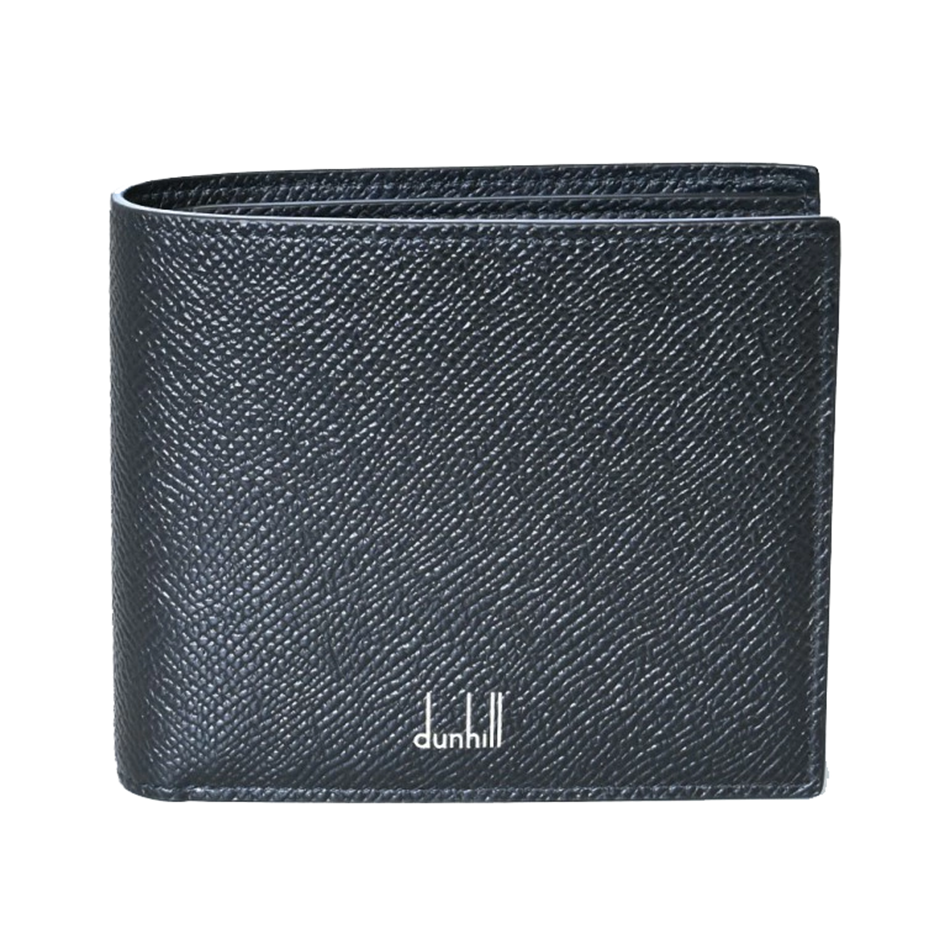
Cadogan 8CC Billfold Wallet
A discreet introduction to Dunhill’s full-grain leather goods
The Cadogan wallet is made in Italy from full-grain calf leather and includes eight card slots, two slip pockets and a divided bill compartment. Its current US list price is $495. (Dunhill Cadogan 8CC Wallet)
Prices, colours, specifications and availability may vary by market.
Pros and Cons
| Pros | Cons |
|---|---|
| More than 130 years of saddlery and travel heritage | Full-size leather bags occupy a high luxury price tier |
| Distinctive motoring-inspired hardware and construction | Structured briefcases can be heavier than canvas alternatives |
| High-quality full-grain, grained and patinated calfskin | Smooth Patina Calf may show scratches and handling marks |
| Restrained branding works well in professional settings | Quiet design may feel too conservative for logo-focused buyers |
| Collections serve formal, casual and travel needs | Some product families and colours have limited availability |
| Strong potential to develop attractive character with use | Fine leather requires careful storage and protection from moisture |
| Functional compartments support modern commuting | Formal top-handle designs are less convenient than backpacks |
Final Verdict
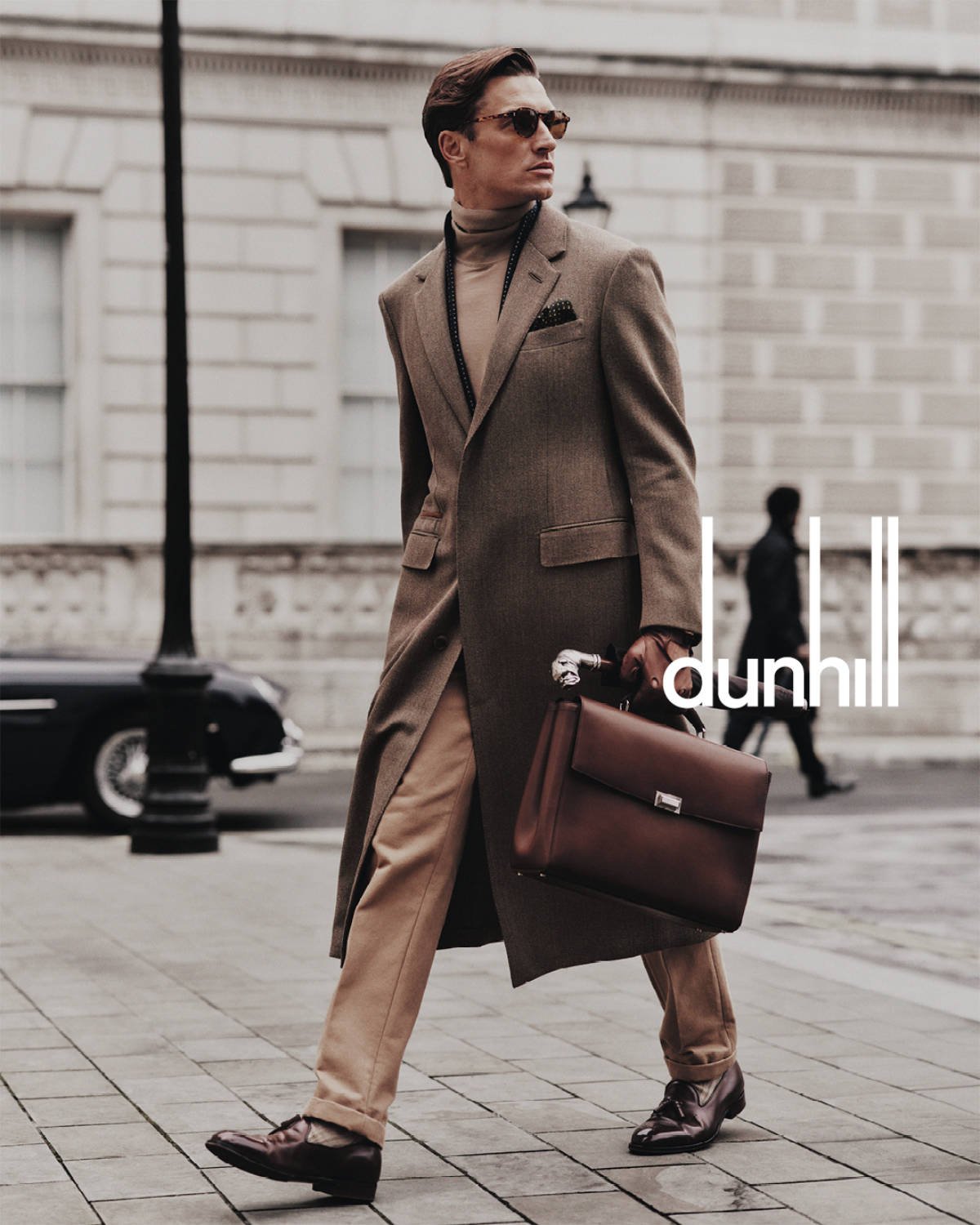
Dunhill leather goods are exceptional because their refinement has a functional foundation.
The house’s saddlery origins created an understanding of leather as a working material. Its transition into motoring introduced an engineering sensibility visible in curved gussets, precision hardware and travel-focused construction. Patinated calfskin, discreet branding and controlled proportions then elevate those practical foundations into luxury.
The Alfred is the clearest choice for someone who wants craftsmanship and design presence. The 1893 Harness collection offers stronger everyday utility, while Century pieces provide a more relaxed interpretation. Cadogan wallets and cardholders are ideal for experiencing the house’s leather quality on a smaller scale.
Dunhill will not suit every luxury buyer. Its designs can appear conservative beside louder fashion houses, and its best leather requires care. But for someone who values understated British character, purposeful construction and materials that improve through use, that restraint is precisely the attraction.
A Dunhill bag does not need to advertise its value. The leather, hardware and way it performs over time are intended to make the argument.
