
TL;DR
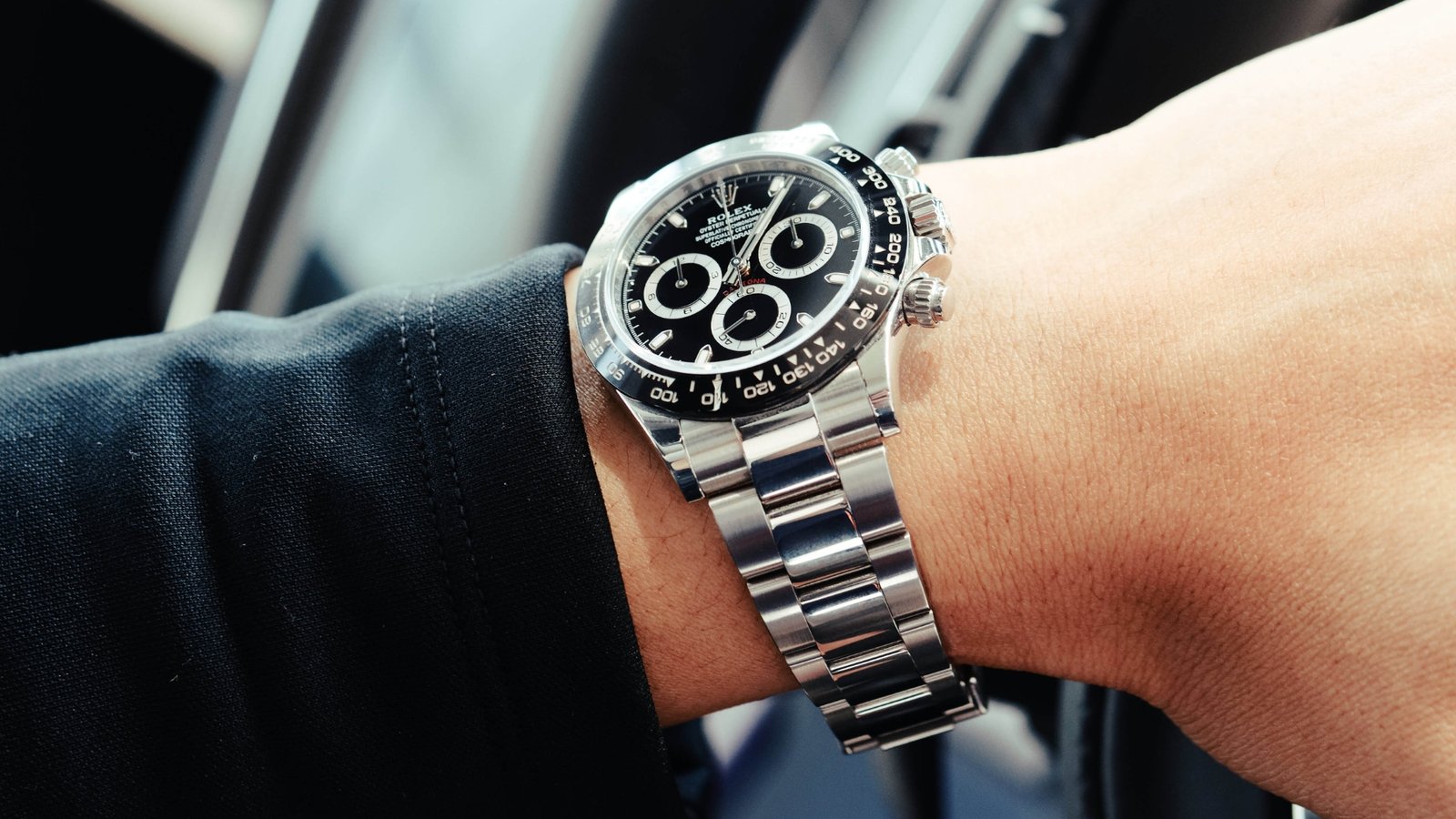
The Rolex Daytona remains one of the most coveted chronographs in the world. Its robust in-house movement, iconic design, and exceptional resale value make it a standout luxury watch. While retail availability is limited and market prices can be high, its craftsmanship and enduring demand justify its legendary reputation.
Table of Contents
Introduction
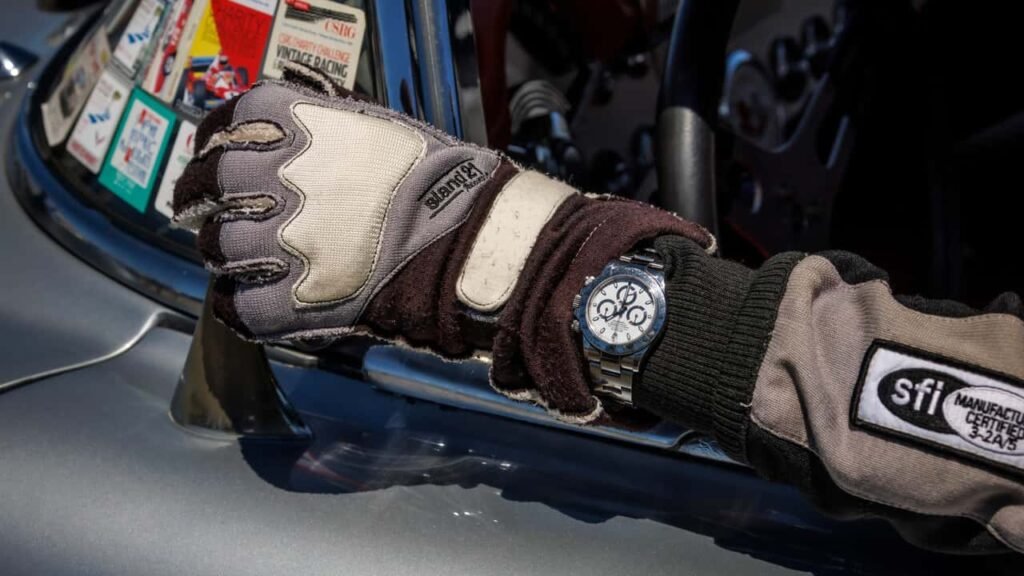
Few watches command the level of fascination surrounding the Rolex Daytona.
Originally introduced in 1963 by Rolex, the watch was designed for professional racing drivers. Its tachymeter bezel allowed drivers to measure speed over distance—an essential tool in motorsport timing.
Over time, the Daytona evolved from a niche racing chronograph into one of the most sought-after luxury watches in the world.
Its association with actor and racing enthusiast Paul Newman further elevated the watch’s legendary status among collectors.
Today, the Daytona is no longer just a tool watch. It is a symbol of prestige within the world of luxury horology.
But with soaring demand and rising market prices, many buyers ask:
Is the Rolex Daytona truly worth the price?
Design: A Chronograph That Became an Icon
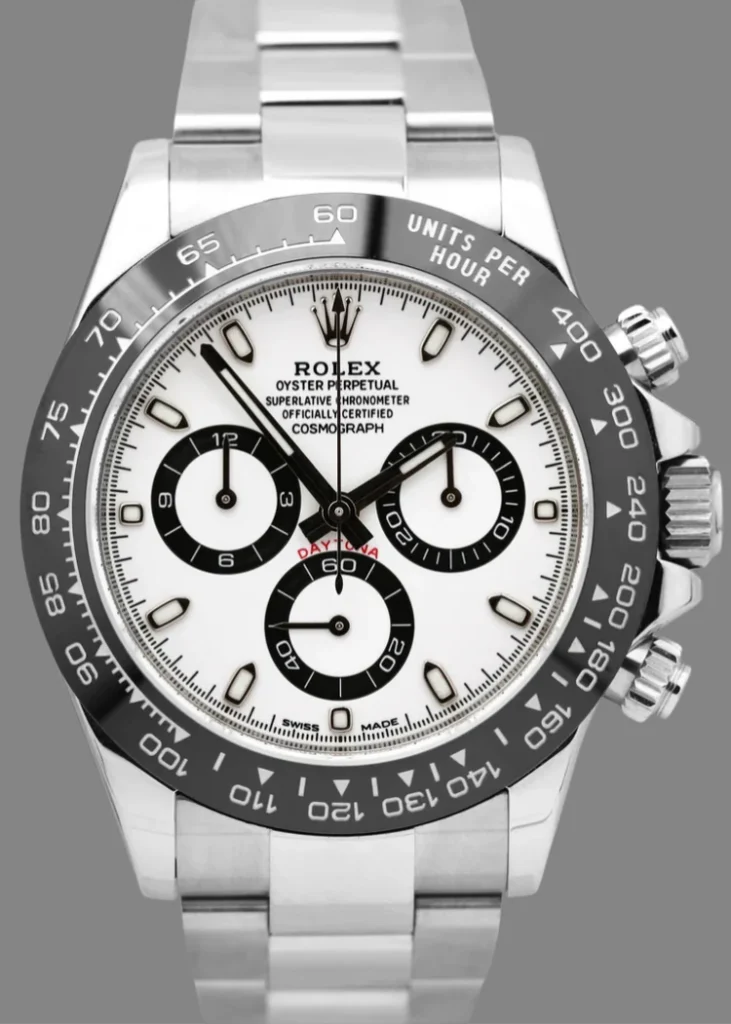
The Daytona’s design has remained remarkably consistent for decades.
Key design elements
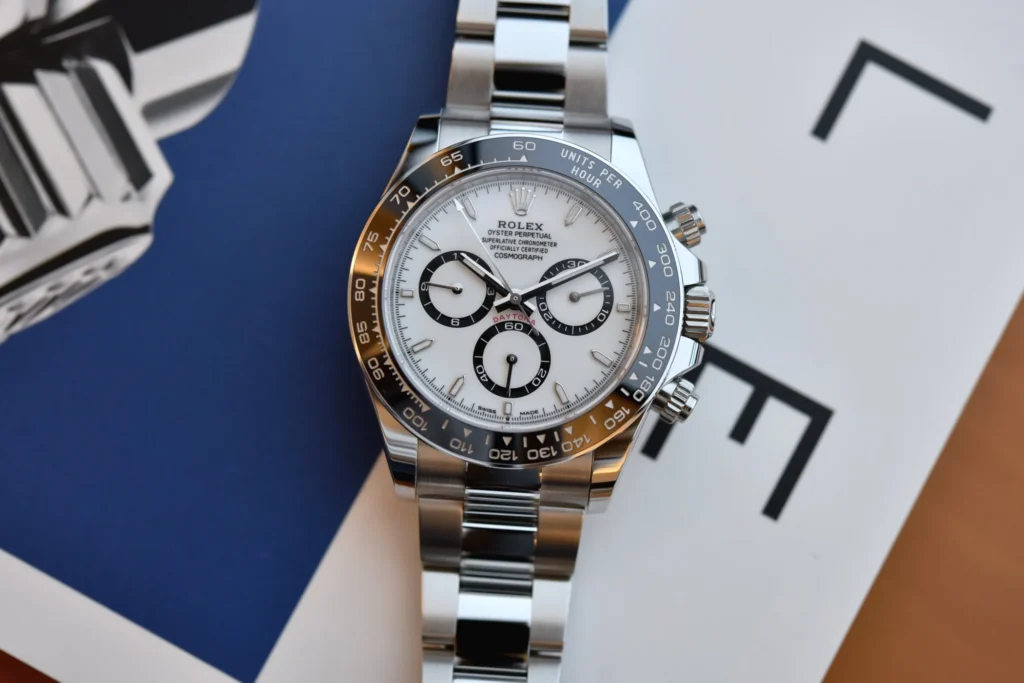
- 40mm Oyster case
- tachymeter bezel
- three-register chronograph layout
- screw-down pushers
- Oyster bracelet
The chronograph subdials are carefully balanced across the dial, creating one of the most recognizable watch faces in the industry.
Modern Daytona models often feature a Cerachrom ceramic bezel, which improves scratch resistance while preserving the watch’s sporty aesthetic.
Despite many updates over the years, the overall design remains faithful to its racing origins.
Craftsmanship & Movement: Caliber 4130
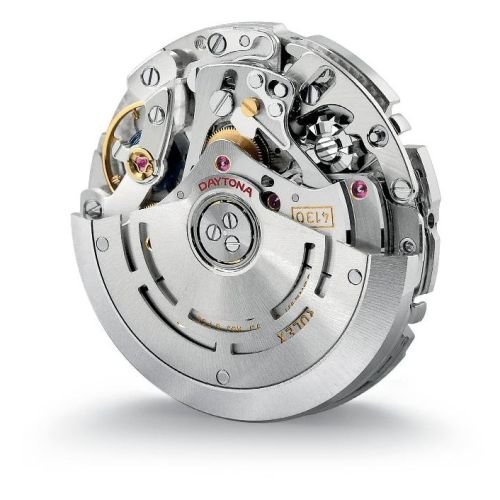
One of the Daytona’s most impressive aspects lies inside the case.
The watch is powered by the Rolex Caliber 4130, a fully in-house automatic chronograph movement.
Key movement features
- automatic chronograph
- column wheel mechanism
- vertical clutch system
- approximately 72-hour power reserve
- COSC-certified precision
The vertical clutch allows the chronograph seconds hand to start smoothly without the jump sometimes seen in older chronographs.
Additionally, the movement contains fewer components than many competing chronographs, improving reliability and service efficiency.
This combination of durability and precision is central to Rolex’s reputation.
Wearability & Everyday Use
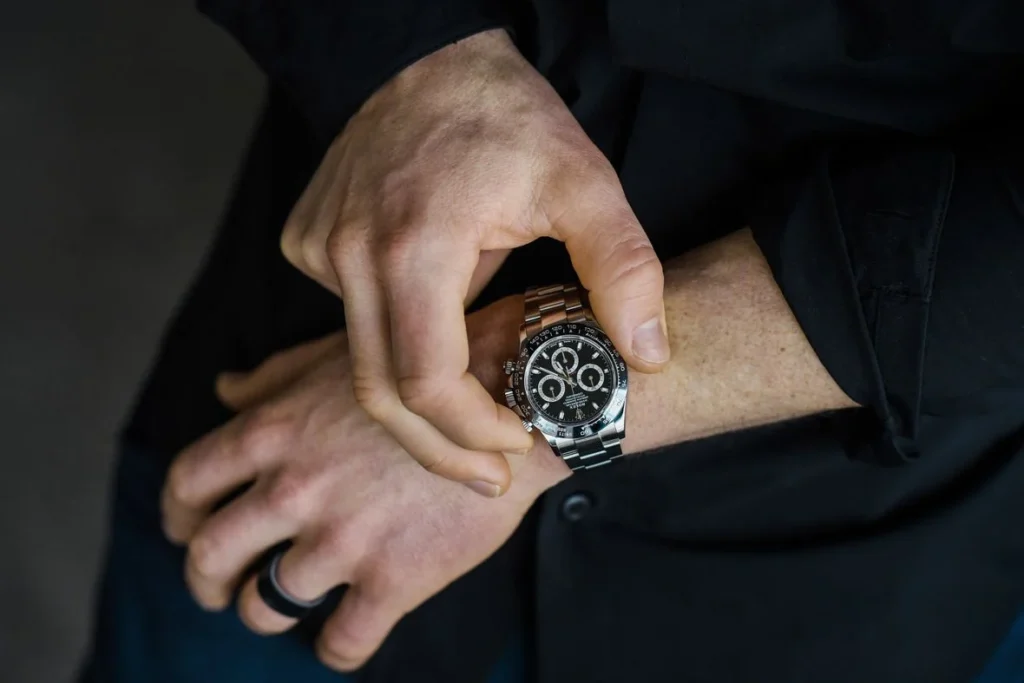
Despite its sporting heritage, the Daytona works surprisingly well as an everyday luxury watch.
Strengths
- balanced 40mm size
- comfortable Oyster bracelet
- versatile styling
The watch transitions easily from casual wear to formal settings.
Its relatively slim profile allows it to sit comfortably under a shirt cuff, while the polished steel case adds a subtle sense of luxury.
For many collectors, the Daytona occupies a unique position—it is both a sports watch and a refined status symbol.
Performance & Reliability
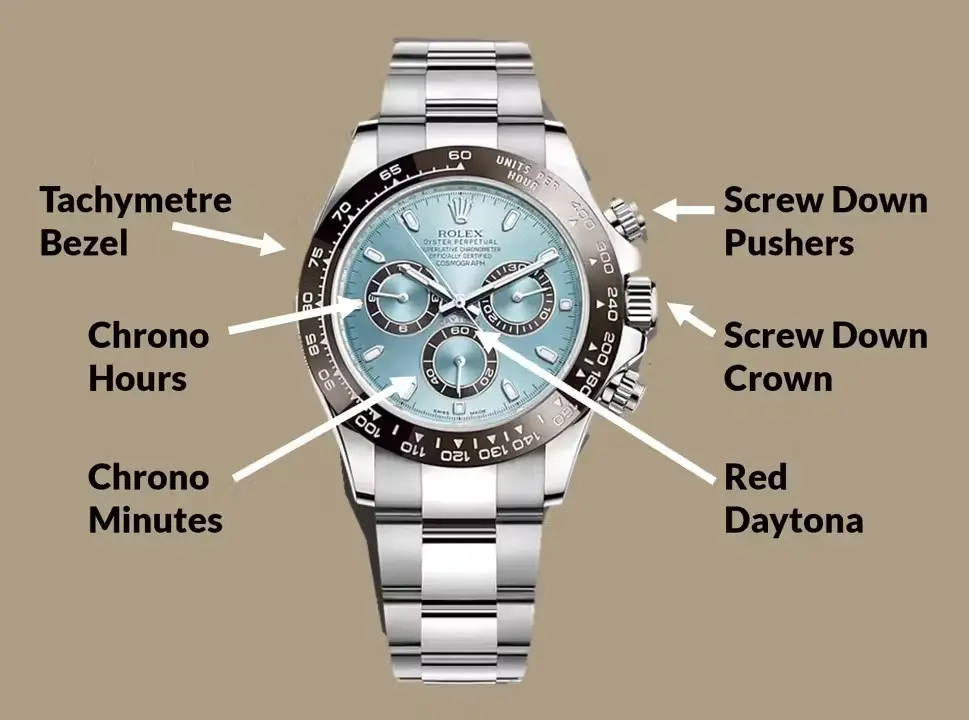
The Daytona’s chronograph performance is widely regarded as excellent.
The pushers operate with a firm, precise click, providing tactile feedback when starting or stopping the timer.
The vertical clutch mechanism ensures smooth chronograph engagement, which improves long-term durability.
In daily use, the watch maintains impressive accuracy thanks to Rolex’s stringent chronometer standards.
While many modern buyers rarely use the chronograph function, the Daytona remains a technically capable tool watch.
Resale Value & Market Demand
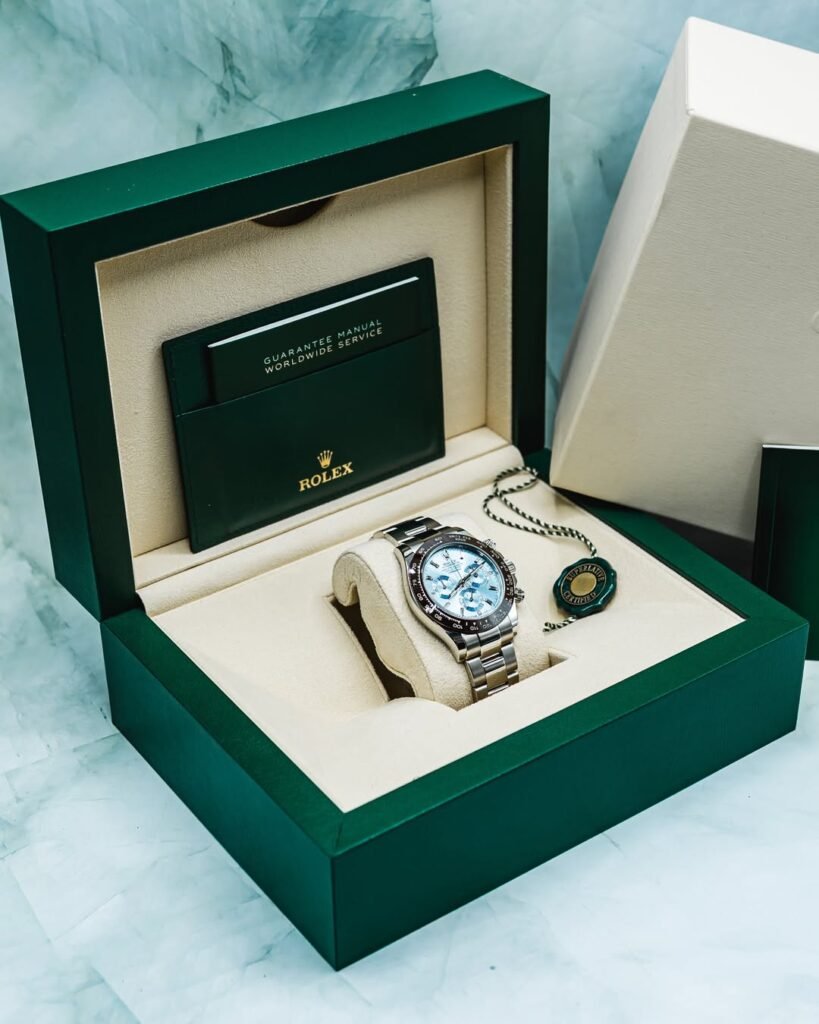
The Rolex Daytona has one of the strongest resale markets in the watch industry.
Demand for stainless steel models often exceeds supply at authorized retailers.
This imbalance has created a vibrant secondary market where certain Daytona references trade significantly above retail price.
Factors driving demand
- Rolex brand prestige
- limited retail availability
- strong collector interest
- iconic design continuity
While not every Daytona should be considered an investment, its resale stability is a major attraction for buyers.
Shop The Edit
Editor’s Picks
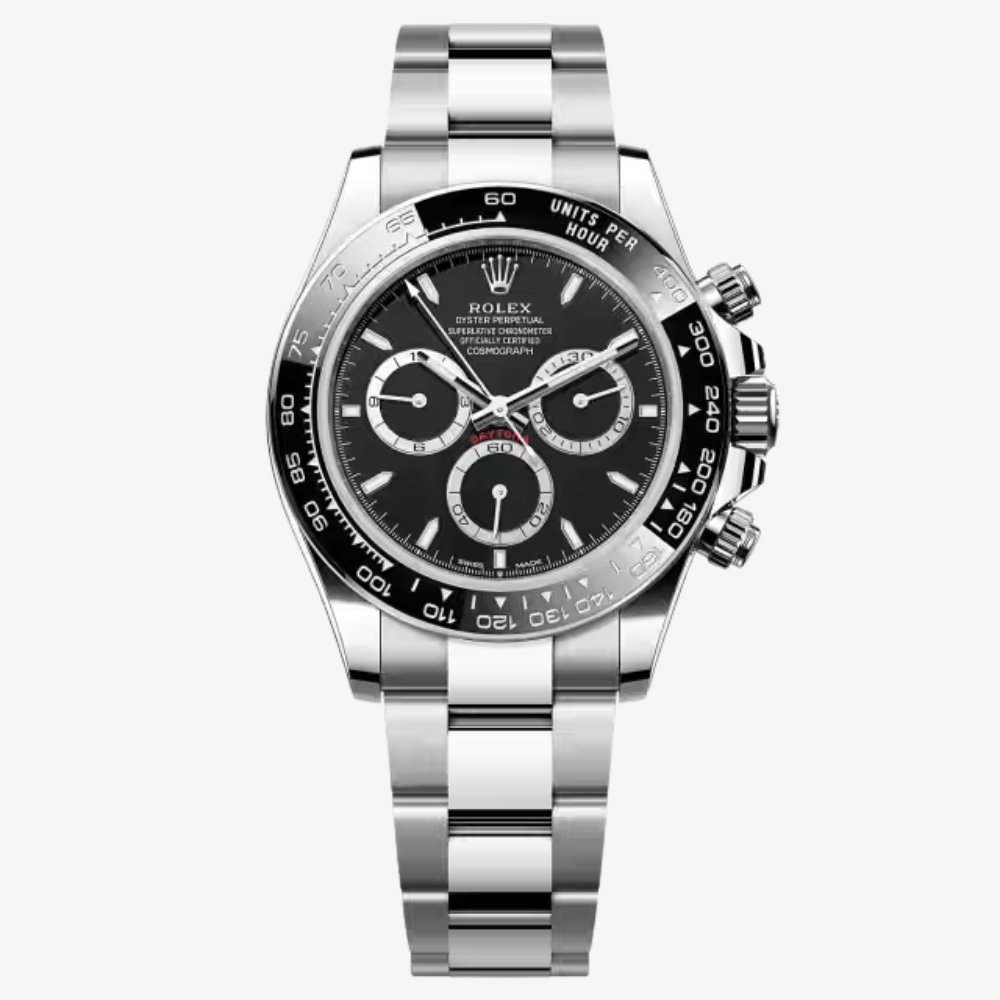
Steel Daytona with Ceramic Bezel
The most sought-after modern reference
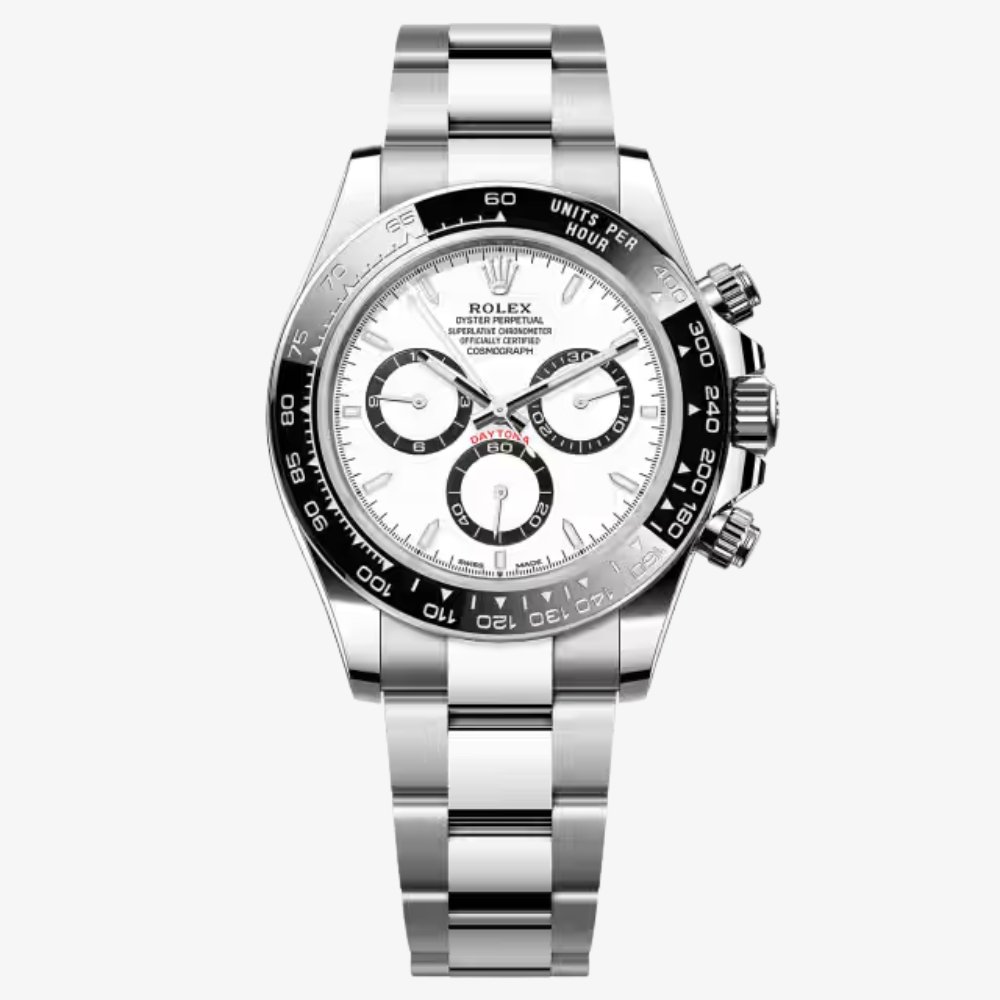
Panda Dial Daytona
Collector favorite configuration
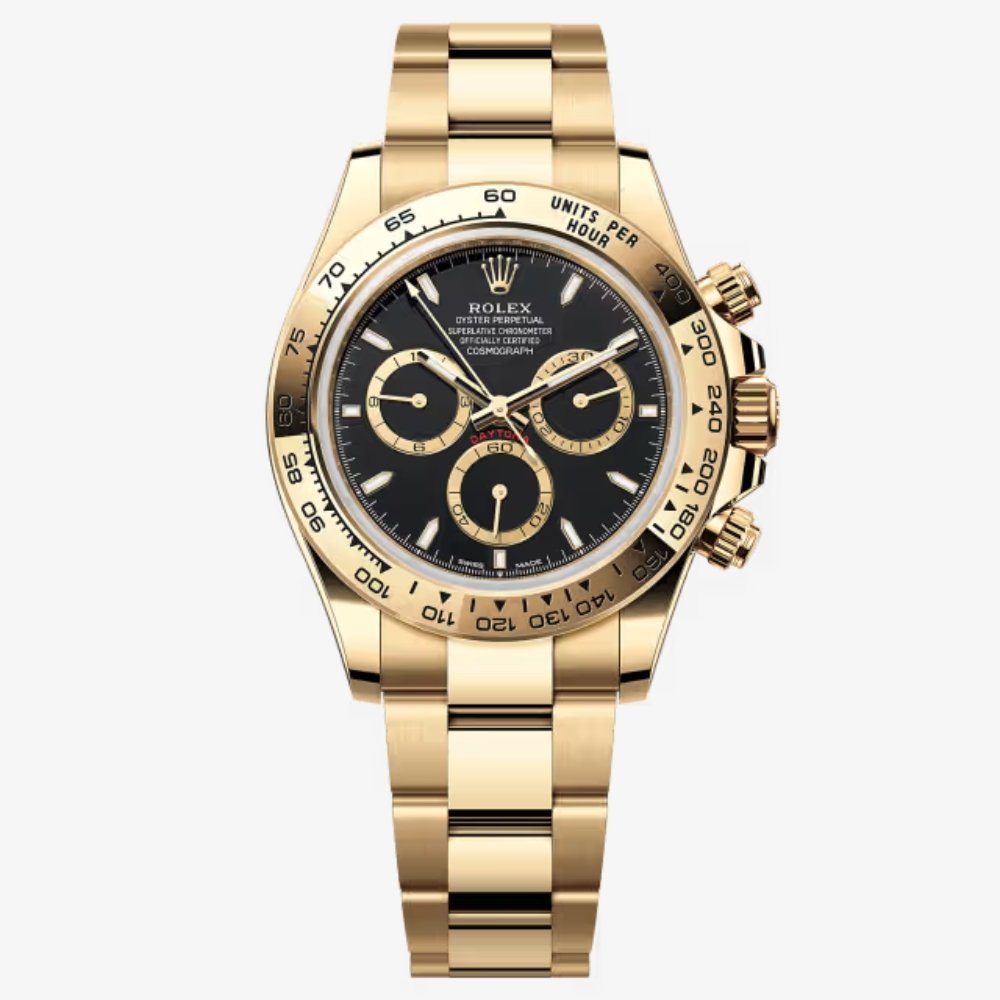
Yellow Gold Daytona
Luxurious interpretation of the racing icon
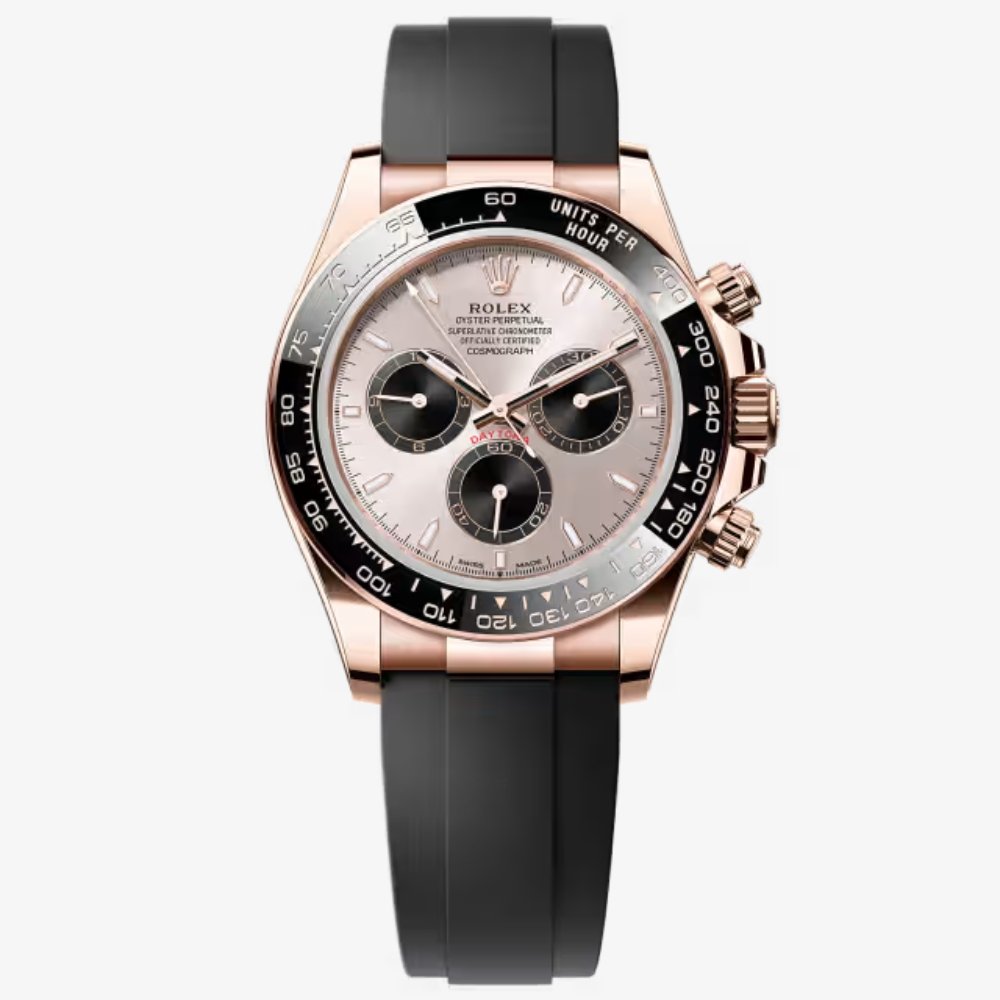
Oysterflex Daytona
Sporty rubber strap alternative
Pros & Cons
| Pros | Cons |
|---|---|
| Legendary chronograph design | Extremely difficult to buy at retail |
| Highly reliable in-house movement | Secondary market prices can be high |
| Excellent resale value | Chronograph function rarely used by most owners |
| Strong collector demand | Limited availability |
Final Verdict: Is the Rolex Daytona Worth the Price?
Yes—if you can obtain one.
The Rolex Daytona represents a rare combination of craftsmanship, heritage, and market demand.
Its in-house chronograph movement is robust and technically refined, while its timeless design has remained relevant for more than half a century.
For collectors and enthusiasts, the Daytona is more than a watch. It is a symbol of modern luxury horology.
While the price—particularly on the secondary market—may be steep, the Daytona continues to justify its status as one of the most coveted chronographs ever produced.
