
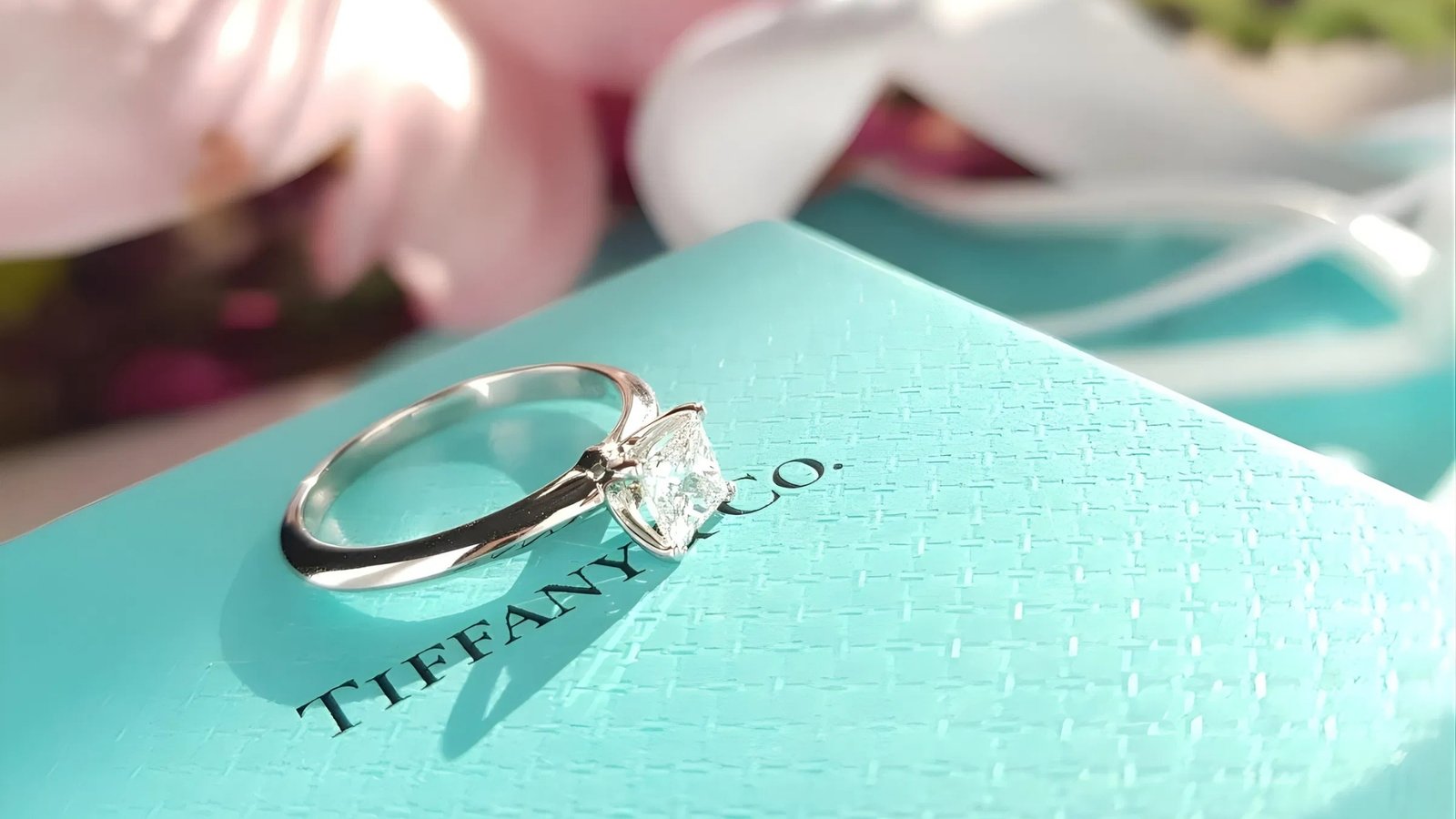
A Tiffany & Co. engagement ring carries meaning before anyone examines its diamond.
The Tiffany Blue Box, New York heritage and instantly recognisable name have made the jeweller synonymous with proposals. Its most famous design, the six-prong Tiffany Setting, was introduced in 1886 and helped establish the raised solitaire as the modern engagement-ring archetype.
That history does not make every Tiffany ring automatically better than a comparable piece from an independent jeweller. Buyers pay a substantial premium for the name, retail experience, proprietary designs, diamond selection and continuing services.
The central question is therefore not whether Tiffany produces beautiful engagement rings—it clearly does—but whether those qualities justify its premium for your priorities.

TL;DR
| Category | LxryNow Take |
|---|---|
| Best For | Buyers prioritising heritage, service and recognisable design |
| Best Overall Setting | The Tiffany Setting in platinum |
| Best Contemporary Design | Tiffany True |
| Best for Wedding-Band Pairing | Tiffany Harmony |
| Best for Maximum Sparkle | Tiffany Soleste |
| Diamond Offering | Naturally sourced diamonds across multiple shapes and grades |
| Starting U.S. Price | Approximately $1,380, depending on design and diamond |
| Main Strength | Iconic settings supported by strong aftercare |
| Main Drawback | Significant brand premium compared with independent jewellers |
| Overall Verdict | Beautiful and reassuring, but value depends on emotional priorities |
The Tiffany Setting remains the clearest choice for someone who specifically wants a Tiffany engagement ring. Buyers prioritising maximum carat weight for a fixed budget will usually find stronger numerical value elsewhere.
Why the Tiffany Setting Matters
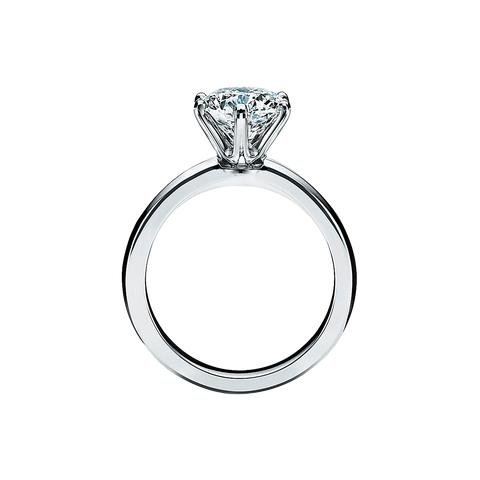
Tiffany introduced its raised six-prong setting in 1886. Instead of surrounding the diamond with substantial metal, the design lifts the stone above the band so that more light can enter around it.
The setting’s influence is so widespread that many six-prong solitaire rings are casually described as “Tiffany-style.” The original remains identifiable through its refined knife-edge band, elevated basket and balanced claw placement.
Its visual intelligence lies in restraint. From above, the six prongs appear evenly distributed around the diamond. From the side, the stone sits prominently above the band rather than disappearing into it.
The elevated profile increases exposure to knocks and may catch on clothing, but it also gives a comparatively modest diamond greater presence. Tiffany’s current collection expands this foundation through halo, pavé, three-stone and proprietary mixed-cut designs. Tiffany & Co.
Tiffany Engagement Ring Collections
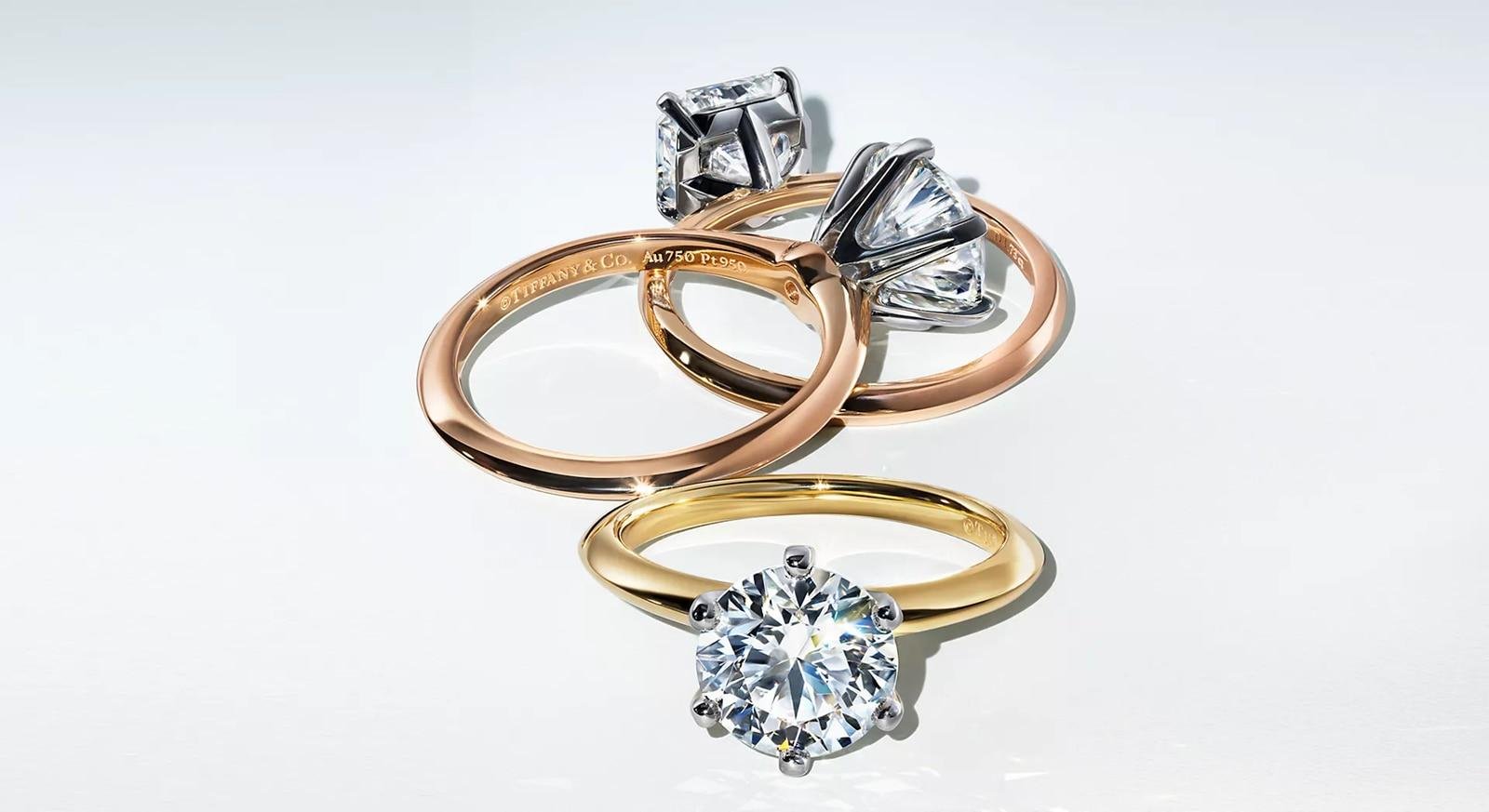
| Collection | Design Character | Best For |
|---|---|---|
| Tiffany Setting | Raised six-prong solitaire with a knife-edge band | Classic proposals |
| Tiffany True | Geometric setting with a lower, more architectural profile | Contemporary style |
| Tiffany Harmony | Tapered band designed to pair closely with a wedding ring | Balanced bridal sets |
| Tiffany Soleste | Diamond halo surrounding the centre stone | Maximum visual sparkle |
| Tiffany Forever | Multiple shapes with restrained solitaire or pavé bands | Shape-focused shoppers |
| Tiffany Three Stone | Centre diamond accompanied by two side stones | Symbolic, substantial designs |
| Jean Schlumberger | Decorative, sculptural and jewellery-led | Distinctive luxury |
The Tiffany Setting
The original six-prong design remains the brand’s defining engagement ring. It is elegant, instantly recognisable to informed jewellery buyers and relatively resistant to changing trends.
Its raised diamond can catch on knitwear or gloves, and the exposed setting requires regular prong inspections. Even so, it is LxryNow’s strongest recommendation for someone whose decision is specifically tied to Tiffany.
Tiffany True
Tiffany True feels cleaner and more architectural. It is available with a round brilliant diamond or Tiffany’s proprietary mixed-cut square stone. The lower profile can feel more integrated with the hand, although its geometry is less traditionally romantic.
Tiffany Harmony
Harmony uses a gently tapered band that narrows as it approaches the diamond. This directs attention towards the centre stone and creates a neat pairing with a matching wedding band.
Tiffany Soleste
Soleste surrounds the centre stone with one or more rows of smaller diamonds. The halo produces greater visual coverage, making the ring appear more substantial. It also introduces additional pavé stones that require inspection and maintenance.
Diamond Quality and the 4Cs
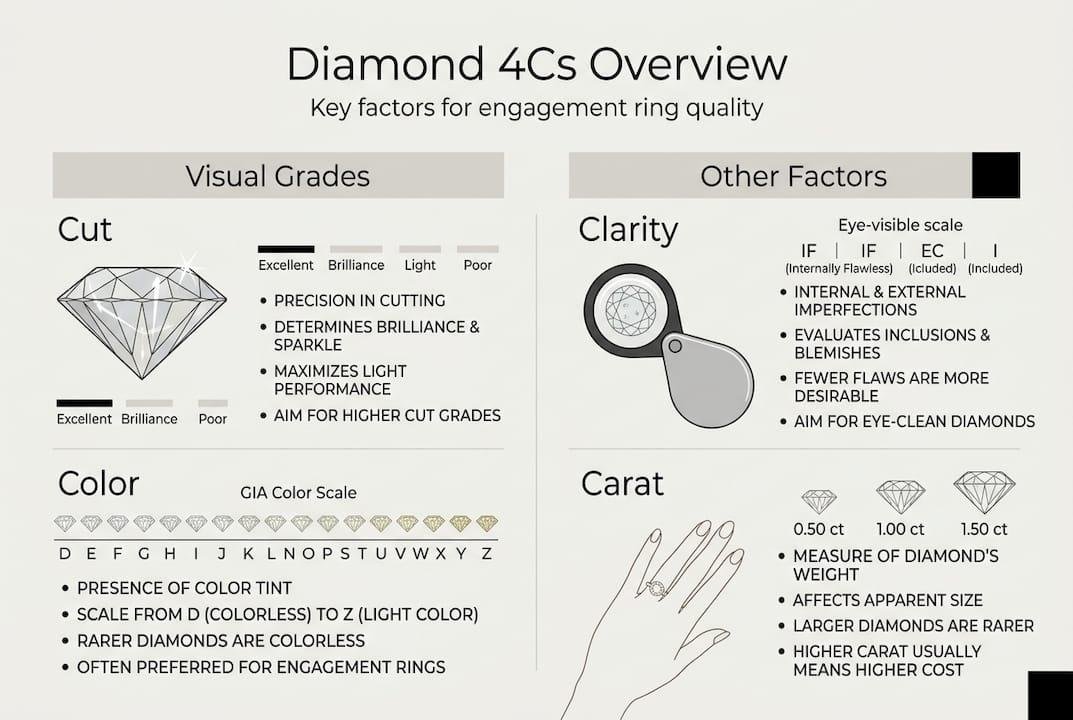
The 4Cs—cut, colour, clarity and carat weight—remain the foundation of diamond comparison.
| Factor | What It Measures | LxryNow Priority |
|---|---|---|
| Cut | Proportion, symmetry, polish and light performance | Highest |
| Colour | Presence or absence of natural colour | Balance against budget |
| Clarity | Internal inclusions and external blemishes | Eye-clean appearance |
| Carat | Diamond weight rather than visible dimensions | Consider after cut |
Tiffany states that every round brilliant engagement diamond receives triple excellent cut grades for cut, polish and symmetry. Its online selection currently includes diamonds within colourless and near-colourless grades and rejects stones with imperfections noticeable to the unaided eye. Tiffany Setting
Cut deserves the greatest attention because it directly influences brilliance. A well-cut diamond may appear more animated than a heavier stone with weak proportions.
Colour becomes easier to detect as carat weight increases, particularly when viewing a diamond from the side. Platinum emphasises a crisp white appearance, while yellow or rose gold can make warmer colour grades feel intentional.
High clarity grades carry rarity and prestige, but the difference between an eye-clean VS diamond and a VVS diamond may not be visible without magnification. Paying for microscopic perfection makes sense only if its rarity has emotional value.
Diamond Shapes Compared

| Shape | Visual Effect | Considerations |
|---|---|---|
| Round Brilliant | Classic with strong sparkle | Usually carries a higher price per carat |
| Oval | Elongates the finger and offers broad coverage | Inspect for a distracting central bow-tie |
| Emerald Cut | Architectural and understated | Clarity is more visible through broad facets |
| Cushion Cut | Soft, romantic and substantial | Proportions vary considerably |
| Pear Shape | Distinctive and lengthening | Pointed end needs protection |
| Princess Cut | Modern, geometric brilliance | Corners are vulnerable without secure prongs |
| Tiffany True Cut | Proprietary square mixed cut | Closely tied to the brand and harder to compare directly |
Round brilliant is the safest long-term choice and suits the original Tiffany Setting particularly well. Oval and emerald cuts offer more distinctive proportions, while cushion and pear shapes feel softer and more decorative.
View any diamond in several lighting conditions. Jewellery-store spotlights are designed to produce maximum sparkle and do not replicate office light, shade or an ordinary interior.
Platinum, Yellow Gold or Rose Gold?
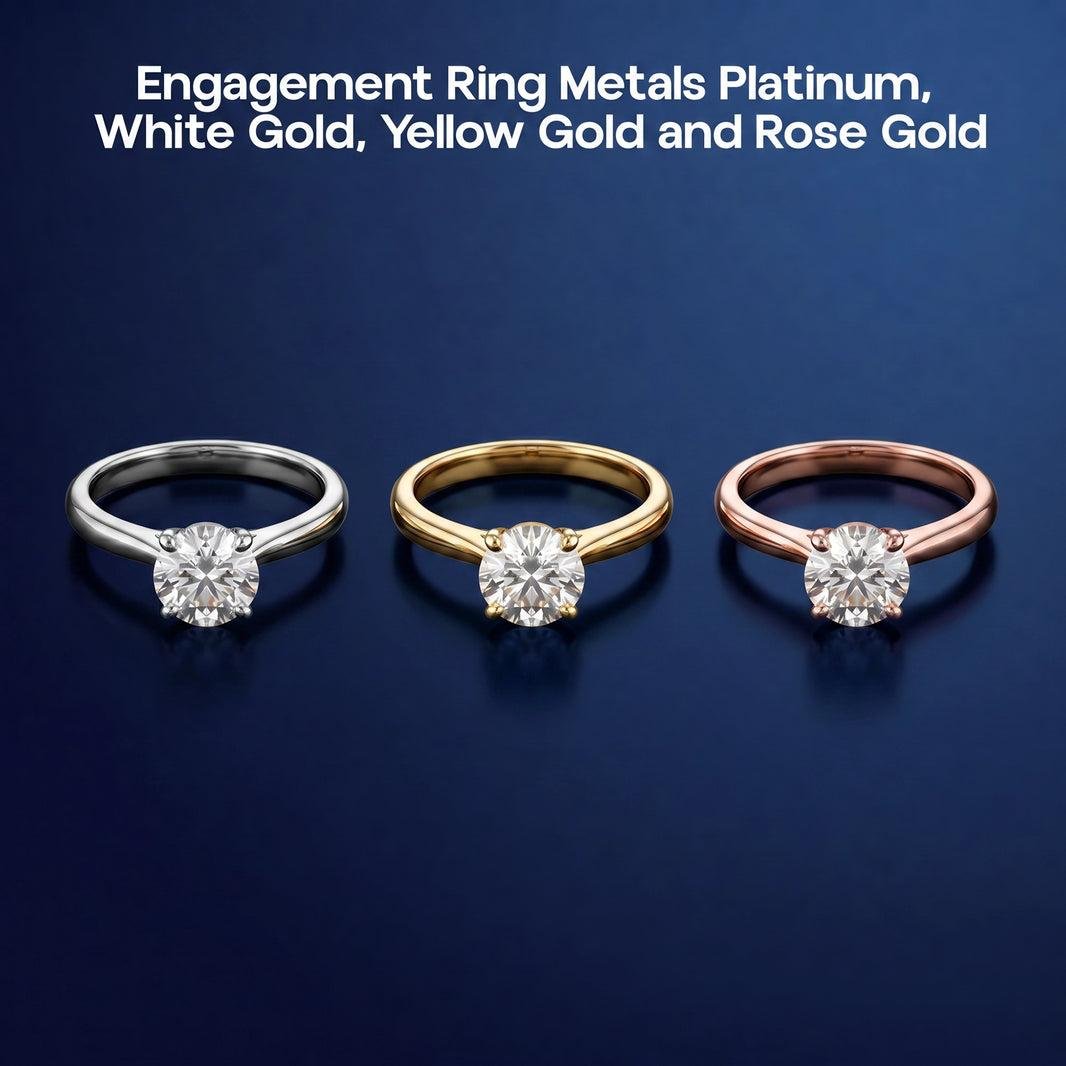
Tiffany offers engagement rings in platinum and selected 18k gold configurations. The brand states that its diamonds are secured in platinum, including when the main band uses yellow or rose gold. Tiffany & Co.
Platinum is dense, naturally white and well suited to holding diamonds. It develops a soft patina with wear rather than losing metal in the same way as repeated gold polishing. However, it is heavier and may show surface marks.
Yellow gold creates stronger contrast between the band and the diamond. It suits warm jewellery wardrobes and can make a classic solitaire feel less conventional.
Rose gold has a softer, romantic appearance but is more dependent on personal taste. Anyone intending to wear an engagement ring beside an existing wedding band should compare both metals together before choosing.
Comfort and Everyday Wear

Most Tiffany engagement rings are comfortable enough for daily wear, but the setting matters.
The Tiffany Setting positions the diamond high above the finger. This creates exceptional visibility but increases the likelihood of catching on hair, delicate clothing and gloves. Taller stones may also rotate when the ring is slightly loose.
Tiffany True generally feels more architectural and integrated, while Harmony is especially effective for bridal stacking. Soleste offers broad visual impact but places pavé diamonds across more of the ring’s surface.
Try the ring with its intended wedding band before purchase. A straight band may leave a gap beneath certain raised or decorative settings, while a shaped band can sit more closely.
Tiffany offers complimentary resizing for its engagement-ring purchases. The company advises against repeated resizing, making an accurate initial measurement preferable. Tiffany resizing policy
The Tiffany Buying Experience
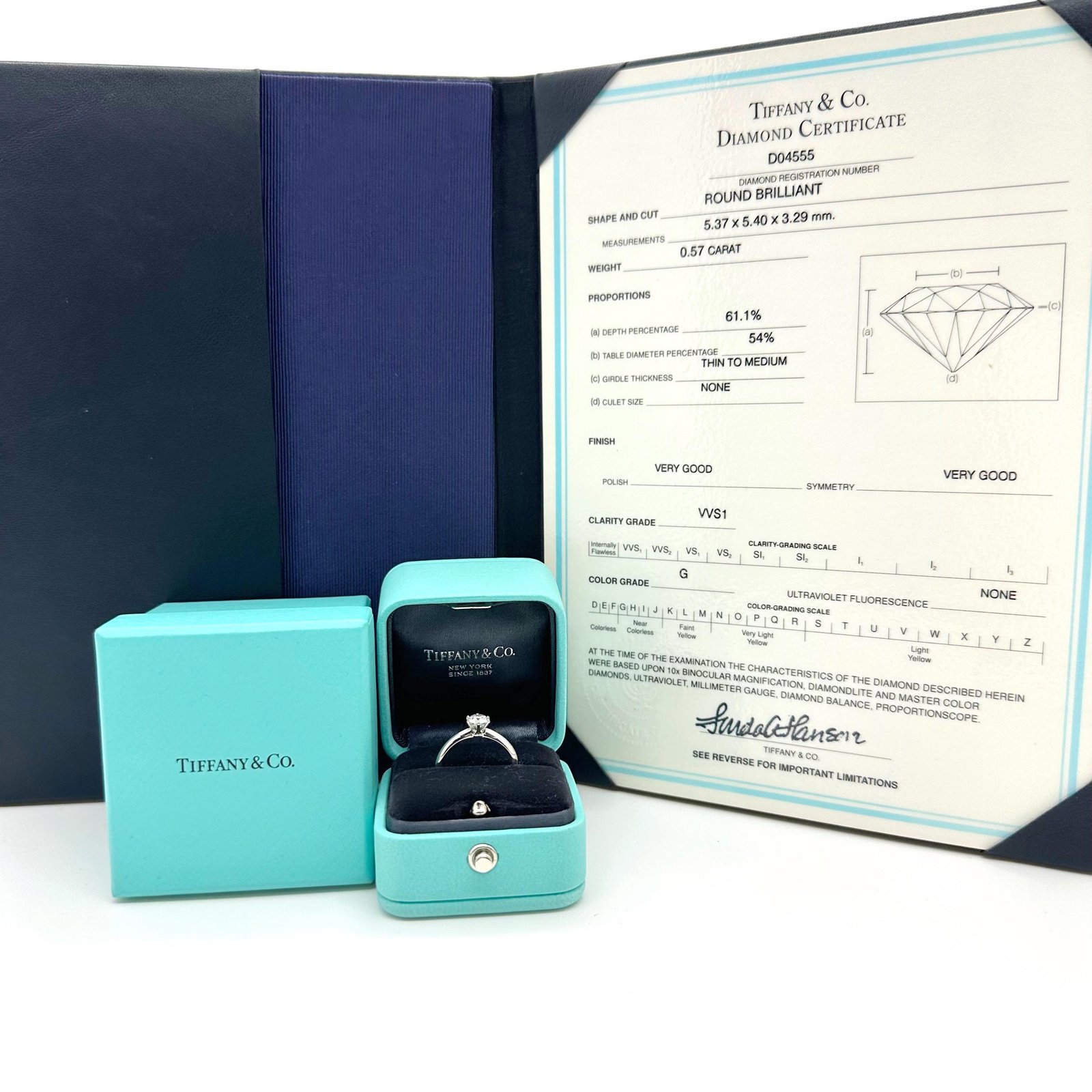
The retail experience is one of Tiffany’s strongest advantages. Buyers can compare settings and diamonds with a specialist rather than navigating hundreds of loosely differentiated stones alone.
Each individually registered engagement diamond is accompanied by a Tiffany Diamond Certificate detailing its grading. Tiffany backs the accuracy of that certificate with a full lifetime warranty: if the diamond is found to differ from its documented quality at the time of purchase, the company states that it will offer a refund or appropriate replacement. This is a grading warranty, not blanket insurance against loss, accidental damage or normal wear. Tiffany Diamond Certificate, Lifetime Warranty
Tiffany also offers an engagement-ring upgrade programme. Following assessment, an eligible original Tiffany diamond ring may receive credit up to its initial purchase price towards a new ring costing at least twice that amount. Damage can reduce the available credit. Tiffany upgrade policy
These services add meaningful reassurance, although exact eligibility and regional terms should be confirmed before buying.
Responsible Sourcing and Traceability
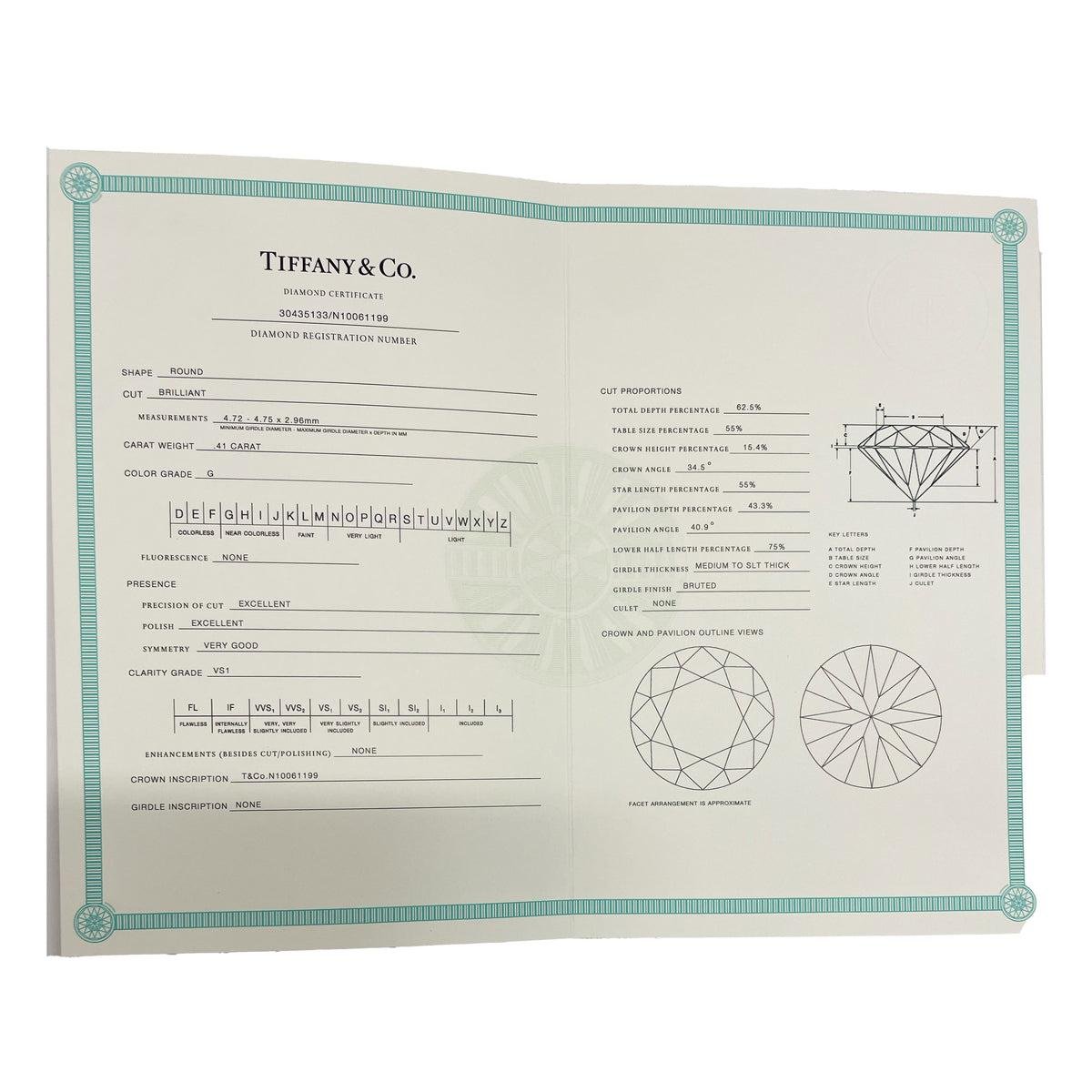
Tiffany states that it discloses the sourcing, cutting, polishing, grading and setting countries for newly sourced, individually registered diamonds of 0.18 carats and above.
The company says its rough stones originate directly from known mines or suppliers with limited groups of known mines. Its stated sourcing countries include Australia, Botswana, Canada, Namibia and South Africa. Tiffany Diamond Provenance
Traceability does not eliminate every environmental or social question associated with mined diamonds. It does, however, give buyers more origin information than a transaction supported only by a grading report.
Customers with firm preferences about country of origin or production practices should request the specific provenance details attached to the individual diamond under consideration.
Care and Maintenance
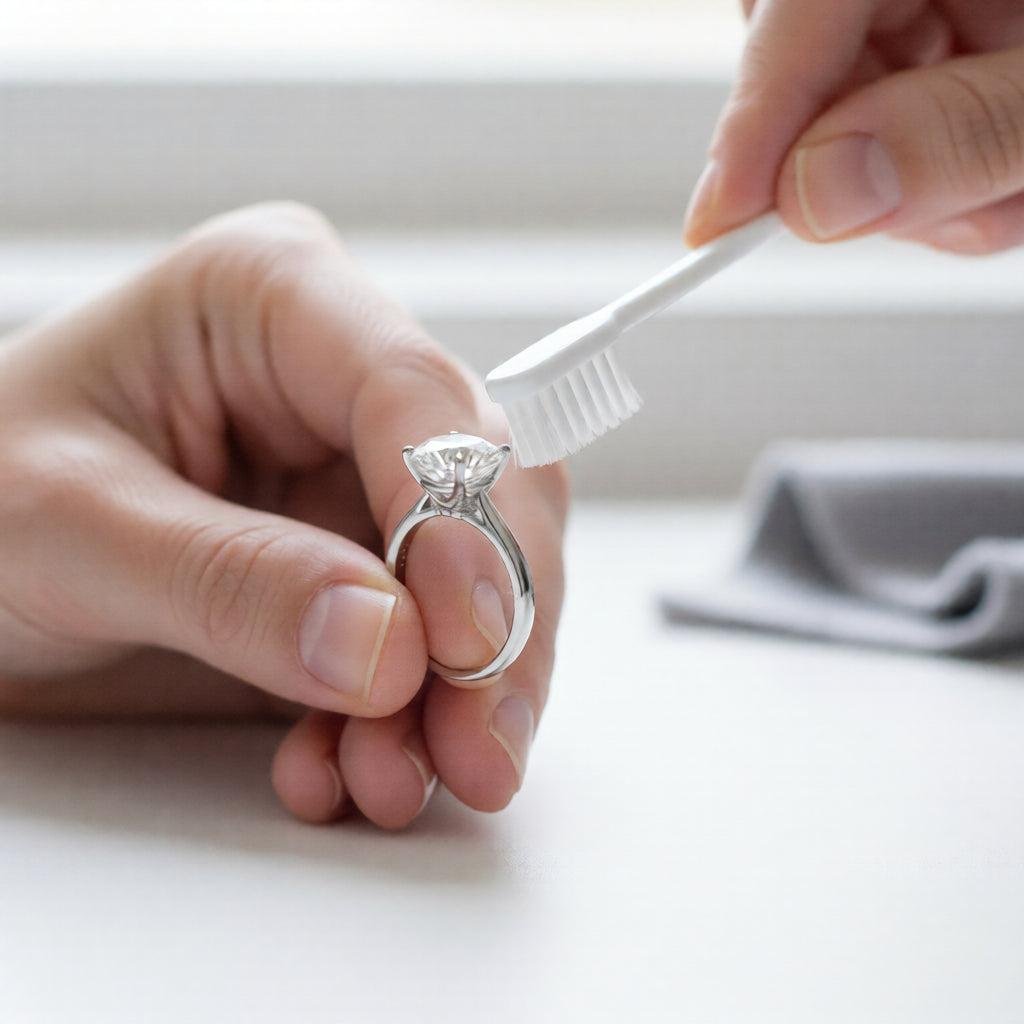
Daily products such as moisturiser, sunscreen and soap can accumulate beneath a diamond and reduce its brilliance. The ring may appear dull even when the stone itself is undamaged.
For long-term care:
- Remove the ring before exercise, swimming and household cleaning.
- Avoid contact with chlorine and aggressive chemicals.
- Store it separately from other jewellery.
- Clean it gently with mild soap, warm water and a soft brush when appropriate.
- Arrange periodic professional cleaning and prong inspection.
- Stop wearing the ring immediately if the diamond moves or a prong catches.
- Maintain separate jewellery insurance for loss, theft or accidental damage.
Pavé and halo designs contain more small stones and setting points than a solitaire. They therefore deserve particularly careful inspection.
Is a Tiffany Engagement Ring Worth the Premium?
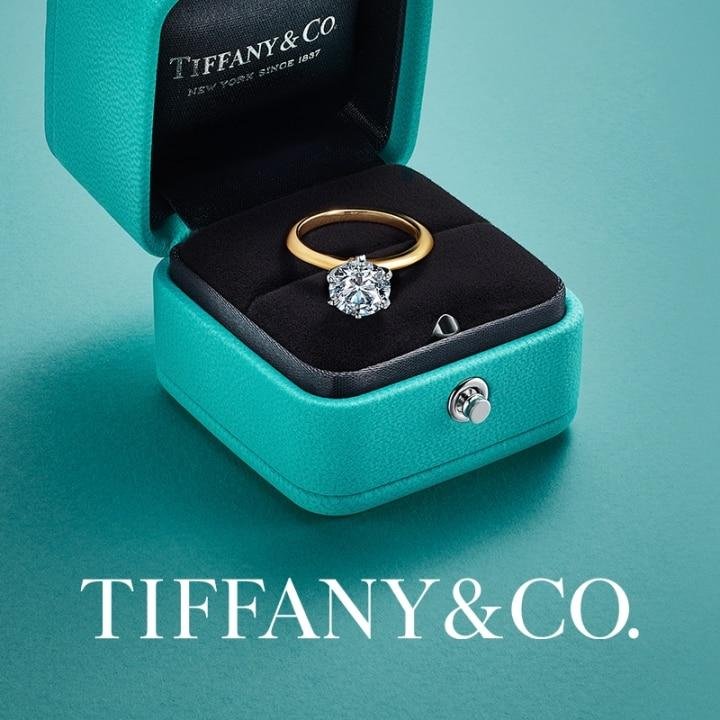
Tiffany’s current U.S. engagement-ring collection displays starting prices from approximately $1,380 for selected princess-cut designs and $1,640 for a platinum Tiffany Setting. These entry prices use very small centre diamonds. Prices increase sharply with carat weight, colour, clarity, setting complexity and rarity. Tiffany engagement rings
A starting price is therefore not a realistic comparison tool. Two visually similar rings may differ by tens of thousands of dollars because of their diamond specifications.
Tiffany’s premium pays for:
- A globally recognised name
- Proprietary and historically important designs
- Selective diamond standards
- Documented provenance
- Boutique consultation
- The Tiffany Diamond Certificate
- Resizing and continuing service
- The presentation and emotional value of the Blue Box
It does not necessarily purchase the largest or highest-paper-grade diamond available for a given budget. Independent jewellers and diamond specialists can often offer greater carat weight or specification flexibility for the same expenditure.
Resale should not be the primary justification. Brand recognition may make a Tiffany ring easier to identify in the secondary market, but buyers should not expect to recover its full retail premium.
LxryNow Review Scorecard

| Category | Score | Assessment |
|---|---|---|
| Design | 9.5/10 | The Tiffany Setting remains exceptionally balanced and influential |
| Diamond Quality | 9/10 | Selective standards with strong emphasis on cut |
| Craftsmanship | 9/10 | Refined settings and carefully finished precious metals |
| Choice | 8.5/10 | Strong range of settings, shapes and metals |
| Comfort | 8/10 | Generally wearable, though taller settings can catch |
| Service | 9.5/10 | Certificate warranty, resizing and upgrade options add reassurance |
| Traceability | 9/10 | Detailed provenance for eligible registered diamonds |
| Value For Money | 7/10 | Significant premium over less recognised jewellers |
| Overall | 8.7/10 | An excellent luxury experience whose emotional value is central |
Which Tiffany Engagement Ring Should You Choose?
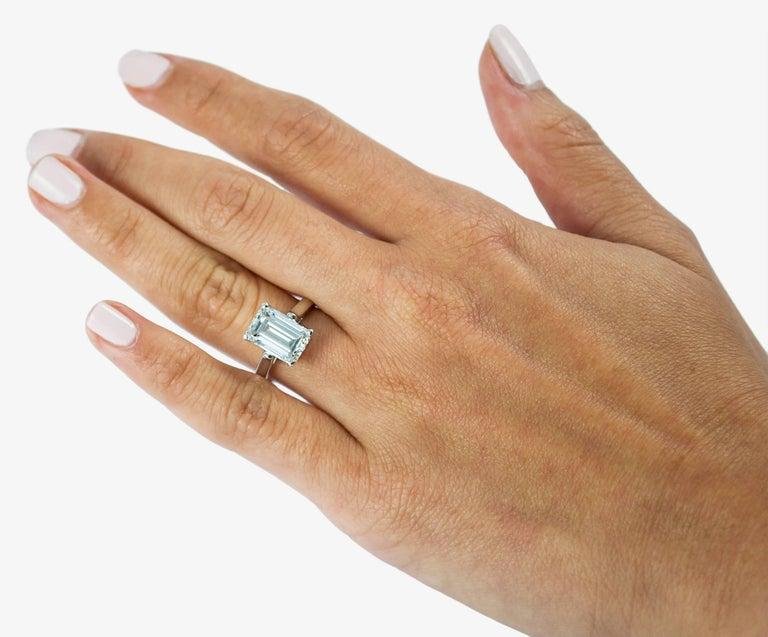
| Collection | Best For | LxryNow Recommendation |
|---|---|---|
| Tiffany Setting | Classic, recognisable elegance | Best overall |
| Tiffany True | Modern and architectural style | Best contemporary option |
| Tiffany Harmony | A coordinated bridal stack | Best with a wedding band |
| Tiffany Soleste | Greater visual size and sparkle | Best halo design |
| Tiffany Forever | Exploring oval, cushion and other shapes | Best variety |
| Tiffany Three Stone | Symbolism and substantial presence | Best statement classic |
| Jean Schlumberger | Artistic and decorative jewellery | Best collector-led option |
Shop the Edit
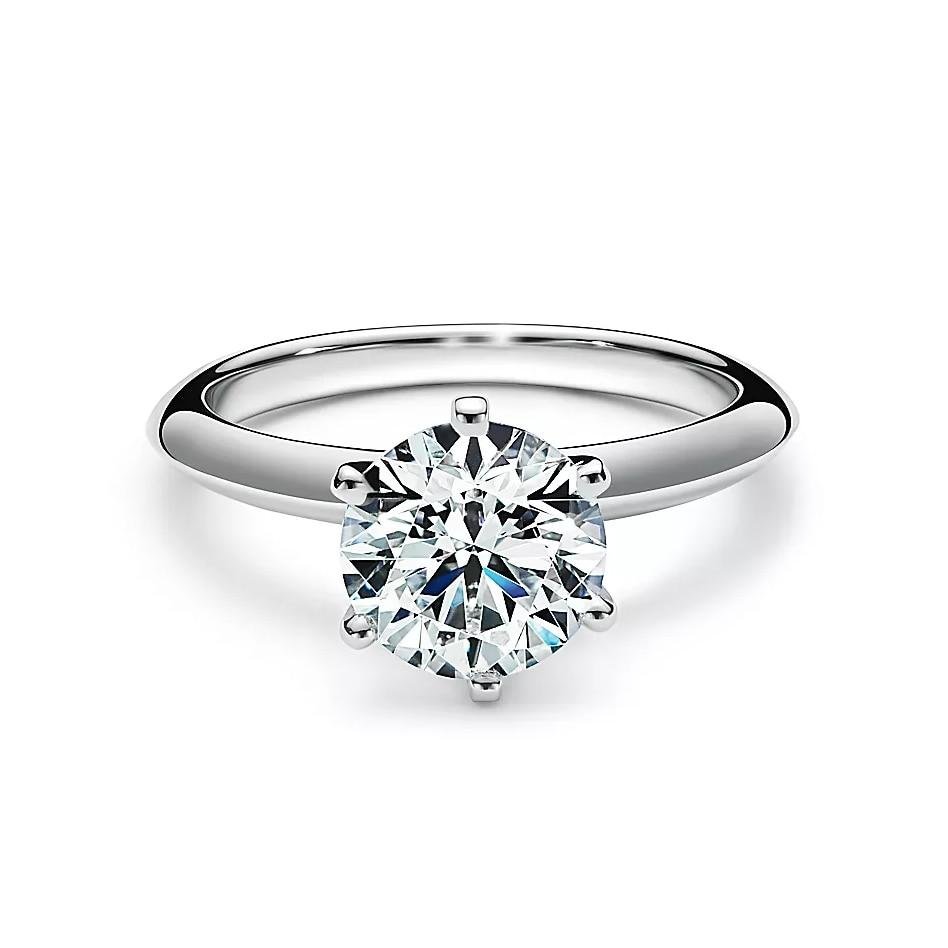
The Tiffany Setting in Platinum
The definitive Tiffany engagement ring with an enduring six-prong design.
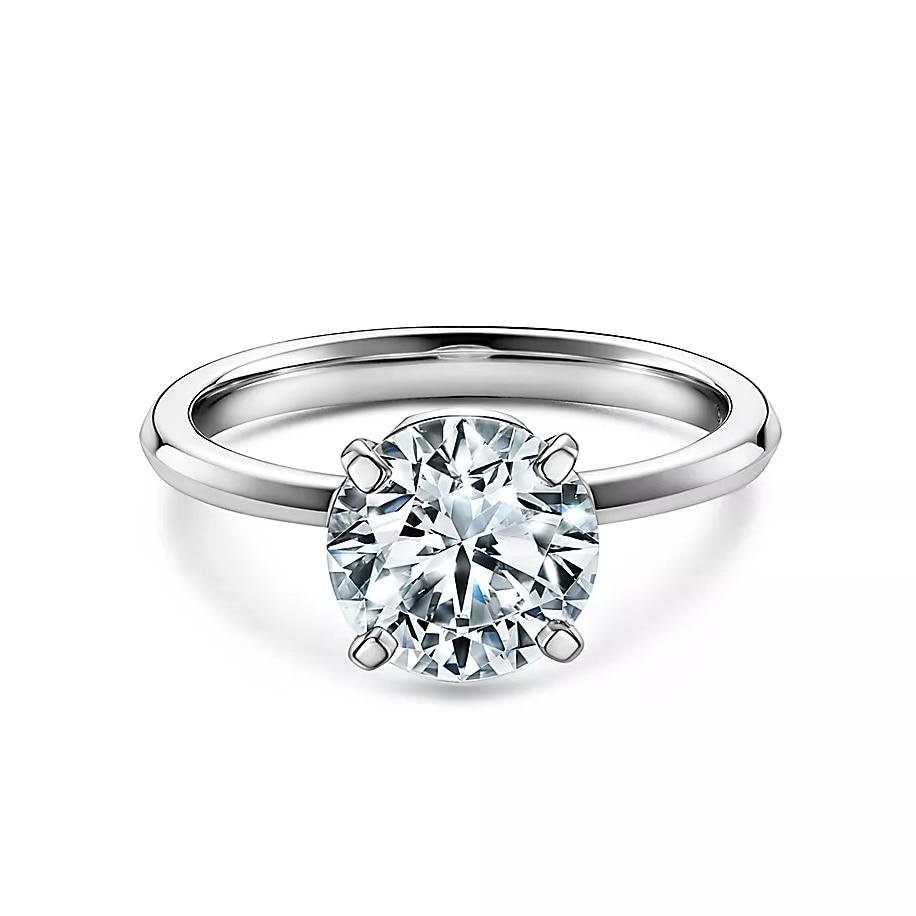
Tiffany True with a Round Brilliant Diamond
A cleaner, architectural alternative to the traditional solitaire.
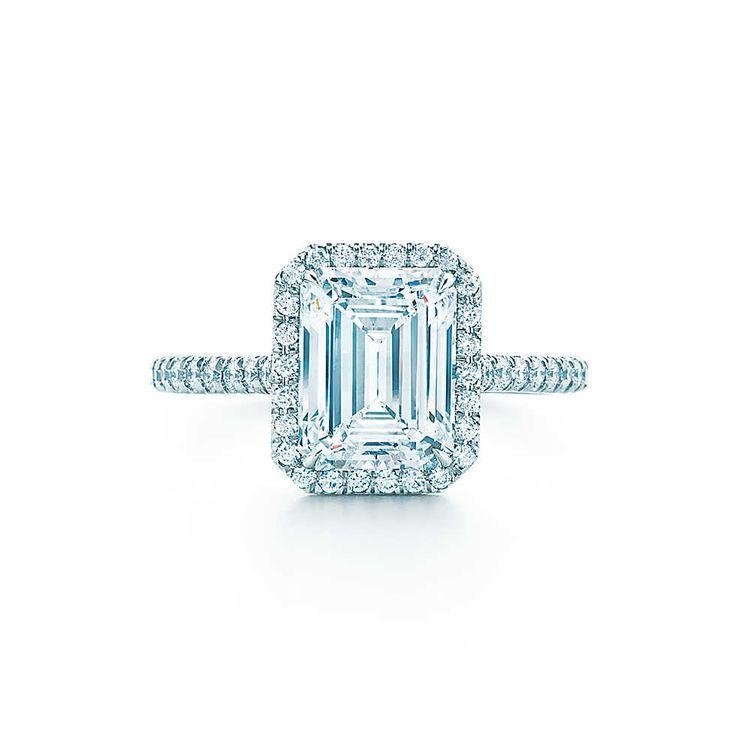
Tiffany Soleste Emerald-Cut Halo Ring
Combines the clarity of an emerald cut with the presence of a diamond halo.
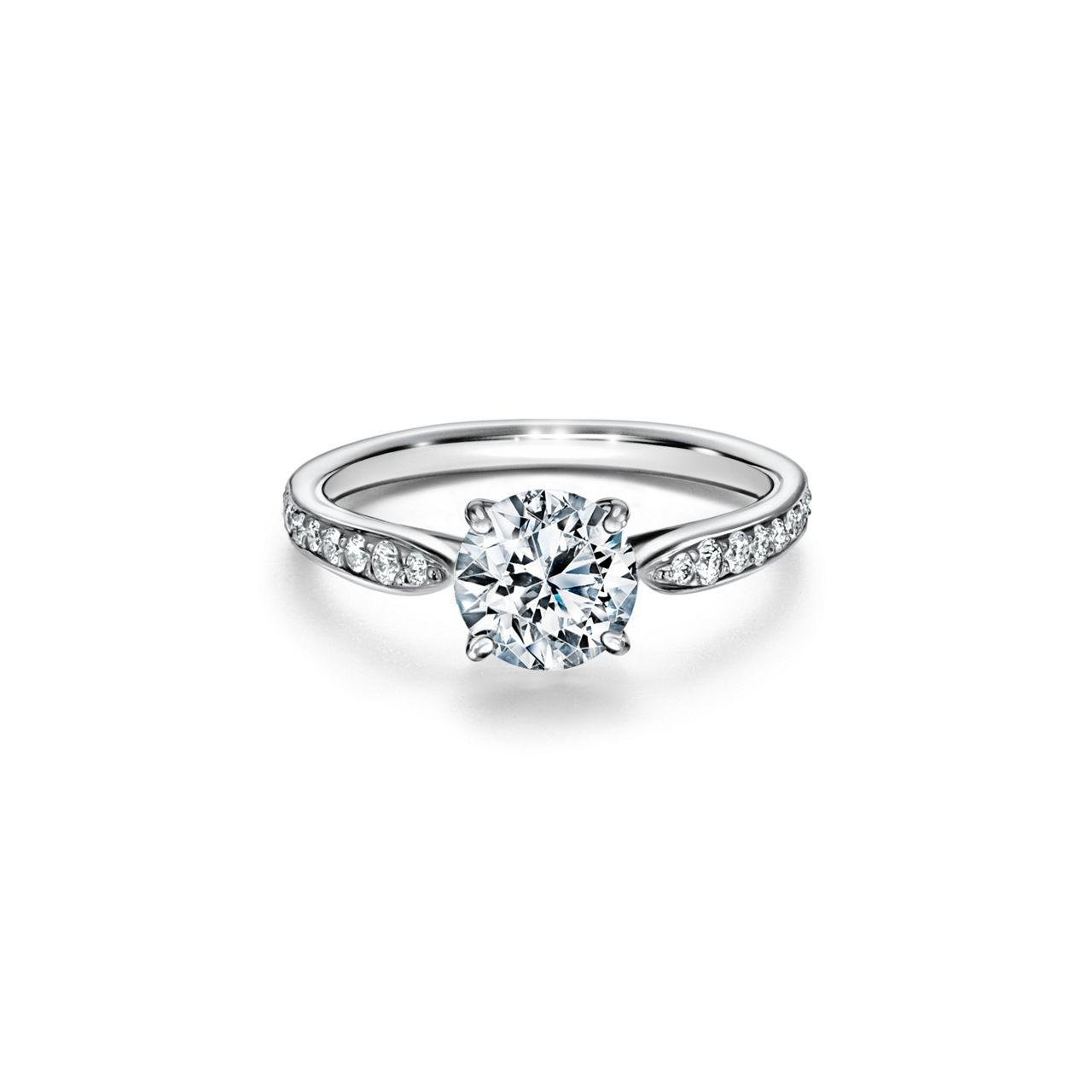
Tiffany Harmony with a Diamond Band
A tapered silhouette designed to sit elegantly within a bridal stack.
Pros and Cons
| Pros | Cons |
|---|---|
| Historically significant engagement-ring designs | Considerable brand premium |
| Strong emphasis on diamond cut | Lower carat weight for the same budget than many alternatives |
| Recognisable Tiffany Blue Box presentation | Starting prices can create unrealistic expectations |
| Detailed certificate and provenance information | High settings may catch on clothing |
| Complimentary engagement-ring resizing | Pavé and halo styles require additional maintenance |
| Lifetime warranty covering certificate accuracy | Warranty does not replace jewellery insurance |
| Upgrade programme for eligible rings | Upgrade requires a new ring costing at least twice as much |
| Strong boutique and aftercare experience | Resale may not recover the retail premium |
Final Verdict
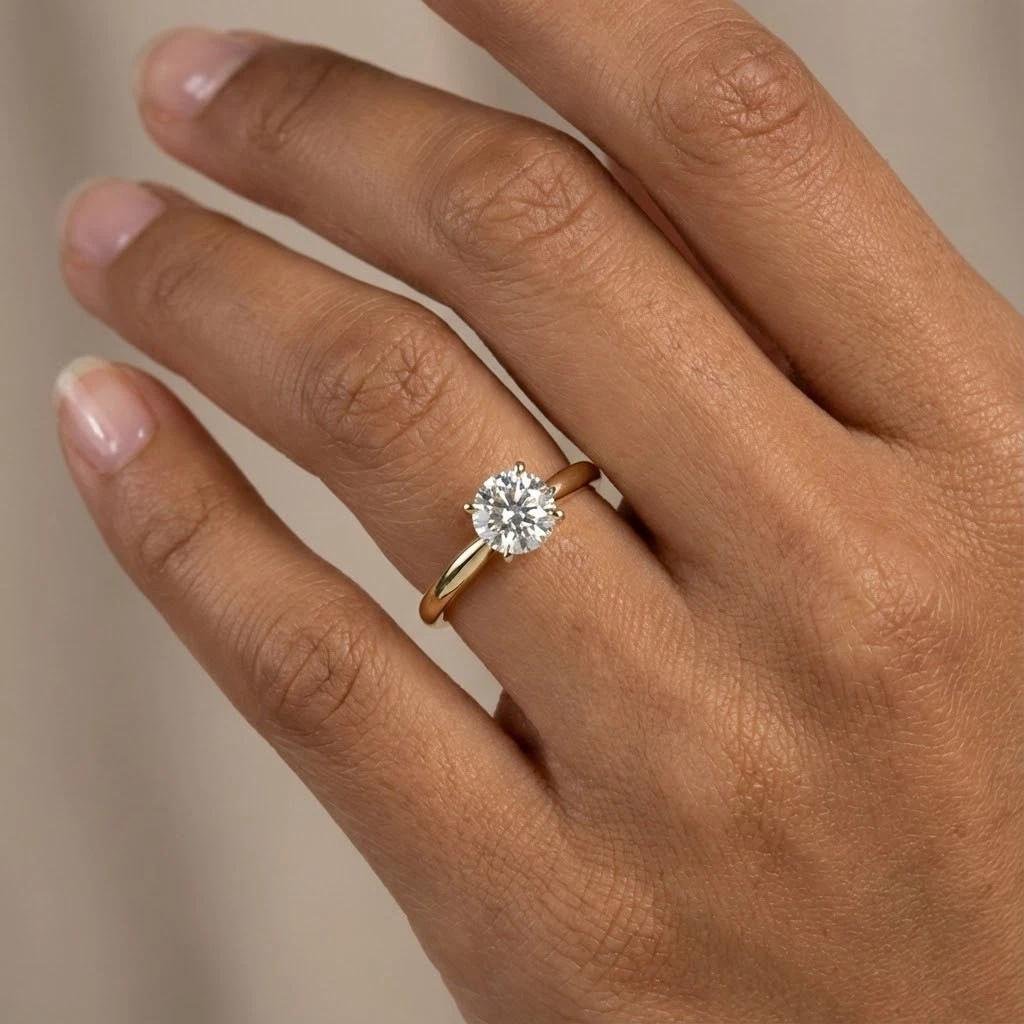
Tiffany & Co. engagement rings deliver what many buyers expect from a leading luxury jeweller: refined design, carefully selected diamonds, knowledgeable service and a presentation with immediate emotional weight.
The Tiffany Setting remains the standout. Its six-prong construction is elegant without decoration, historically important without feeling old-fashioned and recognisable without displaying a visible logo. It is the version most likely to justify choosing Tiffany instead of another jeweller.
The wider collection offers credible alternatives. Tiffany True suits modern tastes, Harmony creates the most cohesive bridal stack and Soleste gives smaller centre stones greater visual presence. Across each design, cut should take priority over chasing carat weight or microscopic clarity differences.
The weakness is value in purely measurable terms. A large part of the purchase price belongs to heritage, service and the Tiffany name. Shoppers focused on obtaining the largest excellent-quality diamond within a strict budget will generally find more flexibility through independent specialists.
But an engagement ring is not purchased by spreadsheet alone. If the Blue Box, Tiffany Setting and boutique experience hold personal meaning, that emotional value is legitimate—and difficult for another jeweller to reproduce.
LxryNow Verdict: A beautifully designed and reassuring engagement-ring experience, best suited to buyers who value heritage and service as highly as diamond specifications.
Overall Score: 8.7/10
