
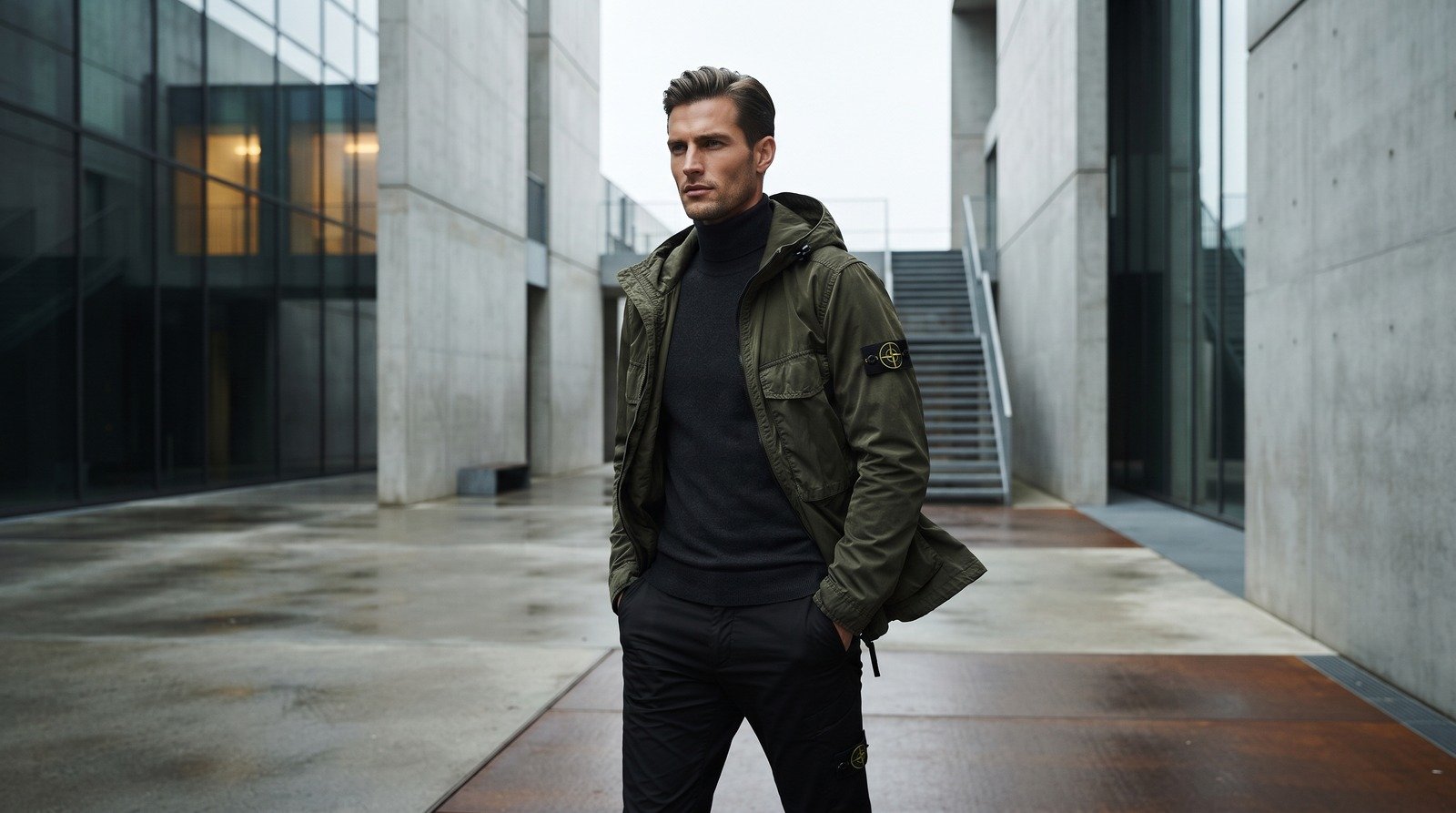
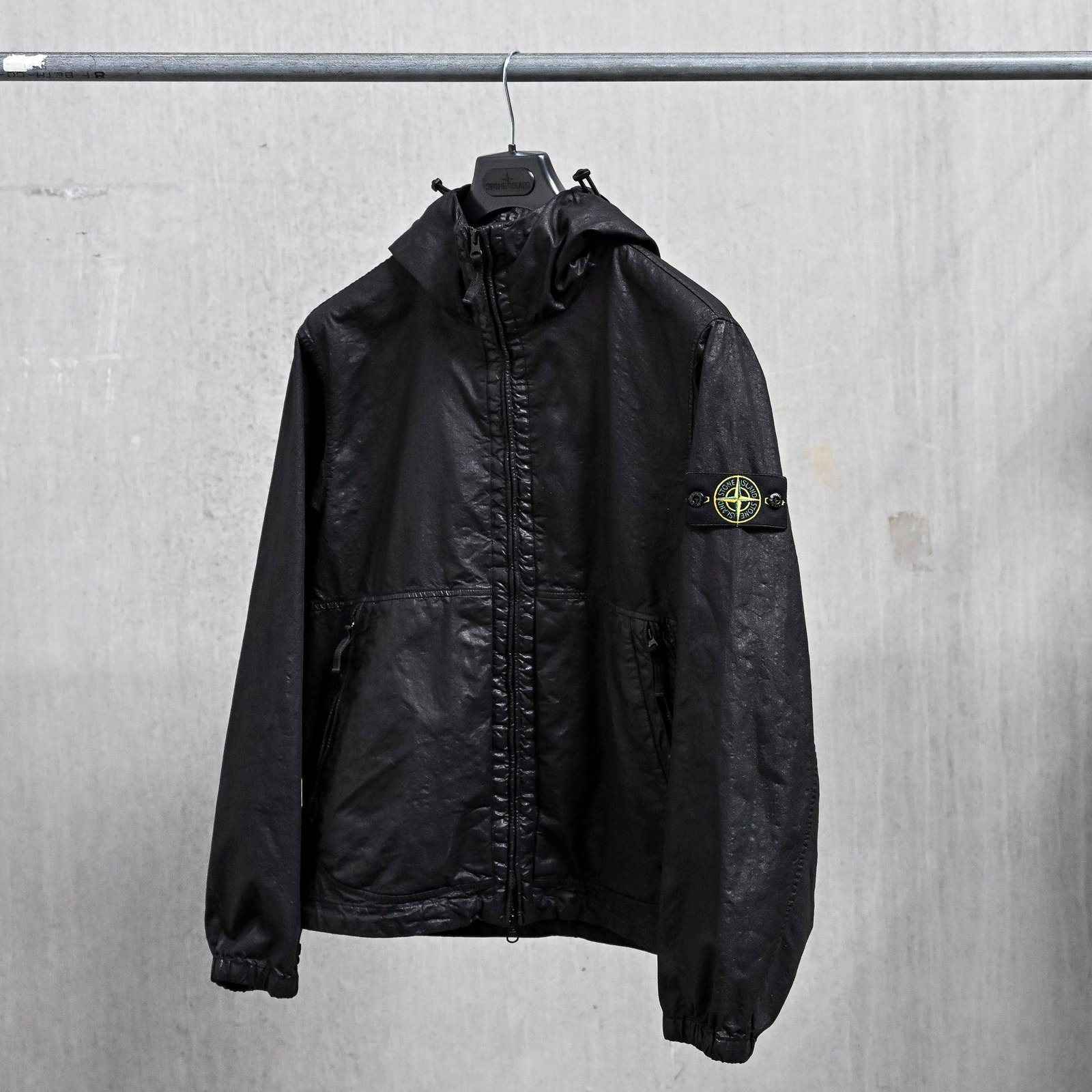
The Stone Island jacket is often recognised by its detachable compass badge. Yet focusing exclusively on that patch overlooks what makes the brand genuinely distinctive: material experimentation.
Since 1982, Stone Island has treated outerwear as an ongoing research project. Jackets have been constructed using resin-coated canvas, metallic-looking nylon, reflective textiles, heat-sensitive surfaces and fabrics dyed only after the garment has been assembled.
This technical approach gives Stone Island greater substance than many logo-driven streetwear labels. It also creates a complicated buying decision. Performance varies considerably between collections, sizing can feel narrow and prices regularly enter luxury territory without necessarily delivering expedition-level weather protection.
Is a Stone Island jacket worth buying—and which material makes the most sense?
TL;DR
| Category | LxryNow Take |
|---|---|
| Best For | Technical casualwear, urban layering and material-focused design |
| Best First Jacket | Soft Shell-R hooded jacket |
| Best Signature Material | Nylon Metal |
| Best For Winter | Insulated Crinkle Reps or Nylon Metal down jacket |
| Best For Rain | 3L Gore-Tex jacket |
| Typical New-Jacket Range | Approximately $800–$2,000+, depending on material |
| Standout Feature | Fabric research and garment-dyeing expertise |
| Main Drawback | Luxury pricing does not always equal specialist outdoor performance |
| Overall Verdict | Most convincing when purchased for its fabric, not just its badge |
The Soft Shell-R is the most practical entry point because it works across mild weather, casual offices and weekend wardrobes. Collectors may prefer Nylon Metal or David-TC, while buyers needing serious rain protection should prioritise a properly specified Gore-Tex design.
How Stone Island Built Its Reputation
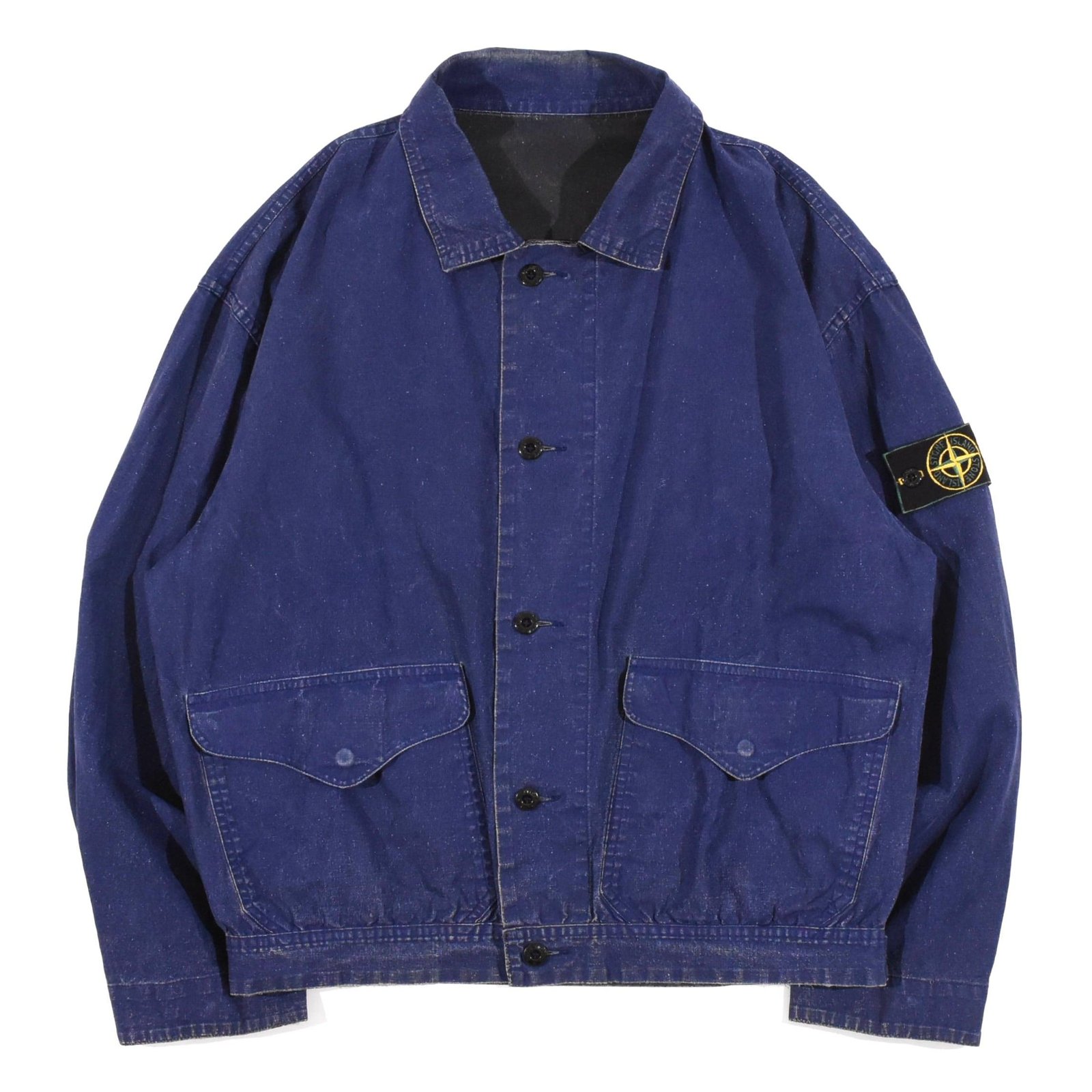
Stone Island was founded by Massimo Osti in Ravarino, Italy, in 1982. Its first collection developed from Tela Stella, a heavy cotton canvas coated with resin on both sides and inspired by military truck tarpaulins.
The rigid material did not suit Osti’s existing C.P. Company collection, so it became the foundation of a separate label. Garment dyeing softened the fabric and created colour variations that made every piece appear slightly different.
This principle became central to Stone Island: develop or adapt an unusual textile, construct the garment and then use dyeing, washing or coating processes to determine its final character.
The compass badge reinforced the connection with uniforms, exploration and functional clothing. Stone Island later became associated with Milan’s Paninaro movement, British football culture, Britpop and grime before expanding into a broader international luxury audience.
The brand is now owned by Moncler, but its reputation still rests on fabric research rather than seasonal runway spectacle.
What Makes A Stone Island Jacket Different?
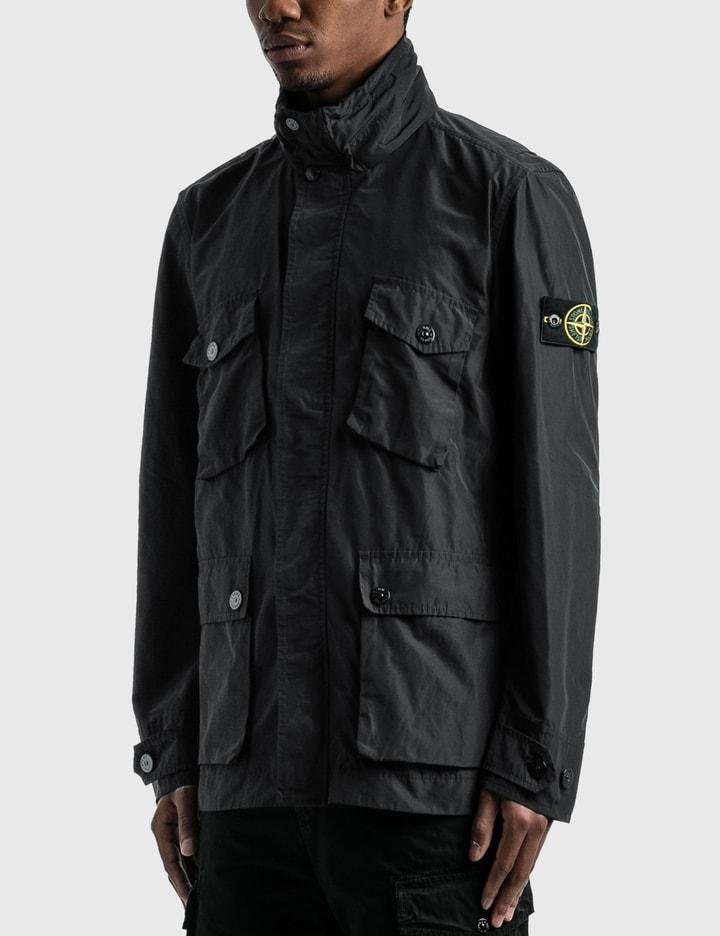
Most Stone Island jackets use relatively restrained military or workwear silhouettes. Field jackets, bombers, overshirts, parkas and hooded shells recur frequently, allowing the material to become the main design feature.
Garment Dyeing
Instead of relying exclusively on pre-dyed rolls of fabric, Stone Island frequently dyes a completed garment. Different fibres, stitching and trims absorb colour at different rates, creating tonal variation and greater visual depth.
This process is particularly effective on mixed-fibre jackets. A garment may appear monochromatic from a distance but reveal subtly contrasting panels and seams under brighter light.
Material Development
The brand works with nylon, cotton, polyester membranes, reflective coatings, recycled fibres, down insulation and bonded multilayer construction. Some materials are developed for visual effect; others provide wind resistance, insulation or water repellency.
Not every innovation produces superior performance. Certain finishes are valued for their appearance and experimentation rather than their ability to compete with technical mountaineering equipment.
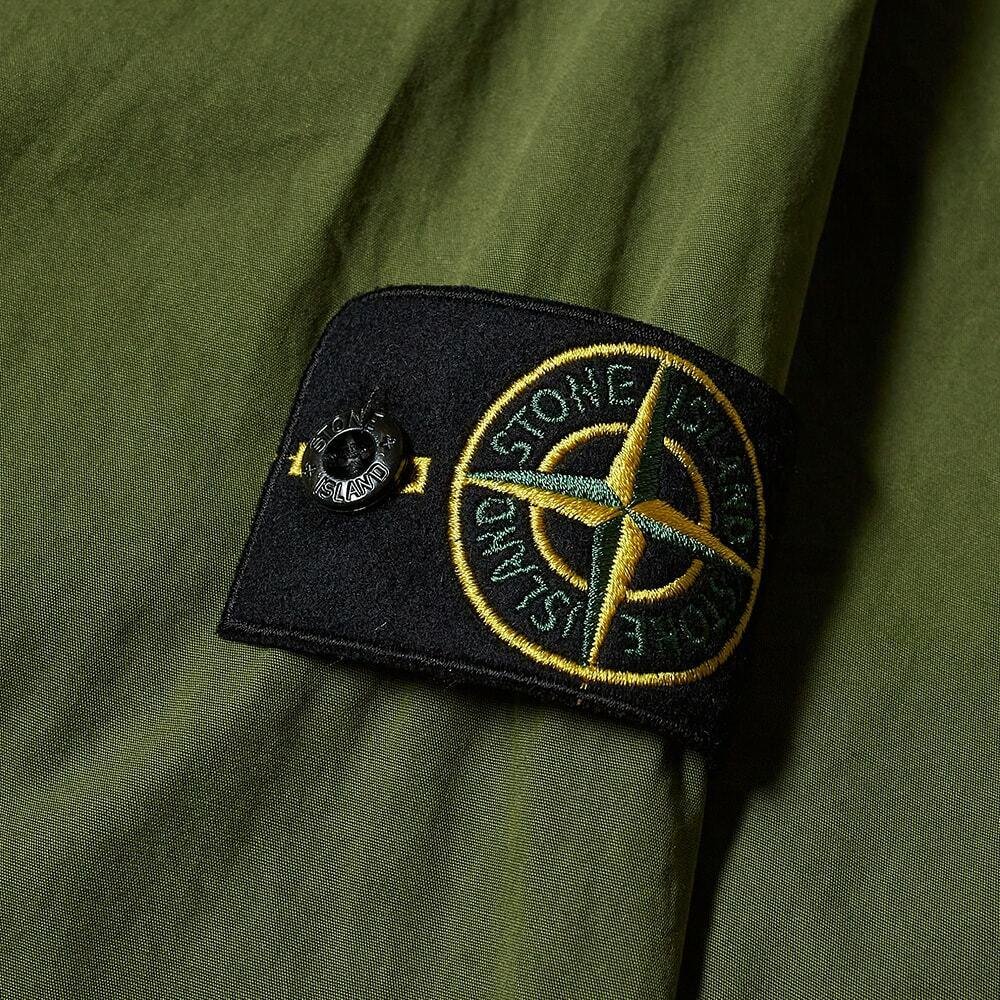
The Compass Badge
The buttoned badge can usually be removed before washing or whenever a less recognisable appearance is preferred. This is more flexible than permanent embroidered branding, although losing the badge can affect both appearance and resale desirability.
Stone Island Jacket Materials Explained
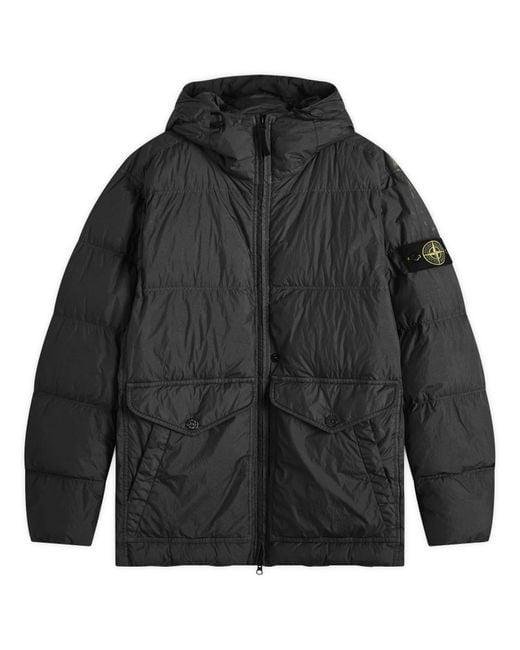
| Material | Character | Best Use | Main Consideration |
|---|---|---|---|
| Soft Shell-R | Smooth, flexible and lightly weather-resistant | Everyday transitional wear | Not a substitute for a waterproof shell |
| Nylon Metal | Iridescent, crisp and lightweight | Signature Stone Island styling | Surface can crease and develop wear |
| Crinkle Reps | Textured nylon with a deliberately wrinkled finish | Insulated winter jackets | Casual appearance limits formal use |
| David-TC | Dense polyester fabric transformed through heat and dyeing | Premium coats and parkas | Expensive and sometimes relatively heavy |
| 3L Gore-Tex | Technical waterproof construction | Persistent rain and demanding weather | Less distinctive than experimental fabrics |
| Ghost | Monochromatic fabric, trims and badge | Understated wardrobes | Reduced visual contrast may feel less iconic |
Soft Shell-R
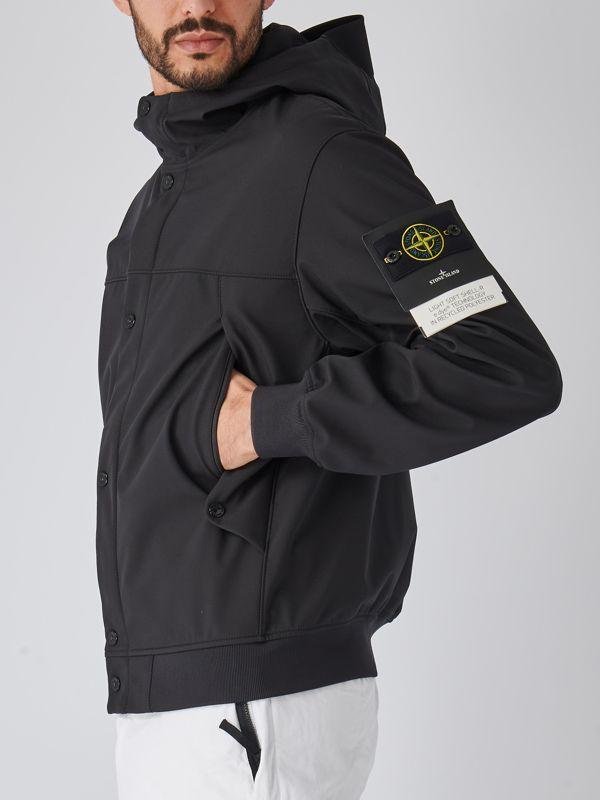
Soft Shell-R is the safest starting point. It typically combines a flexible outer face with a bonded inner layer, providing useful wind resistance and protection from brief showers.
It is comfortable, relatively easy to layer and more versatile than highly reflective or colour-changing designs. However, water resistance should not be confused with complete waterproofing. Seams and zips may allow water through during extended rain.
Nylon Metal
Nylon Metal is one of the clearest expressions of Stone Island’s identity. Its trilobal fibres reflect light in a way that produces a metallic, iridescent appearance without making the jacket feel like conventional metallic fabric.
Modern versions increasingly use regenerated ECONYL nylon. The material is lightweight and visually distinctive, although its crisp texture can be noisy and may develop permanent-looking creases.
Crinkle Reps
Crinkle Reps uses tightly woven nylon with a deliberately irregular, wrinkled surface. Resin treatments and garment dyeing intensify the texture.
It is frequently combined with down or synthetic insulation, making it one of the brand’s most practical winter options. The creasing is intentional, so owners do not need to preserve a perfectly smooth finish.
David-TC
David-TC sits near the premium end of the collection. The polyester fabric is sewn before undergoing high-temperature dyeing, transforming its structure and creating a dense, tactile surface.
It feels more substantial and refined than lightweight nylon, but the price can be difficult to justify unless the buyer appreciates the manufacturing process.
Fit And Sizing
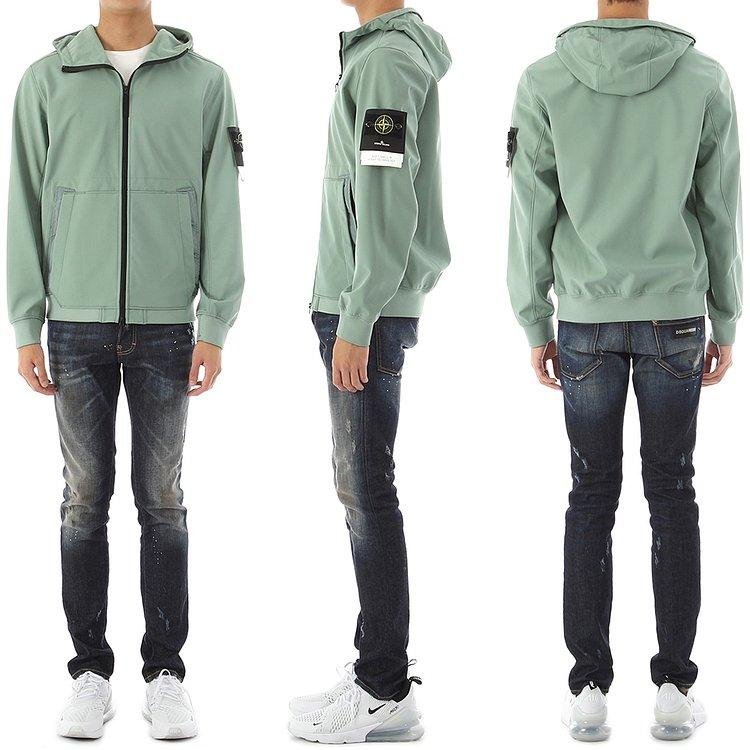
Stone Island sizing is generally European and often feels slimmer than mainstream American outerwear. The shoulders may fit correctly while the chest, waist or armholes feel comparatively narrow.
| Desired Fit | LxryNow Recommendation |
|---|---|
| Close fit over a T-shirt | Choose your usual size |
| Regular fit over knitwear | Consider one size up |
| Relaxed streetwear silhouette | Size up, subject to the individual model |
| Heavy winter layering | Check garment measurements rather than relying on label size |
| Between two sizes | Usually choose the larger size |
A size large is not identical across every material. A padded Crinkle Reps jacket, fitted Soft Shell-R and loose overshirt may each create different proportions despite sharing the same label.
Pay particular attention to:
- Chest width when the jacket is fully zipped.
- Shoulder movement when reaching forward.
- Sleeve length, which can run slightly long.
- Space beneath the armholes for knitwear.
- Hem placement when wearing high- or low-rise trousers.
Whenever possible, compare the product’s garment measurements with a well-fitting jacket already in your wardrobe.
Weather Protection And Comfort
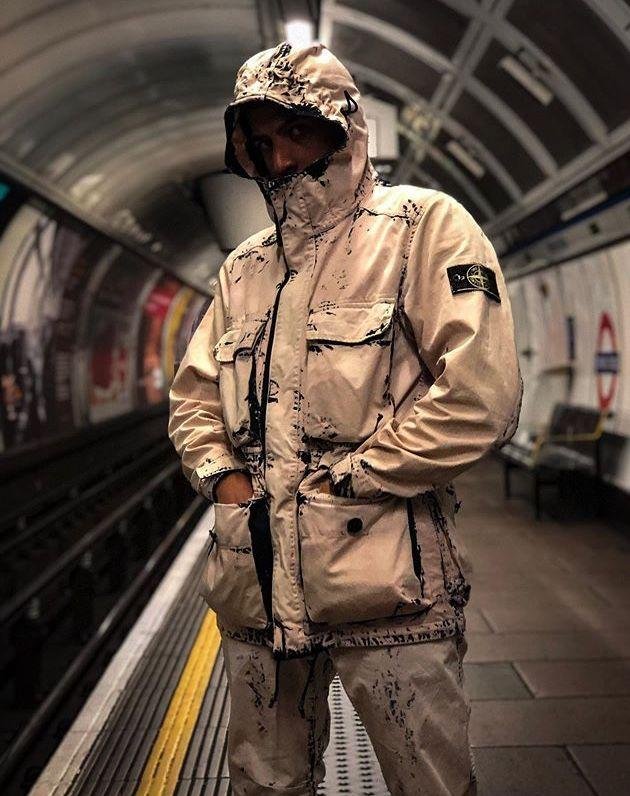
The word “technical” covers a wide range of performance levels within Stone Island’s collection.
Soft Shell-R works well in wind, cool temperatures and light rain. It is ideal for urban use but should not be selected for prolonged exposure to severe weather.
Nylon Metal provides useful wind resistance, although uninsulated versions offer limited warmth. The material works best as a light shell over knitwear or fleece.
Insulated Crinkle Reps and Nylon Metal jackets provide genuine winter warmth, but performance depends on the filling, jacket length, hood design and cuff construction.
For consistent heavy rain, 3L Gore-Tex is the clearest choice. Stone Island currently maintains dedicated Gore-Tex outerwear alongside Soft Shell-R, parkas, bombers and experimental material families. Stone Island Outerwear, Stone Island Gore-Tex
The most comfortable designs balance protection with manageable weight. Highly coated archive-inspired pieces can feel stiff, while down jackets may become warm during indoor use or public transport.
How To Style A Stone Island Jacket
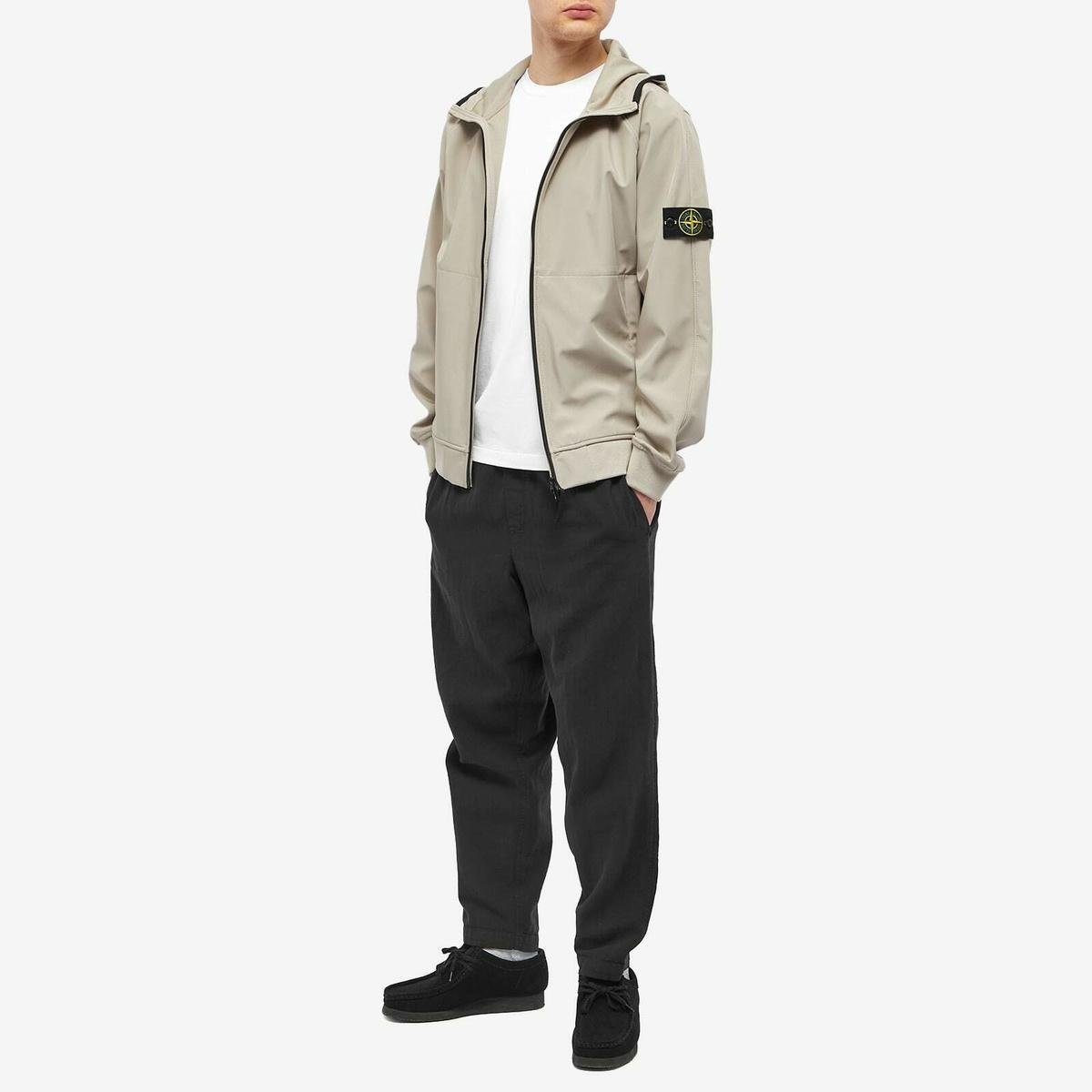
| Occasion | Styling Recommendation |
|---|---|
| Everyday | Straight jeans, fine-gauge knitwear and leather sneakers |
| Smart Casual | Black Soft Shell-R, wool trousers and suede shoes |
| Weekend | Cargo trousers, sweatshirt and technical trainers |
| Travel | Nylon Metal jacket, merino layer and relaxed trousers |
| Winter | Crinkle Reps down jacket, dark denim and weather-resistant boots |
The compass badge already creates a recognisable focal point, so the rest of the outfit does not need additional prominent branding.
Black is the most versatile colour and makes technical fabrics appear more refined. Navy and olive reinforce the label’s military character, while bright garment-dyed colours highlight its experimental side.
For a polished wardrobe, select a simple stand-collar or hooded jacket in black, navy or charcoal. Cargo trousers can complement the functional design language, but combining too many military elements risks making the outfit look overly themed.
Durability And Care
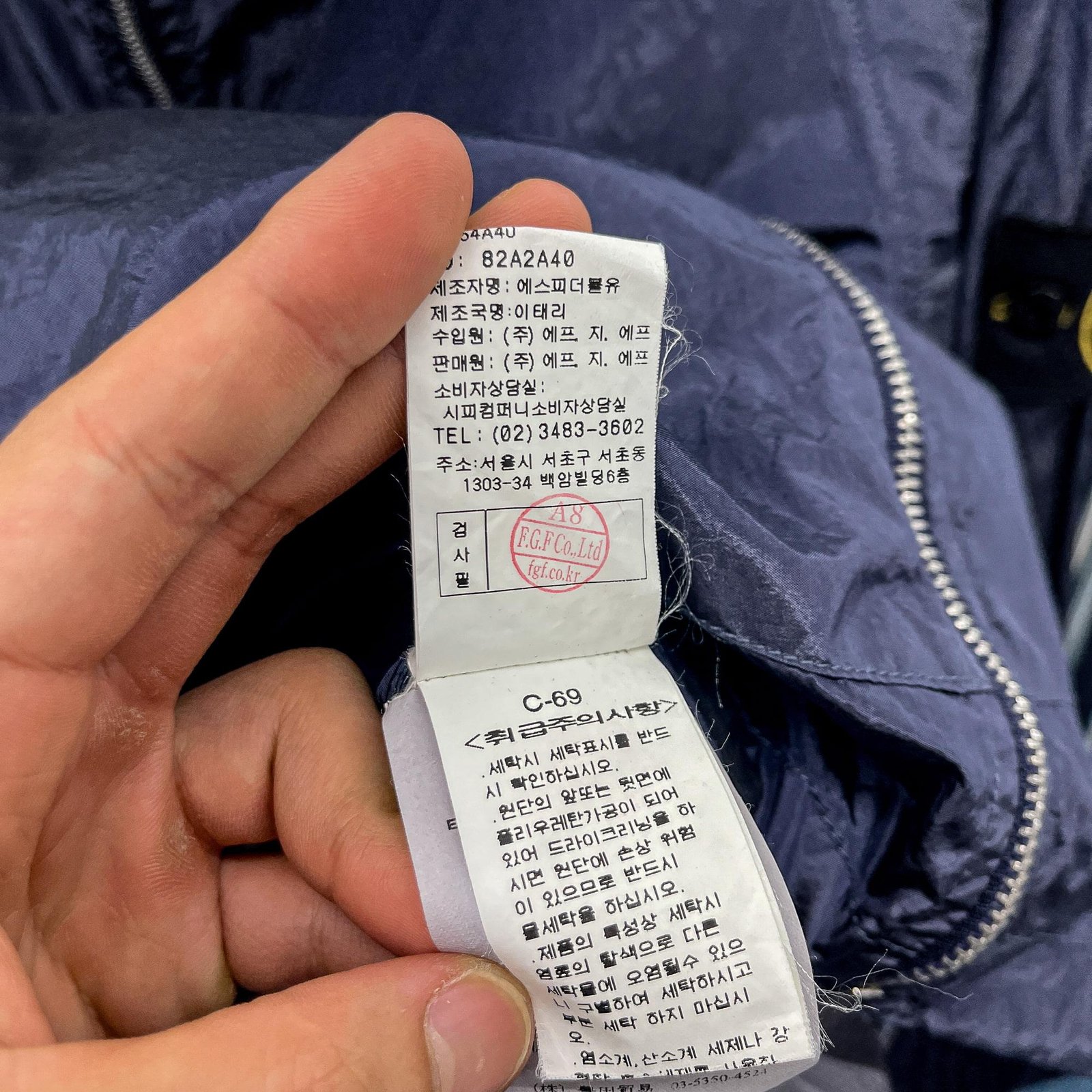
Durability varies by material. Basic woven jackets can withstand frequent use, while reflective coatings, resin treatments and heat-sensitive finishes require considerably more care.
Before cleaning:
- Remove the compass badge when instructed.
- Close zips, snaps and hook-and-loop fastenings.
- Follow the specific care label rather than a generic jacket routine.
- Avoid fabric softener unless explicitly permitted.
- Do not assume a coated fabric can be dry-cleaned.
- Air-dry garments away from direct heat.
- Store down jackets without compressing them for long periods.
Garment-dyed colour may soften or change slightly with wear. This can complement the design, but excessive sunlight, harsh detergent or incorrect temperatures may cause uneven fading.
Coated and reflective jackets should be treated as specialised pieces. Once a surface treatment begins separating or cracking, restoration may be difficult or impossible.
Is A Stone Island Jacket Worth The Price?
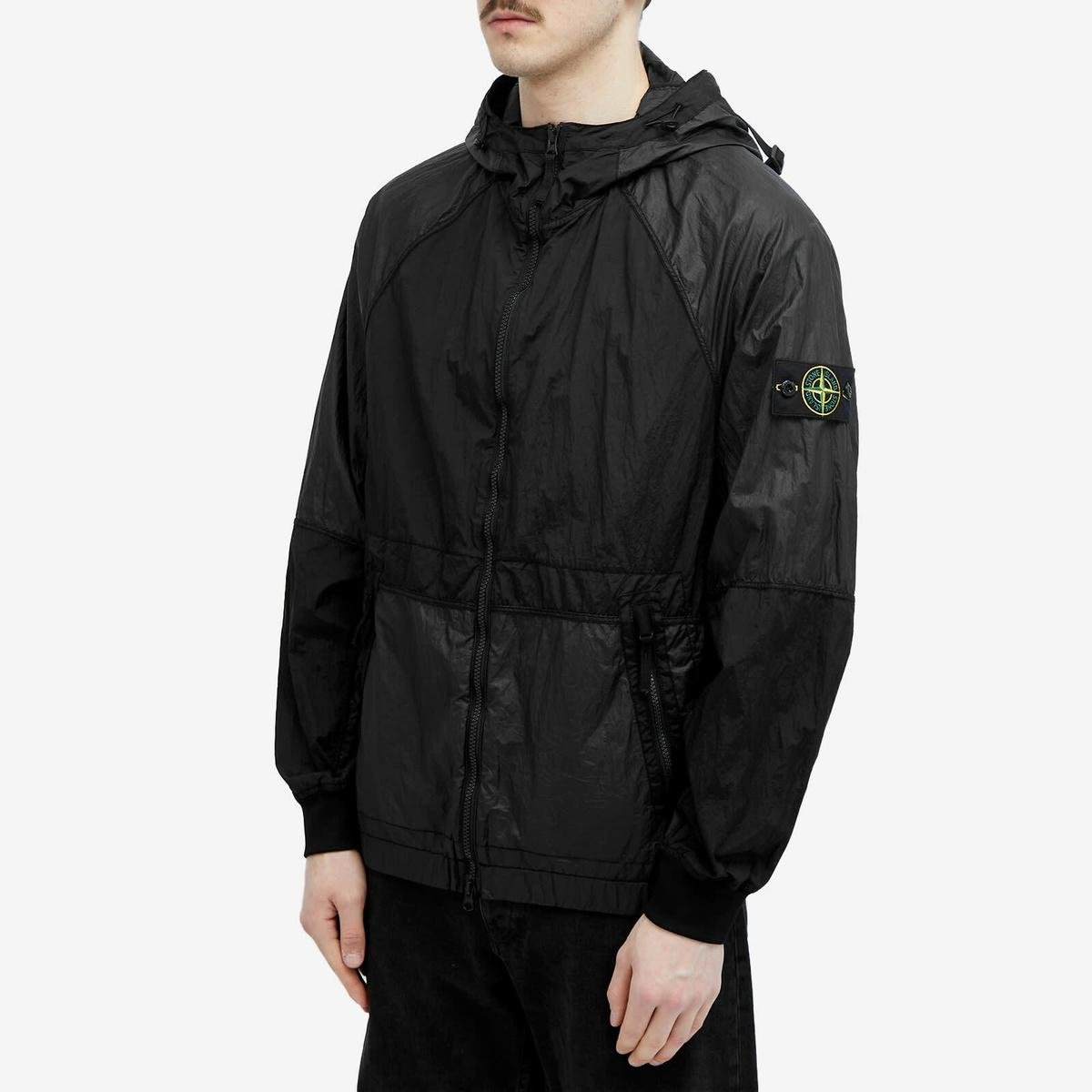
Stone Island jackets regularly occupy the upper end of premium casualwear, with lightweight models commonly approaching four figures and specialised outerwear exceeding that level. A Soft Shell-R jacket was recently listed at approximately $1,095 in a broader outerwear comparison.
The value depends heavily on the product.
A basic jacket purchased mainly for the compass badge can feel expensive compared with alternatives using similar conventional materials. The argument becomes stronger when the garment incorporates Nylon Metal, David-TC, specialised dyeing or another process that is difficult to reproduce.
Stone Island is also not automatically the best choice for outdoor performance. Brands specialising in climbing, skiing or hiking may offer better waterproofing, breathability and weight efficiency for less money.
Buy Stone Island when you want technical fabric experimentation in an urban wardrobe. Buy specialist outdoor equipment when performance specifications matter more than design history.
LxryNow Review Scorecard
| Category | Score | Assessment |
|---|---|---|
| Design | 8.5/10 | Restrained utility shapes allow unusual materials to stand out |
| Material Innovation | 9.5/10 | Among the strongest fabric-research identities in luxury fashion |
| Construction | 8.5/10 | Generally substantial, although complexity varies by model |
| Weather Protection | 8/10 | Strong when correctly specified, but not every jacket is waterproof |
| Comfort | 8/10 | Practical for everyday wear; some coatings feel stiff |
| Versatility | 8/10 | Neutral models integrate easily into casual wardrobes |
| Durability | 8.5/10 | Core fabrics wear well, while specialist finishes require care |
| Value For Money | 7/10 | Best justified by distinctive material development |
| Overall | 8.3/10 | Innovative outerwear whose value depends on choosing the right fabric |
Which Stone Island Jacket Should You Choose?
| Jacket | Best For | LxryNow Recommendation |
|---|---|---|
| Soft Shell-R | Everyday transitional weather | Best first Stone Island jacket |
| Nylon Metal | Signature visual character | Best expression of the brand |
| Crinkle Reps Down | Cold-weather city use | Best winter option |
| David-TC | Collectors and premium outerwear | Best material-focused investment |
| 3L Gore-Tex | Persistent rain | Best weather protection |
| Ghost Jacket | Discreet luxury styling | Best understated option |
Shop The Edit
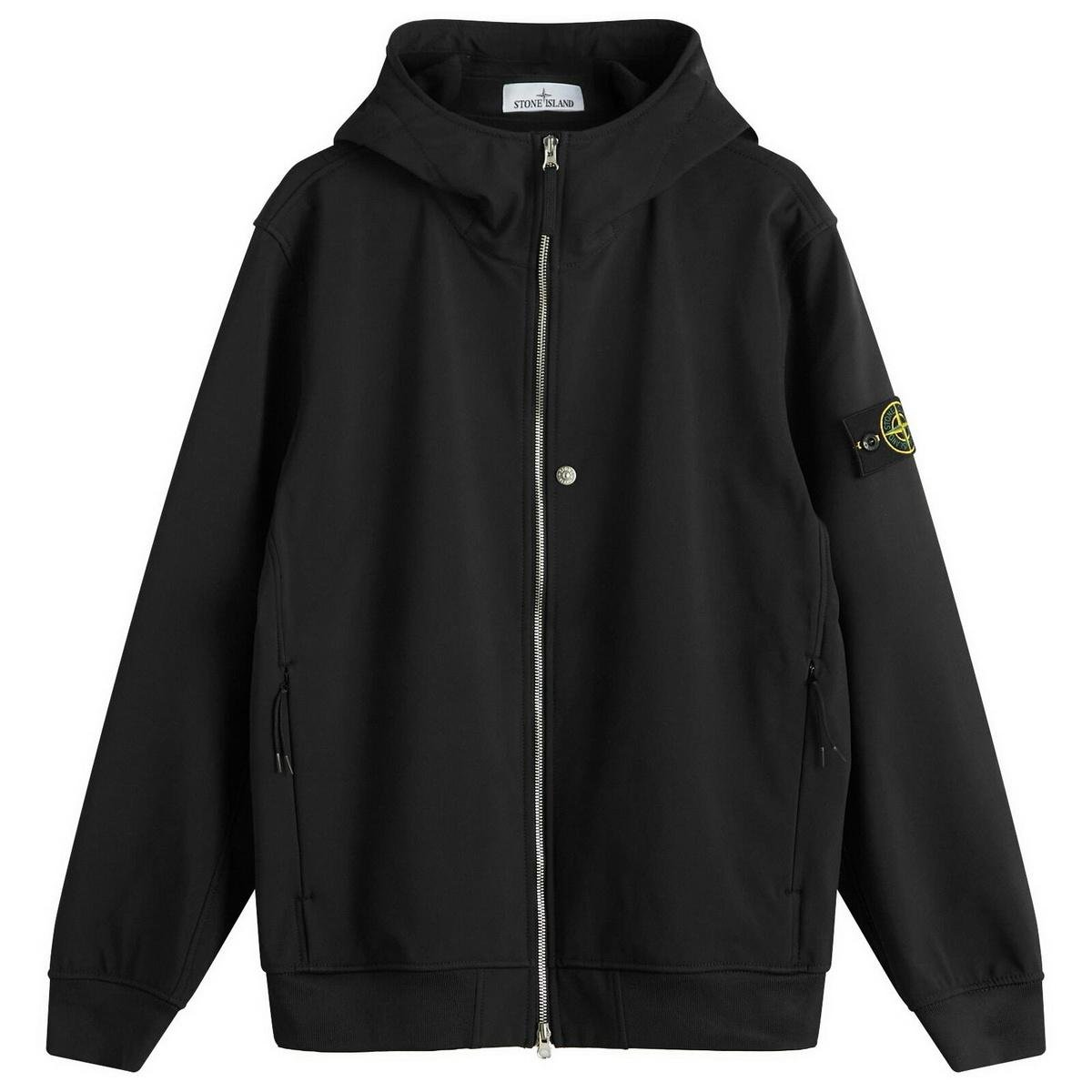
Soft Shell-R Jacket
The most versatile entry point for light rain, wind and everyday layering.
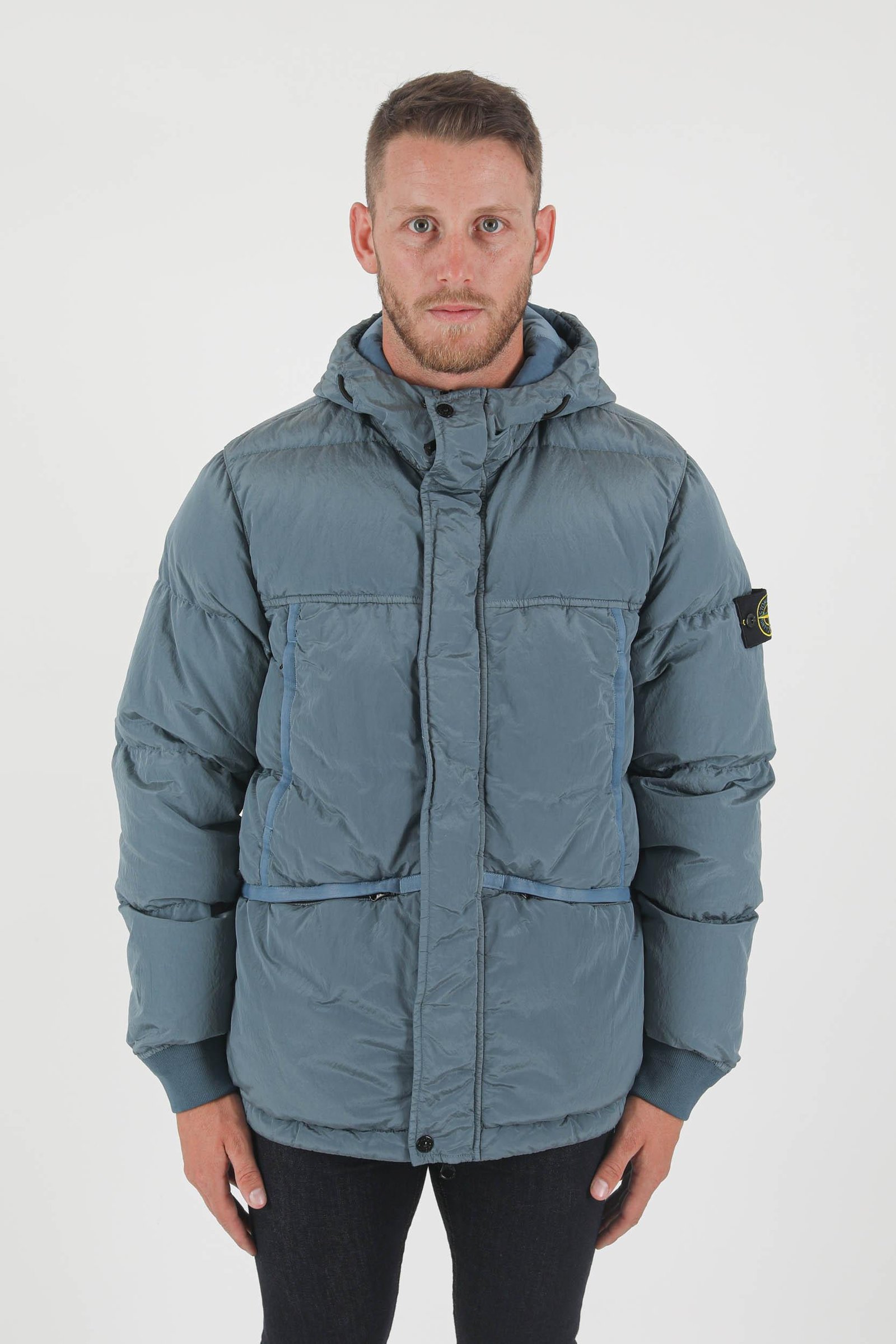
Nylon Metal In ECONYL Down Jacket
Combines a signature metallic appearance with practical cold-weather insulation.
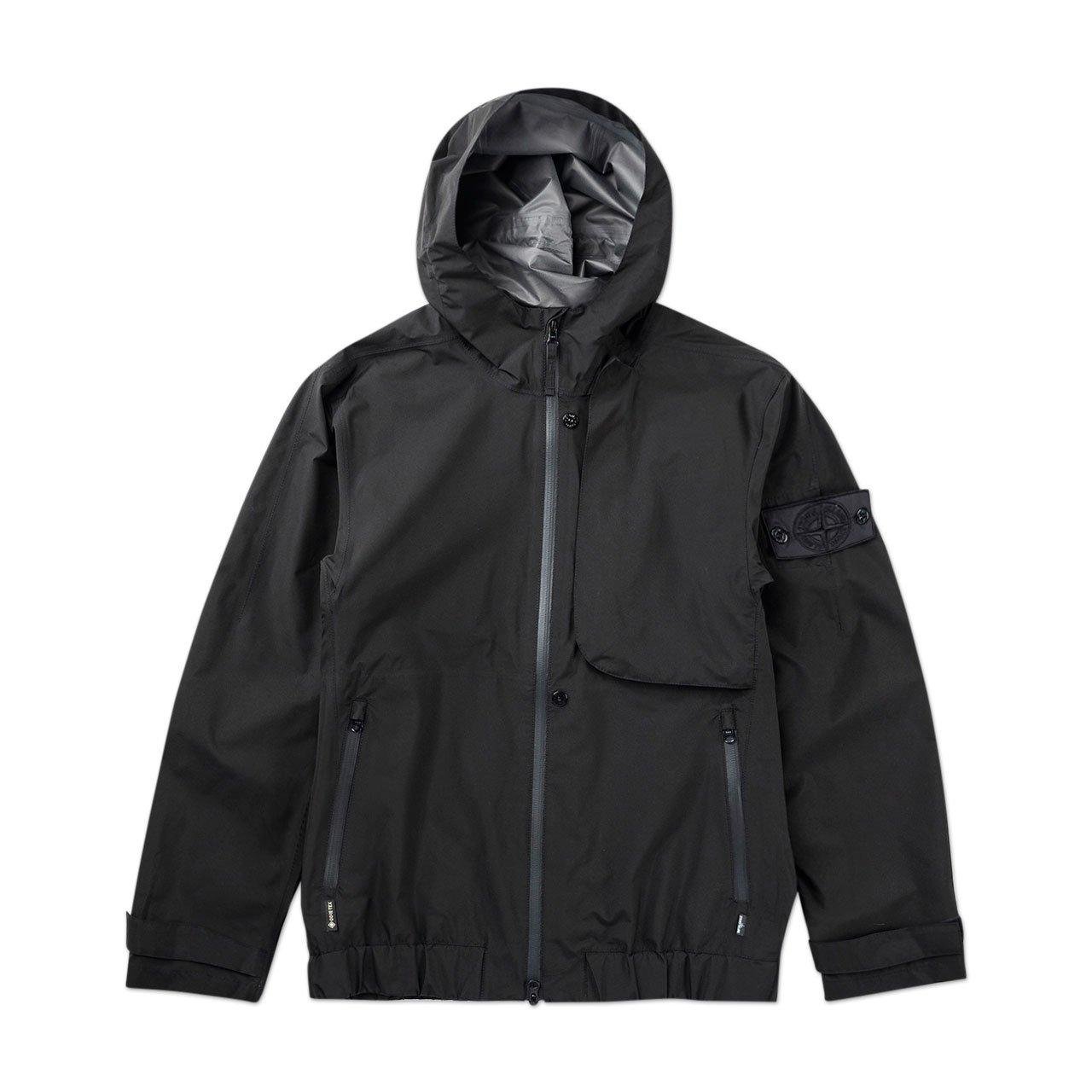
3L Gore-Tex Jacket
The strongest option when reliable rain protection takes priority.
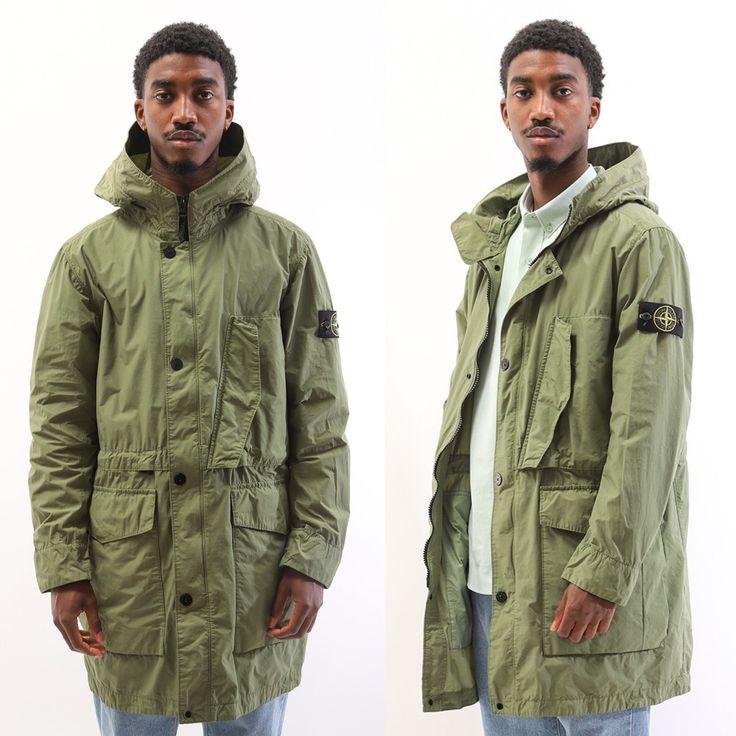
Stone Island Parka
Offers greater coverage and more space for cold-weather layering.
Pros And Cons
| Pros | Cons |
|---|---|
| Exceptional range of experimental fabrics | High prices, particularly for specialist materials |
| Distinctive without relying on elaborate silhouettes | Sizing can feel narrow and inconsistent |
| Removable compass badge | Not every technical-looking jacket is waterproof |
| Strong selection for different climates | Coatings and finishes may require delicate care |
| Garment dyeing creates nuanced colour | Basic designs can feel expensive for what they offer |
| Meaningful design history and cultural relevance | Specialist outdoor brands may offer better pure performance |
Final Verdict
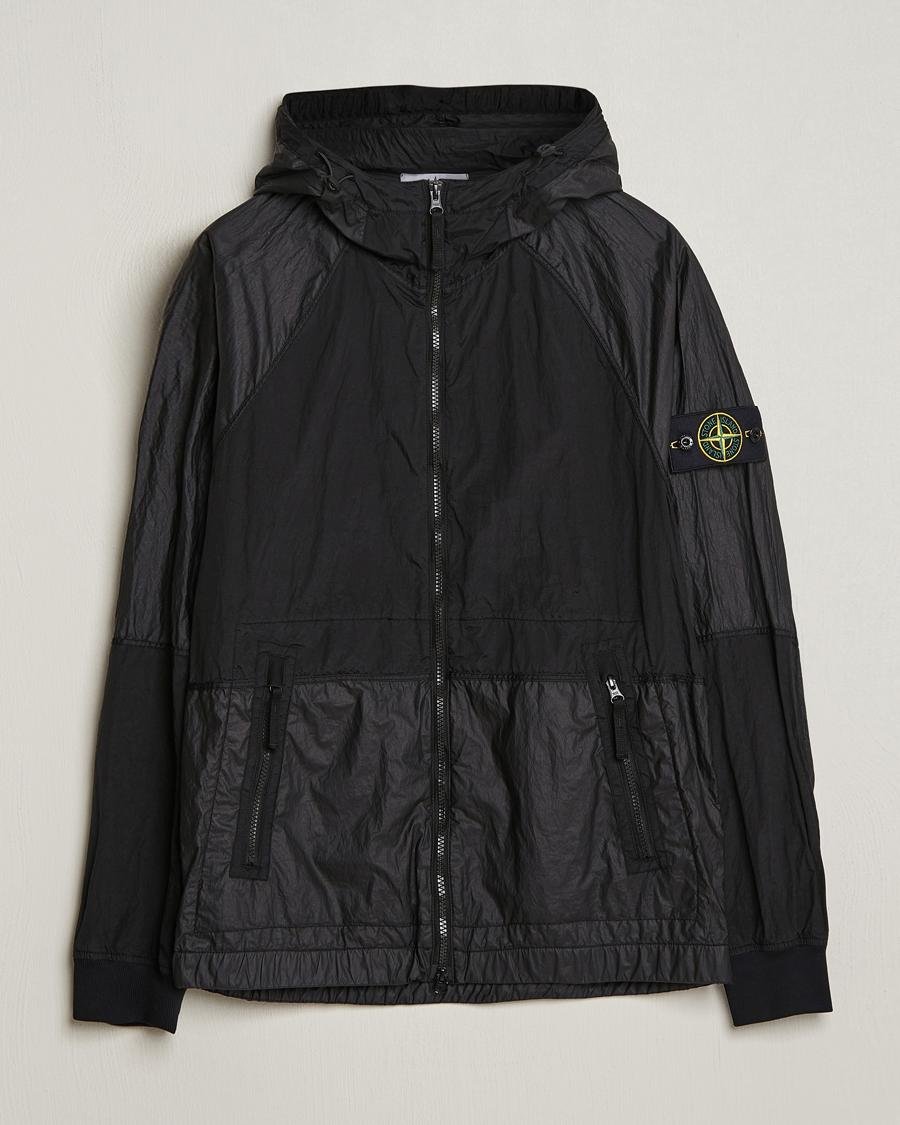
A Stone Island jacket is most compelling when its material tells a story.
The compass badge provides recognition, but Soft Shell-R, Nylon Metal, Crinkle Reps and David-TC are what separate the brand from conventional premium outerwear. Each changes how the jacket reflects light, handles weather, moves and ages.
For a first purchase, LxryNow recommends a black or navy Soft Shell-R hooded jacket. It offers the broadest combination of comfort, weather resistance and wardrobe versatility without becoming too experimental.
Nylon Metal is the better choice for buyers who want something visually distinctive, while an insulated Crinkle Reps design makes more sense for cold winters. Choose 3L Gore-Tex when reliable rain protection is the priority.
The pricing remains difficult to ignore. Stone Island cannot always compete with dedicated outdoor labels on performance alone, and its simpler jackets can feel overly dependent on the badge. The strongest pieces justify their premium through genuinely unusual fabrics and finishing processes—not branding by itself.
LxryNow Verdict: An innovative outerwear specialist that rewards buyers who choose the material as carefully as the colour.
Overall Score: 8.3/10
