
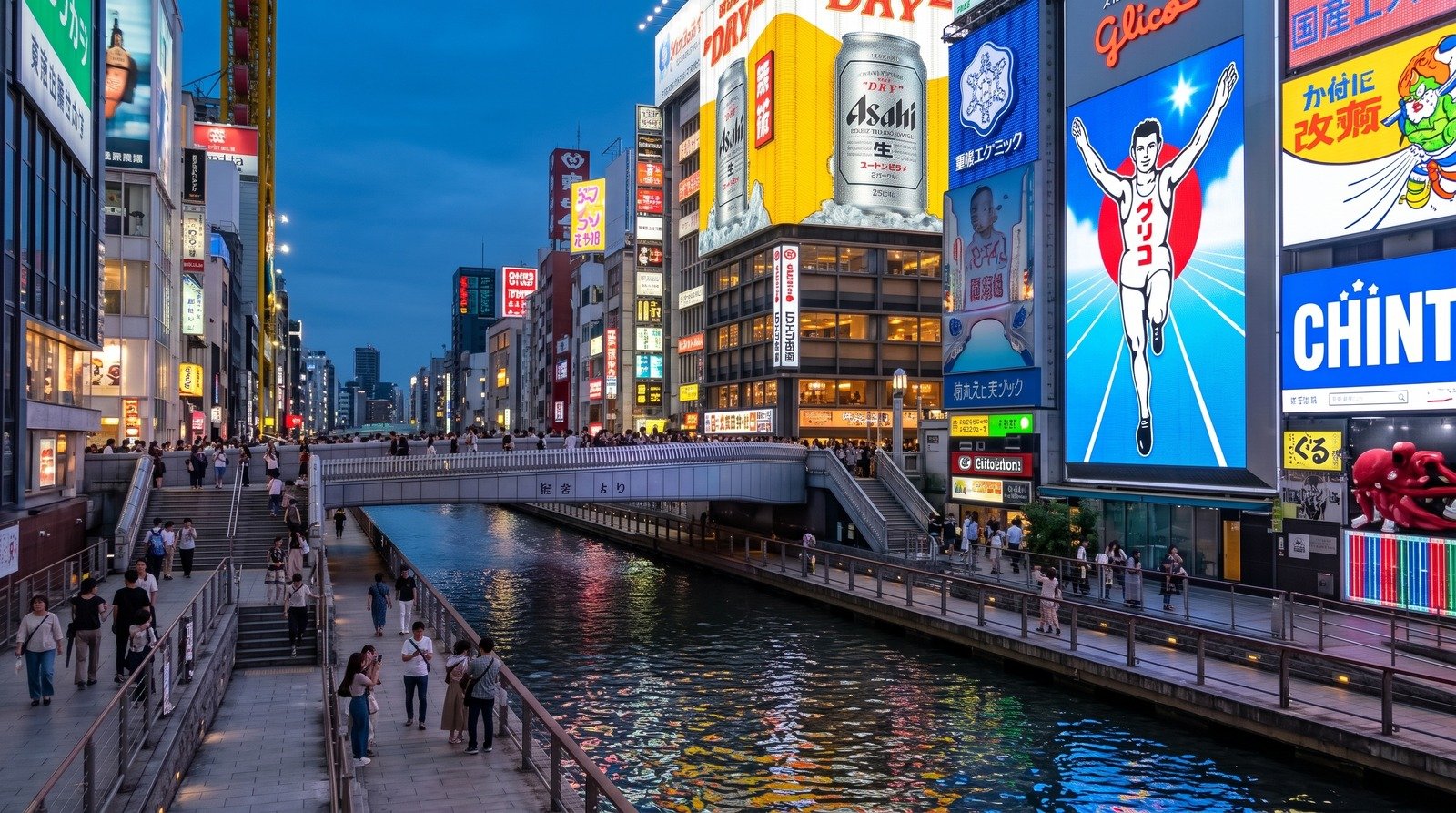
At Osaka Castle, the first thing that catches your attention may be the size of the stones. Down in Namba, it might be a shop window full of ceramic bowls or a cook turning takoyaki with a metal pick. By evening, Dotonbori competes for your attention with enormous restaurant signs and reflections stretching across the canal. Following that change in scale makes a satisfying first day.
This itinerary pairs the castle with an afternoon and evening in Osaka’s southern centre, known as Minami. You will have time for a market lunch, kitchenware browsing, a temple lane and dinner near the canal. It assumes you have a full day in town and somewhere to leave your luggage. If you are arriving from Kyoto, Tokyo or an airport, build the journey around the hours you actually have available.

TL;DR
| Question | Quick Answer |
|---|---|
| Best route | Osaka Castle → Kuromon Market → Doguyasuji → Hozenji → Shinsaibashi → Dotonbori |
| Main paid sight | Osaka Castle Museum, if you want the interior visit |
| Best lunch stop | Kuromon Market and the surrounding Nippombashi streets |
| Getting around | Rail for the castle-to-Namba connection, then mostly walking |
| Best evening finish | Dinner and a canal walk in Dotonbori |
| Optional change | Replace shopping with Umeda Sky Building or a Shinsekai food tour |
LxryNow Recommendation Give the castle a full morning block, eat a flexible lunch at Kuromon and save your appetite for a seated dinner. Keep the afternoon’s shopping stops short enough to enjoy Dotonbori after dark.
Your Osaka One-Day Itinerary

| Time | Plan | Allowance |
|---|---|---|
| 8:15–9:00 a.m. | Breakfast and arrival near Osaka Castle | Eat before the museum visit |
| 9:00–11:00 a.m. | Castle grounds and optional museum | Include the approach from your station |
| 11:00 a.m.–noon | Travel to Nippombashi | Rail transfer, station exits and a little spare time |
| Noon–1:15 p.m. | Kuromon Market and lunch | Browse before choosing your meal |
| 1:15–2:15 p.m. | Sennichimae Doguyasuji | Kitchenware and tableware shops |
| 2:15–3:00 p.m. | Hozenji and nearby lanes | A short pause before the shopping streets |
| 3:00–5:30 p.m. | Shinsaibashi and a café break | Flexible browsing or an alternative excursion |
| From 5:30 p.m. | Dotonbori and dinner | Stay until the signs light up |
Use these windows as a guide. The castle-to-market connection depends on your starting station and the exit you choose. A booked tour takes priority over the suggested times, and a longer museum visit can come out of the shopping block. The afternoon stays close enough together that you can shorten individual stops as you go.
9:00 a.m. — Walk the Castle Grounds Before the City Gets Busy

Have breakfast near your hotel or along the way, then arrive with comfortable shoes and water. Osaka Castle stands well inside a large park. Allow roughly fifteen to twenty minutes from a nearby station to the tower, with more time if you stop around the moats. Choose your arrival station for the approach you want and your departure station for the journey afterwards.
The stone walls and broad defensive spaces are worth looking at before joining the museum entrance. Walk towards the tower gradually and notice how its position changes as you cross the grounds. A distant view across a moat gives a different impression from standing immediately beneath the building.
Inside, the tower functions as a museum about the castle and its history. Choose the visit if you enjoy historical displays and want the view from the upper level. Allow extra time for entry queues on busy days. The exterior and surrounding park also make a worthwhile morning if you prefer to spend more of the day outside.
The museum normally opens from 9 a.m. to 6 p.m., with last entry at 5:30 p.m. Check its calendar for maintenance and the year-end closure before making a special journey. Some gardens and facilities within the wider park have their own admission arrangements, so check what your chosen ticket covers.
Noon — Browse Kuromon Market With Lunch in Mind

Travel towards Nippombashi, the useful station area for Kuromon Market. Check a live route from the castle station you use, then follow the correct exit towards the market. The generous transfer window in the timetable includes leaving the park and finding your way at the other end.
Walk a section of the covered market before buying. You will see seafood, produce, cooked snacks and shops serving different kinds of shoppers. Stall opening times and rest days vary. Treat it as a place to discover what is available that day, with a second lunch choice ready if a particular counter is closed.
Choose one substantial dish and a smaller item to share, or build lunch from a few modest portions. Check whether seafood prices are per piece, per skewer or by weight. Ask where you can eat your purchase and use the seating or standing space provided by the stall. Keep the central passage clear for people shopping and working.
If you prefer a conventional seated meal, look around the surrounding streets after browsing. You can enjoy the market without buying a large seafood platter. The Kuromon guided food walk listed below replaces this block and part of the early afternoon, so plan your museum visit around its confirmed departure.
1:15 p.m. — Look Behind the Restaurant Counter on Doguyasuji

Walk towards Sennichimae Doguyasuji, the kitchenware shopping street near Namba. After a morning looking at food, this is a chance to see the objects that help restaurants prepare and present it. Browse ceramic bowls, utensils, signs and other supplies, stopping at the shops that match your interests.
A small plate or pair of chopsticks can make a useful souvenir. Look at the weight and finish, and ask about packing if you are carrying something fragile. Restaurant equipment can become surprisingly tempting when you imagine it in your own kitchen, so consider your luggage before buying a large item.
You can cover the street quite quickly, but leave room to look closely. Some shops focus on professional customers, while others are easy for a casual visitor to browse. Keep to the display areas and ask before photographing inside. Shop hours differ, and the stop remains worthwhile even if you only spend half an hour here.
2:15 p.m. — Pause Around Hozenji
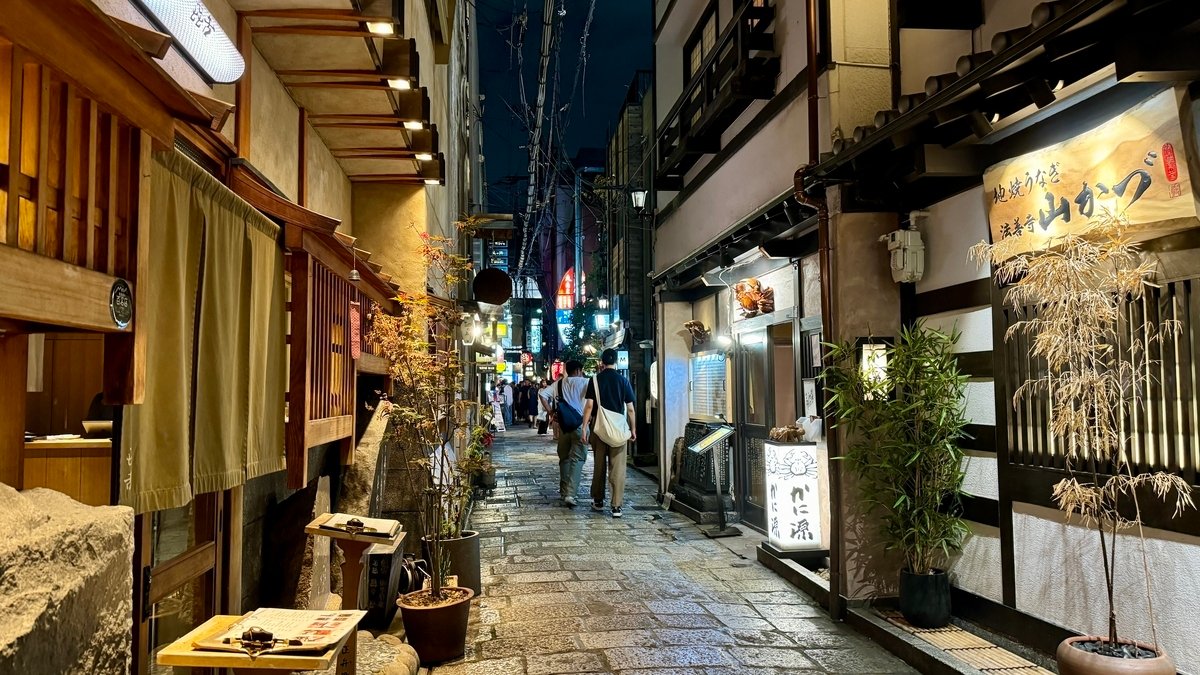
Continue towards Hozenji and its surrounding lanes. The temple occupies a compact space in the middle of Namba’s commercial district. Pause at the edge, take in the setting and follow the instructions you see if you want to participate in a custom. Leave space for people who have come to worship.
Walk through Hozenji Yokocho to see the stone paving and closely spaced restaurant fronts. It is a short lane, so a few attentive minutes can be enough. If a doorway or lantern catches your eye, step aside for a photograph and keep entrances clear. You may want to return after dark when more restaurants are open.
This block also leaves room for a drink or a seat before the afternoon shopping. Osaka’s busiest streets can encourage you to keep moving and eating. A proper pause here makes it easier to enjoy the evening, especially if you have already spent several hours walking through the castle park and market.
3:00 p.m. — Browse Shinsaibashi, Then Take a Break
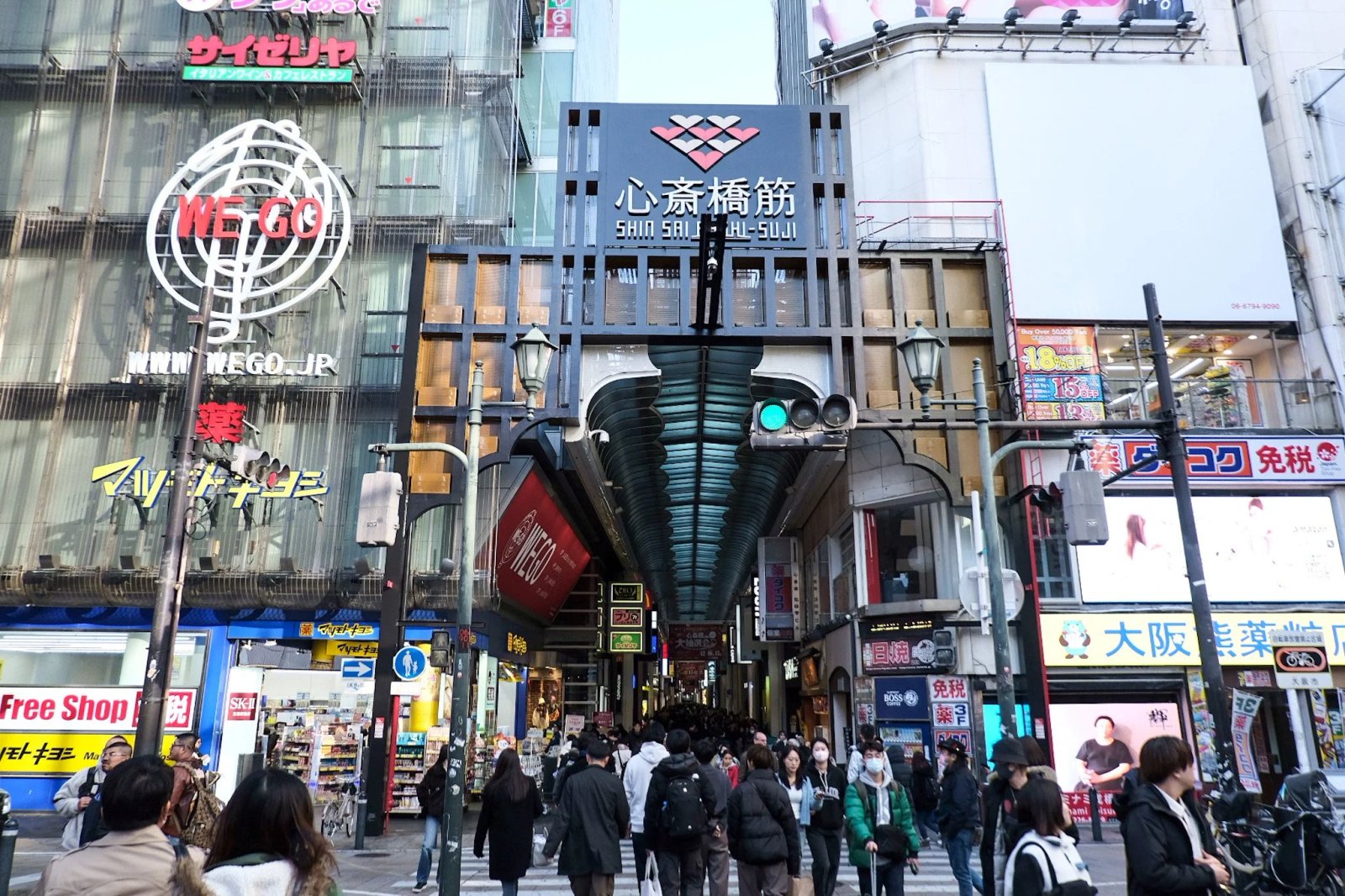
Head towards Shinsaibashi-suji, passing through the Dotonbori area on the way. The covered shopping street gives you a mix of shops to explore, from everyday purchases to larger retail stops. Choose one or two interests before you begin so the afternoon does not disappear into a succession of similar stores.
You can walk north for a short stretch, then return towards the canal when you are ready. Department stores and side streets offer places to pause if the main arcade feels crowded. If fashion matters more than souvenirs, spend your browsing time on the shops you actually want to visit and keep the rest of the route flexible.
Allow a café break before dinner. This is the easiest part of the day to shorten if you want another attraction, and also the most useful reserve of time when lunch or the castle runs long. In wet weather, the covered streets help, though the connections between them still include open-air sections.
From 5:30 p.m. — Eat Dinner and Watch Dotonbori Light Up
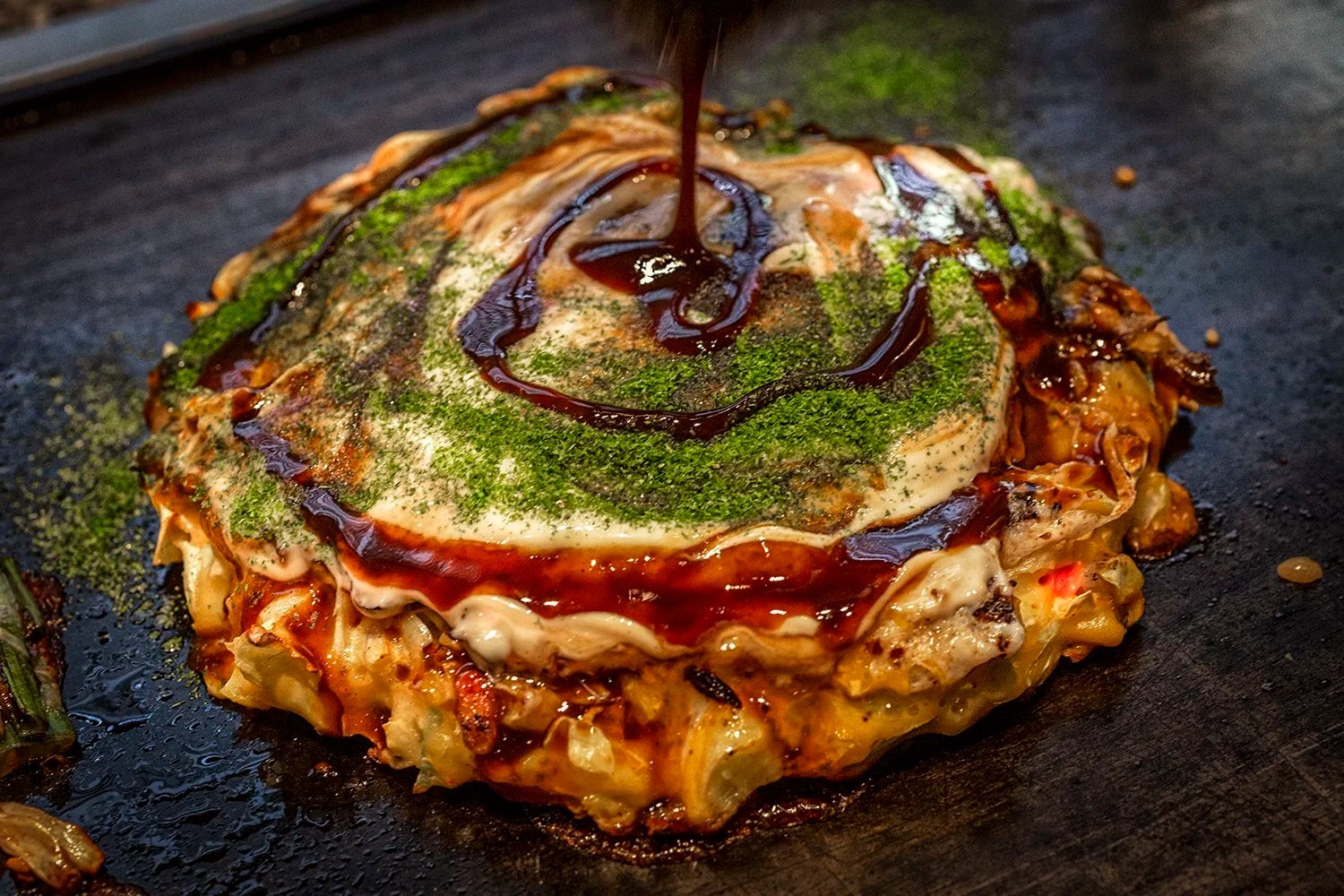
Return to Dotonbori and choose dinner before you become too tired to compare menus. An okonomiyaki restaurant makes a good seated stop. This savoury dish is cooked on a griddle, and the ingredients and preparation vary by restaurant. Ask about portion sizes if you want another dish alongside it.
Takoyaki can be a smaller stop before or after dinner. Let the hot centre cool before eating, and use the space provided near the stall. If you have already had several snacks at Kuromon, you may prefer a lighter dinner. Following your appetite works better than trying to fit every Osaka speciality into the same day.
After the meal, walk beside the canal and towards Ebisubashi for the Glico sign and the surrounding illuminated billboards. The light changes through the evening, so give yourself time to look from more than one point along the water. Keep the bridge and narrow promenade sections moving while taking photographs.
For a guided evening, the Dotonbori and Shinsekai food tour below takes the place of dinner and part of the afternoon. Its meeting point is near Dobutsuen-mae, so leave time to travel there. It finishes in Dotonbori, which brings you back to the canal for the final walk.
Prefer a Skyline View? Swap Shopping for Umeda

Umeda Sky Building is the alternative for visitors who want to see Osaka from above. Replace the Shinsaibashi shopping block with the journey north, the observatory and the return towards Namba. Allow roughly two to three hours overall, depending on your transport, entry queue and how long you stay.
The Kuchu Teien Observatory includes indoor viewing areas and an open-air rooftop. Check operating arrangements and the weather for your date. Its normal hours extend into the evening, but special dates and temporary changes can affect admission. An afternoon visit can fit before a later Dotonbori dinner, while a sunset visit requires planning around the season.
If street food interests you more, use the spare afternoon for Shinsekai and the guided food tour instead. The tower views, the market and the dinner tours all compete for the same hours. Choose the extra that matters most and give it enough space to enjoy.
Getting Around and Planning Your Spending
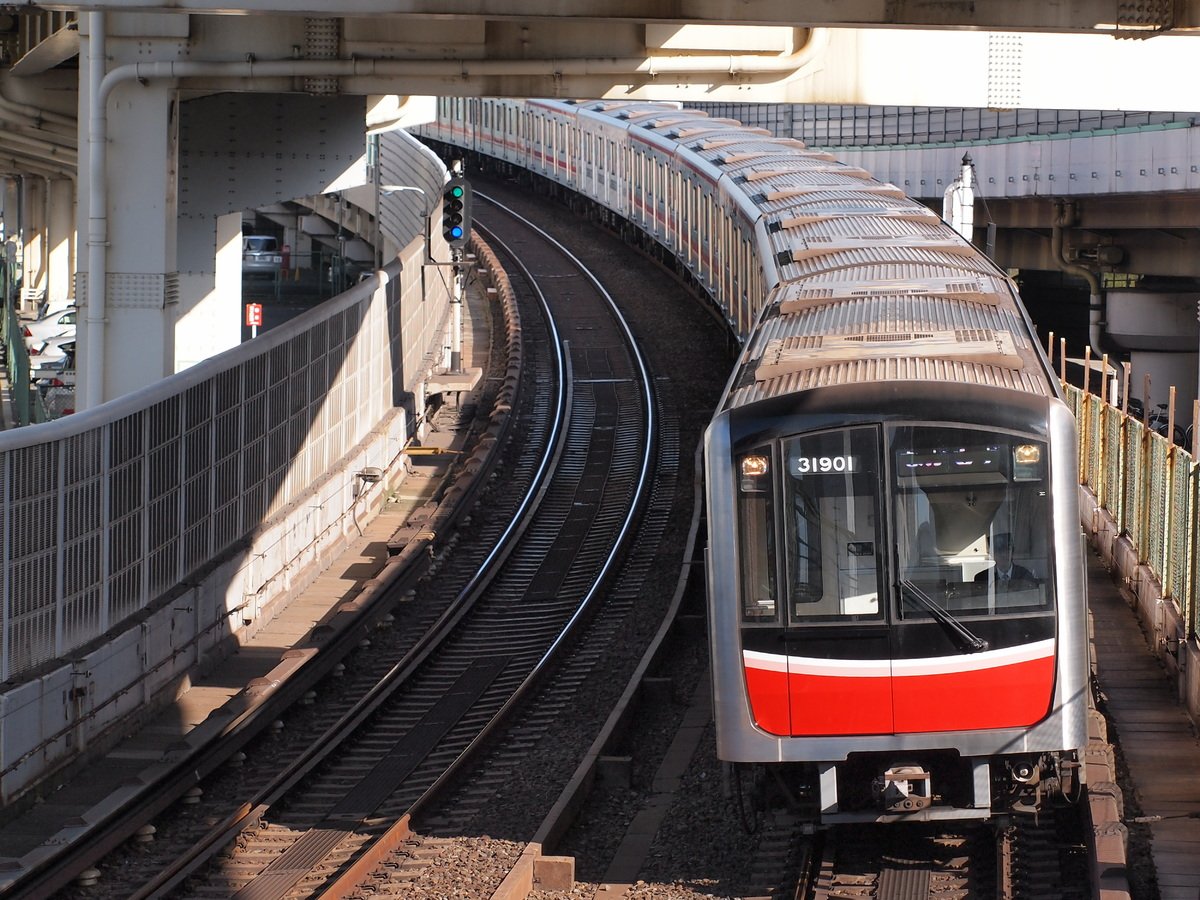
The main route needs a rail connection from the castle area to Nippombashi, followed by walking around Minami. An interoperable IC card such as ICOCA is convenient if you already have one. Osaka Metro also accepts eligible contactless bank cards at dedicated readers. Check your chosen card and operator before relying on it throughout the day.
Namba’s stations serve several railway companies and have many exits. Save the exact station and exit for your next stop, especially when meeting a guide. Airport travel and journeys from Shin-Osaka need additional time. A short-looking distance on a map can include long passages before you reach street level.
Budget for the museum if you want to enter, transport, lunch, dinner and the optional experience you select. Most of the neighbourhood walk is free to enjoy. Carry some yen for smaller food stalls and shops, since payment methods vary. Compare any sightseeing pass with the attractions you will actually enter and its current admission conditions.
Book the Experience — Osaka Tours on Viator
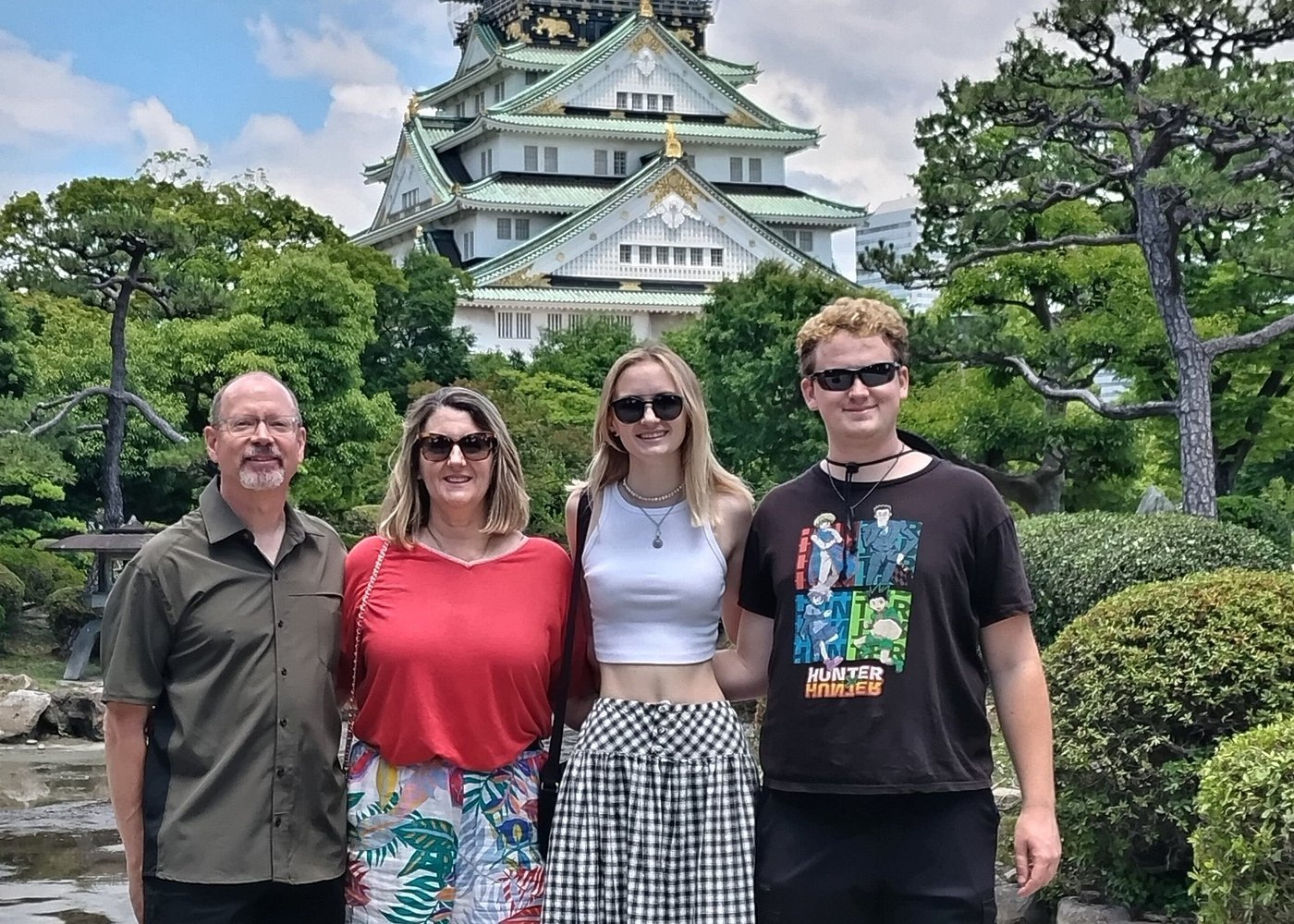
Osaka Private One-Day Tour With a Licensed Guide
A guided version of the day
Choose the duration and agree on the route. Transport, meals and admission costs are additional.
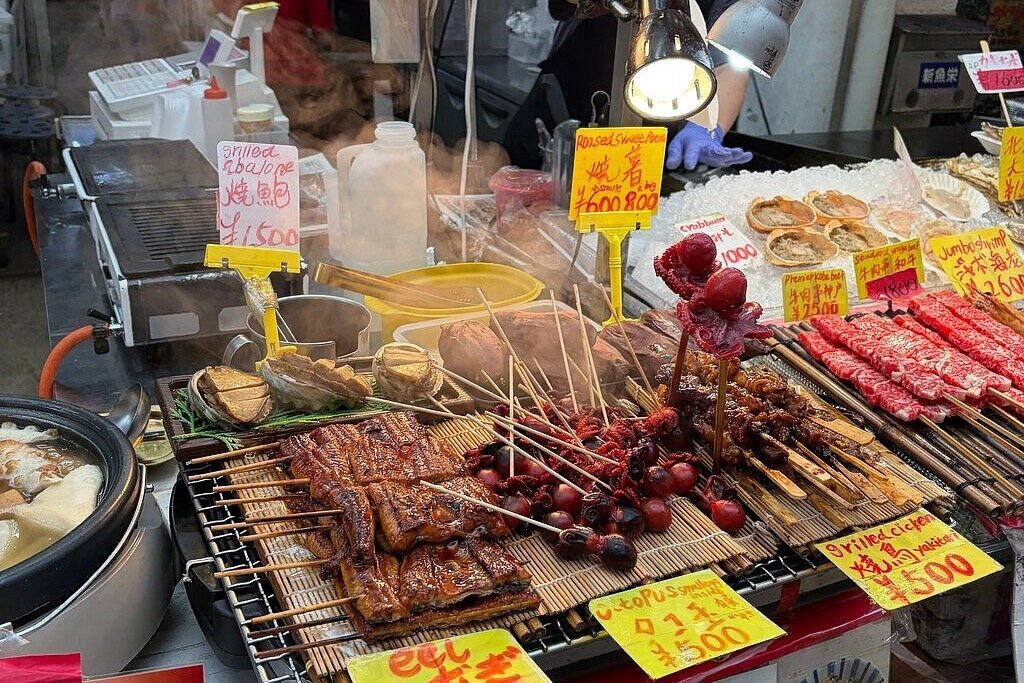
Kuromon Market Food Walking Tour
Market tastings and local context
Around two hours. Check departure time, meeting point and dietary arrangements.

Dotonbori and Shinsekai Foodie Walking Tour
Dinner with a guided neighbourhood walk
Around three hours. Starts near Dobutsuen-mae and ends in Dotonbori. Check food restrictions before booking.

Umeda Sky Building and Kuchu Teien Observatory
Views across Osaka
Confirm ticket redemption, opening arrangements and rooftop access for the weather.
Disclosure LxryNow may earn a commission from qualifying Viator bookings at no additional cost to you.
Pros and Cons
| Pros | Cons |
|---|---|
| One major landmark and several food-focused streets fit into a day | The castle grounds add substantial walking |
| Most afternoon stops sit close together | Dotonbori and the shopping arcades can be crowded |
| Shopping time can become a break or an optional attraction | Umeda needs a separate journey north and back |
Final Verdict

For 1 day in Osaka for first timers, start with the castle and give Minami the rest of the day. Kuromon introduces the food, Doguyasuji reveals the tools behind it and Hozenji provides a small pause among the commercial streets. End with dinner and Dotonbori’s lights. Add Umeda or a guided food walk by shortening another block, then leave enough time to enjoy your final meal.
