
Sunday, September 6, 2026
Home Comme des Garçons — Brand Profile

Comme des Garçons

Website: comme-des-garcons.com
Founded: 1969, Tokyo, Japan
Founder: Rei Kawakubo
Known For: Deconstruction, Sculptural Silhouettes, Asymmetry, Black Clothing, Homme Plus, PLAY
Category Focus: Womenswear, Menswear, Knitwear, Shirts, Footwear, Wallets, Accessories, Fragrances

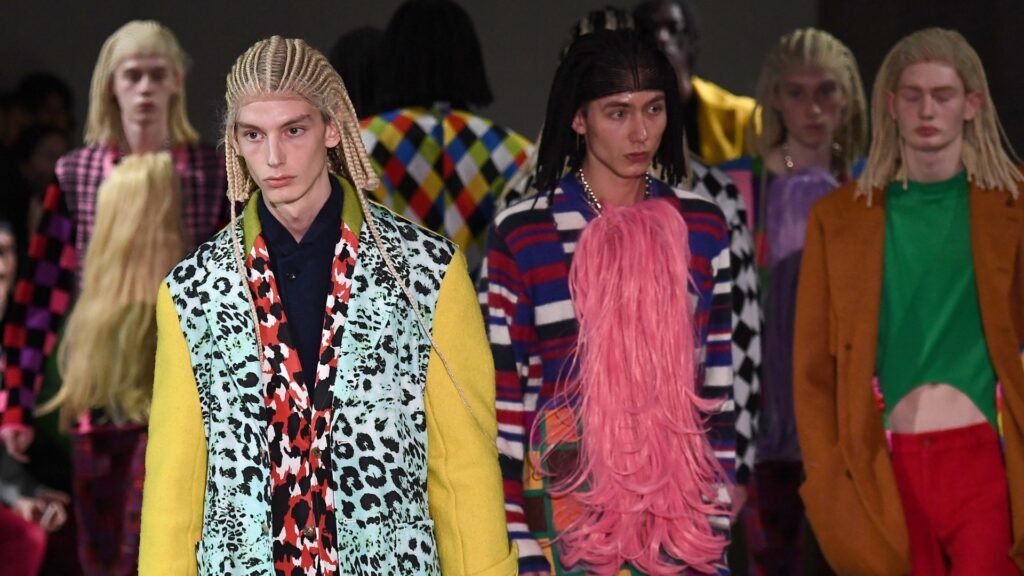
Comme des Garçons is one of fashion's most influential avant-garde houses, renowned for its deconstructed silhouettes, conceptual experimentation, unconventional beauty, and radical approach to clothing. Founded by Japanese designer Rei Kawakubo, who began producing womenswear under the Comme des Garçons name in 1969, the company was formally established in 1973 before expanding internationally from Tokyo to Paris.

Known for combining asymmetry, distressed fabrics, exaggerated proportions, monochromatic palettes, unconventional tailoring, and sculptural construction, Comme des Garçons has consistently questioned what clothing should look like. Rather than following conventional ideas of luxury or beauty, Kawakubo treats fashion as a medium for exploring abstraction, imperfection, gender, volume, and the relationship between clothing and the body.

Today, Comme des Garçons encompasses an extensive creative universe including Comme des Garçons, Comme des Garçons Homme Plus, Comme des Garçons Homme, Comme des Garçons Homme Deux, Comme des Garçons Shirt, and PLAY Comme des Garçons, alongside multiple designer-led labels. Rei Kawakubo remains at the helm, overseeing both the creative and business direction of the company.

Iconic Comme des Garçons Products

PLAY Heart Logo T-Shirts

Homme Plus Deconstructed Tailoring

PLAY x Converse Sneakers

Comme des Garçons Wallets

Comme des Garçons 2 Fragrance

Wonderwood Fragrance

Sculptural Black Dresses

Asymmetric Jackets

Comme des Garçons History & Heritage

Rei Kawakubo began producing and selling women's clothing under the Comme des Garçons name in 1969, formally establishing the company in 1973. The first Comme des Garçons show took place in Tokyo in 1975, followed by the introduction of menswear in 1978.

The defining international breakthrough arrived in 1981, when Comme des Garçons debuted in Paris. Kawakubo's use of black, distressed textiles, asymmetry, loose proportions, and deliberately unconventional construction challenged the polished glamour dominating European fashion. What initially appeared confrontational would ultimately become enormously influential across avant-garde fashion, deconstruction, and contemporary luxury.

Key Milestones:
1969: Rei Kawakubo begins producing and selling womenswear under the Comme des Garçons name.
1973: Comme des Garçons is formally established as a company.
1975: The house stages its first fashion show in Tokyo.
1978: Comme des Garçons Homme launches, introducing menswear to the growing fashion universe.
1981: Comme des Garçons establishes a Paris subsidiary and makes its influential Paris fashion debut.
1984: Comme des Garçons Homme Plus launches, developing into one of experimental menswear's most important labels.

Comme des Garçons continues demonstrating how fashion can function as experimentation, intellectual inquiry, and artistic expression rather than simply decoration.

“Comme des Garçons turns fashion into radical experimentation, challenging beauty and convention through deconstruction, abstraction, and fearless creative freedom.”

Comme des Garçons Guides & Reviews

Comme des Garçons in the News

Why Comme des Garçons Matters Today

Comme des Garçons matters because it helped prove that fashion does not need to follow conventional definitions of beauty, proportion, gender, or luxury.

Its influence can be seen across:
• Avant-Garde Fashion
• Deconstruction
• Conceptual Design
• Japanese Luxury

By combining intellectual experimentation, unconventional construction, abstraction, and extraordinary creative independence, Comme des Garçons has influenced generations of designers while maintaining one of fashion's most uncompromising identities. Kawakubo's continued leadership makes that influence especially unusual: the founder still oversees the company more than five decades after its beginnings.

Comme des Garçons vs Other Luxury Houses

Comme des Garçons vs Yohji Yamamoto

Comme des Garçons vs Issey Miyake

Comme des Garçons vs Junya Watanabe

Comme des Garçons vs Rick Owens

Other Brands