Tuesday, July 21, 2026
Home Balenciaga — Brand Profile
Balenciaga Brands

Balenciaga

Website: balenciaga.com
Founded: 1919, San Sebastián, Spain
Founder: Cristóbal Balenciaga
Owned By: Kering
Known For: Architectural tailoring, oversized silhouettes, luxury streetwear
Category Focus: Fashion, leather goods, footwear, accessories

Balenciaga is one of the world’s most influential luxury fashion houses, renowned for its avant-garde silhouettes, architectural tailoring, and ability to redefine contemporary fashion culture. Founded by Cristóbal Balenciaga in Spain in 1919, the maison evolved from a couture house into a global symbol of innovation and disruptive luxury design.

Known for blending couture craftsmanship with experimental design, Balenciaga consistently challenged traditional ideas of proportion, luxury, and fashion aesthetics. Over the decades, the house became recognized for reshaping modern fashion through sculptural silhouettes, oversized tailoring, and cultural influence extending beyond the runway.

Today, Balenciaga remains one of the defining houses under Kering, entering a new creative chapter under Pierpaolo Piccioli while continuing to balance heritage with contemporary fashion culture.

Iconic Balenciaga Products

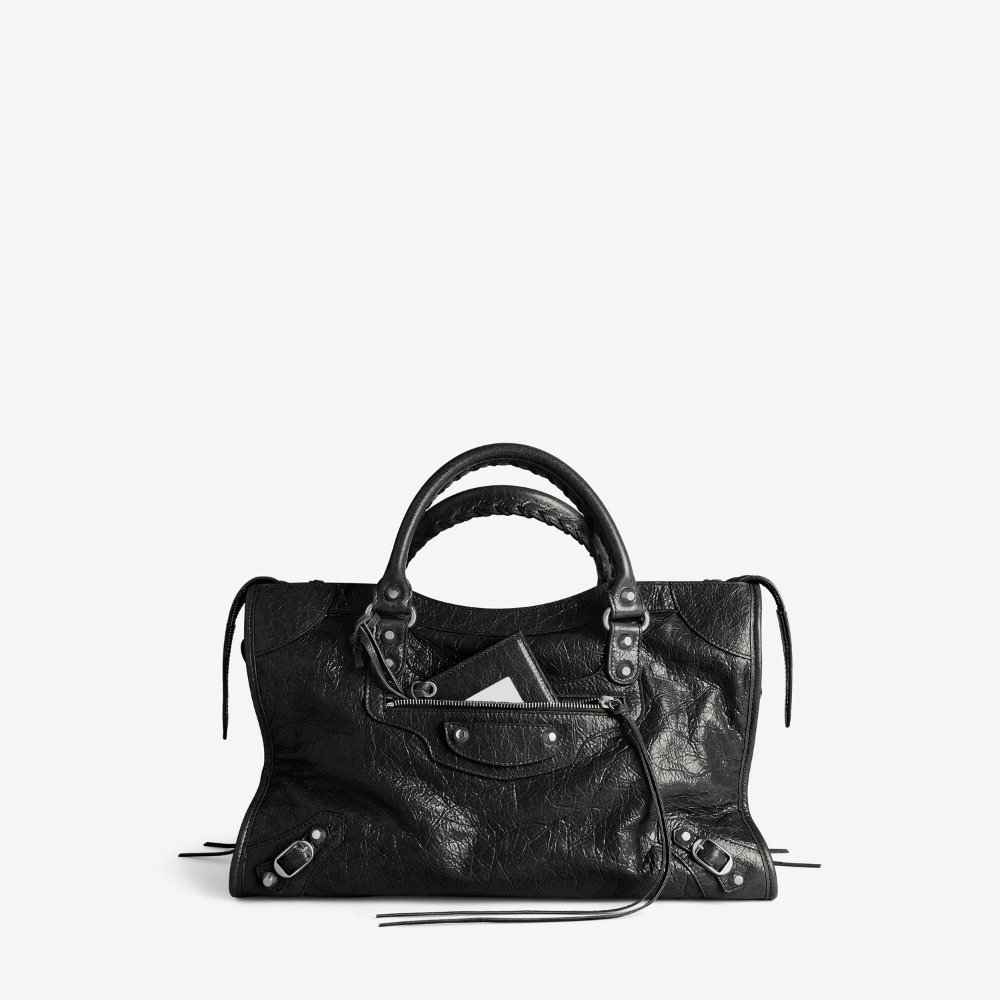
Balenciaga City Bag

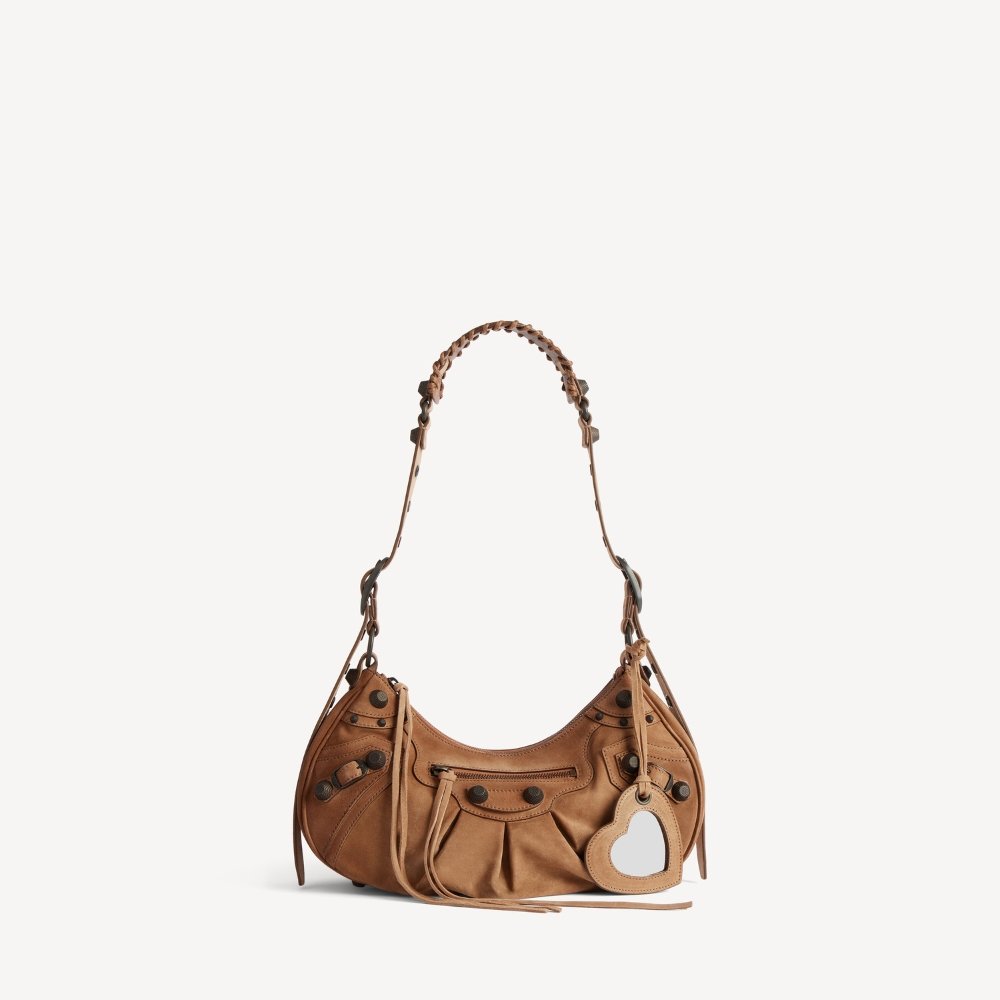
Balenciaga Le Cagole Bag

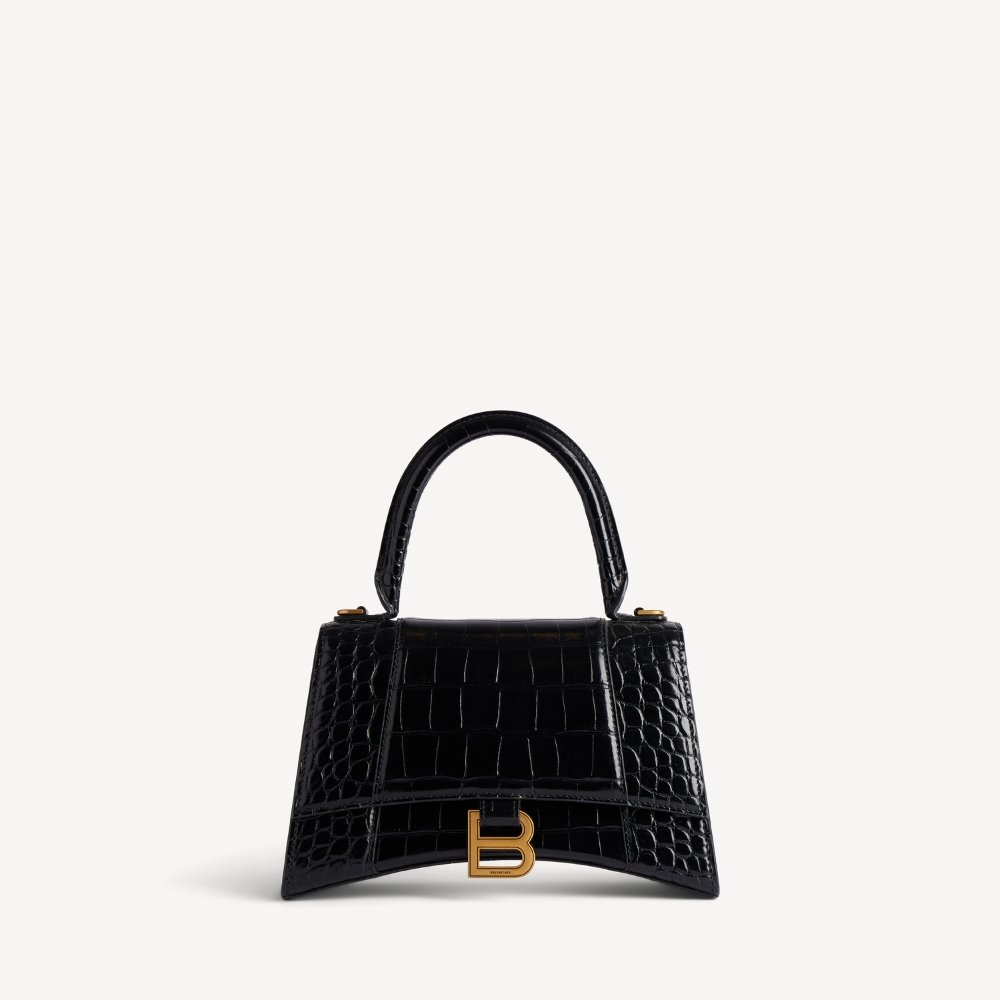
Balenciaga Hourglass Bag

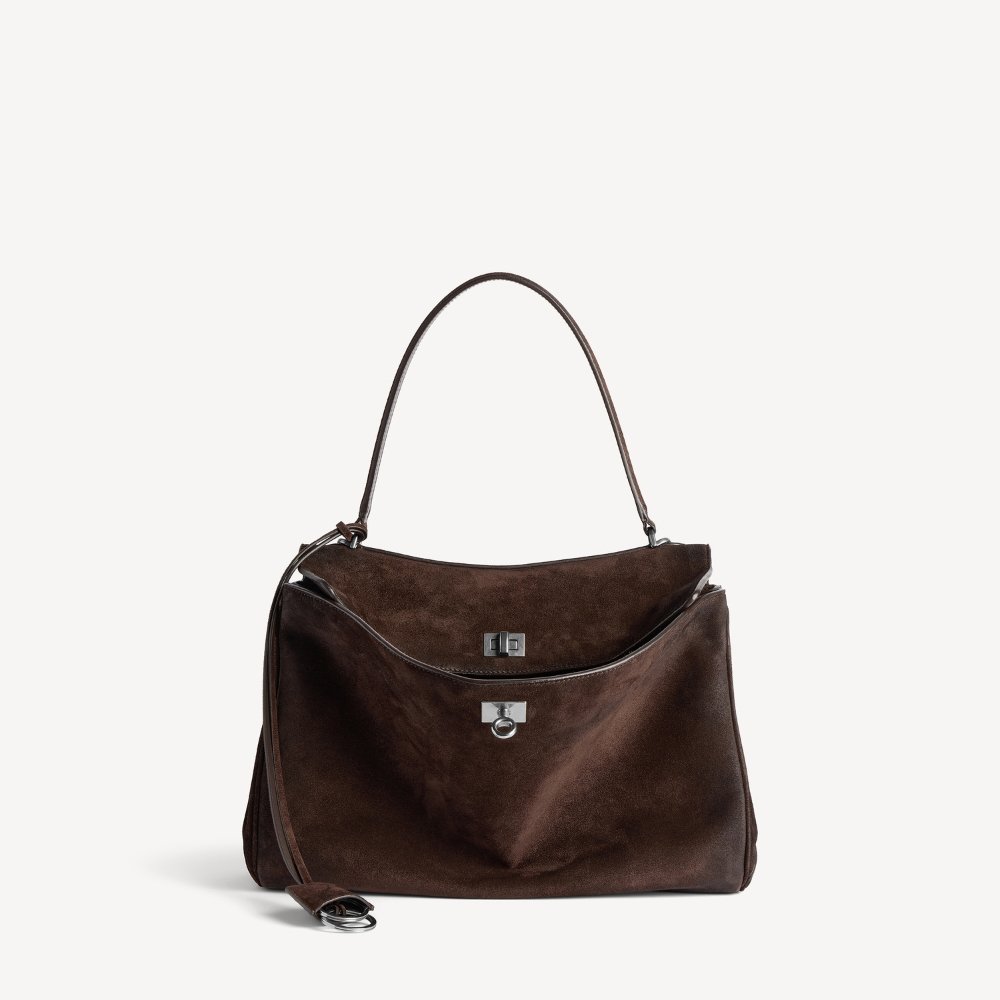
Balenciaga Rodeo Bag

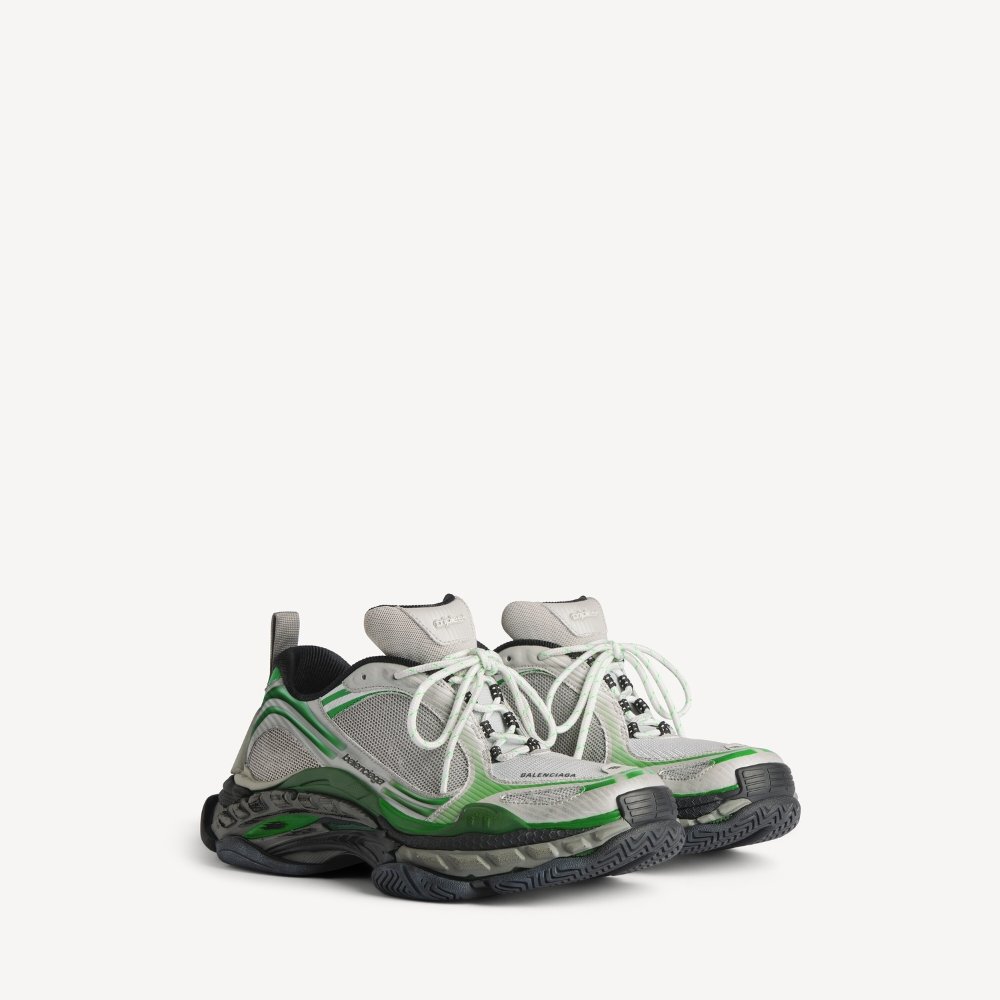
Balenciaga Triple S Sneakers

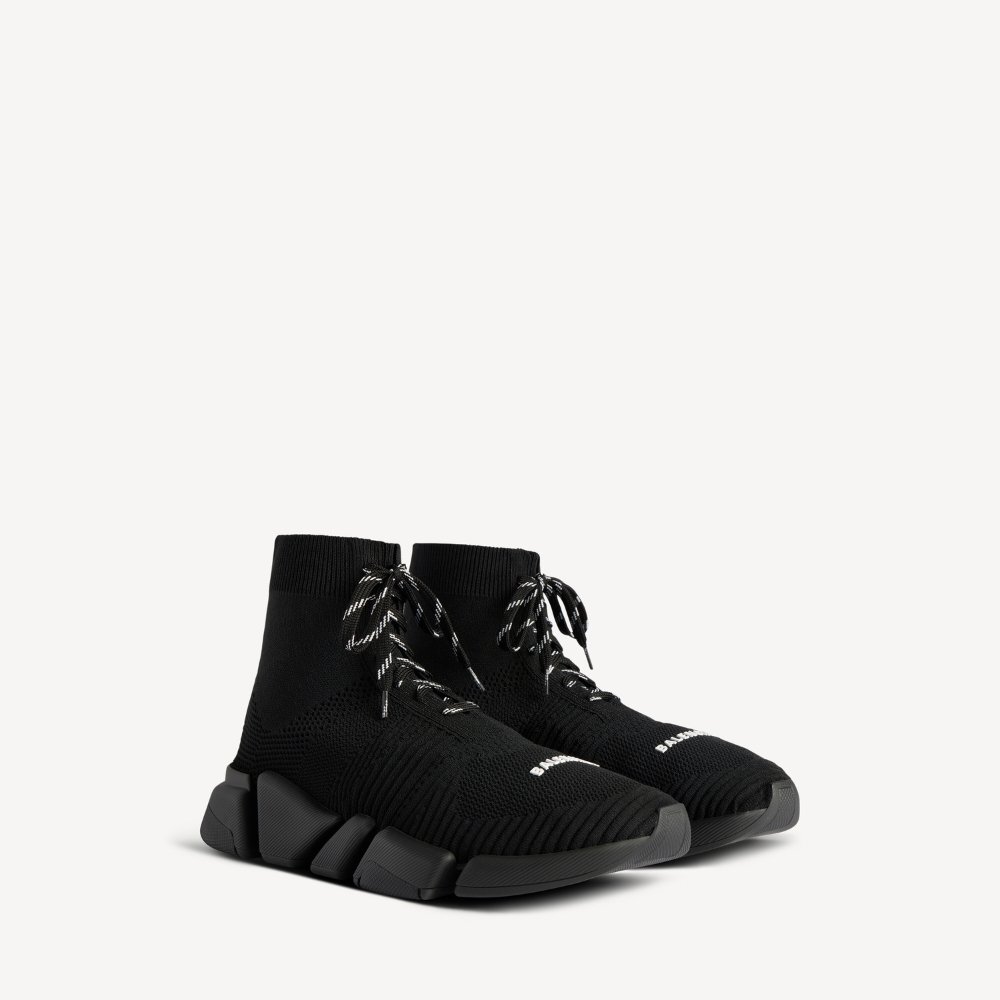
Balenciaga Speed Trainers

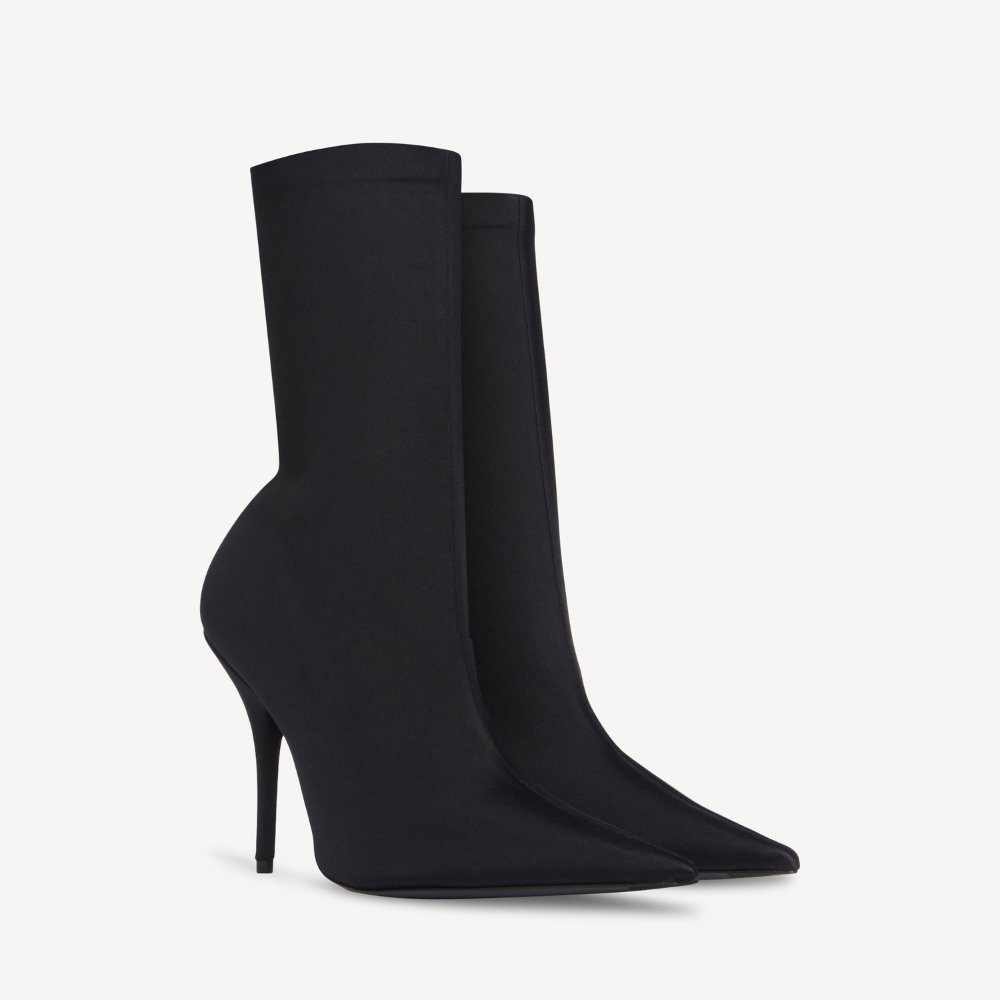
Balenciaga Knife Boots

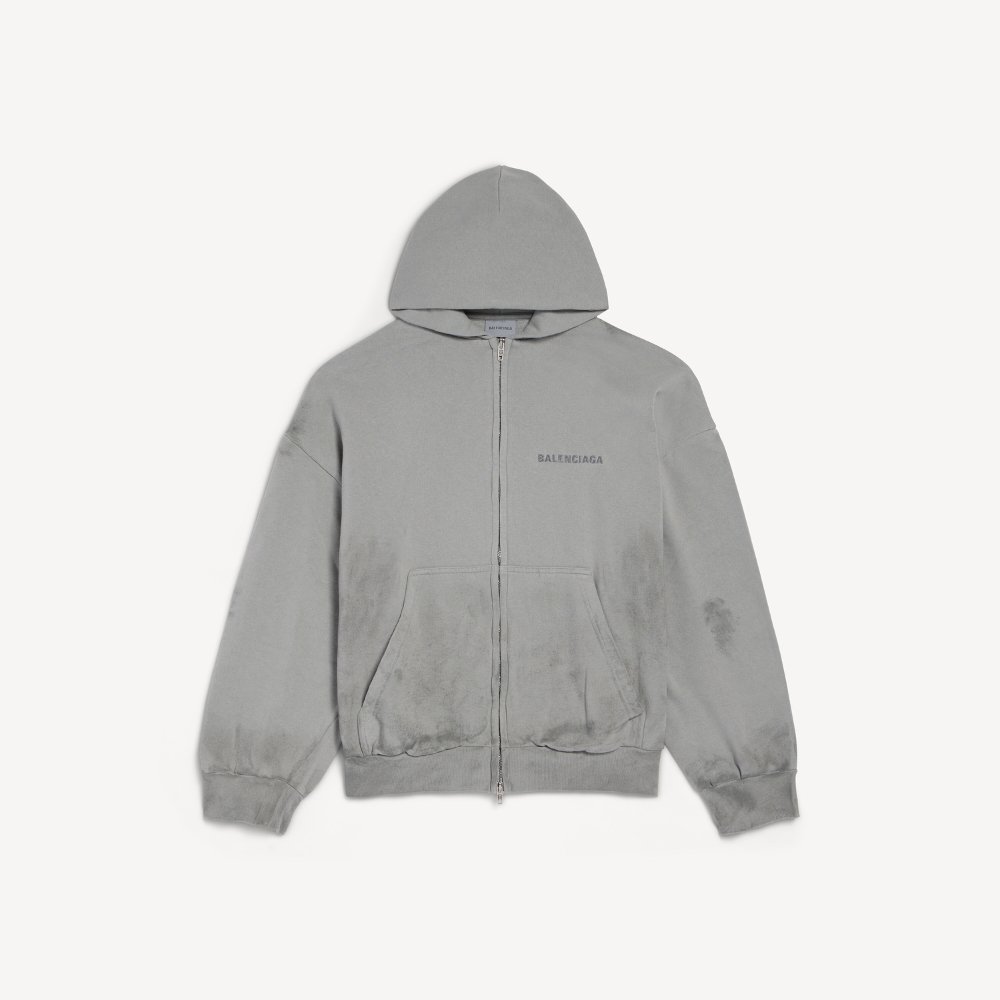
Balenciaga Logo Hoodie

Balenciaga History & Heritage

Balenciaga’s story began in 1919, when Cristóbal Balenciaga established his first couture house in San Sebastián, Spain. Recognized for exceptional tailoring and craftsmanship, Balenciaga quickly attracted aristocratic and royal clients.

After relocating to Paris in 1937, Cristóbal Balenciaga became widely regarded as one of fashion’s most important couturiers. Christian Dior reportedly referred to him as “the master of us all,” highlighting his influence on fashion design.

The maison later evolved from traditional couture into one of fashion’s most influential contemporary brands.

Key milestones:
• 1919: Cristóbal Balenciaga establishes the house in Spain
• 1937: Balenciaga opens in Paris
• 1950s: Introduction of revolutionary architectural silhouettes and sack dresses
• 1968: Cristóbal Balenciaga retires and closes the couture house
• 1986: Balenciaga brand relaunched under new ownership
• 1997: Nicolas Ghesquière becomes creative director
• 2001: Balenciaga joins Gucci Group, now Kering
• 2015–2025: Demna reshapes Balenciaga through streetwear and cultural disruption
• 2025: Pierpaolo Piccioli appointed Creative Director

Balenciaga played a major role in transforming luxury fashion by bridging couture craftsmanship with modern cultural relevance.

“Balenciaga repeatedly reshaped fashion by challenging what luxury should look like. Few houses have had the same ability to disrupt trends, influence culture, and redefine fashion language across generations.”

Why Balenciaga Matters Today

Balenciaga matters because it transformed fashion experimentation into mainstream luxury culture.

Its influence can be seen across:
• The rise of oversized silhouettes
• The evolution of luxury streetwear
• The fusion of couture and contemporary culture
• The transformation of fashion into cultural conversation

By combining architectural craftsmanship, innovation, and bold creative direction, Balenciaga continues to shape the future of global luxury fashion.

Balenciaga vs Other Luxury Houses

Balenciaga vs Saint Laurent

Balenciaga vs Gucci

Balenciaga vs Prada

Balenciaga vs Louis Vuitton

Other Brands