Tuesday, July 21, 2026
Home Longchamp — Brand Profile

Longchamp

Website: longchamp.com
Founded: 1948, Paris, France.
Founder: Jean Cassegrain
Owned By: Cassegrain family
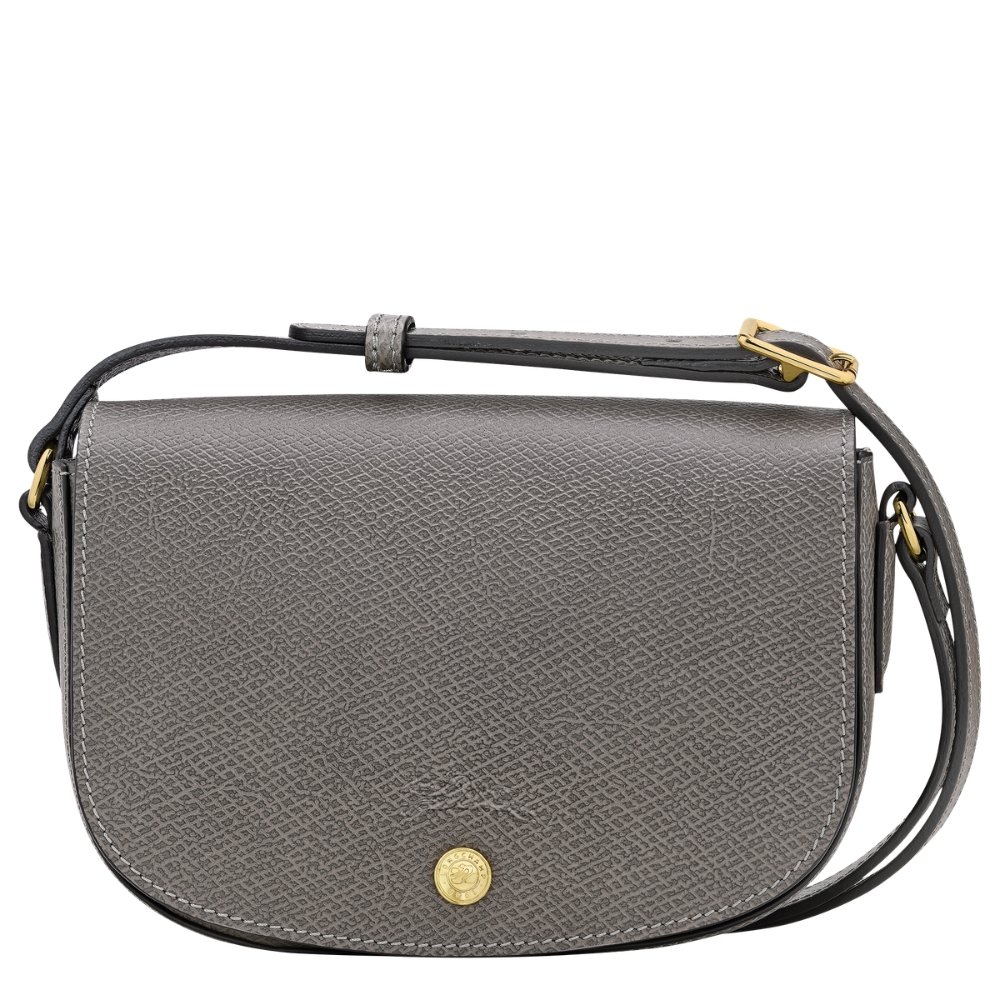
Known For: Le Pliage, Le Roseau, Le Pliage Xtra, Le Foulonné, Épure
Category Focus: Handbags, leather goods, luggage, ready-to-wear, footwear, accessories

Longchamp is one of France's most celebrated luxury leather goods houses, renowned for its timeless handbags, leather craftsmanship, and effortless Parisian style. Founded in Paris in 1948 by Jean Cassegrain, the maison began as a manufacturer of luxury leather-covered pipes before expanding into small leather goods, luggage, and handbags that would become global icons.

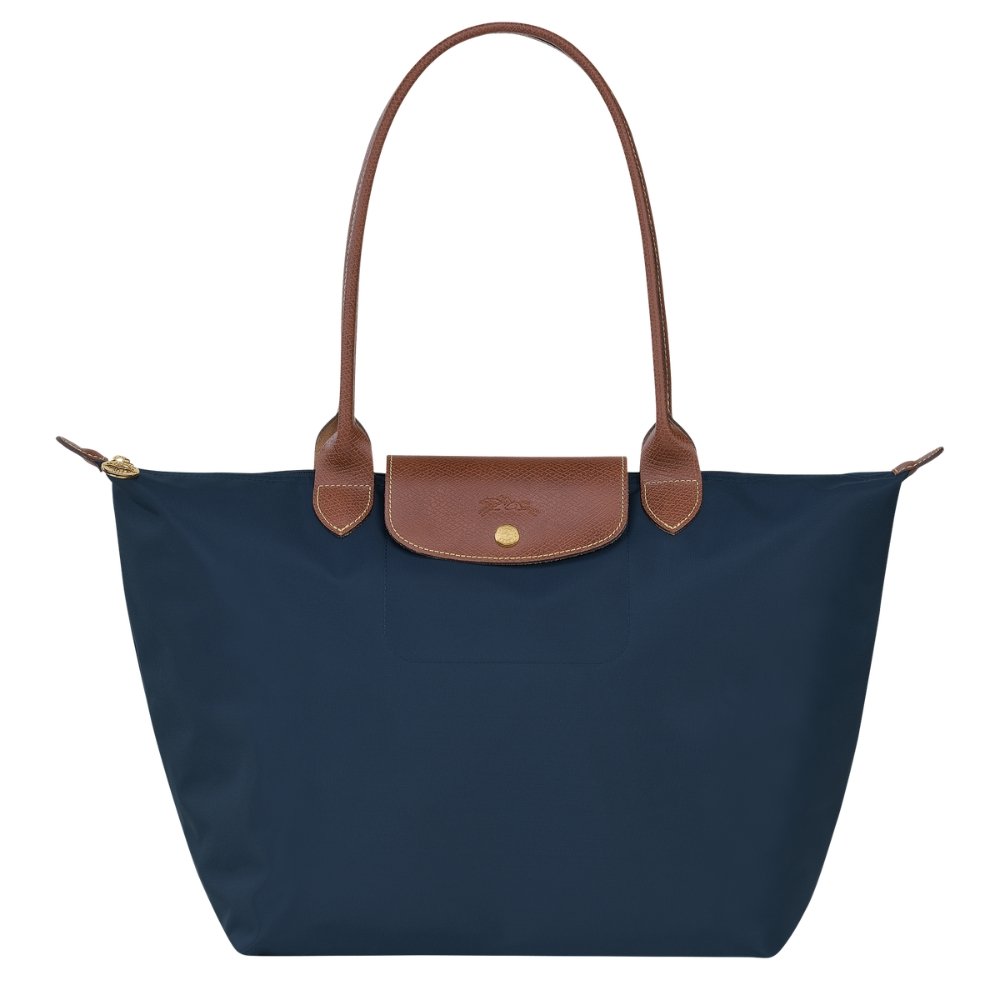
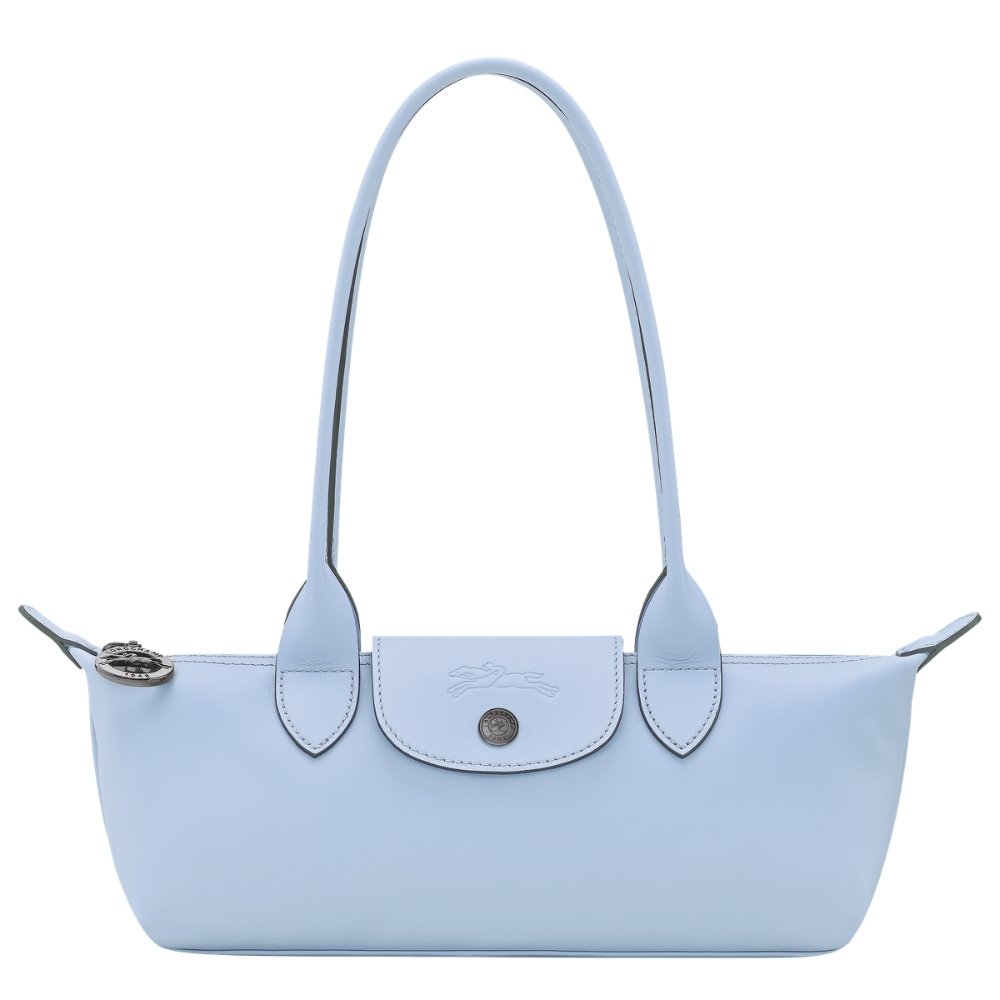
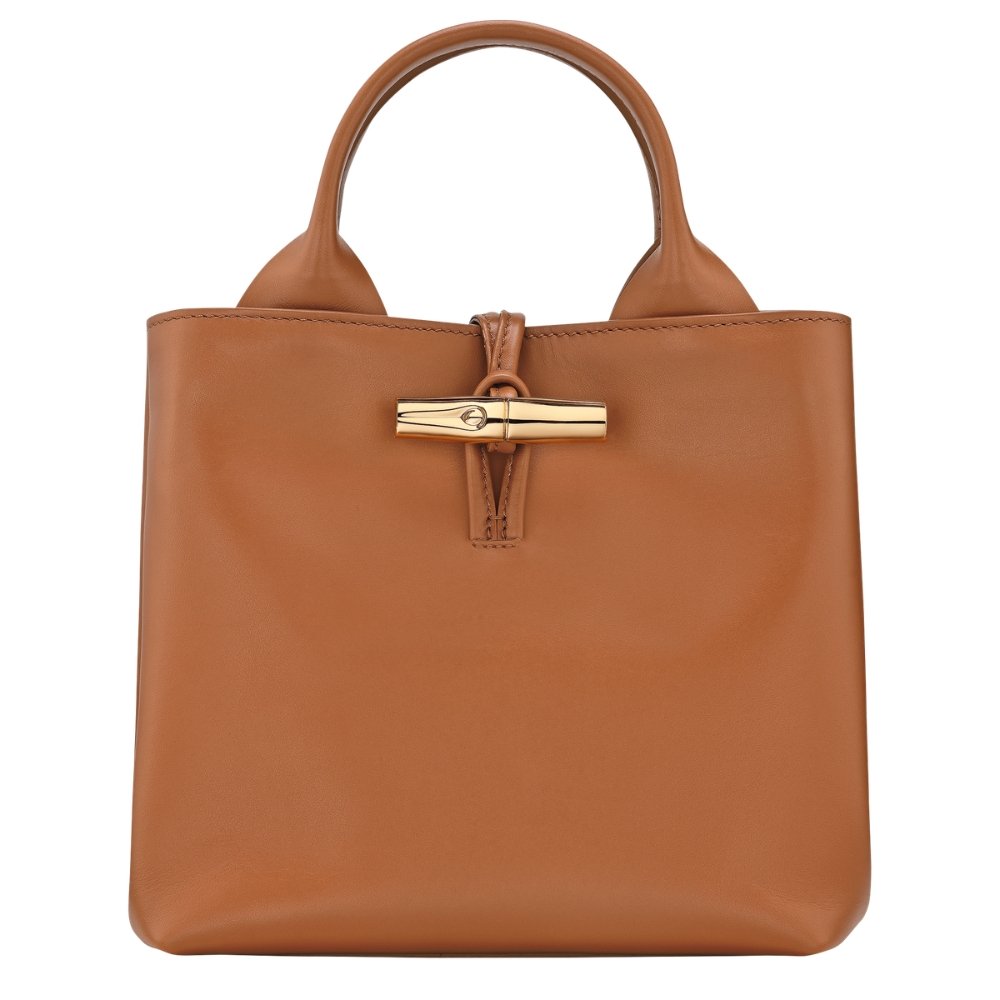
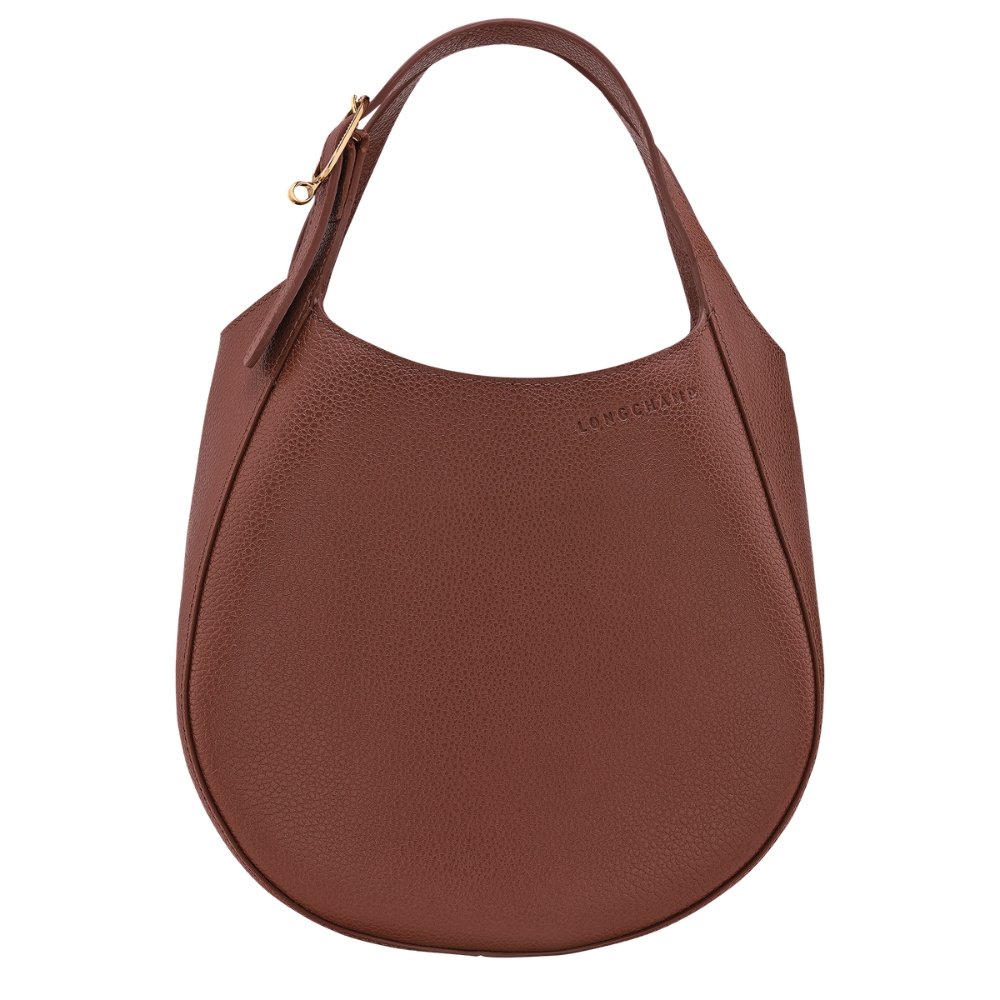
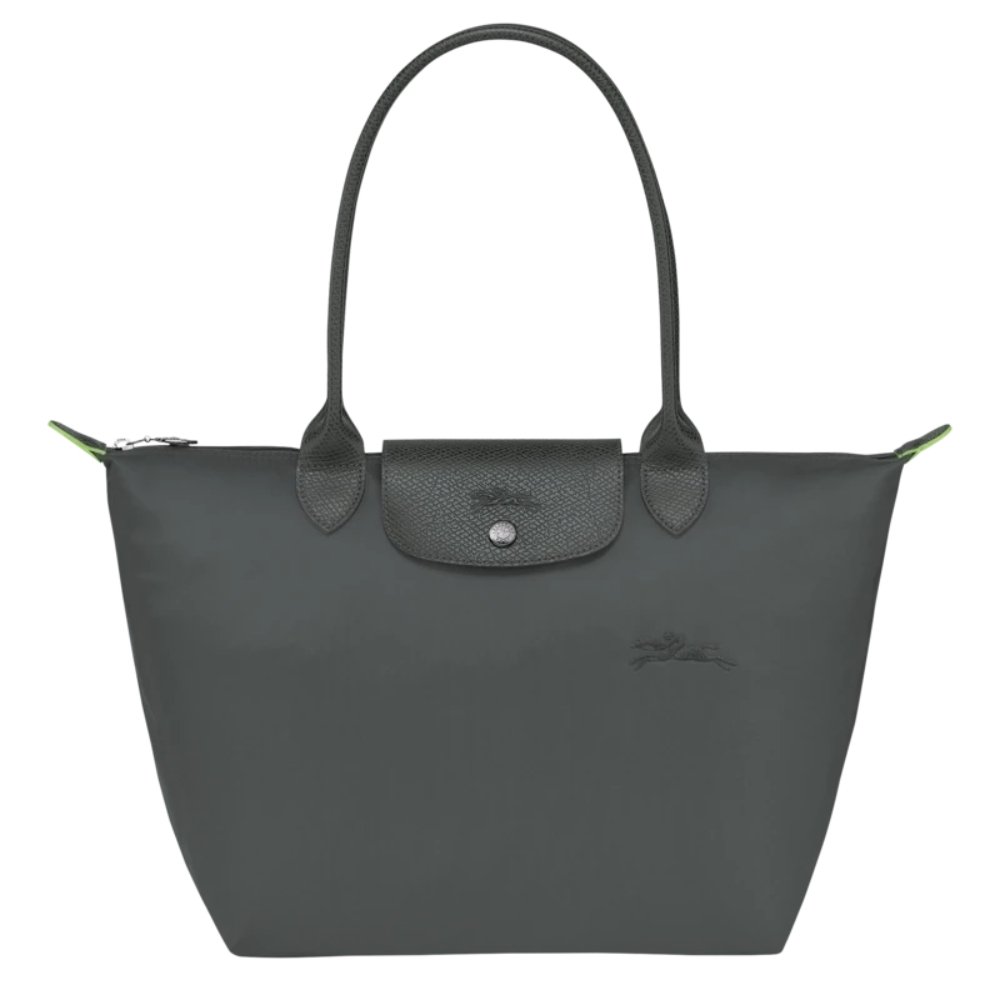
Known for combining French craftsmanship, understated elegance, and practical design, Longchamp has created enduring icons including the Le Pliage, Le Roseau, Le Pliage Xtra, Le Foulonné, and Épure collections. The foldable Le Pliage tote, introduced in 1993, remains one of the most recognizable and widely carried luxury bags in the world.

Today, Longchamp remains independently owned by the Cassegrain family, continuing to expand across handbags, travel goods, ready-to-wear, footwear, and accessories while preserving its distinctly Parisian identity and family heritage.

Iconic Longchamp Products

Le Pliage Original

Le Pliage Xtra

Le Roseau

Le Foulonné

Épure

Le Pliage Green

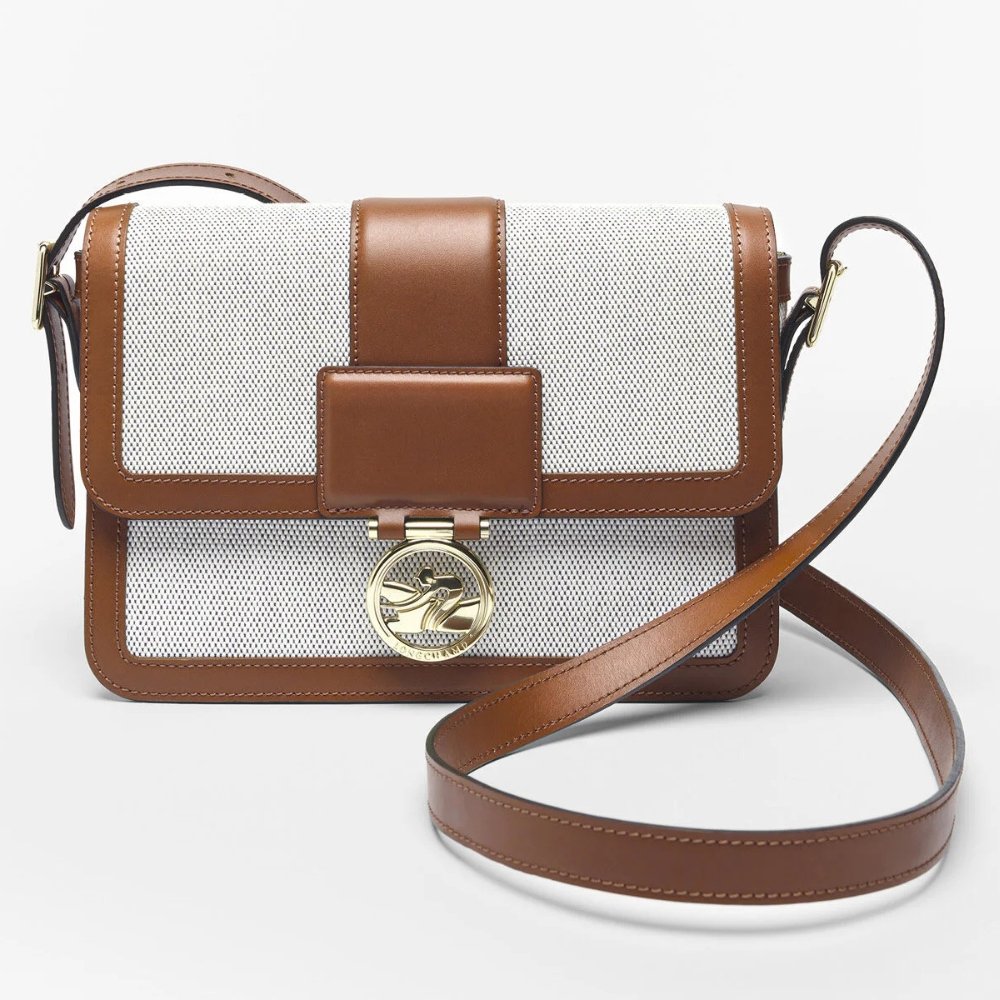
Box-Trot

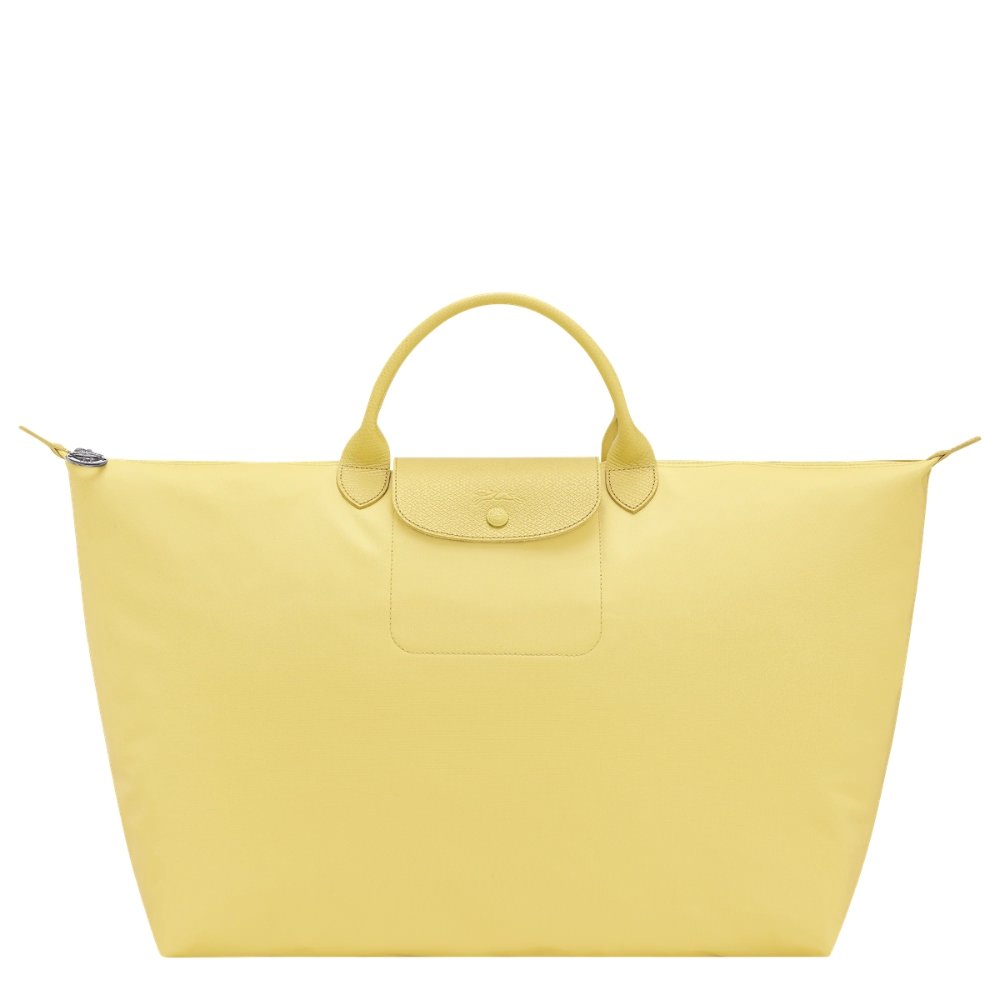
Le Pliage Travel

Longchamp History & Heritage

Longchamp's story began in 1948, when Jean Cassegrain established the company in Paris. Originally specializing in leather-covered smoking accessories, the business quickly expanded into wallets, passport holders, luggage, and travel accessories as demand for luxury leather goods grew.

The maison entered a transformative chapter in 1993 with the launch of the Le Pliage, designed by Philippe Cassegrain. Inspired by the Japanese art of origami, the lightweight foldable tote combined practicality with understated elegance and became one of the most successful handbags ever produced by a French luxury house.

Today, Longchamp remains one of the few major French luxury brands still owned and managed by the founding family, producing collections that balance heritage craftsmanship with contemporary Parisian style.

Key milestones:
• 1948: Jean Cassegrain founds Longchamp in Paris.
• 1950s: Expansion into luxury leather goods and travel accessories.
• 1971: Launch of the first women's handbag collection.
• 1993: Introduction of the iconic Le Pliage tote.
• 2006: Beginning of the celebrated collaboration with Jeremy Scott.
• 2019: Launch of Le Pliage Green, incorporating recycled materials.
• 2026: Longchamp celebrates 20 years of collaboration with Jeremy Scott through a retrospective exhibition in New York and unveils the exclusive Le Pliage "Greetings from New York" edition.

Longchamp has become a symbol of modern French luxury by proving that practical design and exceptional craftsmanship can coexist beautifully.

“Longchamp perfected everyday luxury. Its strength lies in combining practical design with timeless French craftsmanship, creating bags that feel just as relevant decades later.”

Why Longchamp Matters Today

Longchamp matters because it transformed everyday functionality into timeless French luxury.

Its influence can be seen across:
• The evolution of everyday luxury handbags
• The fusion of practicality and elegance
• The preservation of French leather craftsmanship
• The popularity of understated luxury

By combining Parisian style, family heritage, and functional design, Longchamp continues to define modern luxury that fits seamlessly into everyday life.

Longchamp vs Other Luxury Houses

Longchamp vs Coach

Longchamp vs Tory Burch

Longchamp vs Furla

Longchamp vs MCM

Other Brands