Monday, November 23, 2026
Home Ray-Ban — Brand Profile

Ray-Ban

• Website: ray-ban.com
• Founded: 1937, United States.
• Founder: Bausch & Lomb
• Owned By: EssilorLuxottica
• Known For: Aviator, Wayfarer, Clubmaster, Round Metal, green lenses, Ray-Ban Meta
• Category Focus: Sunglasses, optical frames, prescription eyewear, polarized eyewear, children's eyewear, smart glasses

Ray-Ban is one of the world's most recognizable eyewear brands, renowned for iconic sunglasses, enduring frame designs, and a strong connection to popular culture. Established in 1937 by Bausch & Lomb, the brand developed from aviation-inspired eye protection into a global name spanning sunglasses, prescription eyewear, optical frames, and smart glasses.

Known for combining practical innovation, distinctive silhouettes, and effortless style, Ray-Ban has created designs that remain recognizable across generations. Brand signatures—including the Aviator, Wayfarer, Clubmaster, and green-tinted lenses—connect its functional origins with fashion, music, and individual expression.

Today, Ray-Ban is part of EssilorLuxottica, continuing to develop its established eyewear collections while expanding into connected technology through its Ray-Ban Meta collaboration. LinkedIn

Iconic Ray-Ban Products

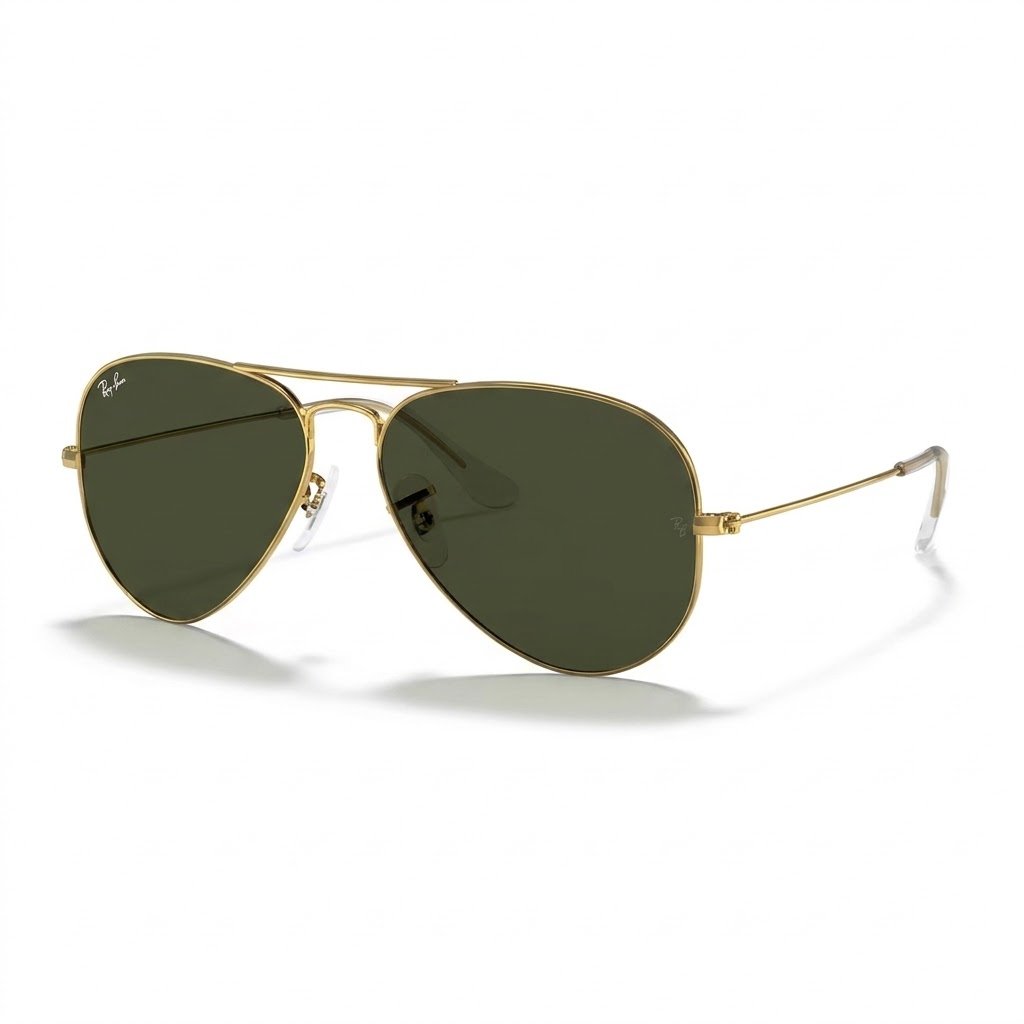
Aviator Classic

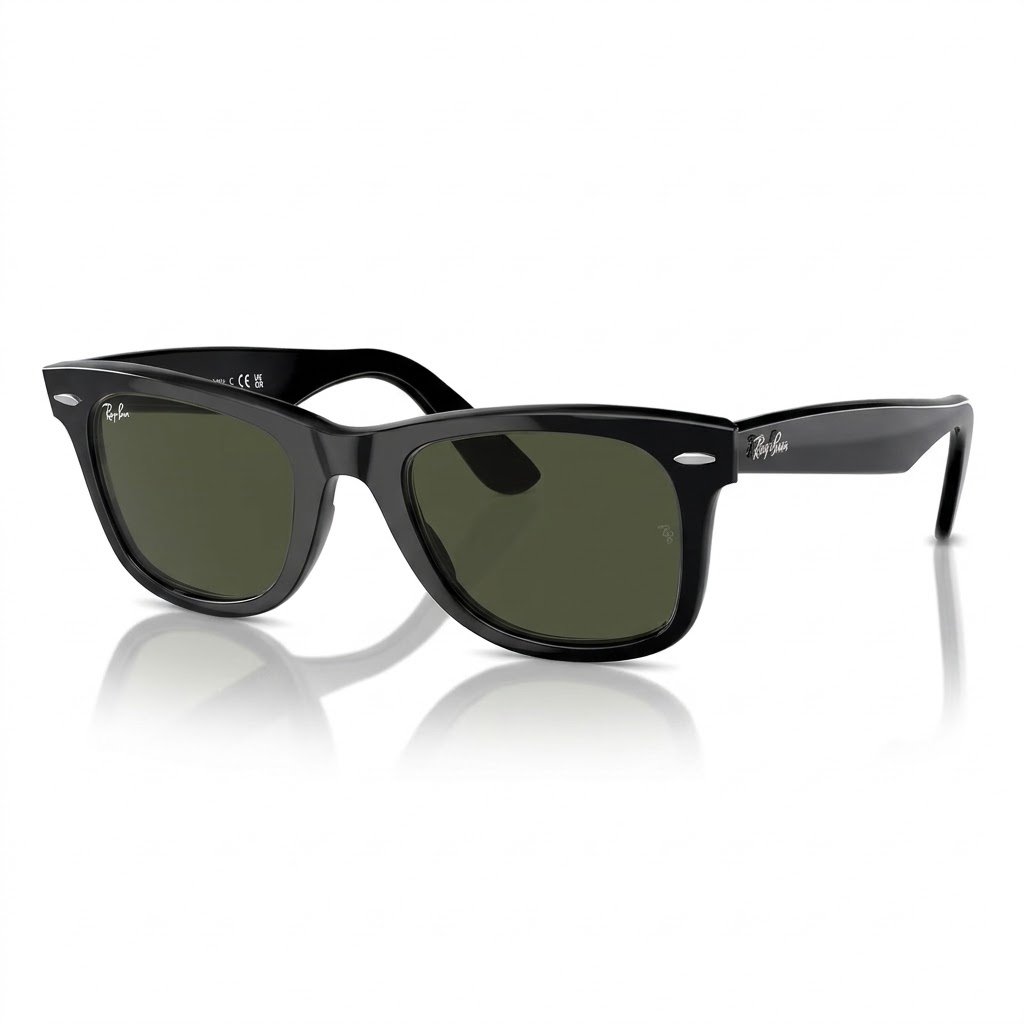
Original Wayfarer Classic

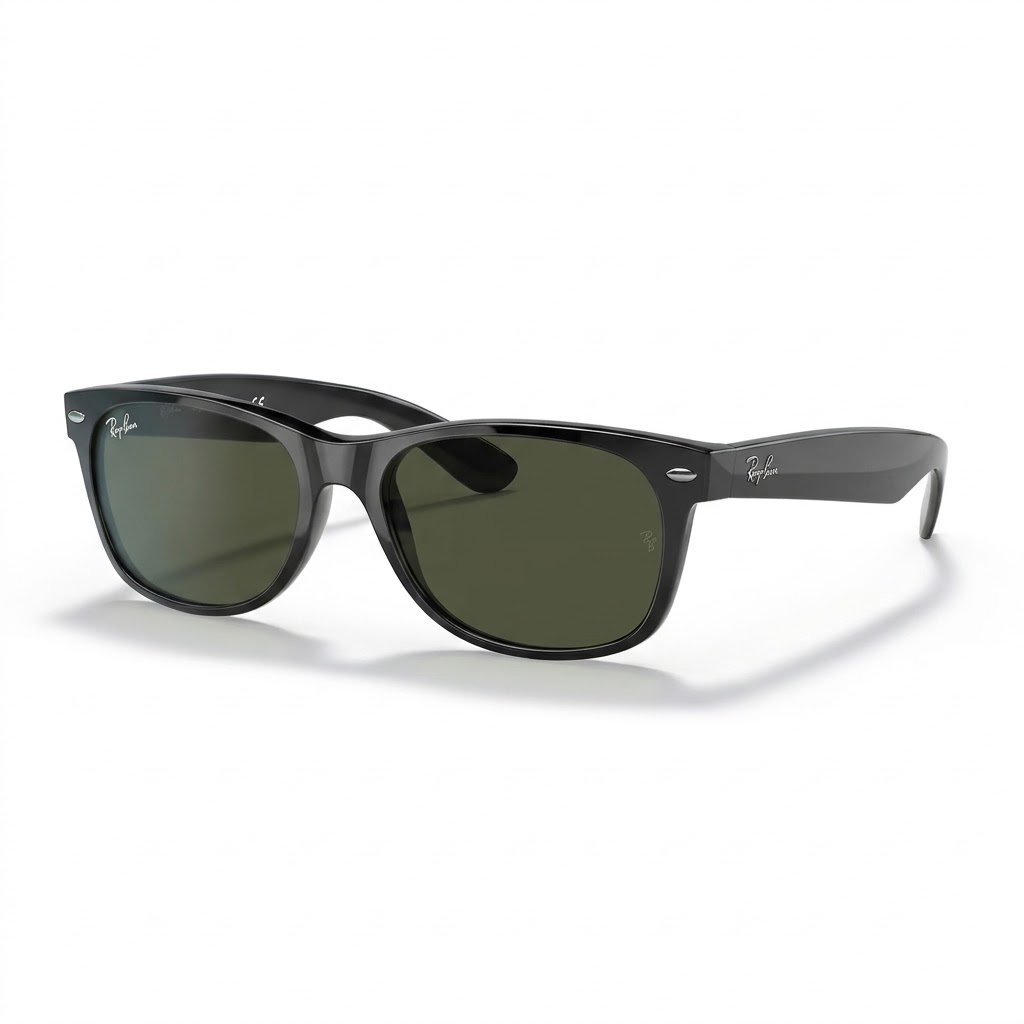
New Wayfarer Classic

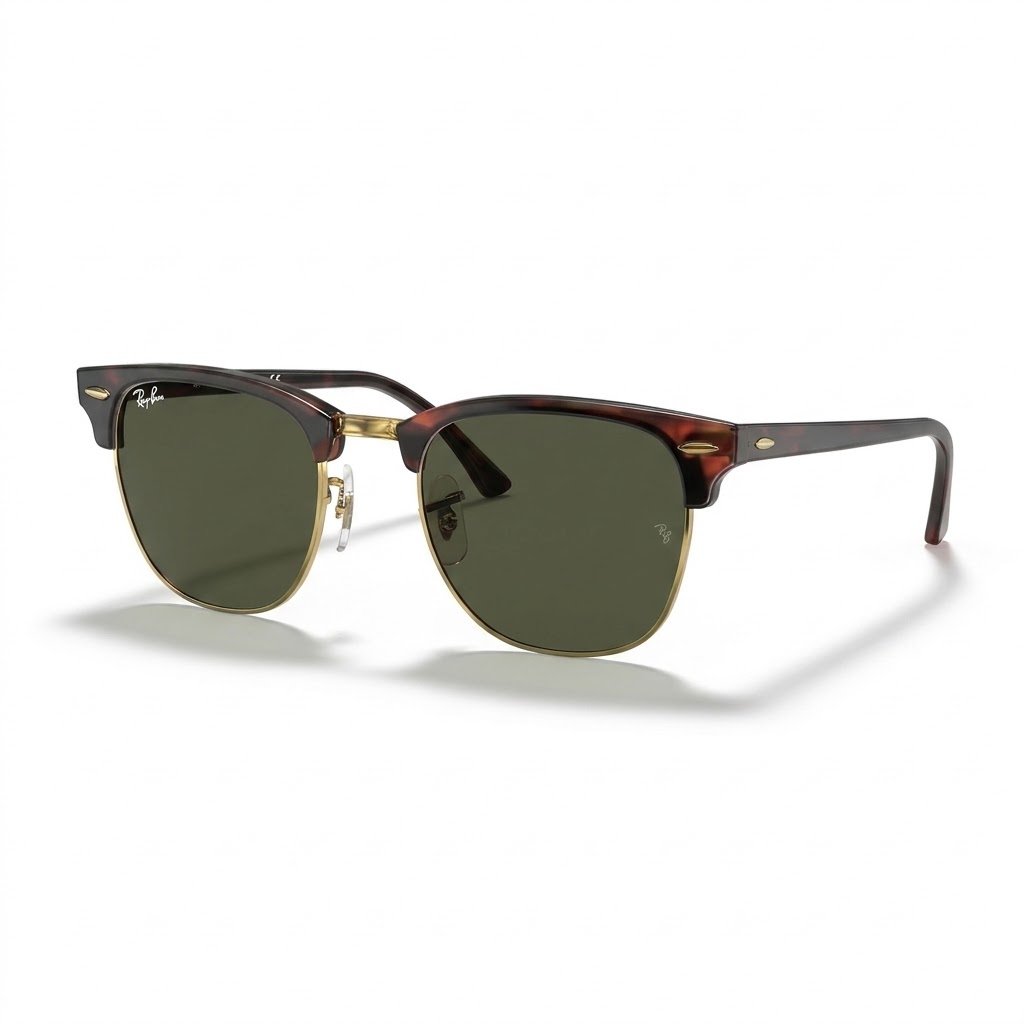
Clubmaster Classic

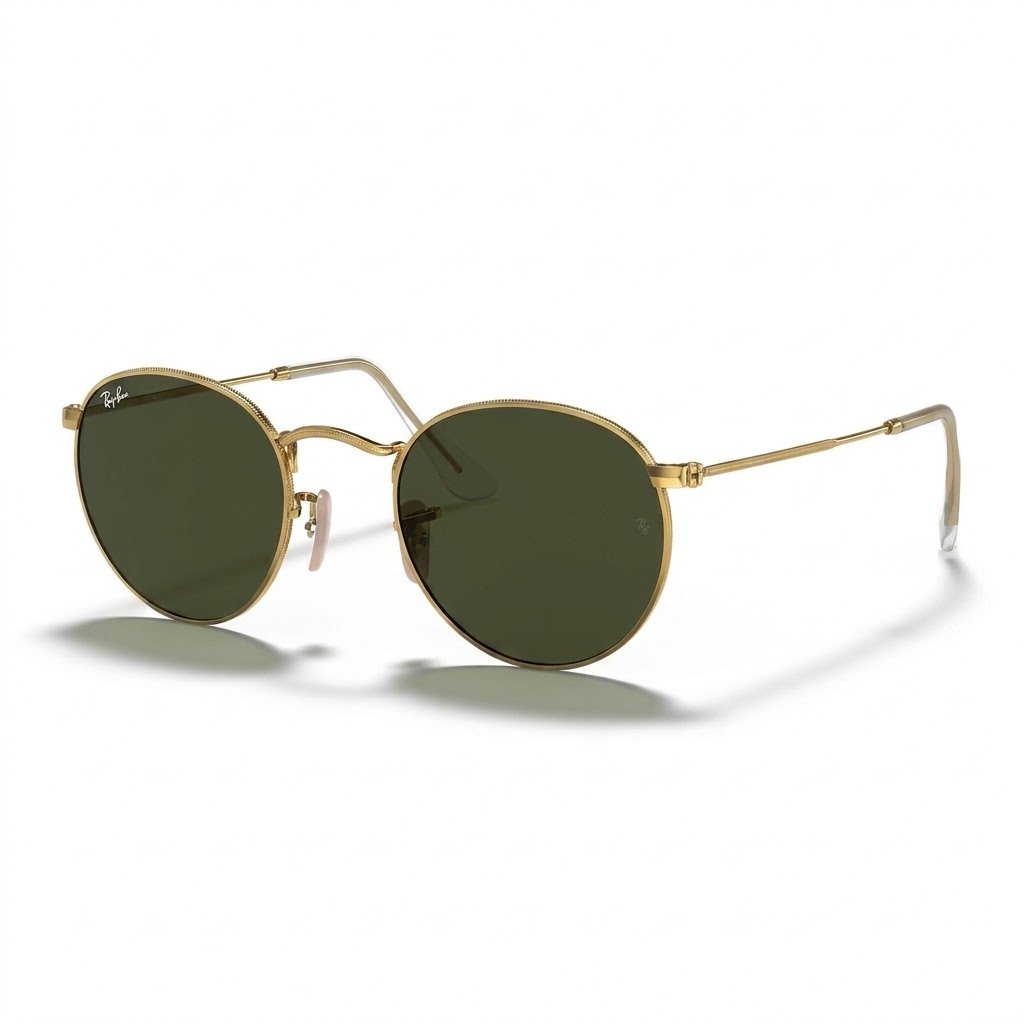
Round Metal

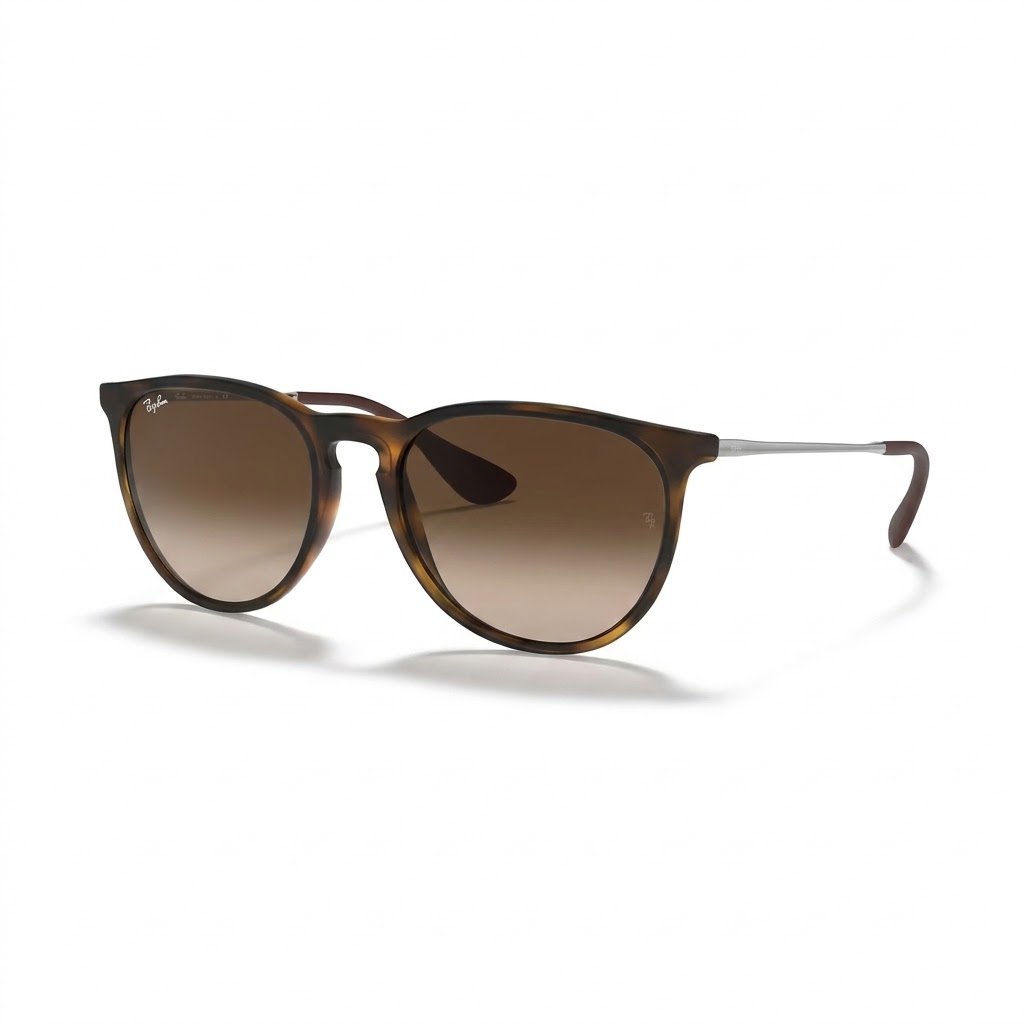
Erika Classic

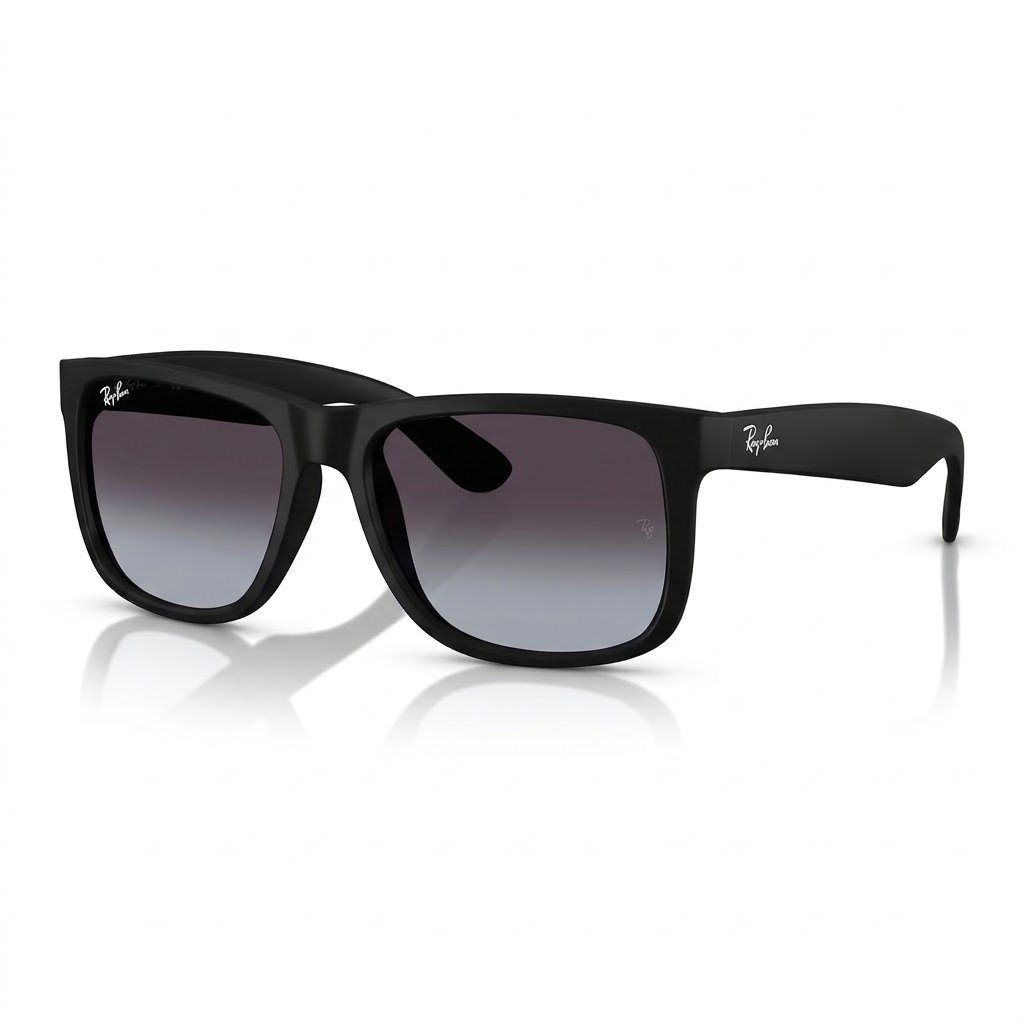
Justin Classic

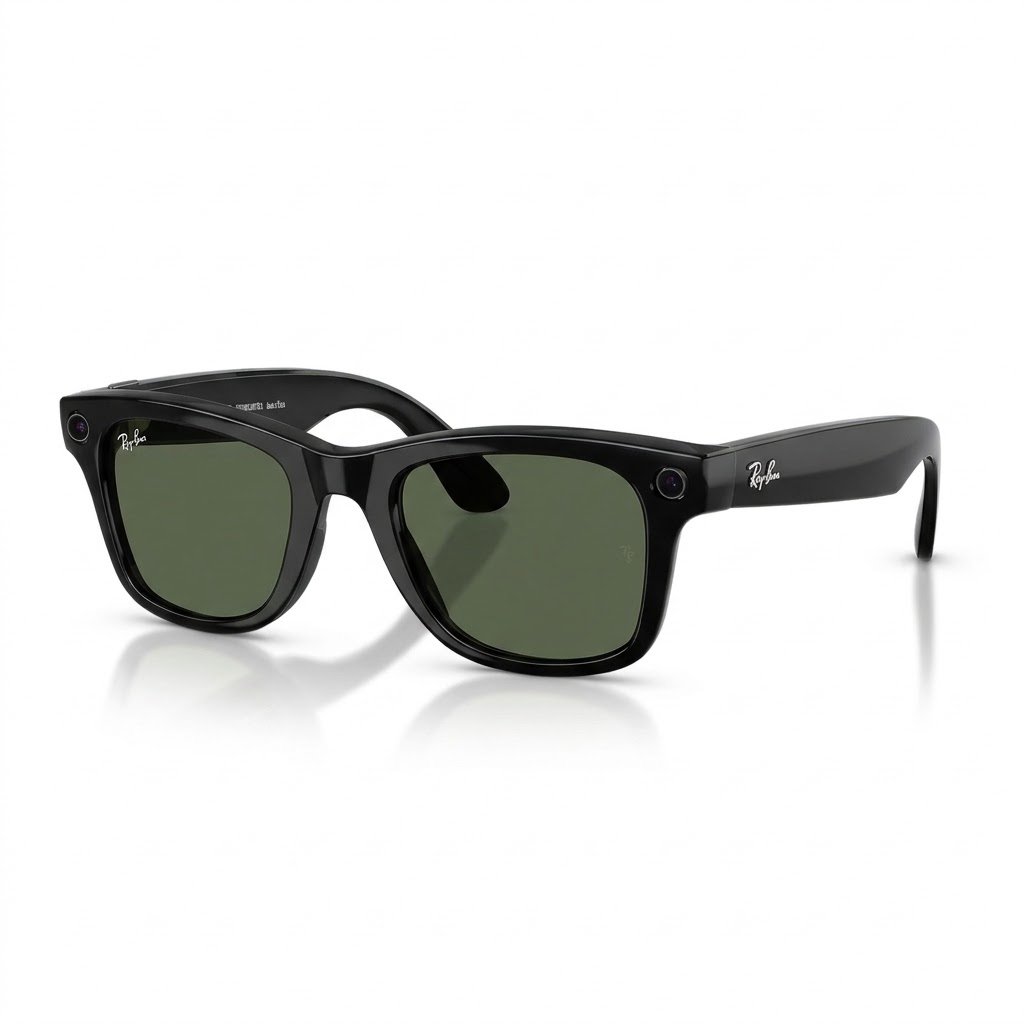
Ray-Ban Meta Wayfarer

Ray-Ban History & Heritage

Ray-Ban's story began with the development of eyewear designed to reduce the glare experienced by military pilots. Bausch & Lomb introduced the brand in 1937, establishing a functional foundation that would later influence everyday sunglasses.

The launch of the Wayfarer in 1952 introduced a bold alternative to metal frames. Over subsequent decades, Ray-Ban became closely associated with film, music, and personal style, turning practical eyewear into an immediately recognizable fashion accessory.

Following its acquisition by Luxottica in 1999, the brand expanded its international presence and optical offering. More recently, collaborations in wearable technology have added another chapter to its development, connecting familiar frame shapes with cameras, audio, and digital features.

Key milestones:
• 1937: Bausch & Lomb establishes Ray-Ban, introducing the Aviator design associated with its aviation origins.
• 1939: The Outdoorsman joins the collection, adapting the aviator silhouette for outdoor use.
• 1952: Ray-Ban introduces the Wayfarer, establishing one of eyewear's most recognizable frame designs.
• 1986: The Clubmaster launches, bringing a distinctive browline silhouette into the brand's collections.
• 1989: Ray-Ban introduces the Round Metal, adding another enduring design to its eyewear portfolio.
• 1999: Luxottica acquires Ray-Ban from Bausch & Lomb.
• 2003: The New Wayfarer debuts, offering a revised interpretation of the original frame.
• 2021: Ray-Ban Stories launches through the partnership between EssilorLuxottica and Facebook.
• 2023: Ray-Ban Meta smart glasses debut, introducing a new generation of connected eyewear.
• 2025: A$AP Rocky is appointed Ray-Ban's first Creative Director, opening a new chapter in its cultural collaborations.

Ray-Ban transformed functional eyewear into a global style language, combining recognizable design, cultural influence, and an evolving approach to optical innovation.

“Ray-Ban turns practical eyewear into an enduring expression of personal style. Its strength lies in combining recognizable shapes, cultural relevance, and designs that feel familiar across generations.”

Why Ray-Ban Matters Today

Ray-Ban matters because it helped transform sunglasses from functional eye protection into one of the world's most recognizable expressions of personal style.

Its influence can be seen across:
• The evolution of aviator and acetate sunglasses
• The connection between eyewear, cinema, and music
• The lasting appeal of recognizable frame designs
• The integration of wearable technology into everyday eyewear

By combining design heritage, optical expertise, and continued innovation, Ray-Ban continues to shape contemporary eyewear.

Ray-Ban vs Other Luxury Houses

Ray-Ban vs Oliver Peoples

Ray-Ban vs Gentle Monster

Ray-Ban vs Oakley

Other Brands